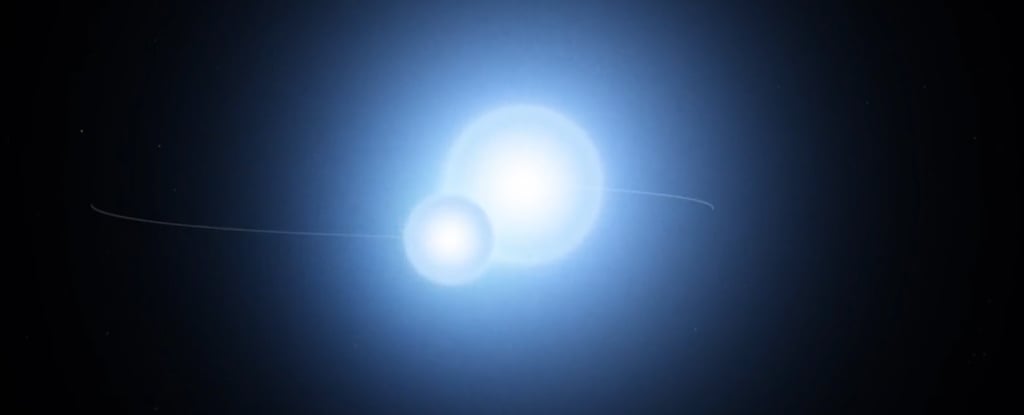
Scientists using NASA's TESS have discovered three Earth-sized exoplanets orbiting twin stars in a unique and compact binary system, challenging previous ideas about planet formation in such environments and opening new avenues for studying planetary stability and diversity.
Astronomers have uncovered that double hot Jupiters, rare gas giant exoplanets orbiting each star in binary systems, may form through a natural process called ZLK migration, where gravitational interactions cause planets to migrate inward, challenging previous theories of planet formation.
Chinese astronomers discovered a rare binary system, PSR J1928+1815, where a pulsar orbits inside another star, providing new insights into stellar evolution and mass exchange in binary systems, using the world's largest radio telescope, FAST.
Astronomers using data from the European Space Agency's Gaia mission have discovered 21 neutron stars orbiting sun-like stars. These neutron stars, found by detecting the gravitational wobble they cause in their companion stars, are the first to be identified purely through their gravitational effects. The discovery challenges existing models of binary star formation and suggests that such pairings, though rare, can survive the cataclysmic processes of stellar evolution.
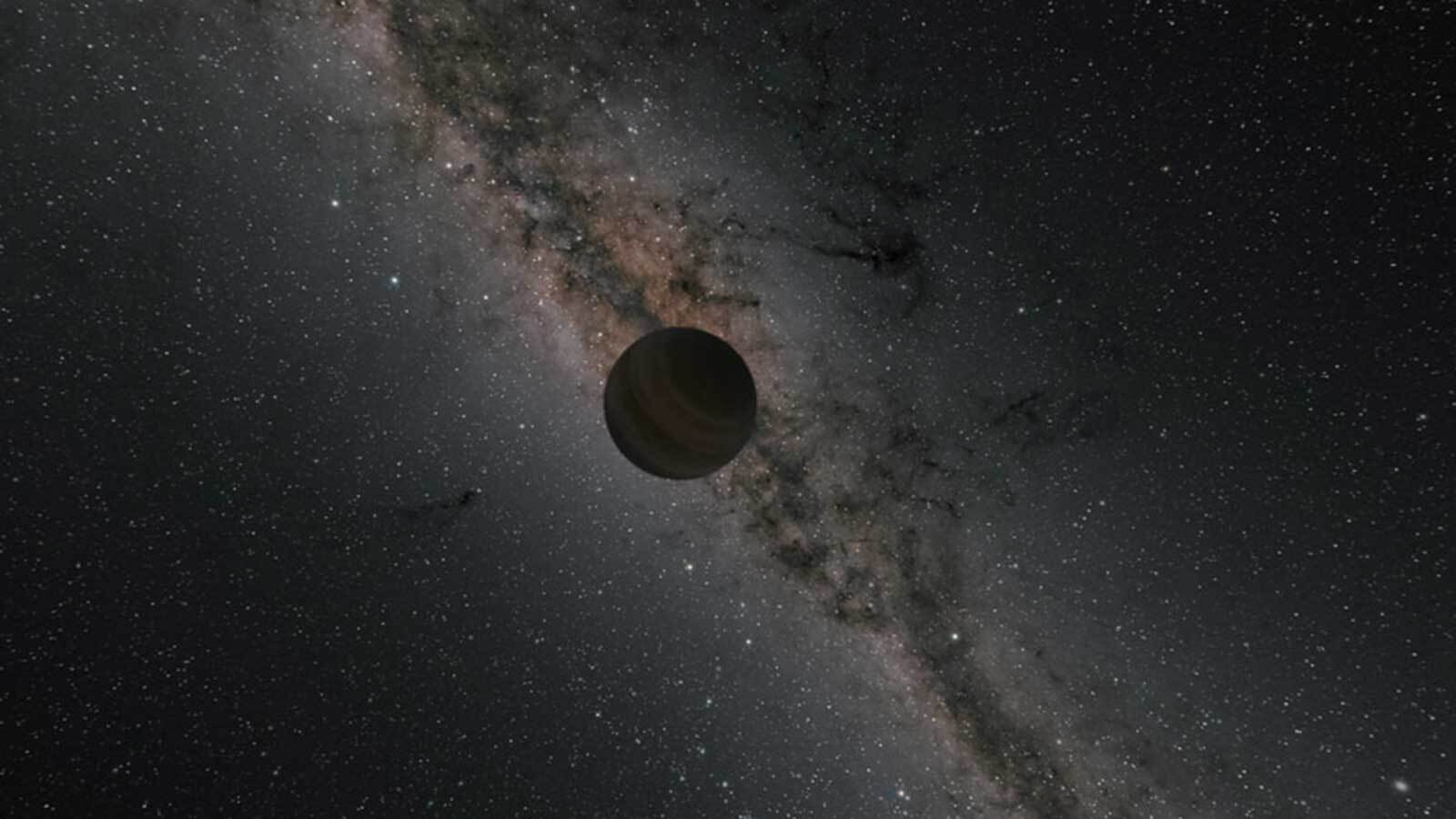
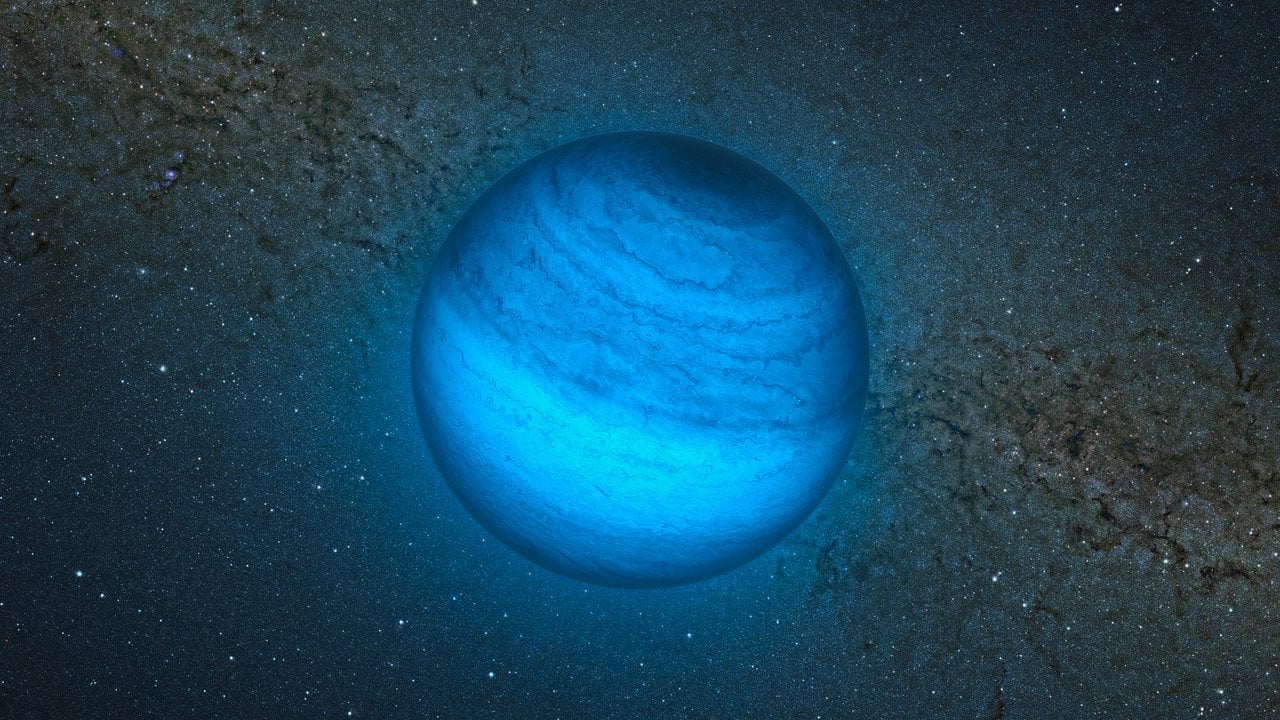
New research suggests that rogue planets, which wander the Milky Way without a parent star, are often ejected from "twisted Tatooine" binary star systems where the stars and planets are misaligned. This discovery could explain the high number of rogue planets in our galaxy, potentially reaching up to a quadrillion. The study highlights that even small planets can be ejected from these systems, contributing significantly to the population of rogue planets.
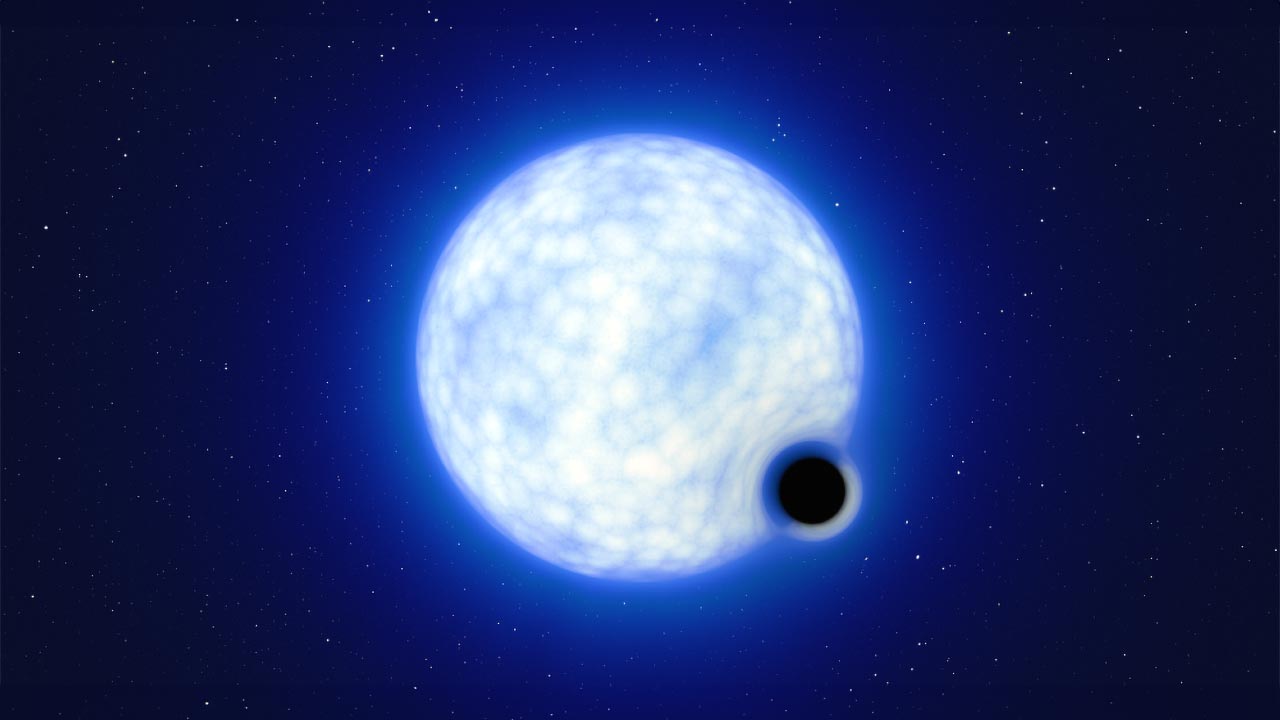
Astrophysicists at the University of Copenhagen have found compelling evidence that massive stars can collapse into black holes without a supernova explosion. Their study of the binary star system VFTS 243 in the Large Magellanic Cloud suggests that with enough mass, a star's gravitational pull can cause it to collapse completely, bypassing the explosive supernova phase. This discovery provides a plausible scientific explanation for the phenomenon of disappearing stars and offers a new benchmark for studying stellar evolution and collapse.
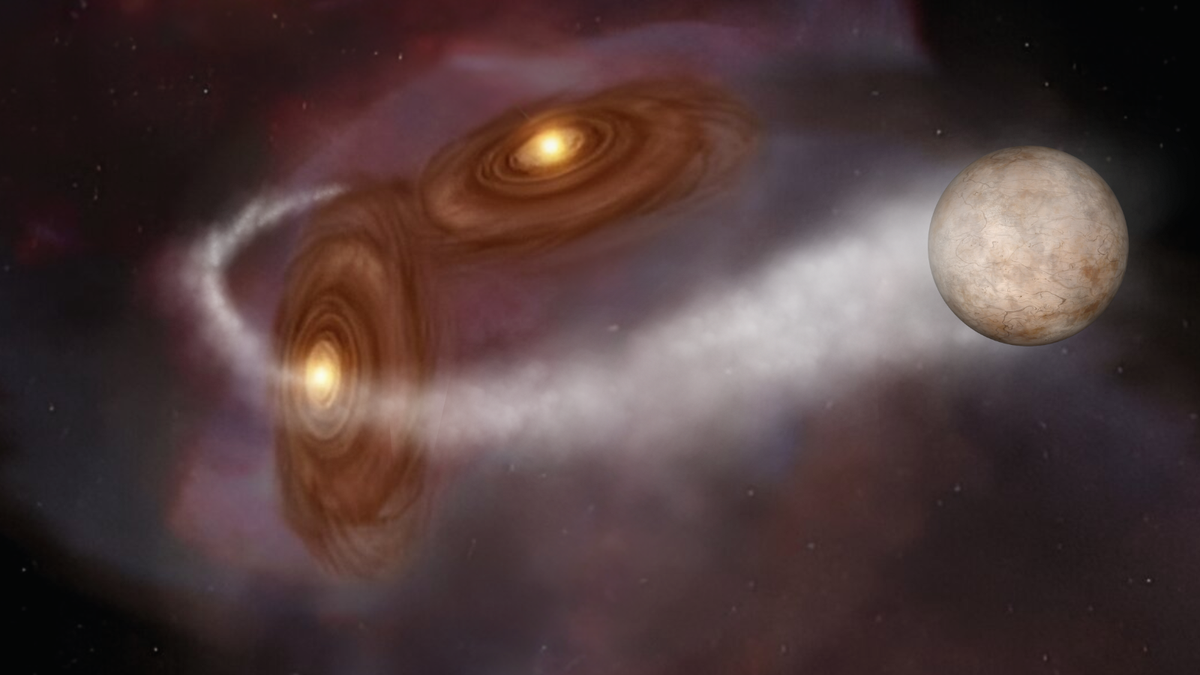
Astronomers are studying the origins of rogue planets, also known as free-floating planets (FFPs), which drift through space untethered to any stars. Researcher Gavin Coleman from Queen Mary University of London has simulated how FFPs are ejected from binary star systems, finding that circumbinary systems efficiently produce FFPs with distinct properties. His work suggests that differences in the distributions of FFP masses, frequencies, and excess velocities can indicate whether single stars or circumbinary systems are the fundamental birthplace of FFPs. While there is still much to learn about FFPs and their origins, this research provides a valuable step toward understanding these intriguing objects.
A new study suggests that misaligned binary star systems could be efficient factories for producing rogue planets. Unlike single-star systems, where planets need to be closely spaced to become rogue, binary systems can generate rogue planets even with widely spaced planets. The gravitational tugs from both stars and other planets in the system can destabilize the orbits of some planets, with the largest planet remaining stable and potentially destabilizing smaller planets. This model suggests that there could be a vast number of smaller, rocky rogue planets adrift in the galaxy, particularly around red dwarf stars. However, finding these planets in the cold darkness of interstellar space remains a challenge.
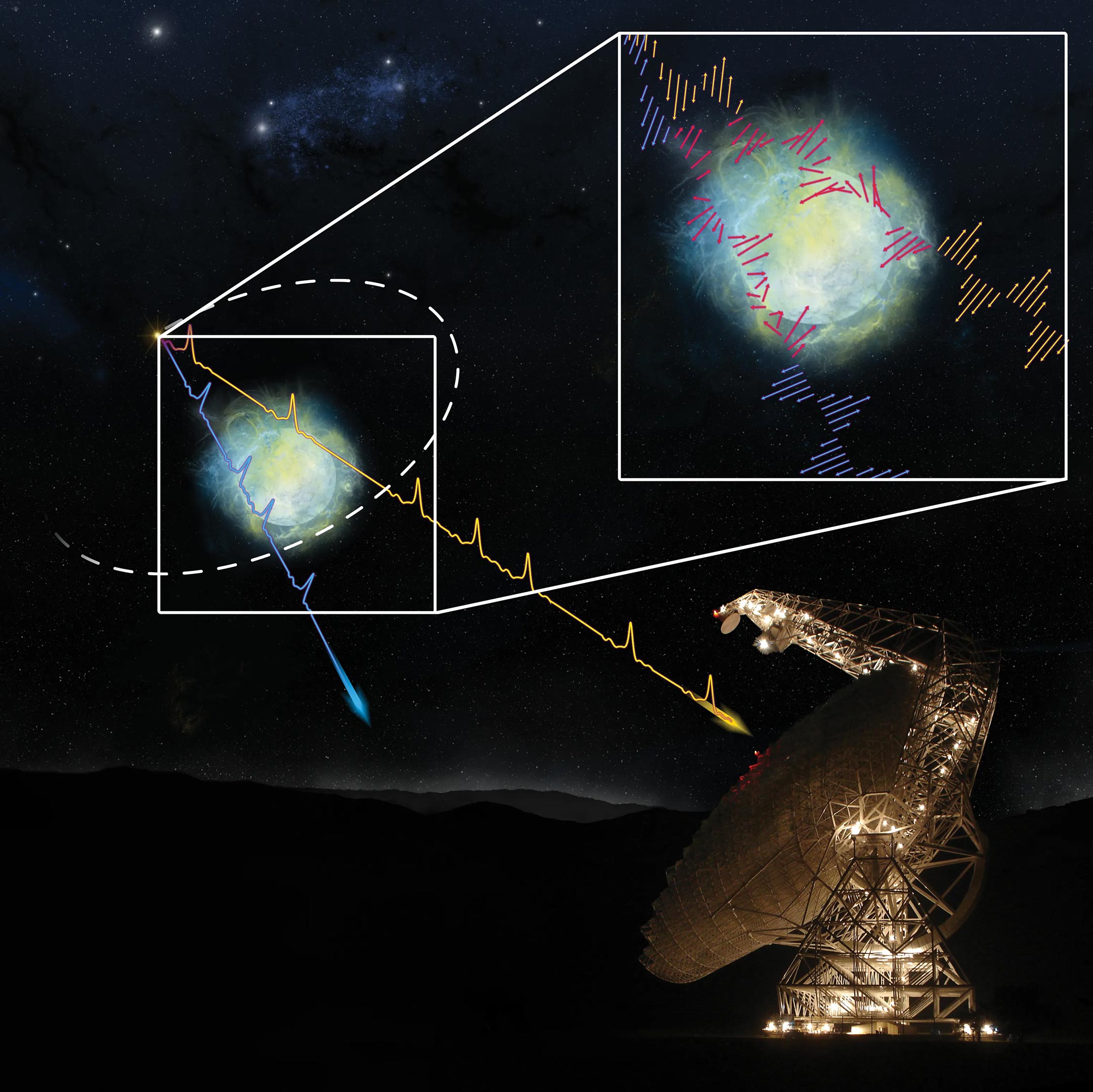
New research on a Fast Radio Burst (FRB) from a cosmological object in a distant dwarf galaxy has revealed a rarely seen astronomical environment around its source, where magnetic fields twist, turn, and undulate over time. This is the first detection of a magnetic field reversal observed from an FRB, and the first time this behavior has been observed in another galaxy. The discovery also strengthens the idea that at least a fraction of FRBs originate in a binary system, which is a system of two stars that orbit each other. The National Science Foundation’s Green Bank Telescope was used to observe FRB 20190520B for seventeen months, and the peculiar characteristics of the FRB inspired a deeper dive into the data.
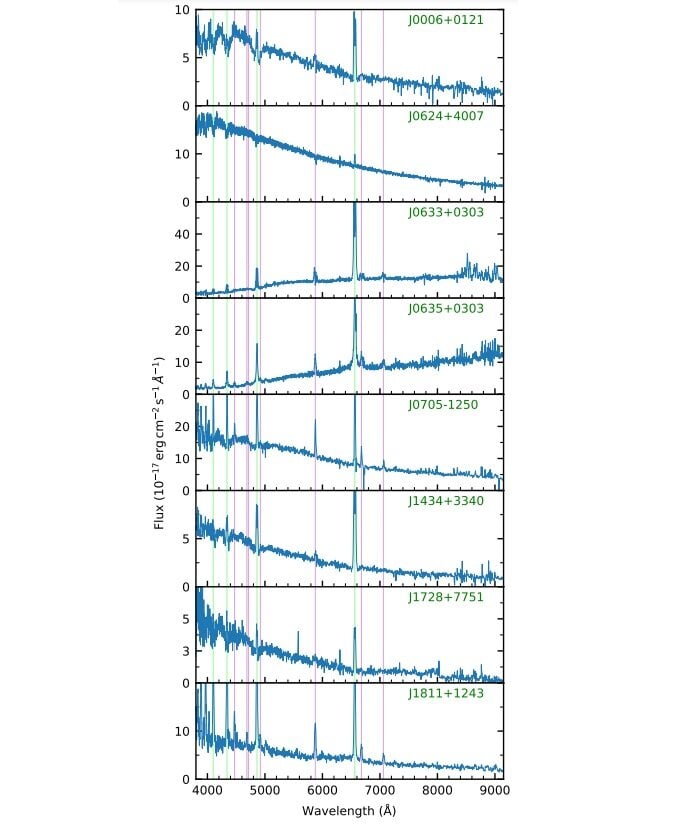
An international team of astronomers has discovered eight new cataclysmic variables (CV) systems using the latest phase of the Sloan Digital Sky Survey (SDSS). CVs are binary star systems consisting of a white dwarf primary that is accreting matter from a normal star companion. SDSS-V contains a program to deliberately target white dwarfs and cataclysmic variable systems, which led to the discovery of these new CVs. Out of the eight newly discovered cataclysmic variables, four turned out to be WZ Sagittae (WZ Sge) systems—non-magnetic CVs showcasing low accretion rate and rare superoutbursts.
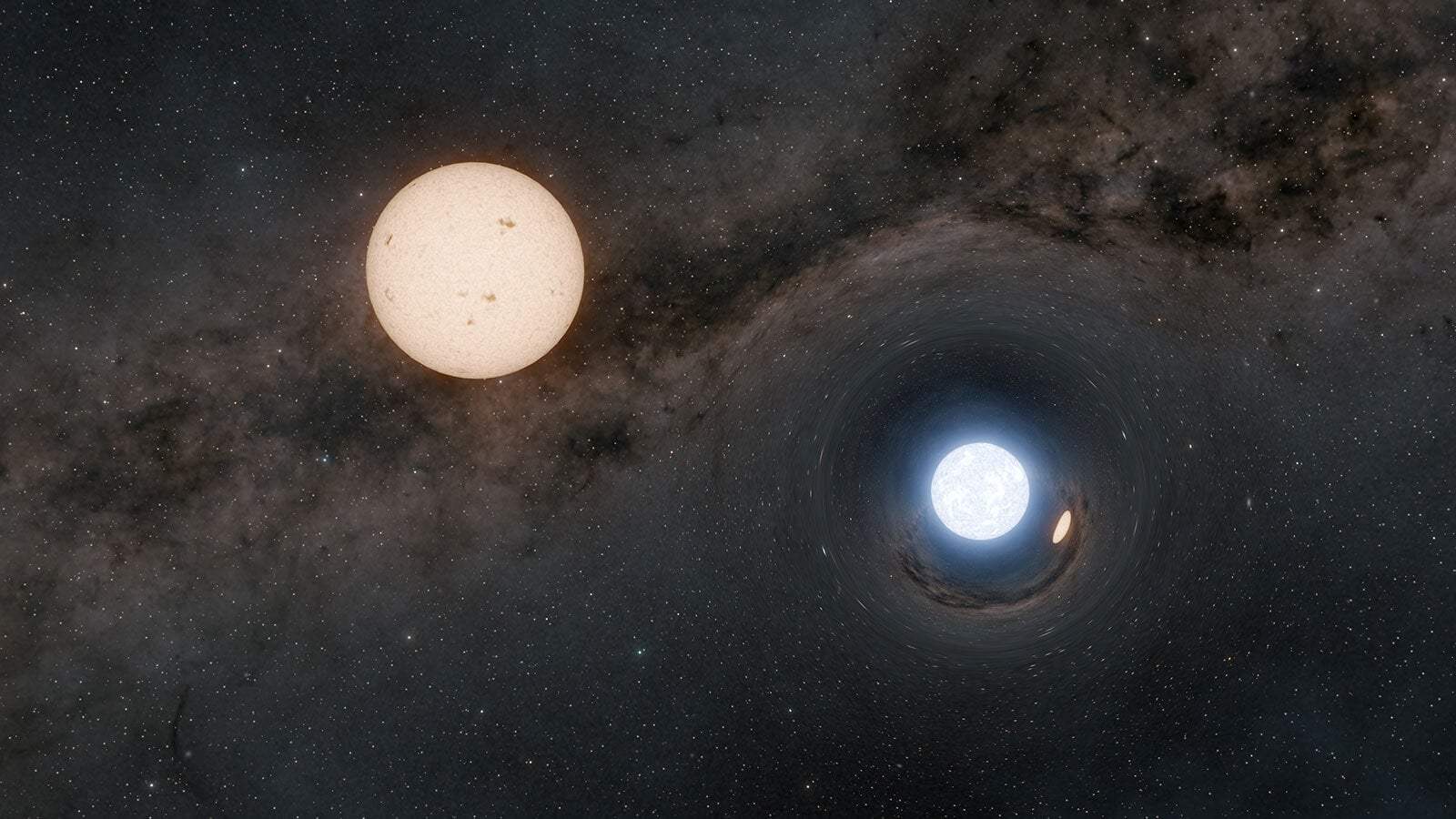
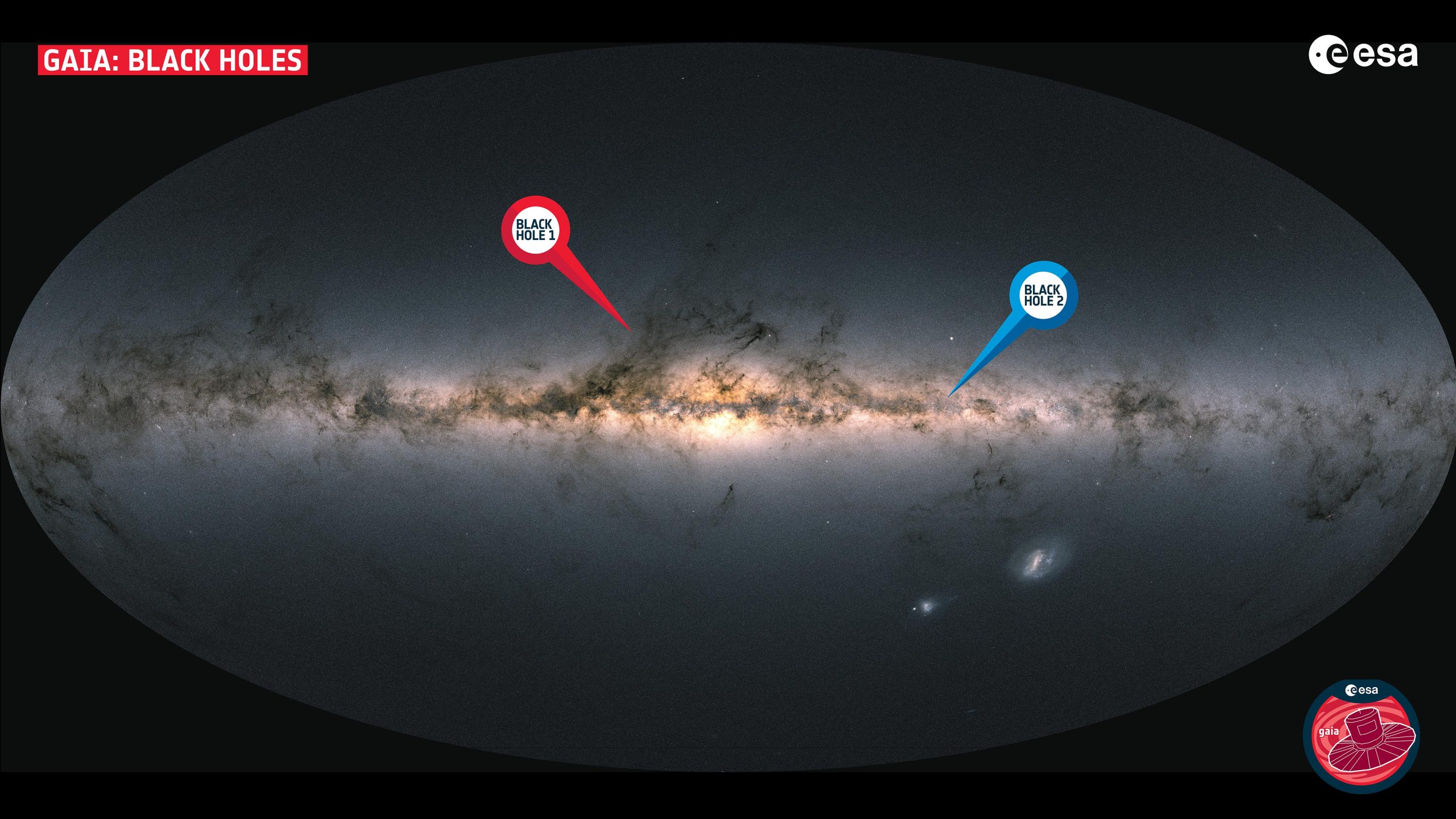
The European Space Agency's Gaia mission has discovered a new type of black hole, with two members located closer to Earth than any other known black hole. The black holes, named Gaia BH1 and Gaia BH2, were discovered by studying the movement of their companion stars, which showed a gravitational influence from massive objects. These black holes are unique in that they do not emit any light and are only detectable by their gravitational effects. The discovery suggests that black holes in wider binary star systems are more common than previously thought, and Gaia's next data release in 2025 is expected to reveal more of these systems.
Two black holes, ten times more massive than the Sun, were discovered by astronomers using data from the European Space Agency's Gaia mission. The black holes, named Gaia BH1 and Gaia BH2, are located just 1,560 light-years away from Earth and have the most widely separated orbits of all known black holes. They were detected by observing the movements of their companion stars, making them the first "practically invisible" black holes to be discovered. The discovery suggests that many more similar black holes in wide binaries are still waiting to be found.
Astronomers have discovered two black holes, Gaia BH1 and Gaia BH2, that are the closest to Earth known and are orbited by stars at much greater distances than previously observed in other black hole-companion star pairings. These black holes are completely dark and were detected via the gravitational effect they have on their companion stars. The discovery of these two black holes challenges current theories about the evolution of binary star systems and implies that black holes in wide orbits are more common in space than binaries where the black hole and star are closer.