A new study argues that preeclampsia, a pregnancy complication, could have reduced Neanderthal fertility and contributed to their extinction, but leading paleoanthropologists say the claim is speculative and labels it a thought experiment rather than a proven cause.
In a South African hospital, researchers testing the experimental drug DM199 saw blood-pressure stabilization in pregnant women with preeclampsia after escalating doses, with the treatment not appearing to cross the placenta or breast milk and possibly improving placental blood flow. While early and based on small groups, the results offer cautious optimism for a first pharmaceutical therapy that could help mothers stay pregnant longer and protect babies, pending larger studies.
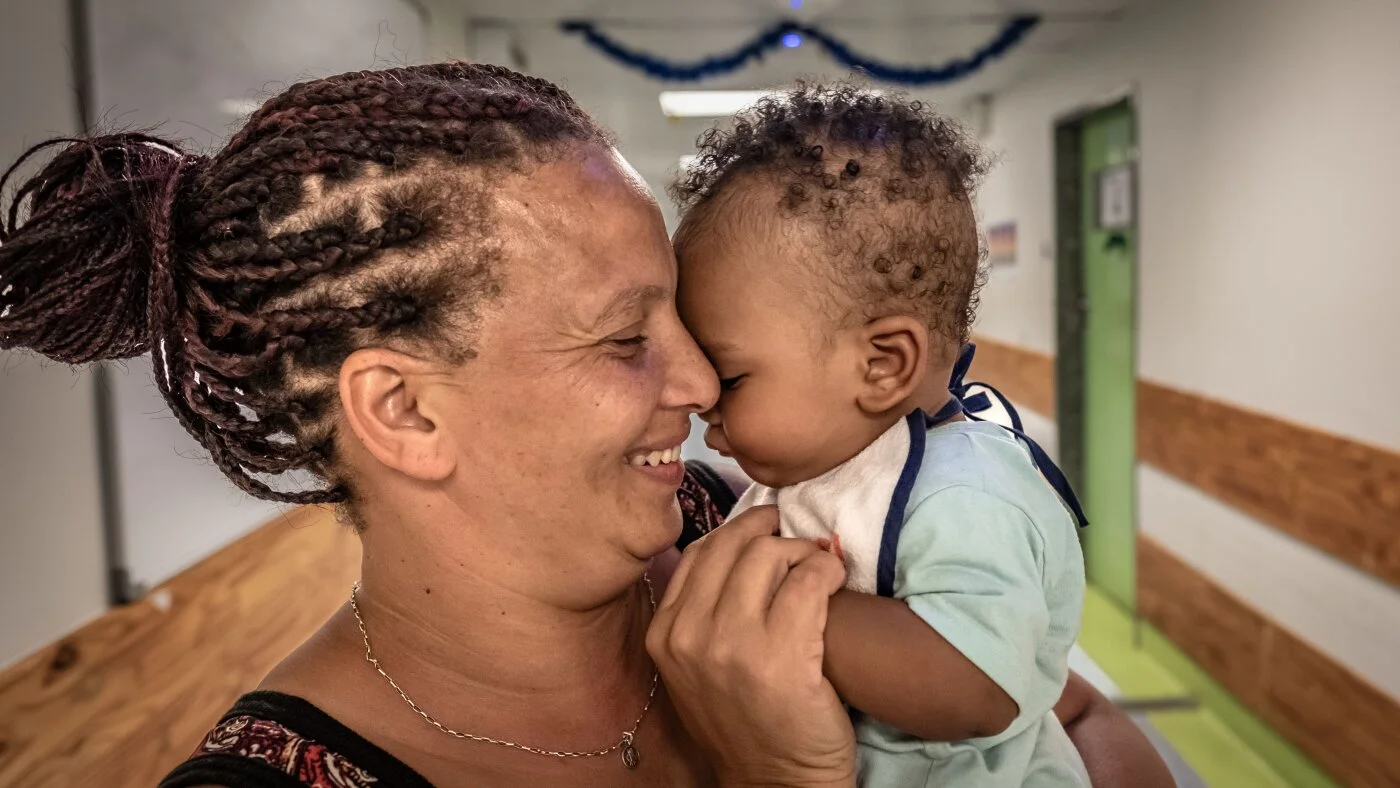
In Harris County, including Houston, Black women face markedly higher pregnancy‑related death and infant mortality rates than white women, driven by social determinants, access gaps, and racial bias. A 2016–2020 study found Black maternal mortality at 83.4 per 100,000 live births—the nation’s highest—while Black infant mortality stood at 11.66 per 1,000. Personal stories, like Moriah Ballard’s fatal preeclampsia and stillborn son, illustrate delayed care, miscommunication, and distrust in the system. Local hospitals and advocates are pushing reforms and funding to expand culturally competent care and improve communication, but experts say racism and systemic gaps must be confronted to save Black mothers and babies.
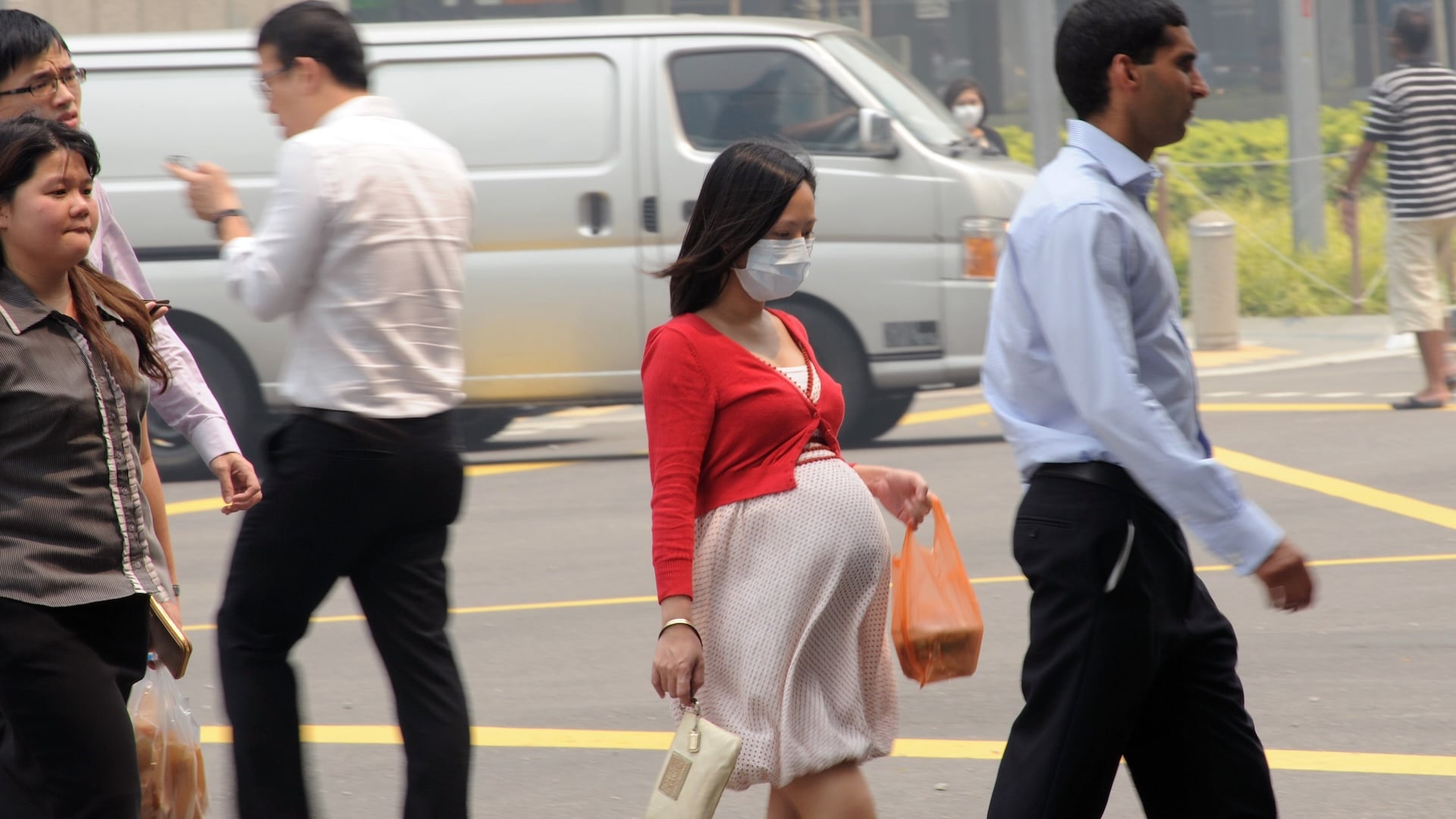
Research indicates that even brief exposure to air pollution can cause structural and inflammatory changes in the placenta, potentially increasing the risk of pregnancy complications like preeclampsia, highlighting the importance of reducing air pollution exposure during pregnancy.
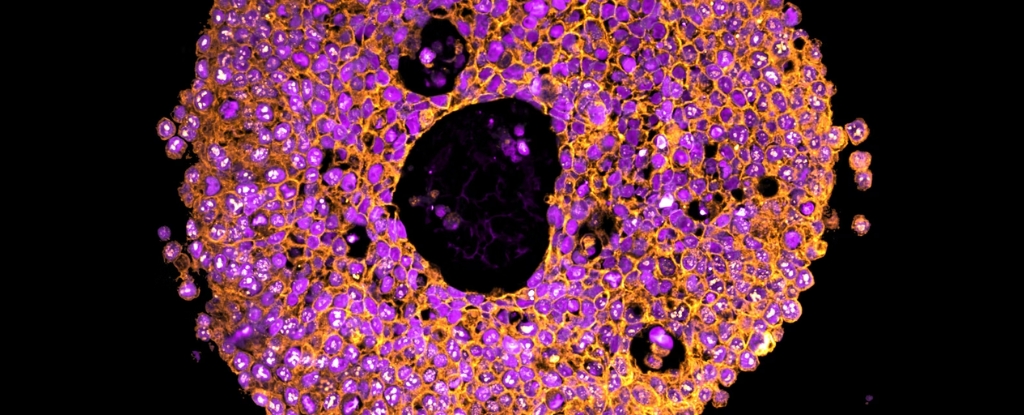
Scientists have created the first 3D-printed mini-placentas, or placental organoids, which mimic early human placental tissue and offer new opportunities for studying pregnancy development and complications like preeclampsia, potentially leading to better prevention and treatment methods.
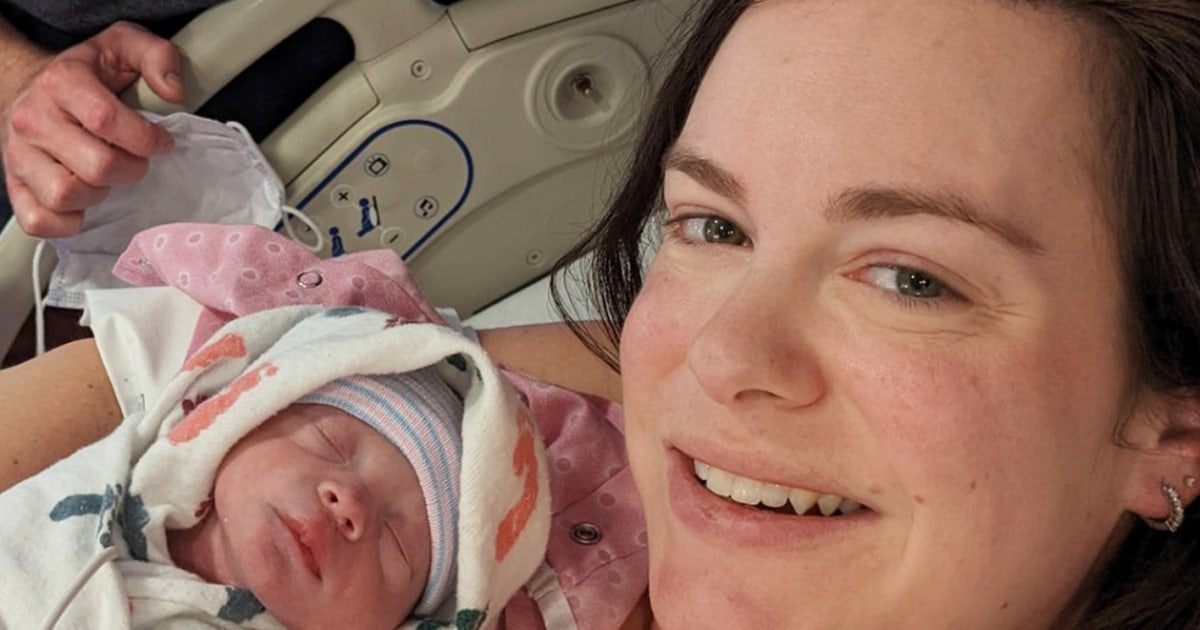
Lindsay Herriott's experience highlights the importance of recognizing serious postpartum complications like preeclampsia, which was initially dismissed as anxiety, but can have life-threatening consequences and long-term health implications.
A 19-year-old Staten Island woman nearly lost her life due to undiagnosed preeclampsia during pregnancy, highlighting the importance of paying attention to symptoms and regular check-ups, as pregnancy-related deaths are rising in the U.S.
Lindsay Orr, a nurse practitioner, experienced severe symptoms of preeclampsia during her pregnancy, but doctors repeatedly dismissed her concerns. Despite her active lifestyle and no family history of the condition, she faced life-threatening complications and was eventually induced at 32 weeks. Orr's experience highlights the importance of self-advocacy in medical care and the need for better diagnostic tools for pregnancy complications.
A baby gorilla named Jameela was delivered via emergency C-section at Fort Worth Zoo due to her mother's preeclampsia, weighing just 3 pounds and 1 ounce. Despite her mother's recovery, Jameela's mother showed no interest in caring for her, leading zookeepers to seek a surrogate in another gorilla named Gracie. The zoo's team is providing round-the-clock care for Jameela, who is now growing and thriving, with hopes that Gracie will serve as a surrogate for the baby gorilla.
Preeclampsia, a dangerous form of high blood pressure during pregnancy, often goes undetected until it's too late, leading to maternal and infant health risks. A new initiative aims to detect and treat preeclampsia earlier, potentially saving lives by prescribing aspirin as a preventive measure. Data on biomarkers could help identify high-risk patients, allowing for closer monitoring and early intervention. The CDC has reported a rise in maternal deaths, particularly among women of color, emphasizing the need for improved detection and treatment of preeclampsia.
A study from the University of Copenhagen found that vegan women have a higher risk of developing life-threatening preeclampsia and having underweight babies, with babies born to vegan mothers being half a pound lighter on average. The research, based on 66,738 Danish pregnancies, also revealed that protein intake was lower among vegetarians and vegans, potentially leading to low birth weight. The study emphasizes the importance of pregnant women, especially those following plant-based diets, to ensure adequate intake of essential nutrients like protein, iron, vitamin B12, vitamin D, calcium, and iodine.
The US Preventive Services Task Force has recommended that all pregnant individuals, especially those without a known diagnosis of a hypertensive disorder, should be screened for high blood pressure disorders such as gestational hypertension and preeclampsia throughout their pregnancy. Hypertensive disorders in pregnancy can be deadly and are on the rise in the United States, particularly affecting communities of color. The task force hopes that increased monitoring will help reduce the risk of undiagnosed or untreated hypertensive disorders among pregnant individuals. The recommendation does not include monitoring blood pressure after pregnancy, as there is currently insufficient evidence to make a recommendation for or against it.
The FDA has approved a groundbreaking blood test that can predict the development of preeclampsia, a potentially life-threatening condition for pregnant women, within two weeks. Preeclampsia, characterized by high blood pressure, can lead to organ failure and seizures. The test, which measures the ratio of two proteins produced by the placenta, has shown up to 96% accuracy in identifying women who will not develop preeclampsia and can be safely discharged from the hospital. However, two-thirds of women who test positive will progress to severe preeclampsia, potentially requiring early delivery of their babies. Preeclampsia disproportionately affects Black women and is a leading cause of maternal deaths.
Certain blood pressure patterns in early pregnancy, when used in conjunction with other risk factors, can accurately predict and stratify the risk of hypertensive disorders of pregnancy, such as preeclampsia and gestational hypertension, regardless of race or ethnicity. Researchers analyzed data from approximately 250,000 pregnant patients and developed six distinct blood pressure trajectories that demonstrated excellent discrimination in identifying patients at risk. Implementing a risk stratification program based on these findings could significantly reduce adverse outcomes for both pregnant individuals and infants. The study highlights the potential for precision care without expensive assessments and could influence practice standards for treatment.
Pregnancy can reveal undiagnosed cardiovascular issues and increase the likelihood of developing heart disease later in life. Nearly 20% of pregnant people develop complications that can damage the heart or blood vessels, such as preeclampsia, gestational diabetes, and premature birth. Cardiovascular diseases are the leading cause of death during pregnancy and in the year after giving birth, accounting for 27% of pregnancy-related deaths. Understanding your risk, creating a plan with your doctor to reduce heart disease risk factors, and prioritizing postpartum care can help prevent heart-related complications.