Charmaine Sahadeo from Trinidad has been diagnosed with NF1 neurofibromatosis, causing painful bubble-like tumours all over her body, including her face and right leg. The condition has worsened over the years, leading to her inability to walk for more than a few minutes and impacting her personal and professional life. Seeking help from Dr. Ryan Osborne in Los Angeles, she faces the prospect of multiple surgeries to remove the tumours, as her condition has reached a critical point.
A Chinese research team has developed a tiny, magnetically controlled soft robot designed to perform embolisation in blood vessel branches, offering a potential solution for treating brain aneurysms and tumours. The robot, about half a millimeter in size, can be steered using magnetic fields and is capable of blocking blood supply to aneurysms and tumours, as well as delivering particles to starve tumours. Initial tests on a model vessel system and rabbit legs showed promising results, although further testing and development are needed.
Cancer spreads through a process called metastasis, where cancer cells lose their adherence and travel through the bloodstream or lymphatic system to form new tumours in other organs. The longer a cancer grows, the more likely it is to metastasize, and early detection is crucial in preventing this spread. Research into new screening programs and potential interventions to target dormant cancer cells offers hope for improved cancer therapies in the future.
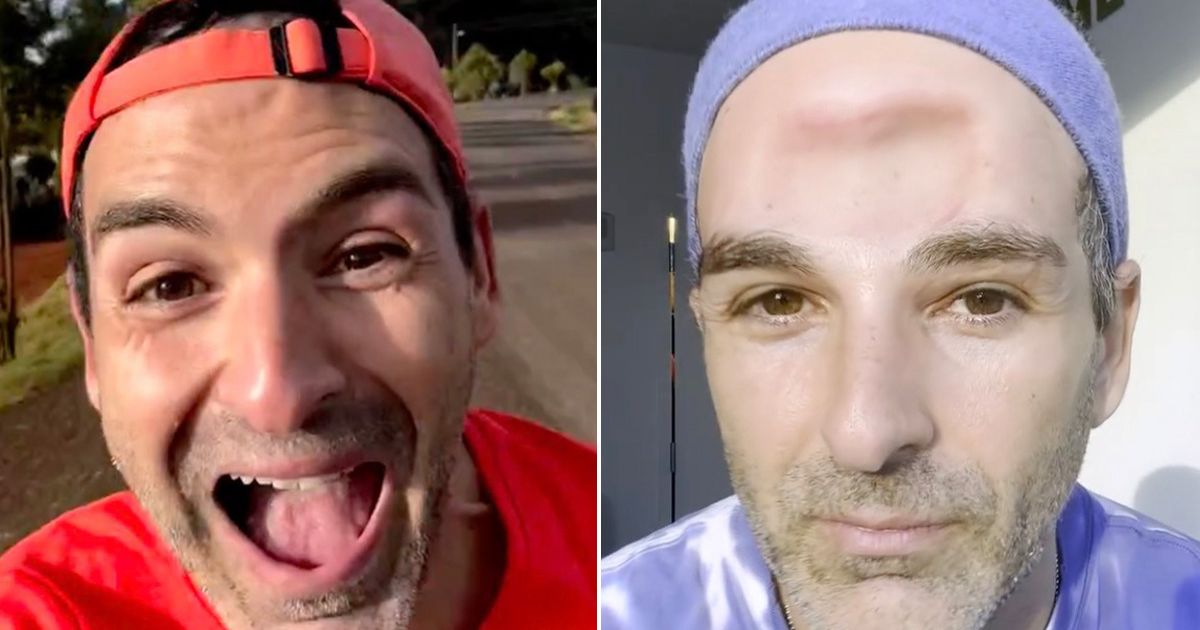
Ido Simyoni, from New York, underwent lifesaving surgery after tumors invaded his forehead due to fibrous dysplasia, a condition where scar-like tissue forms instead of bone and causes benign tumors in the skull. Over the years, he had multiple surgeries to remove tumors, but the replacement bone started shrinking, causing dents in his forehead and an increased risk of brain infections. After experiencing swelling, he underwent two surgeries to remove a tumor and replace his forehead with bone from the top of his skull. Although he came close to dying, he is now recovering and has set a goal to run all six World Major Marathons in 2024.
Scientists at the University of California, Davis Cancer Centre have identified a segment of a protein on the outside of cancer tumour cells that, when activated, causes the cells to self-destruct. This breakthrough discovery could potentially lead to new treatments for cancer, including the use of CAR T-cell therapy to fight against solid tumours. The researchers have identified a section on the receptor that can activate the destruction process when targeted. However, further research is needed to determine the effectiveness of this treatment and its applicability to different types of cancer.
Scientists are discovering that bacteria and fungi can be found inside and around tumours, and their role in cancer development and treatment is being explored. Some bacteria can protect tumours by inactivating chemotherapy drugs, while others may interfere with cancer treatment. Research suggests that tumour-associated bacteria may promote tumour growth, alter the immune system's ability to target cancer cells, and facilitate metastasis. Fungi have also been found in various types of cancer and may manipulate the immune system to promote tumour growth. Understanding the relationship between tumours and the microbes that inhabit them could lead to new approaches in cancer diagnosis and treatment.
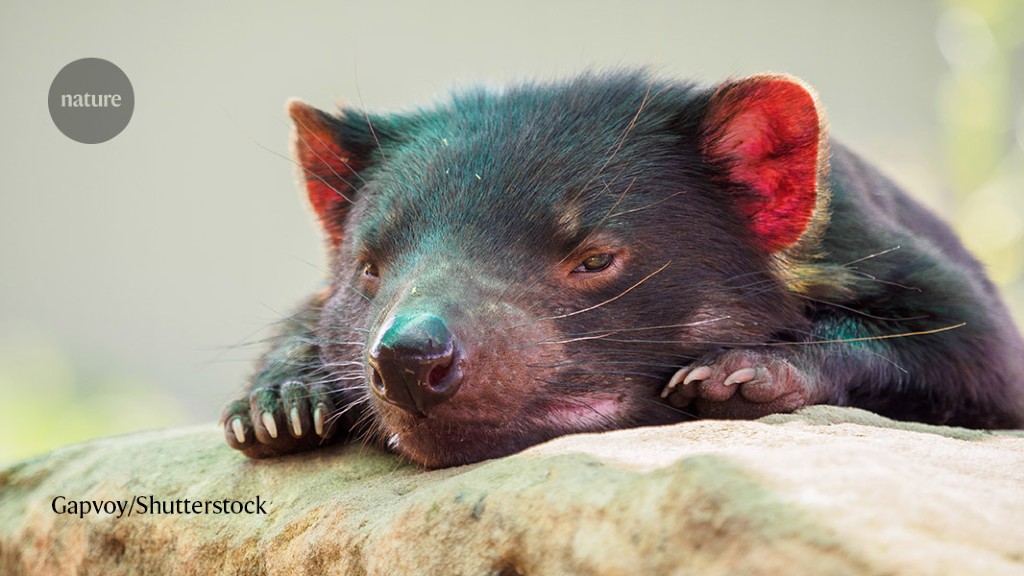
A genetic analysis of Tasmanian devils' contagious facial cancers has been conducted, offering insights into how the diseases emerged, evolved and spread. The study tracked the evolution of devil facial tumour 1 (DFT1) and devil facial tumour 2 (DFT2), which are both spread by biting. The results show that DFT1 emerged in 1986, while DFT2 didn't arise until 2011. The fast-growing DFT2 cancer could shrink the window for infection, leading to more infections that spread faster, giving the cancer and its variants a competitive edge over less transmissible types.
Injecting inactivated samples of the Staphylococcus aureus microbe into the tumour microenvironment flips the protective function of neutrophils, according to researchers from UNSW Sydney and the Garvan Institute of Medical Research. The presence of bacteria stimulated the neutrophils to destroy the tumours, and on exposure to bacteria, neutrophils begin to secrete molecules that will attract fighter T cells as reinforcement. The study also found that microbial therapy is an effective booster for checkpoint inhibitor therapy, leading to better treatments to improve outcomes for patients with advanced or previously untreatable cancers.