A woman advises her husband, who is experiencing ED and has joined an online support group promoting unproven solutions, to seek medical guidance and reconsider their approach to intimacy, emphasizing the importance of professional help and open communication. The article discusses the challenges of aging, the influence of online communities, and the need for honest dialogue and medical intervention for sexual health issues.
Charmaine Sahadeo from Trinidad has been diagnosed with NF1 neurofibromatosis, causing painful bubble-like tumours all over her body, including her face and right leg. The condition has worsened over the years, leading to her inability to walk for more than a few minutes and impacting her personal and professional life. Seeking help from Dr. Ryan Osborne in Los Angeles, she faces the prospect of multiple surgeries to remove the tumours, as her condition has reached a critical point.
A study from Shanghai suggests that consuming two liters of artificially sweetened drinks daily can increase the risk of atrial fibrillation by 20%. Atrial fibrillation, or A-fib, can lead to serious complications such as blood clots and strokes. The study also found that added-sugar beverages raised the risk of A-fib by 10%, while drinking unsweetened juices lowered the risk by 8%. Experts emphasize the importance of a heart-healthy lifestyle, including avoiding artificially sweetened drinks and seeking medical care for symptoms of irregular heartbeat.
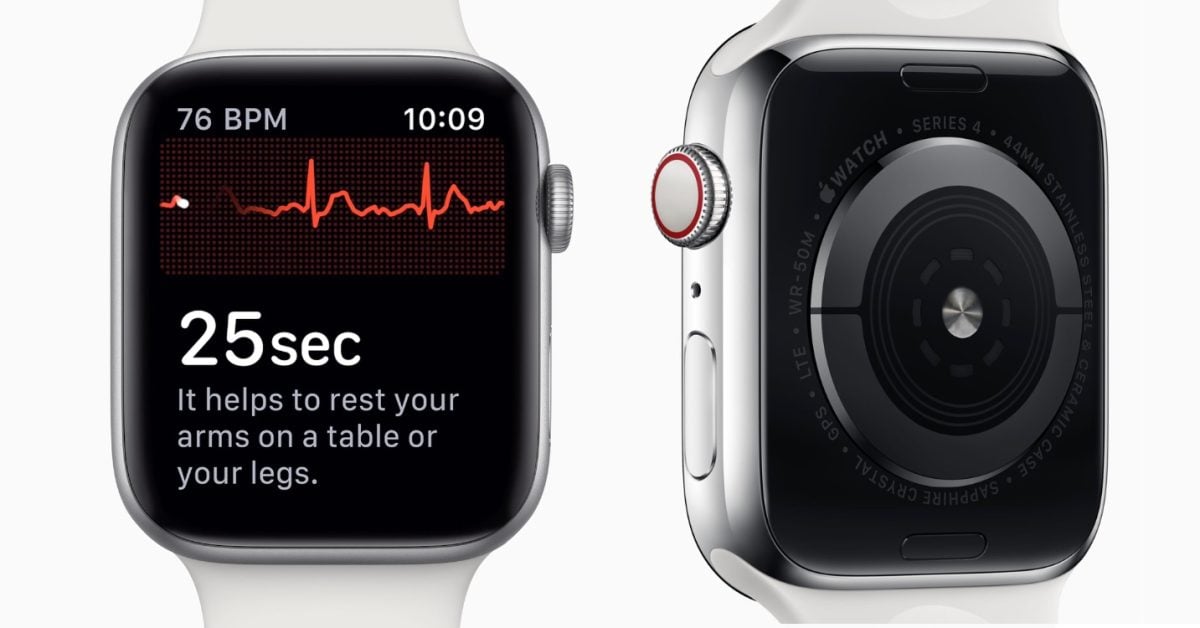
A couple from South Carolina credits the Apple Watch with detecting a silent heart condition in the husband, who received an alert about atrial fibrillation while feeling normal. This early detection allowed him to seek medical attention and receive proper treatment, making the heart condition manageable. The Apple Watch's health monitoring feature has been instrumental in identifying AFib in individuals who may not experience any symptoms, potentially preventing serious complications such as stroke or heart attack.
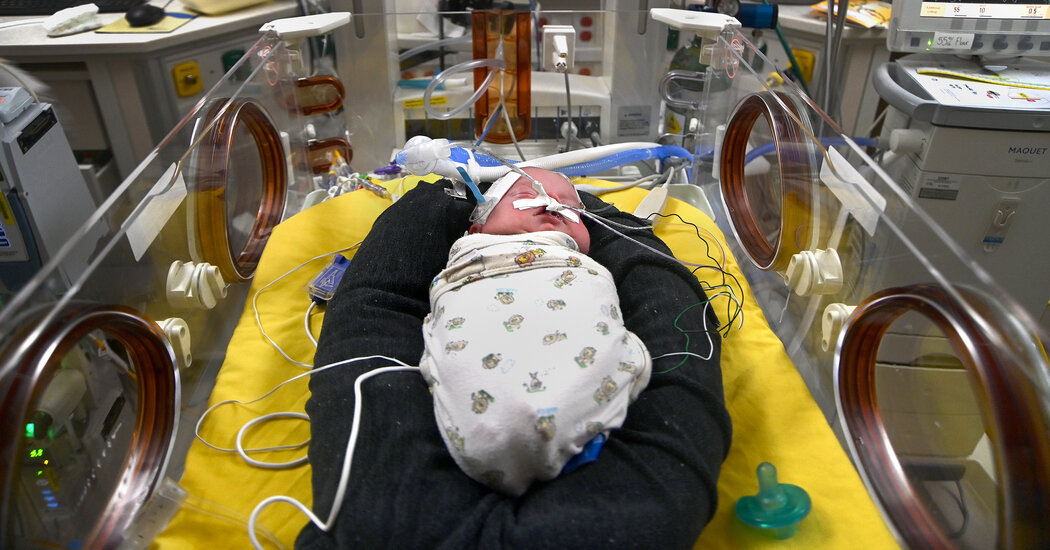
Delayed cord clamping, waiting at least two minutes after birth to clamp the umbilical cord, significantly improves in-hospital survival rates for premature infants, according to new research. This intervention allows umbilical cord blood, rich in iron, stem cells, and antibodies, to flow back to the baby. The American College of Obstetricians and Gynecologists already recommends delaying clamping by 30 to 60 seconds for both full-term and preterm newborns. The new research, published in The Lancet, analyzed studies involving thousands of babies and found that delayed cord clamping reduced in-hospital deaths of preterm newborns by one-third compared to immediate cord clamping. Implementing this low-cost intervention has the potential to save many lives, especially considering the high rates of preterm births worldwide. However, implementing a change in guidelines may be complicated, particularly for cesarean section births that require resuscitation.
A new smartphone app called HearO uses AI to analyze changes in users' voices and predict the risk of hospitalization due to heart failure. By detecting subtle changes that indicate increasing fluid in the lungs, the app was able to predict deterioration and the need for hospitalization three weeks in advance with 76% accuracy. This advanced warning allows doctors to start preventative treatment and potentially save lives. The app has received Breakthrough Device Designation and is on track for FDA approval by 2024.
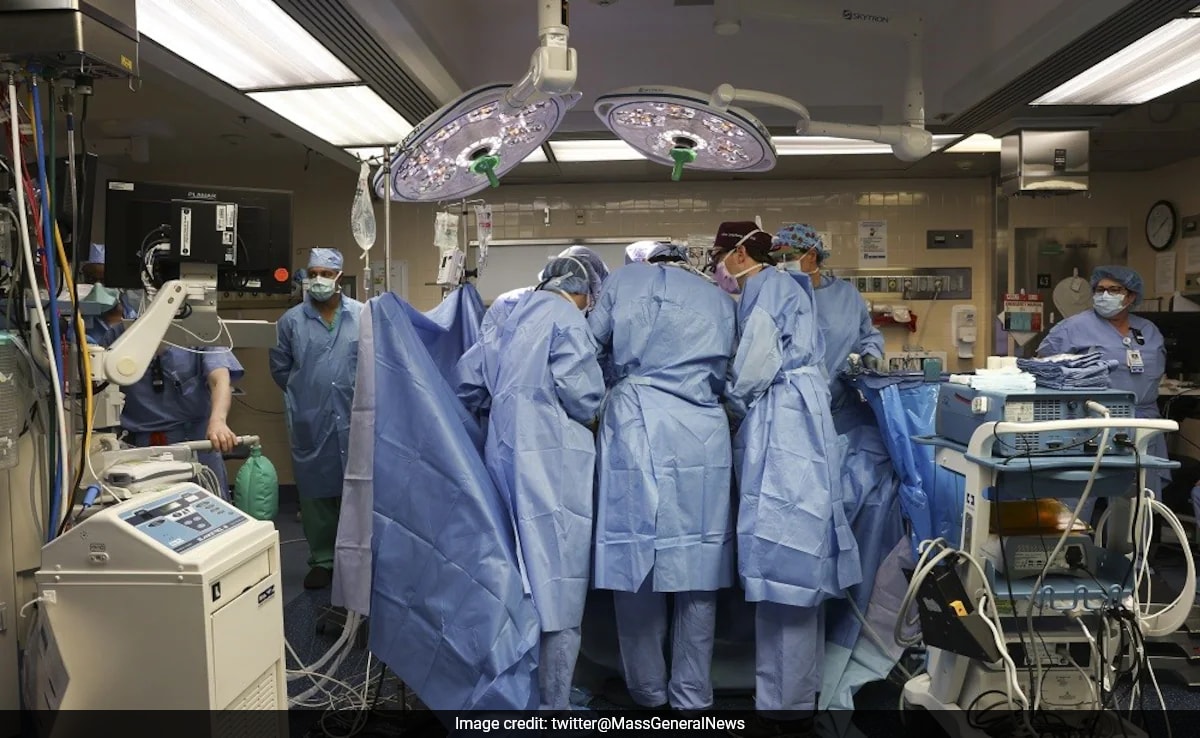
The use of life-saving machines, like the one that saved Ryan Robbins's life, raises difficult ethical questions about the extent of intervention for critically ill patients. Determining when to turn off these machines becomes a tricky decision that requires careful consideration of the patient's condition and quality of life.
The documentary "Every Body" explores the lives of intersex individuals and their experiences with medical intervention and activism. Directed by Julie Cohen, the film features three intersex activists: Alicia Roth Weigel, River Gallo, and Sean Saifa Wall, who share their personal stories and advocate against unnecessary surgeries for intersex children. The documentary sheds light on the often closeted and misunderstood world of intersex individuals, highlighting the need for acceptance and understanding. Cohen, known for her previous documentaries on social justice issues, aims to create both a thought-provoking and empathetic film that challenges societal norms and promotes inclusivity.
Evidence suggests that our bodies are often good at finding and removing cancer cells, and even slow-growing cancers may not pose a real threat. Medical interventions for cancer may not always improve survival rates and can have life-changing repercussions. It can be difficult to make rational decisions based on statistical considerations when faced with a cancer diagnosis. Mathematician Hannah Fry shares her experience of undergoing a radical and aggressive surgery for cervical cancer, which left her with a chronic condition, and questions whether the calculation of risk involved in deciding whether to undertake a specific cancer treatment was made without considering what she really cared about.
Evidence suggests that our bodies are often good at finding and removing cancer cells, and even slow-growing cancers may not pose a real threat. Medical interventions for cancer may not always improve overall survival rates and can have life-changing repercussions. It can be difficult to make rational decisions based on statistical considerations when faced with a cancer diagnosis. The decision to undergo treatment should take into account individual values and preferences.
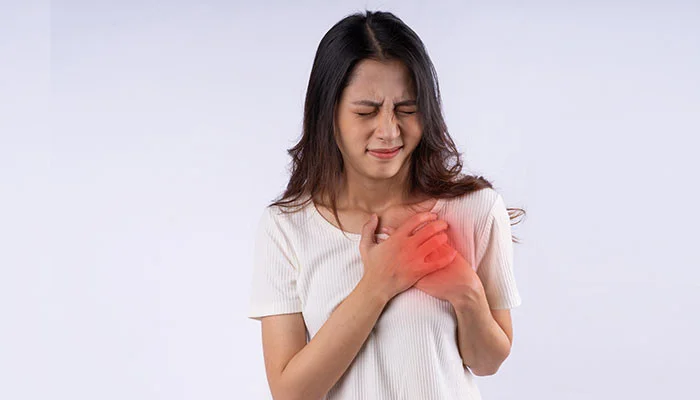
Women face double the risk of death compared to men after a heart attack, according to a recent study. Younger women also experienced delays in receiving treatment upon arrival at the hospital. Women with a fully obstructed coronary artery experienced a worse prognosis during their hospital stay compared to men. The study emphasised the need for increased awareness of the risks of heart disease in women and recommended regular monitoring, strict control of blood pressure, cholesterol levels, and diabetes, as well as referral to cardiac rehabilitation programs.
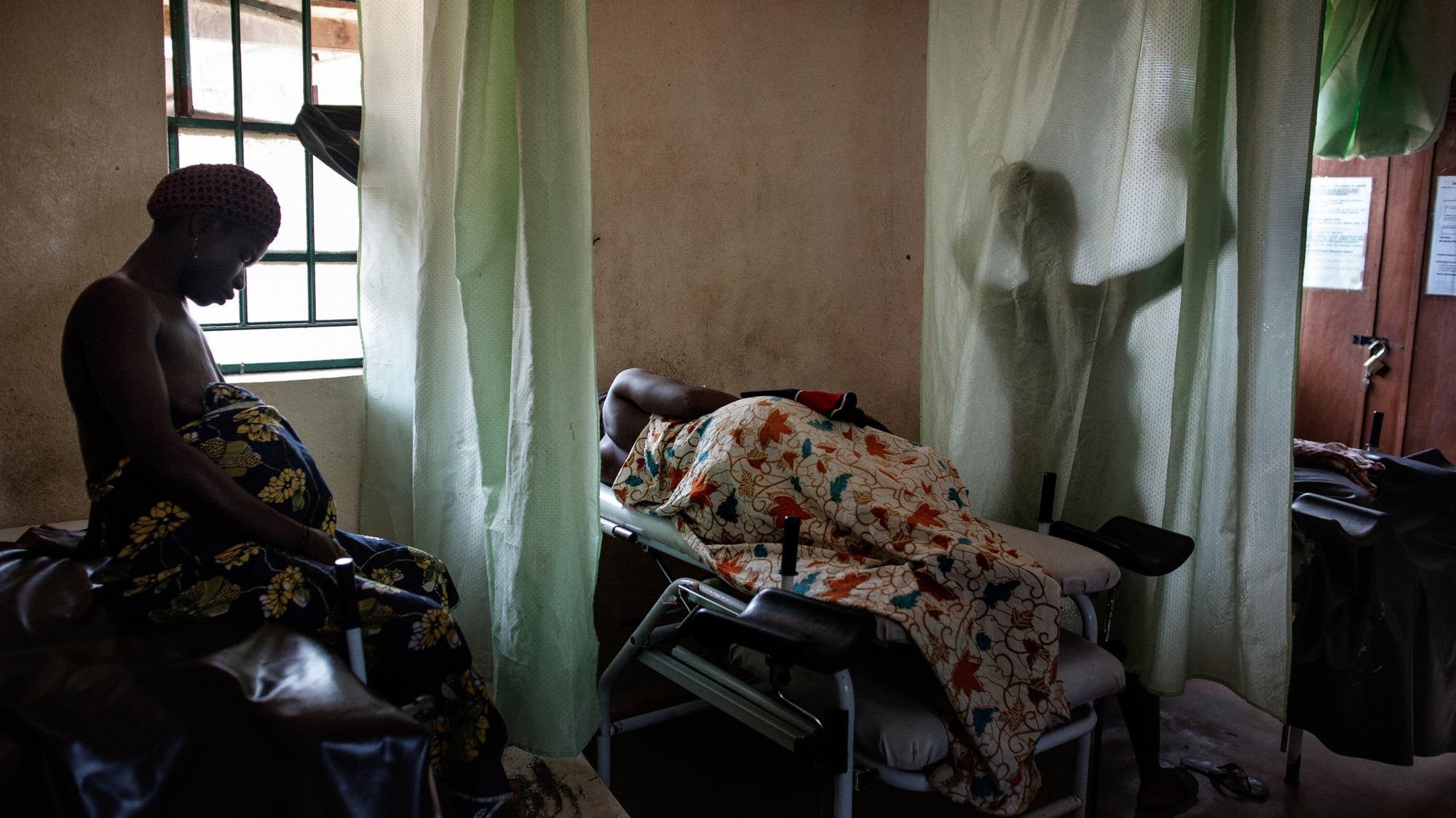
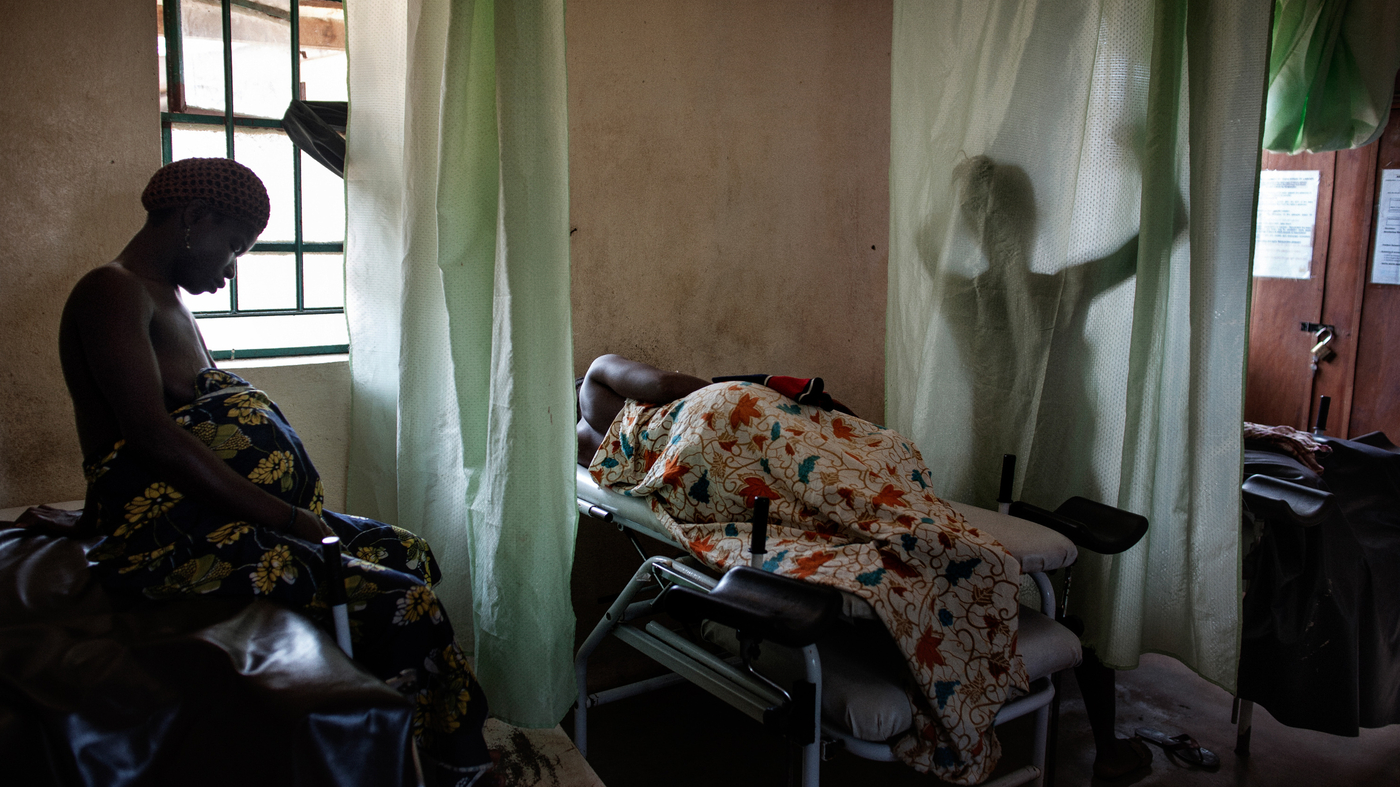
A new study has found that a simple and inexpensive solution can prevent maternal deaths caused by postpartum hemorrhage. The solution involves using a plastic sheet with a small transparent pouch at the end to collect blood, which allows medical teams to quickly assess the amount of blood loss and take swift action. The study, carried out in 80 hospitals across four African countries, used a "drape" to collect and measure blood loss, reducing the number of women experiencing severe bleeding by 60%. The intervention is particularly promising for preventing adolescent maternal deaths, which are the leading cause of death for girls aged 15-19 worldwide.
A new study has found that a simple and inexpensive intervention can prevent maternal deaths caused by postpartum hemorrhage. The intervention involves using a plastic sheet with a small transparent pouch to collect blood, which allows medical teams to quickly gauge the amount of blood loss and take swift action. The study, carried out in 80 hospitals across four African countries, used a "blood collection drape" to collect and measure the amount of blood from women who have just given birth. The device, combined with a bundle of treatment options recommended by the World Health Organization, reduced the number of women experiencing severe bleeding by 60%. The cost of the sheet-with-a-pouch is between $1-2.
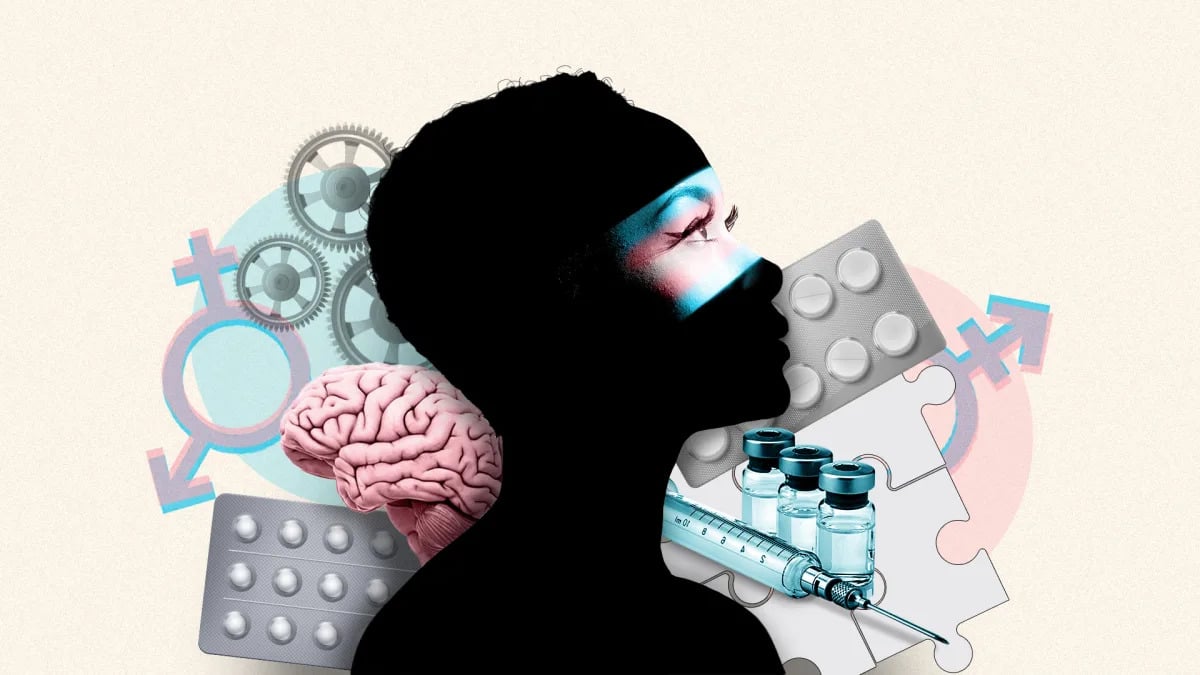
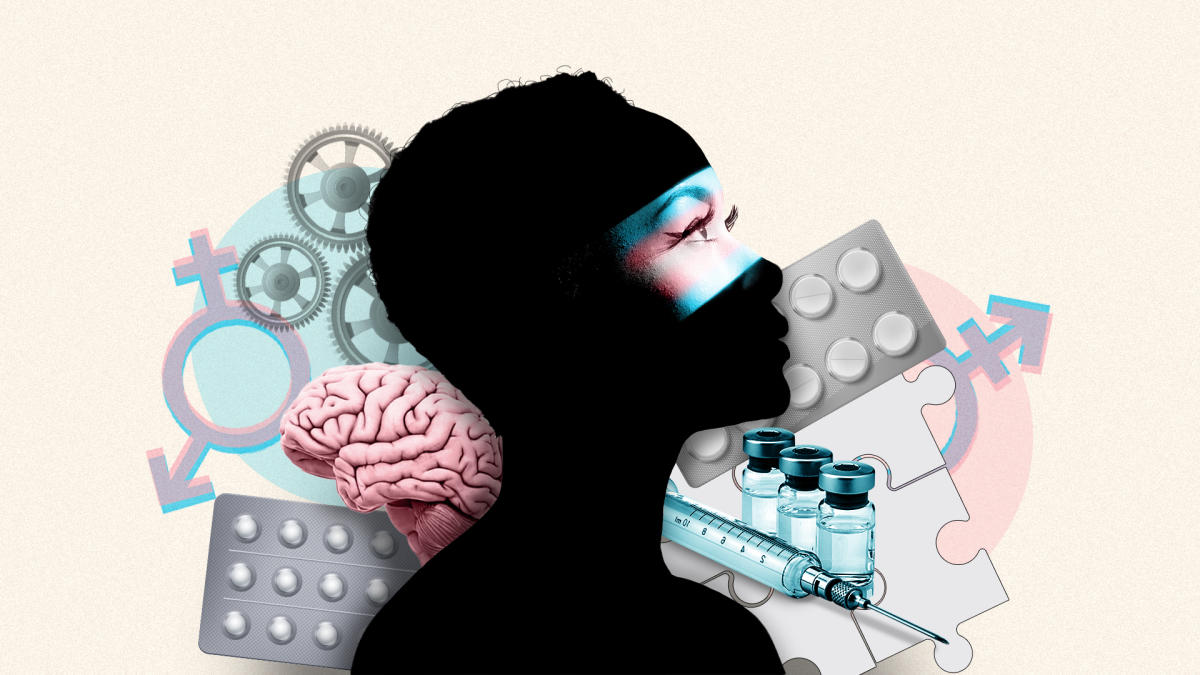
Hormone therapy, also known as gender-affirming hormone therapy, is a medical intervention that involves administering hormones to bring about physical changes in the body that are consistent with one's gender identity. It has been used for decades to treat gender dysphoria, but has recently been shrouded in controversy, with 17 states banning gender-affirming hormones for minors who are transgender or nonbinary. Hormone therapy has been associated with lower risks of suicide among trans youth and is supported by many leading healthcare organizations. However, it may have irreversible side effects later in life, and experiencing the change to one's body in real time can be shocking and triggering for some.
Hormone therapy, also known as gender-affirming hormone therapy, is a medical intervention that involves administering hormones to bring about physical changes in the body that are consistent with one's gender identity. It has been used for gender transitions since the early 20th century and is associated with lower risks of suicide among trans youth. While it has been controversial, supporters argue that the mental-health benefits far outweigh any potential medical risks. However, anti-trans sentiment has led to increased harassment against physicians who practice trans health care, and many trans patients are anxious about the possibility of politicians taking away their "life-saving treatment."