
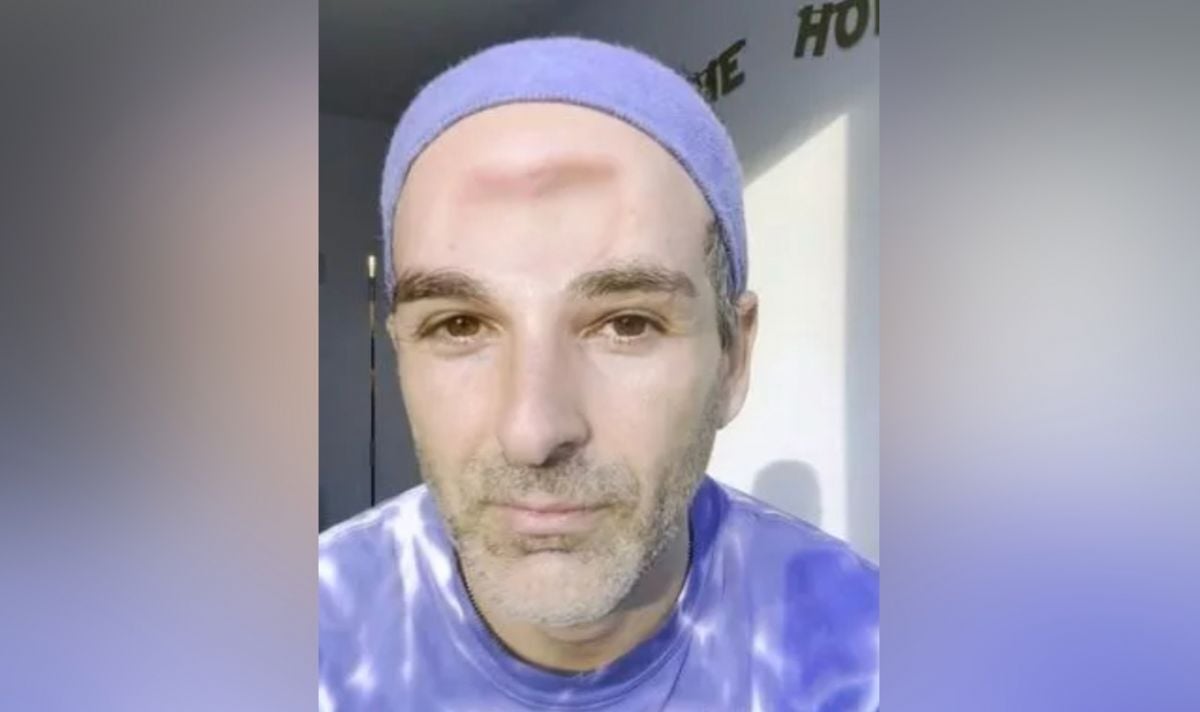
Ido Simyoni, a man from New York, underwent surgery to remove multiple tumors in his forehead caused by fibrous dysplasia, a condition that causes scar-like tissue to form instead of normal bone. The surgery left him with a large dent in his forehead, but he is grateful to be alive. Ido had been living with the condition since he was 15 years old and had previously undergone surgery at 17 to remove a tumor near his brain. After experiencing swelling last year, he underwent two more surgeries to remove a tumor and replace his forehead bone. Despite the challenges, Ido is now on the mend and plans to run all six World Major Marathons in 2024.
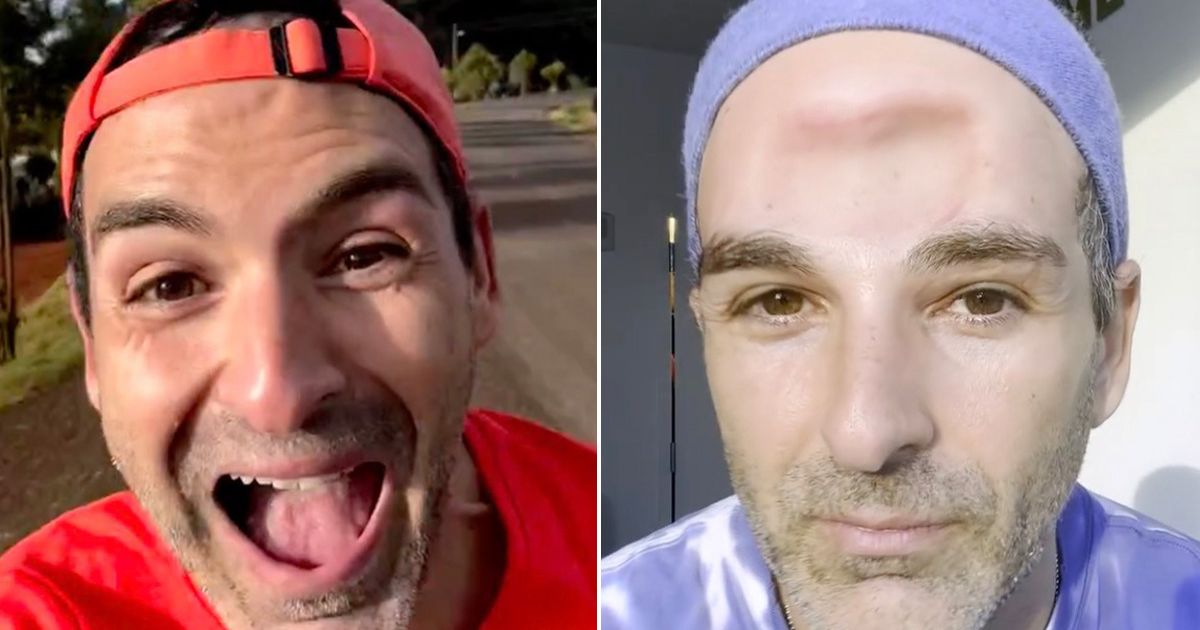
Ido Simyoni, from New York, underwent lifesaving surgery after tumors invaded his forehead due to fibrous dysplasia, a condition where scar-like tissue forms instead of bone and causes benign tumors in the skull. Over the years, he had multiple surgeries to remove tumors, but the replacement bone started shrinking, causing dents in his forehead and an increased risk of brain infections. After experiencing swelling, he underwent two surgeries to remove a tumor and replace his forehead with bone from the top of his skull. Although he came close to dying, he is now recovering and has set a goal to run all six World Major Marathons in 2024.
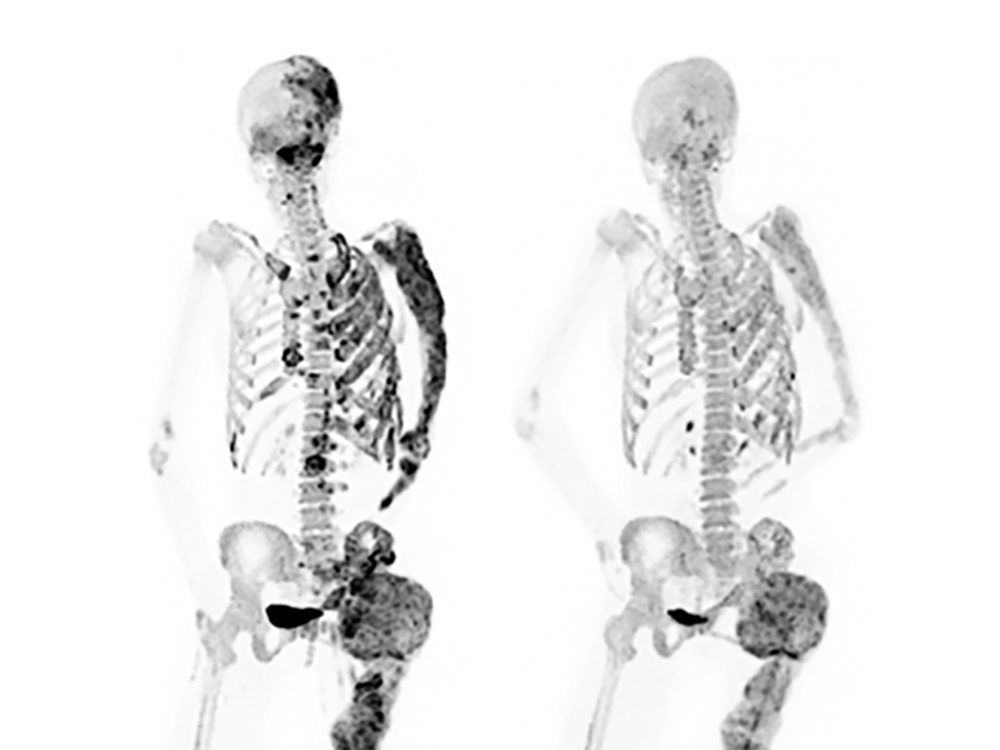
A clinical trial conducted by the National Institutes of Health (NIH) has found that denosumab, a medication used to treat bone problems from osteoporosis and cancer, significantly reduced abnormal bone turnover in adults with fibrous dysplasia, a rare disease marked by weak and misshapen bones. The study of eight participants showed that denosumab may improve patients’ quality of life by enabling healthy bone formation. However, abnormal bone turnover returned for all but one of the patients after they stopped taking the medication, indicating that clinicians must factor in these risks when treating patients.