Tag

Protein

All articles tagged with #protein

Weight and protein, not meat avoidance, influence 100-year odds for those over 80
health-and-medicine1 day ago

Weight and protein, not meat avoidance, influence 100-year odds for those over 80

A Chinese study of more than 5,000 adults aged 80 or older found that non-meat eaters were less likely to reach 100, but this only applied to participants who were underweight. Those who included modest amounts of animal-source foods such as fish, eggs, or dairy had similar odds of becoming centenarians as meat eaters, suggesting that maintaining adequate protein and key nutrients to prevent malnutrition and loss of lean mass is crucial in late life. The study is observational, so it shows associations rather than causation, and it emphasizes that nutrition needs change with age: for the very old, sustaining muscle and preventing frailty may matter more than long-term disease prevention.
Protein demystified: how much you need and where it comes from
health6 days ago

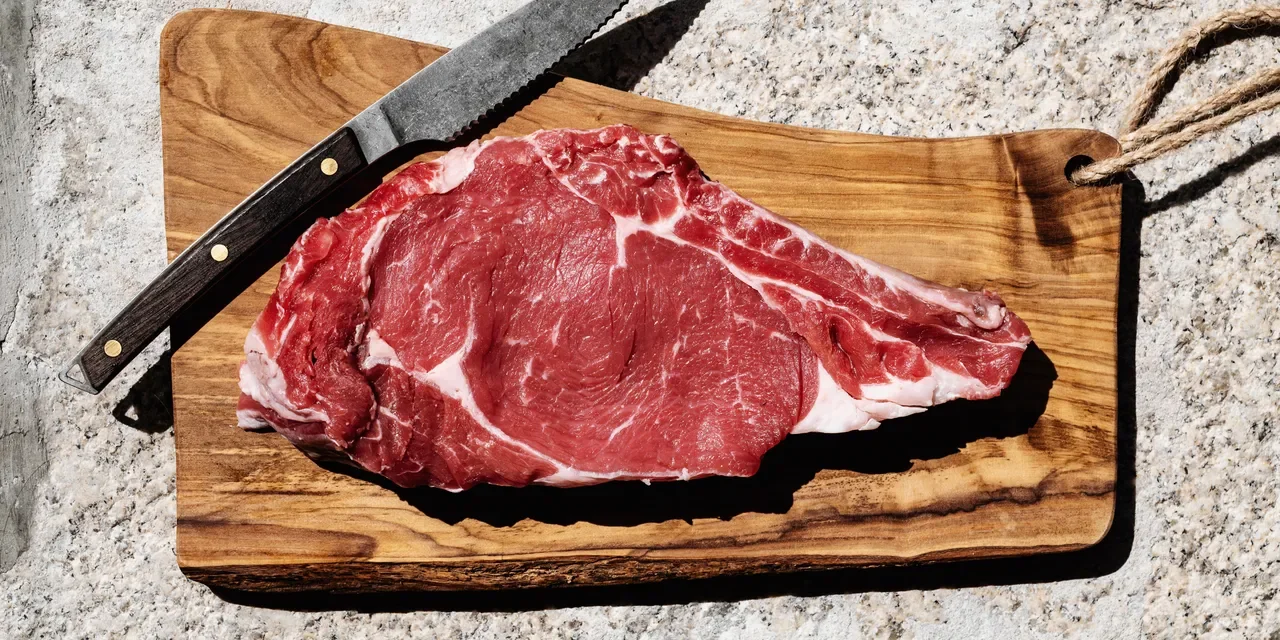
Protein demystified: how much you need and where it comes from

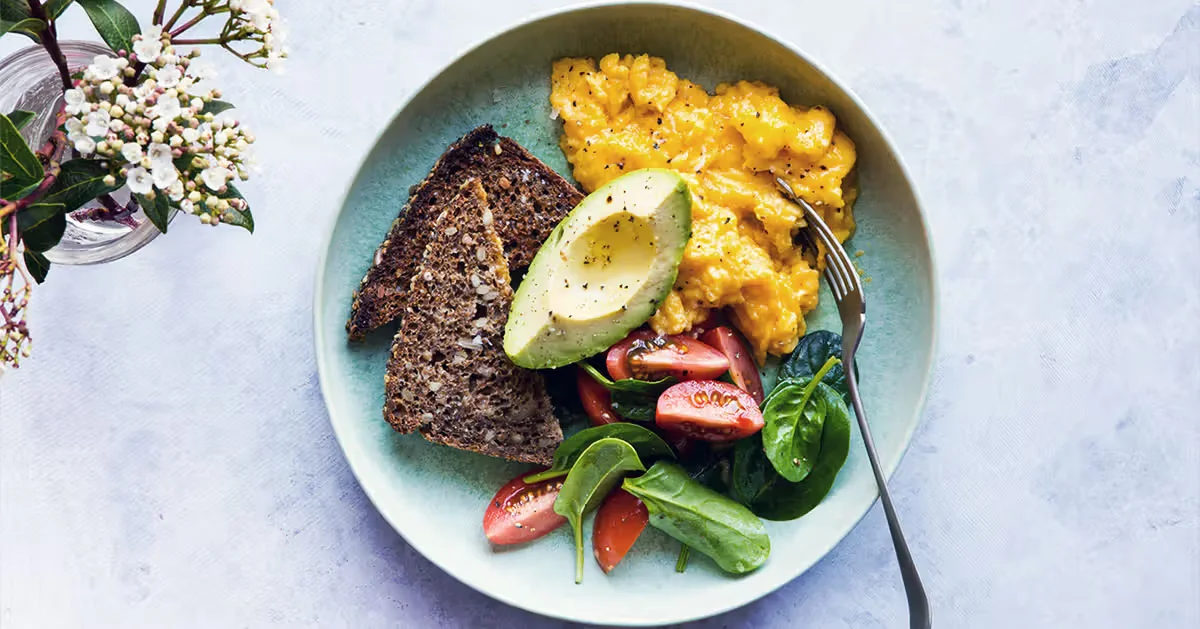
Dietitians explain that new federal guidelines encourage steady protein every meal, totaling roughly 1.2–1.6 g/kg daily, but most experts still aim for about 0.8 g/kg depending on age, activity, and life stage. The piece covers protein sources (meat, dairy, beans, lentils, tofu, quinoa) and offers practical gram examples for common foods; it also notes that too much protein can crowd out fiber and other nutrients and may pose risks for kidney health and heart disease, so balance and variety are key.

Period Steak Myth Debunked: Iron, Cramps, and Real Dietary Help
nutrition8 days ago

Period Steak Myth Debunked: Iron, Cramps, and Real Dietary Help

Experts say a single steak around your period won’t quickly replenish iron lost to menstruation—iron absorption is partial and stores reflect weeks of intake, not a single meal. Cramps are mainly driven by prostaglandins and other factors, so an iron boost from one steak is unlikely to stop pain. While higher protein can support energy and overall well-being during periods, it isn’t a cramp cure; the key is consistently meeting iron and protein needs over time, not front-loading one meal.

Gen Z’s Sardine Surge: The Budget-Protein Trend Goes Mainstream
lifestyle8 days ago

Gen Z’s Sardine Surge: The Budget-Protein Trend Goes Mainstream

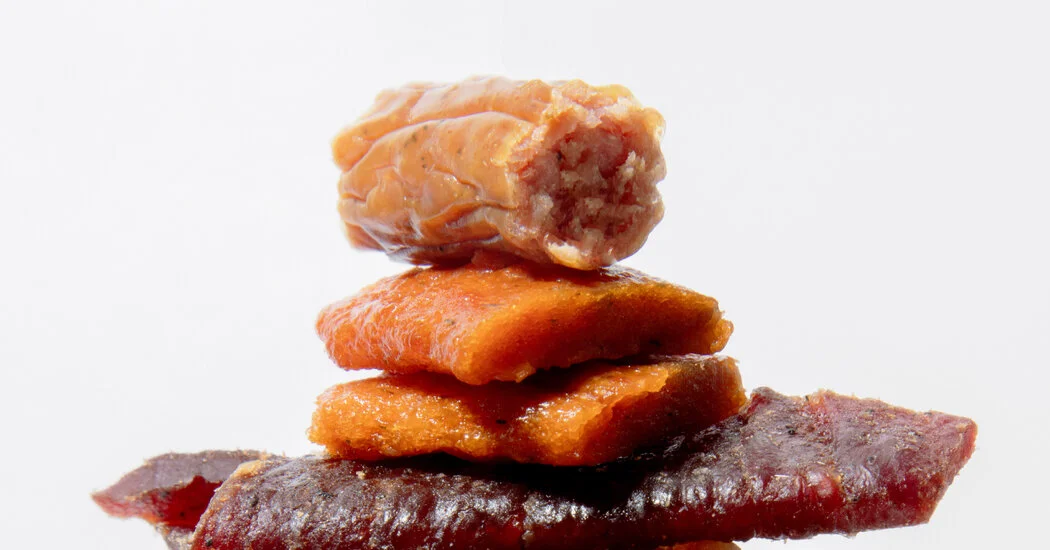
Gen Z is driving a sardines craze, linking affordable, high-protein meals with wellness aesthetics and savvy marketing to a broader TikTok-driven trend. Nutritionists caution about sodium and additives, but fans see canned fish as a sustainable, global-food-culture moment that echoes traditional coastal cuisines and fits a busy, budget-conscious lifestyle.

Front-loading calories at breakfast linked to weight loss in small study
health9 days ago

Front-loading calories at breakfast linked to weight loss in small study

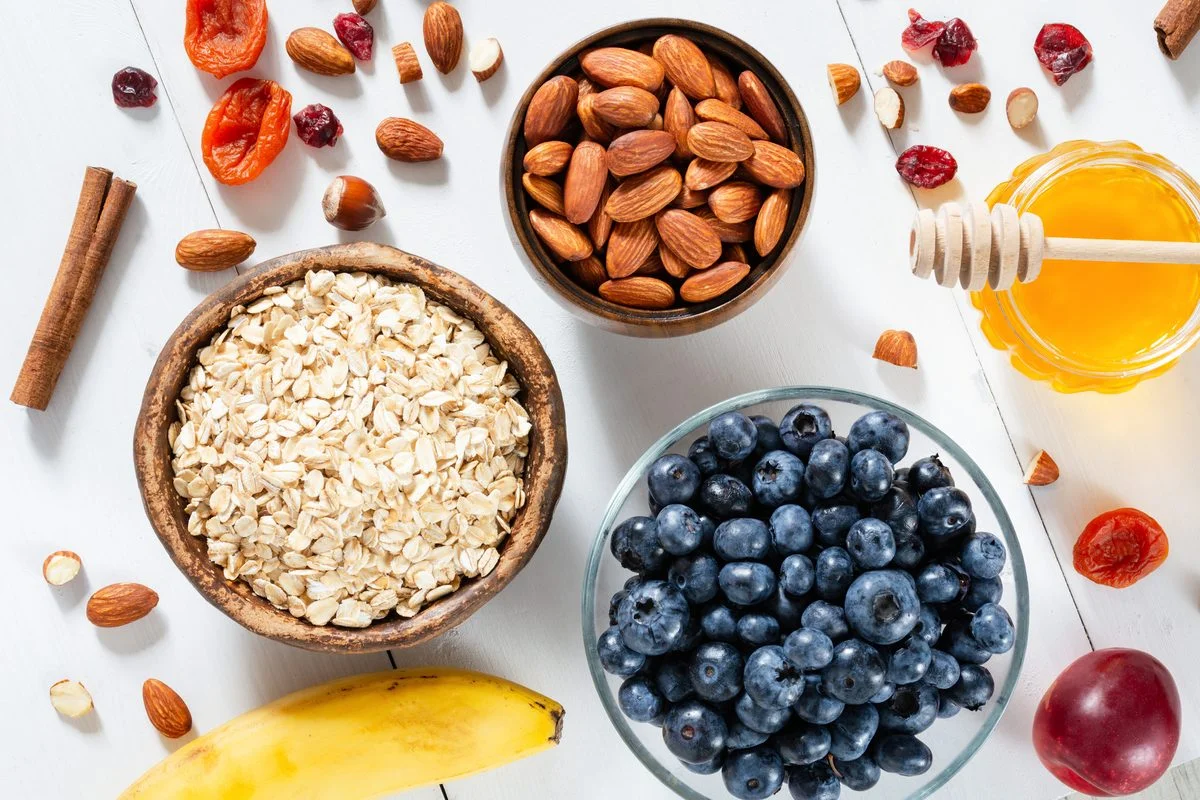
A small randomized crossover trial in adults with overweight/obesity found that eating 45% of daily calories at a large breakfast and 20% at dinner led to weight loss over 28 days, with two plan variants—high-protein (less hungry) and high-fiber (slightly more weight loss and greater gut microbiome diversity). The high-fiber group lost about 4.87 kg and the high-protein group about 3.87 kg; both improved blood pressure and lipids. Limitations include a small, mostly male sample and short duration, so longer, larger studies are needed, with personalization and consideration of circadian factors.

Sunflower By-Product Elevates Bread Nutrition and Sustainability
science12 days ago

Sunflower By-Product Elevates Bread Nutrition and Sustainability

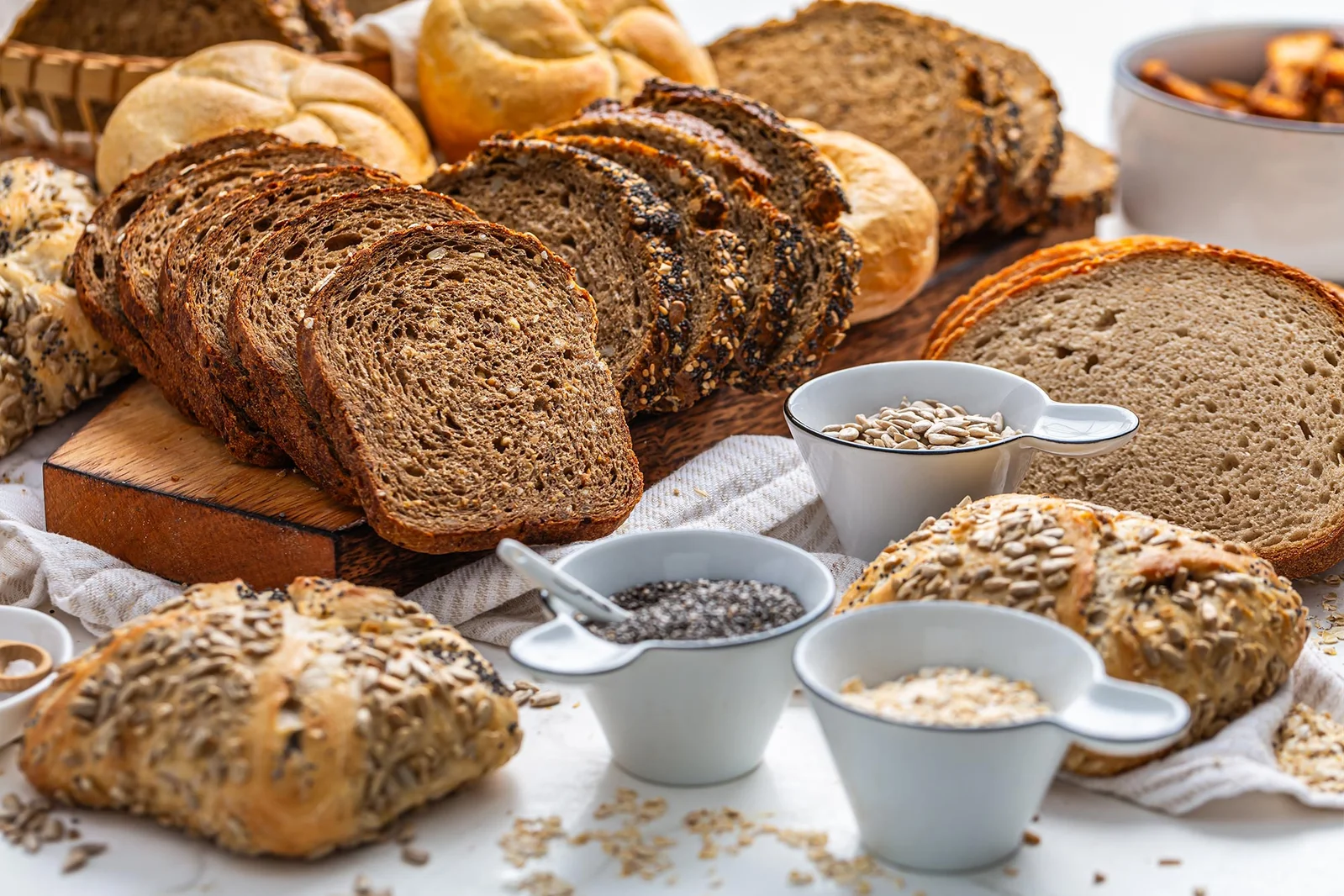
Researchers found that partially defatted sunflower seed flour, a by-product of sunflower oil production, can replace 10%–60% of wheat flour in bread, significantly raising protein and fiber (up to 27.16% protein) and antioxidant levels, while also inhibiting α-amylase and pancreatic lipase; however, higher substitution can make loaves denser, though using an aqueous extract of the flour helped preserve texture, presenting a promising, cost-effective way to valorize a waste product and support a circular economy.

A Week of Cottage Cheese: Daily Dairy, Big Nutrition Wins
nutrition24 days ago

A Week of Cottage Cheese: Daily Dairy, Big Nutrition Wins

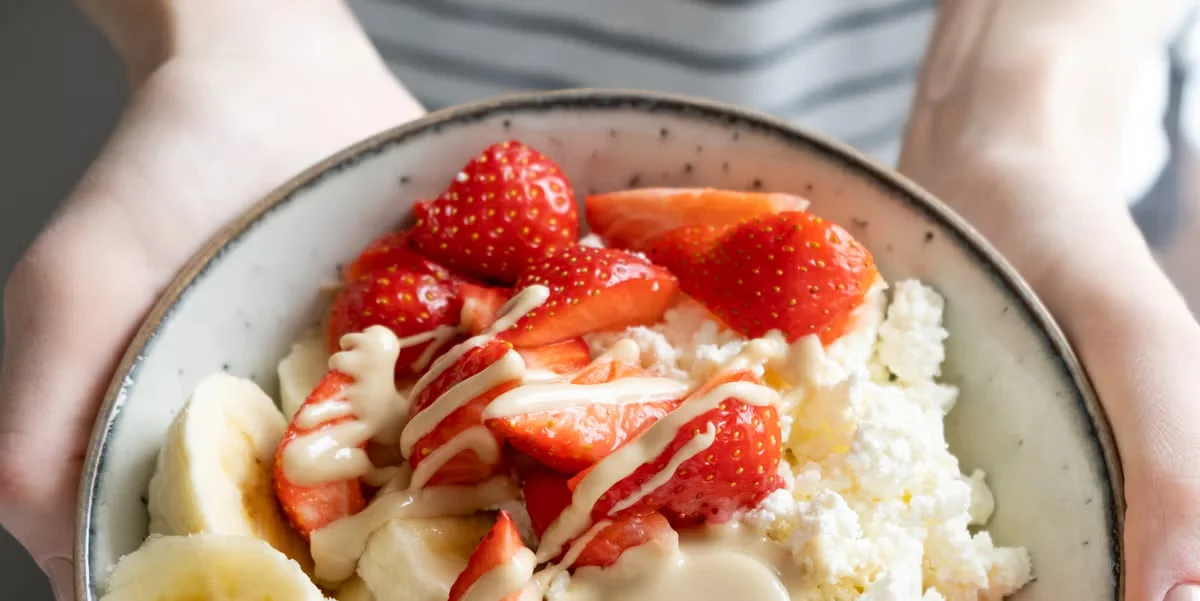
A dietitian spends a week eating cottage cheese daily and finds it a protein-packed, versatile food that supports fullness, bone health (calcium and phosphorus), and B vitamin intake; while practical benefits can accumulate over time, be mindful of sodium content and individual concerns (milk allergy, salt sensitivity, histamine issues, kidney disease). Overall, it's a nutritious, practical addition to many diets.

Daily Moves to Rebuild Muscle After 55 Without Heavy Lifting
mind-body28 days ago

Daily Moves to Rebuild Muscle After 55 Without Heavy Lifting

Six short, low‑intensity daily exercises—sit-to-stand, Romanian deadlift with dumbbells or body weight, wall push-ups, seated band row, calf raises, and Pilates bridges—can help adults 55+ rebuild muscle faster than heavy weight training when paired with adequate protein (20–40 g per meal), quality sleep, and inflammation management, delivered in 10–25 minute sessions to progressively load muscles and joints.

Balanced Bites: Breast vs Thigh — What Dietitians Say is Healthier
health28 days ago

Balanced Bites: Breast vs Thigh — What Dietitians Say is Healthier

Dietitians say both cuts are strong protein choices. Chicken breast is lean and low-calorie, rich in B6 and niacin, ideal for weight-conscious meals but may be less filling if eaten alone. Chicken thighs provide more iron and zinc and aid fullness thanks to their fat, but come with more calories and saturated fat. For most people, rotating cuts and choosing skinless breast for weight loss, while using thighs for satiety and mineral variety, offers the best balance.

Protein May Fill You Up, But It Isn’t a Magic Weight-Loss Fix
health1 month ago

Protein May Fill You Up, But It Isn’t a Magic Weight-Loss Fix

Experts say higher-protein meals can increase fullness for about 3–4 hours and may modestly help with weight loss, but the effect is small and not guaranteed long-term. Protein is just one factor affecting appetite—the mood, genetics, and food environment matter too. For lasting fullness and health, prioritize protein from whole foods paired with fiber, aiming for about 20–30 g of protein and at least 8 g of fiber per meal, and include resistance training to preserve lean mass.

Protein Hype Meets Reality: How Much Do You Really Need?
health1 month ago

Protein Hype Meets Reality: How Much Do You Really Need?

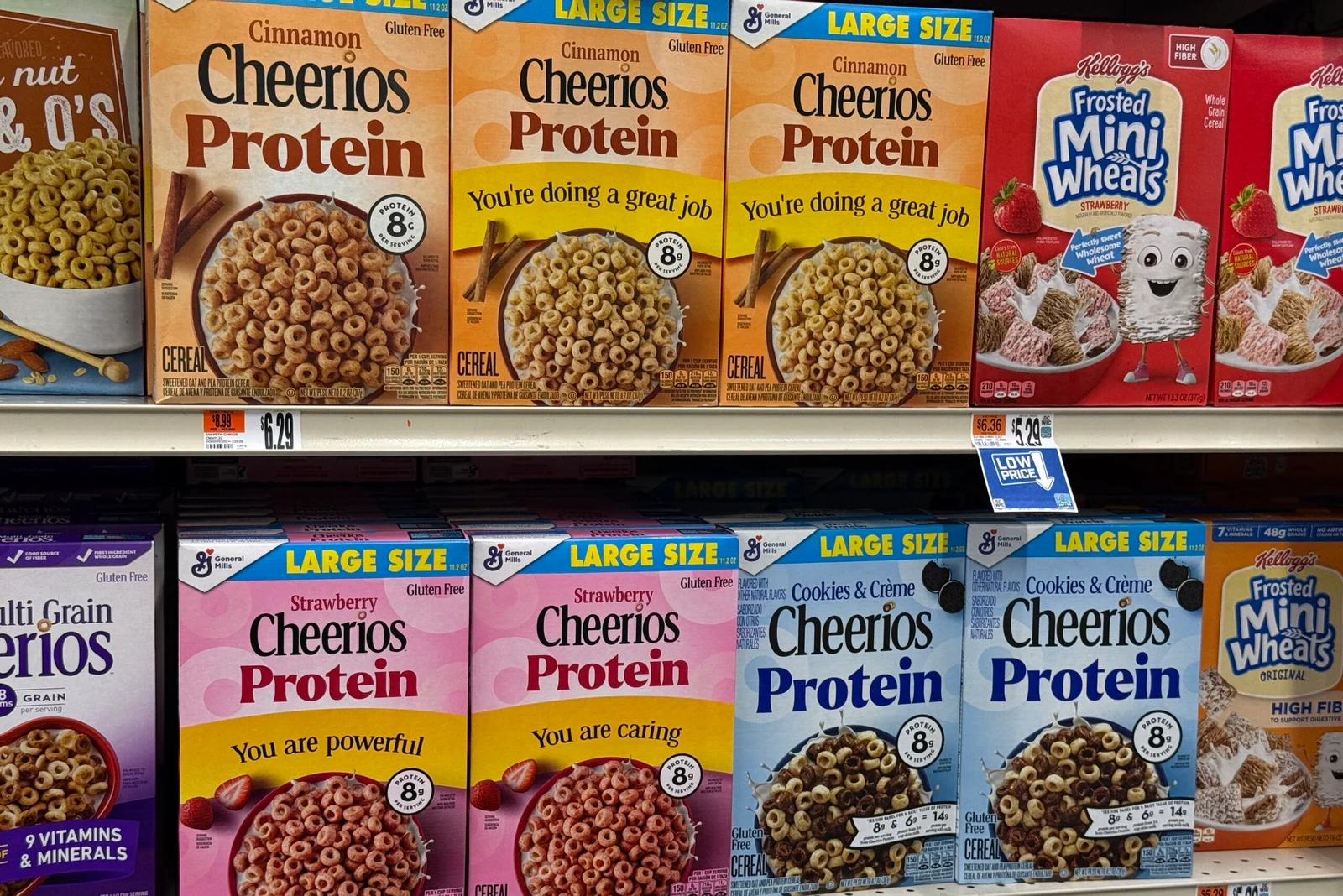
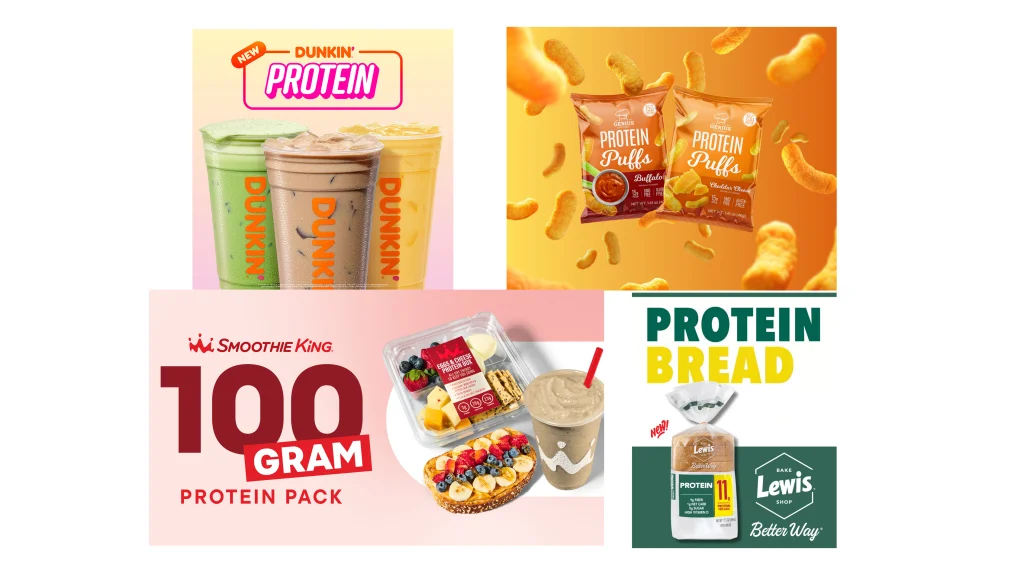
The latest U.S. dietary guidelines raise the recommended daily protein intake by 50% to 100% above prior levels, but most Americans already meet these needs. Experts emphasize choosing high-quality protein sources and maintaining a balanced diet with carbohydrates and fats, while recognizing individual needs based on weight, activity, and health. Food brands are increasingly marketing protein-forward products, which can mislead; consumers should watch for added sugars and additives. Excess protein isn’t risky for healthy people, but could be problematic for kidney or liver disease and may crowd out other nutrients.