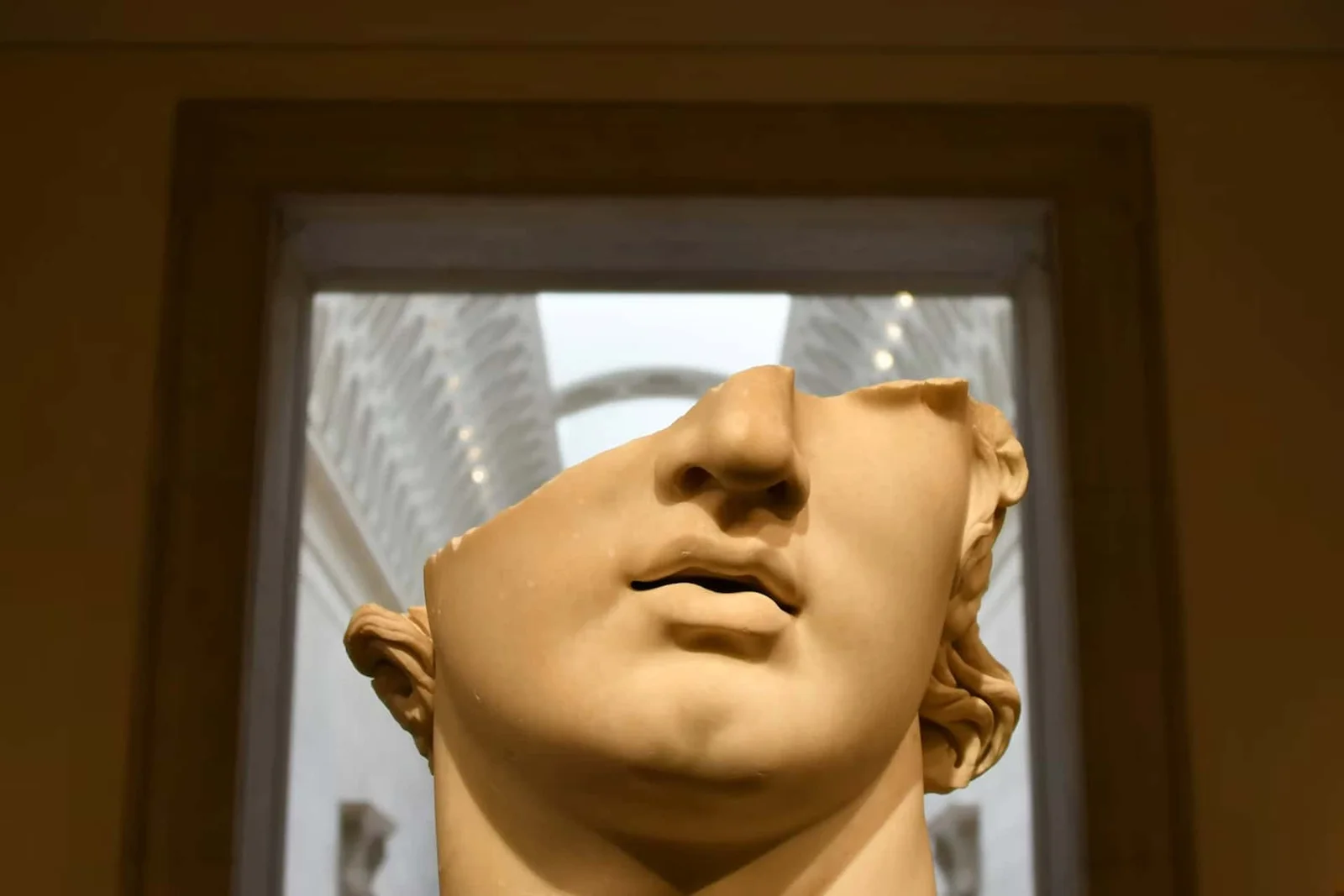
A new study suggests the human chin didn’t evolve for a specific function but emerged as an incidental byproduct—or spandrel—of other skull changes, meaning natural selection may have shaped surrounding structures rather than the chin itself.
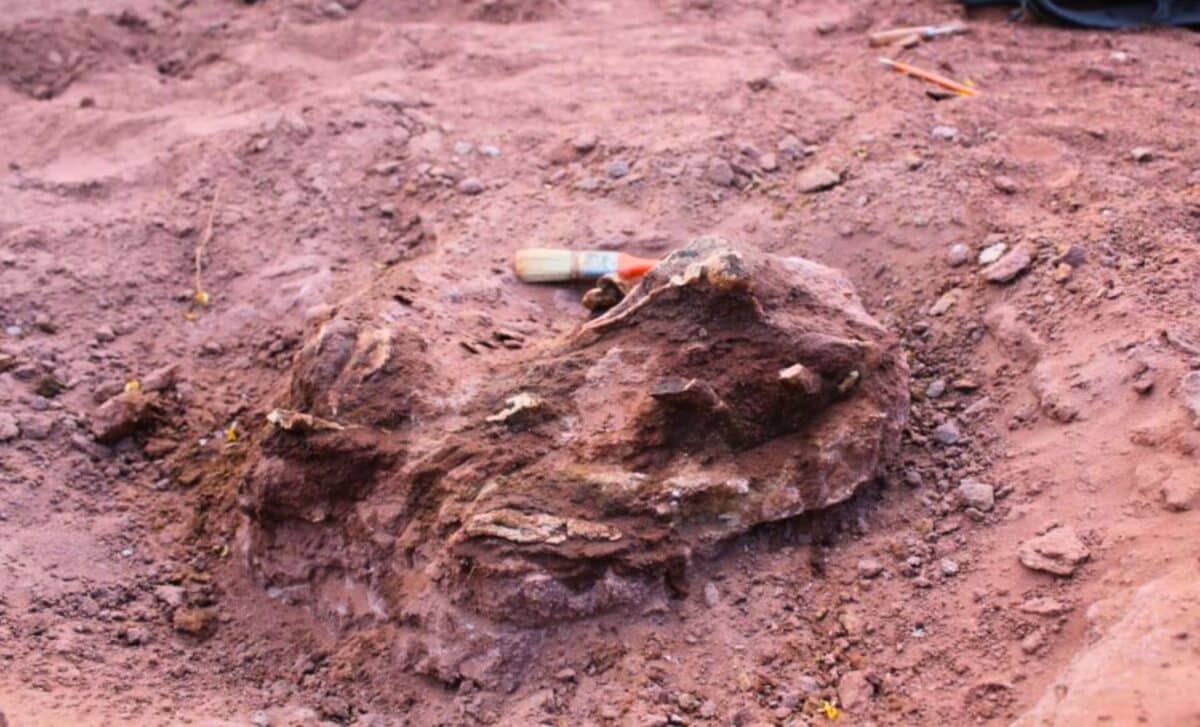
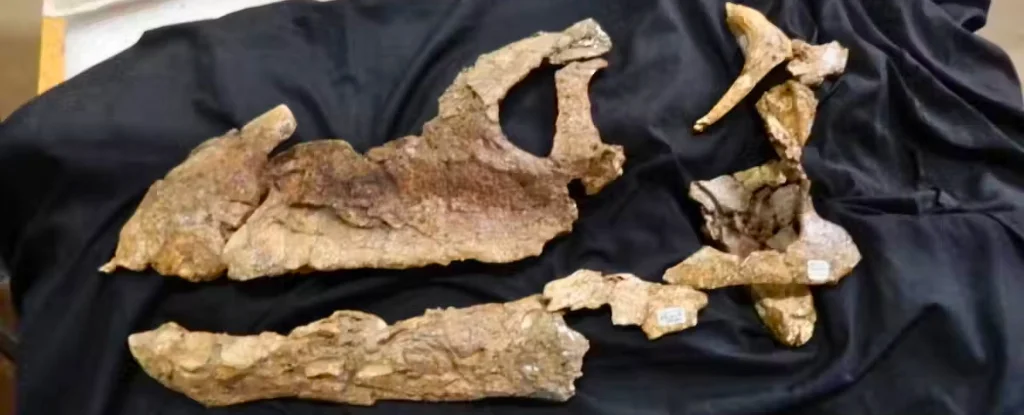
A newly discovered 80-million-year-old predatory dinosaur in Argentina, named Llukalkan aliocranianus, features an unusual short, horned skull with cavities that likely enhanced its hearing, suggesting it was a highly capable predator with unique evolutionary traits. The well-preserved fossil was found during a broader excavation and offers insights into the diversity of late-Cretaceous South American ecosystems.
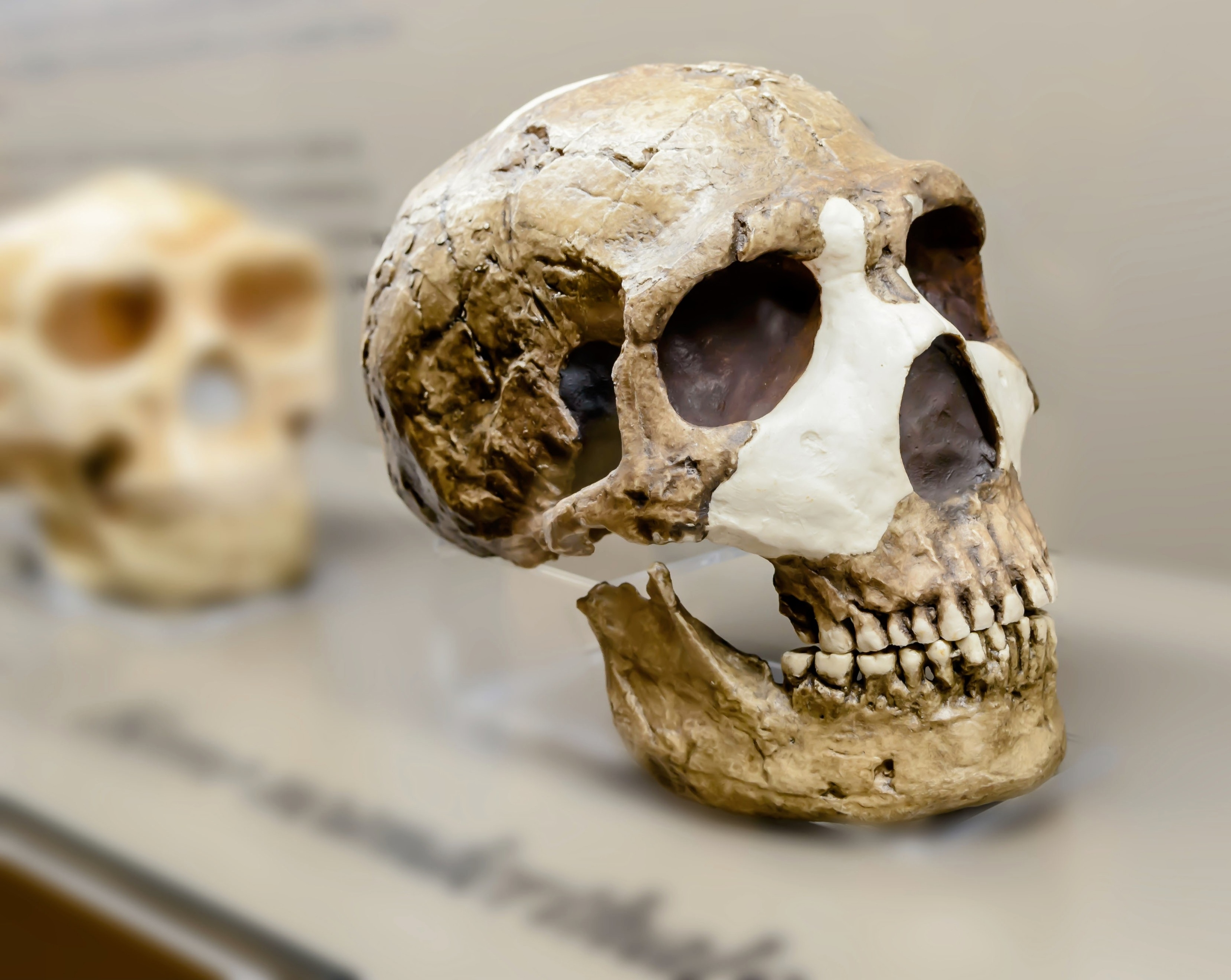
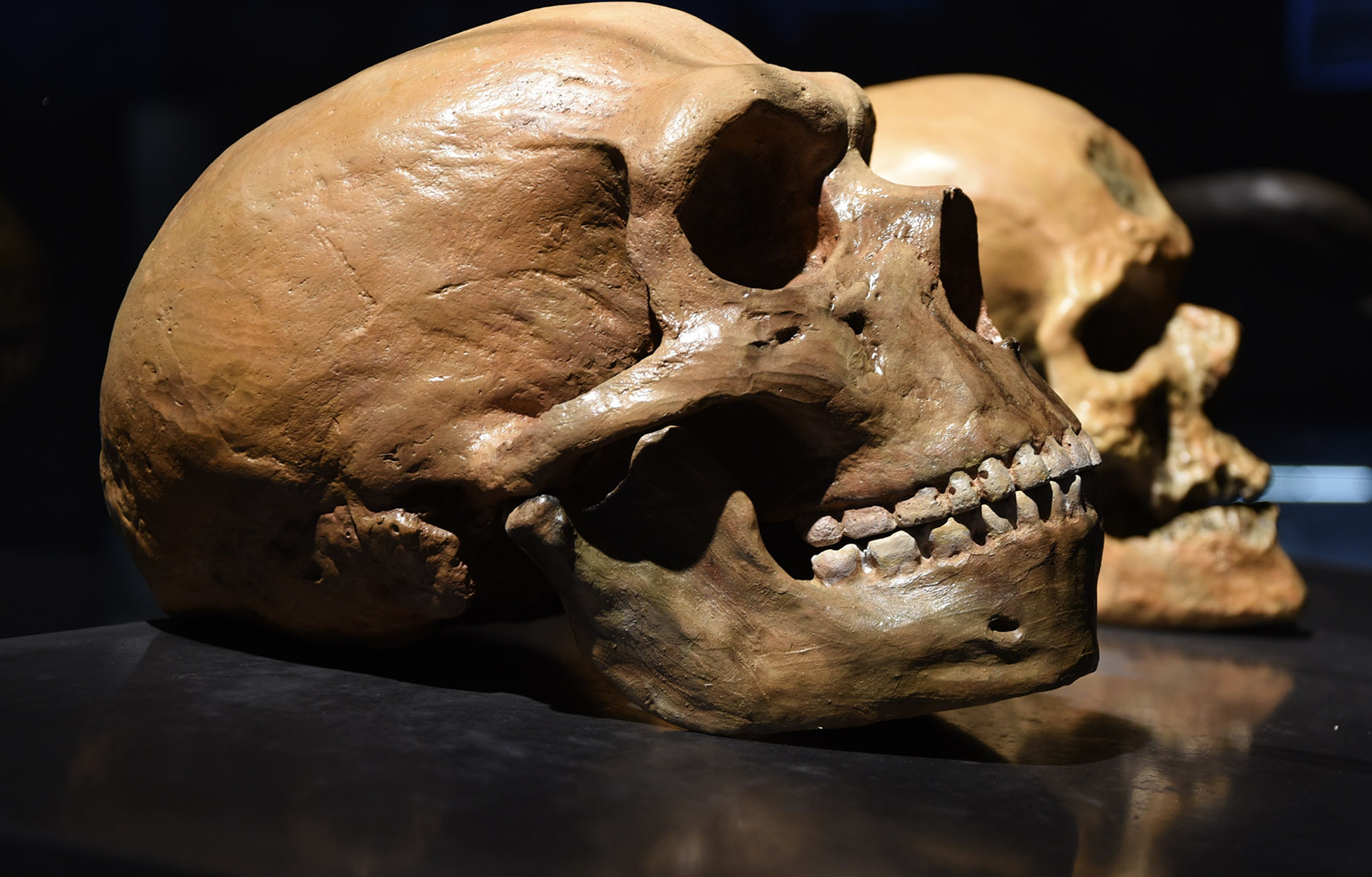
Recent research suggests that Neanderthal skull traits, such as a smaller, flatter occipital bone, may contribute to Chiari malformation type 1 in modern humans, linking ancient skull shapes to certain brain problems and highlighting the influence of archaic DNA on health.
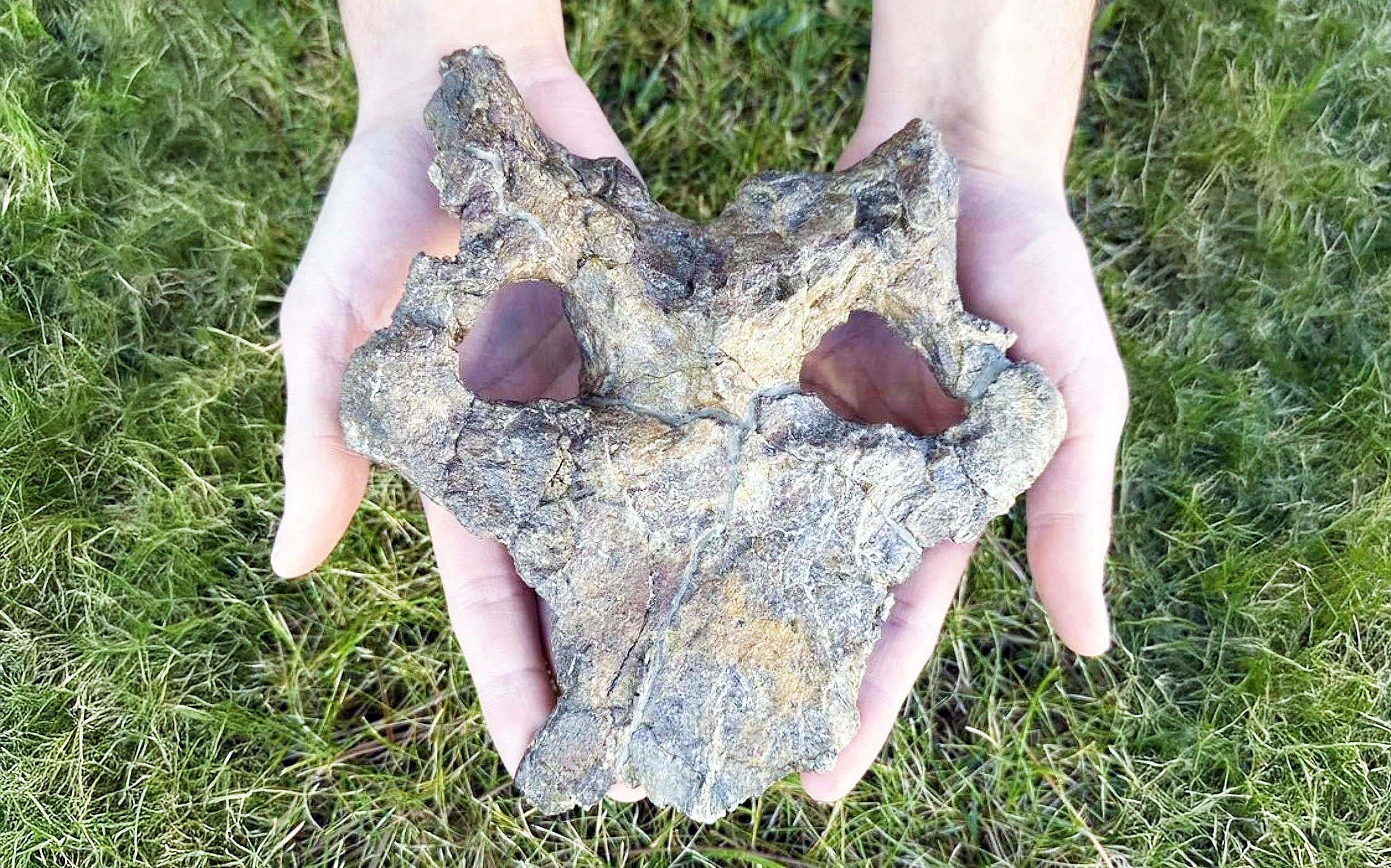
A remarkably well-preserved stegosaur skull found in Spain has provided new insights into dinosaur evolution, leading to the proposal of a new dinosaur group, Neostegosauria, and offering a deeper understanding of European stegosaurs' anatomy and growth stages.
Ido Simyoni, from New York, underwent lifesaving surgery after tumors invaded his forehead due to fibrous dysplasia, a condition where scar-like tissue forms instead of bone and causes benign tumors in the skull. Over the years, he had multiple surgeries to remove tumors, but the replacement bone started shrinking, causing dents in his forehead and an increased risk of brain infections. After experiencing swelling, he underwent two surgeries to remove a tumor and replace his forehead with bone from the top of his skull. Although he came close to dying, he is now recovering and has set a goal to run all six World Major Marathons in 2024.
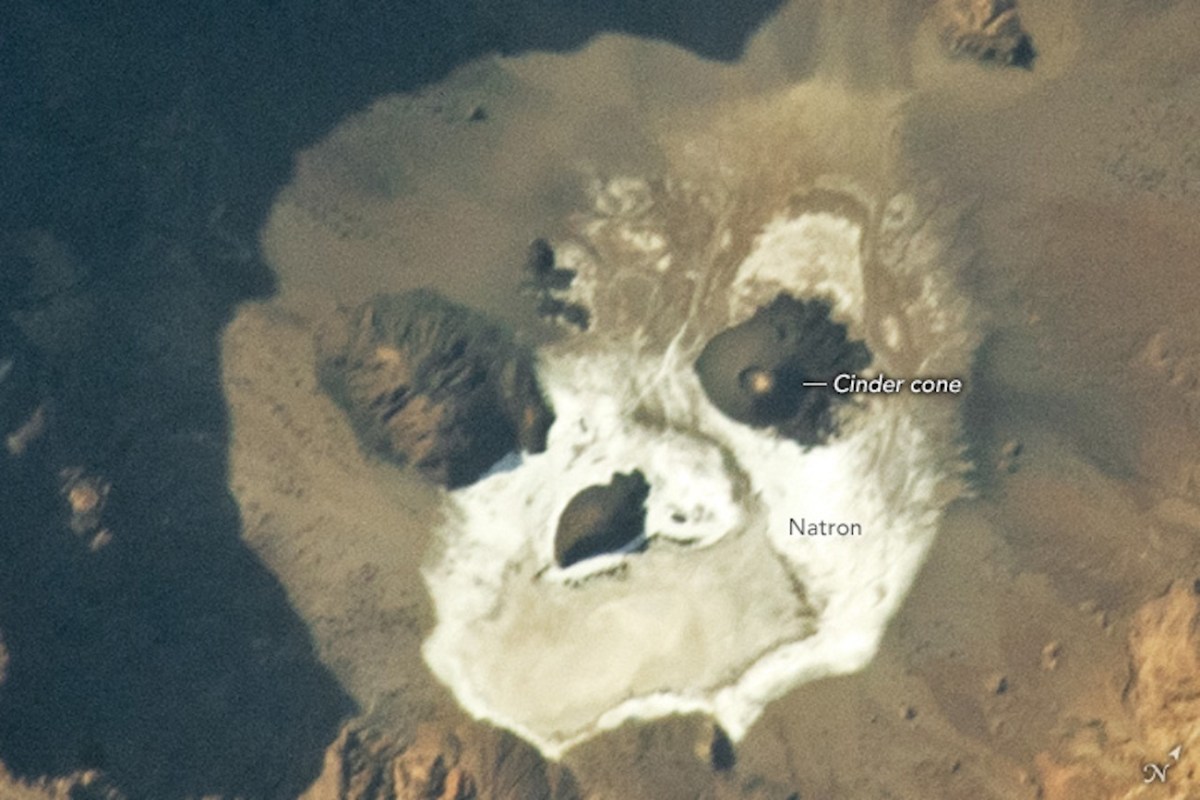
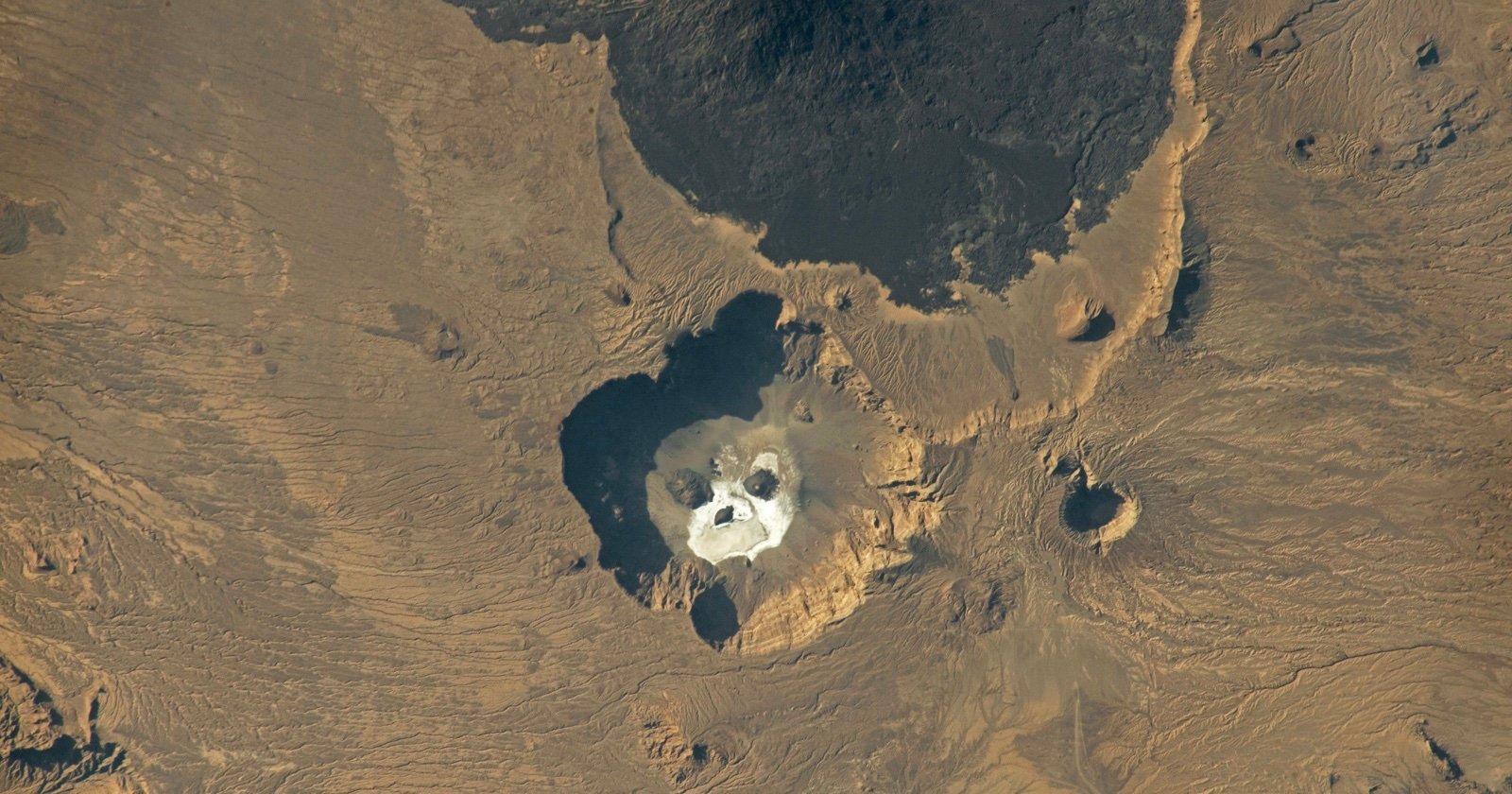
An astronaut aboard the International Space Station captured an astonishing photo of a massive skull peering up from a volcanic pit in Trou au Natron, northern Chad. The "face" is formed by shadows from the rim of a caldera, while the "eyes" and "nose" are cinder cones. The white area around the "mouth" is a mineral crust made of natron, a salt formed by evaporating hot spring water.
An astronaut aboard the International Space Station captured a photo of a skull-shaped feature on the Earth's surface, which turned out to be a volcanic crater in the Sahara Desert. The eerie image, shared by NASA on Halloween, shows a 3,300-foot-wide caldera known as Trou au Natron, with its "eyes" and "nose" formed by cinder cones and its "mouth" and left cheek covered in a mineral crust called natron. The skull's distinctive shape is created by the shadow cast by the crater's rim. The crater was once a glacial lake and is located near Tarso Toussidé, a potentially active stratovolcano.
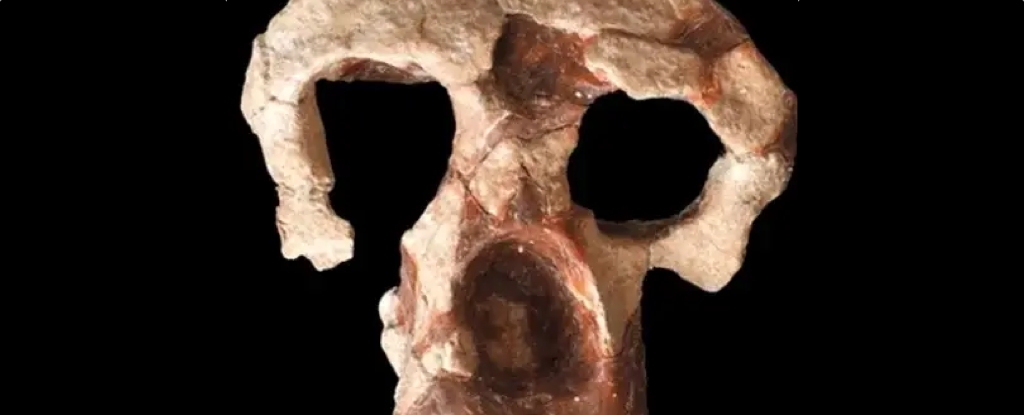
The discovery of an ancient ape skull in Turkey challenges the prevailing belief that the ancestors of apes and humans originated exclusively in Africa. The skull, dating back 8.7 million years, suggests that hominins may have first evolved in Europe before migrating to Africa. However, more fossils from both continents are needed to definitively prove this theory. Some researchers argue that the findings do not challenge the current understanding that hominins originated in Africa from unique Miocene ape ancestors.
Scientists have discovered an ancient human skull in China that is unlike any other hominin found before. The skull has an elongated top and does not resemble any previously uncovered ancient human skulls, including Neanderthals. The face structure is similar to modern humans, but the lineage remains unknown. It is believed to be a previously unknown lineage between modern humans and Denisovans, splitting from Neanderthals around 400,000 years ago. Further research is needed to determine its exact place in human history.
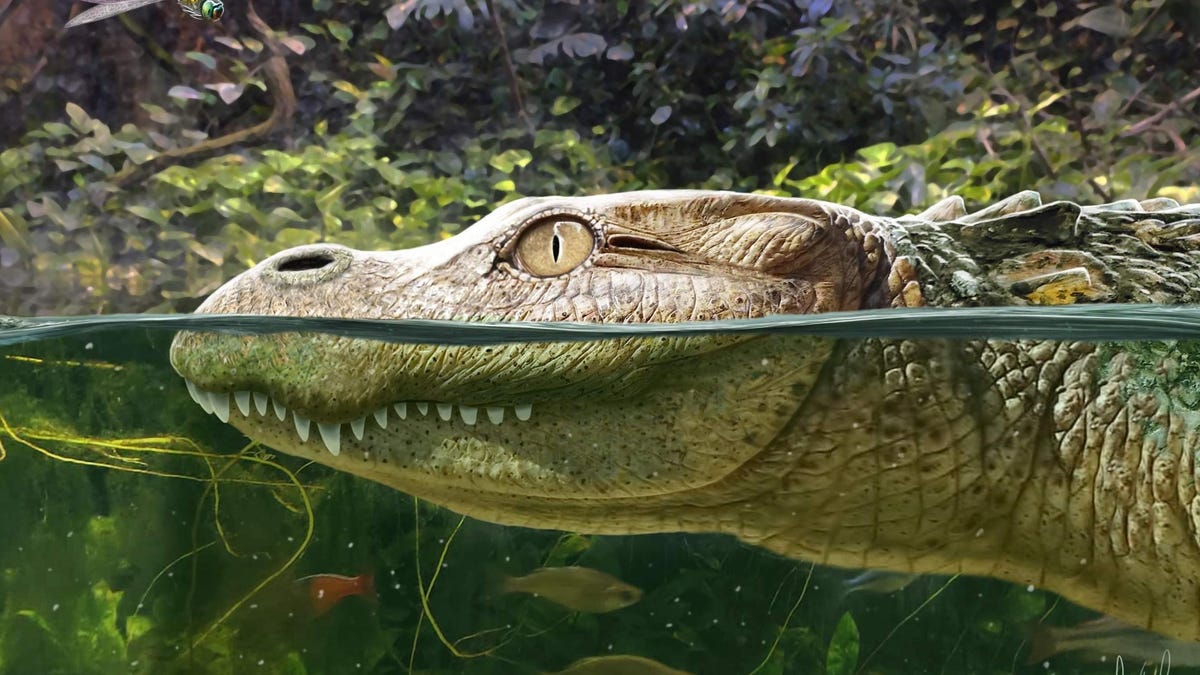
Researchers have identified an extinct species of alligator, named A. munensis, based on a skull found in northeastern Thailand. The skull, estimated to be around 200,000 years old, exhibits distinct features such as a short, broad snout, a tall skull, and fewer teeth compared to modern alligator species. The researchers suggest that A. munensis had the ability to crush prey, possibly shellfish or snails. They also propose that the species is more closely related to the critically endangered Chinese alligator than the American alligator, and that geological changes in the Tibetan Plateau may have led to their independent evolution.
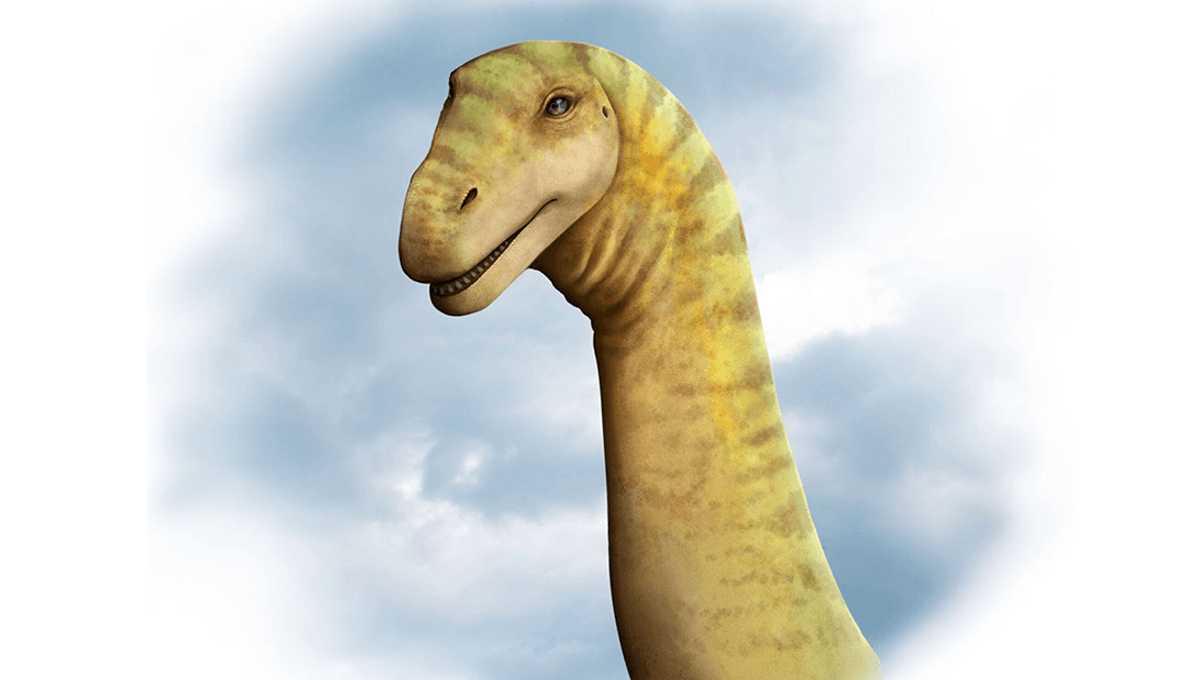
The discovery of a near-complete skull of a sauropod dinosaur in Australia has revealed similarities to fossils found in South America, supporting the theory that the continents were once linked by an Antarctic land connection. The skull belonged to a member of the species Diamantinasaurus matildae, which was reconstructed digitally after being CT scanned. The sauropod was a member of the titanosaur group and would have been around as long as a tennis court, as tall as a basketball ring at the shoulder, and weighed around 25 tonnes.
A near-complete dinosaur skull of the species Diamantinasaurus matildae has been discovered in Australia, providing new insights into the anatomy of the species. The skull, nicknamed Ann, shows similarities to another dinosaur species, Sarmientosaurus musacchioi, from Argentina. The discovery lends support to the theory that there was a land bridge between what is now Australia and South America linking the continents via Antarctica. The paper is published in the Royal Society Open Science.
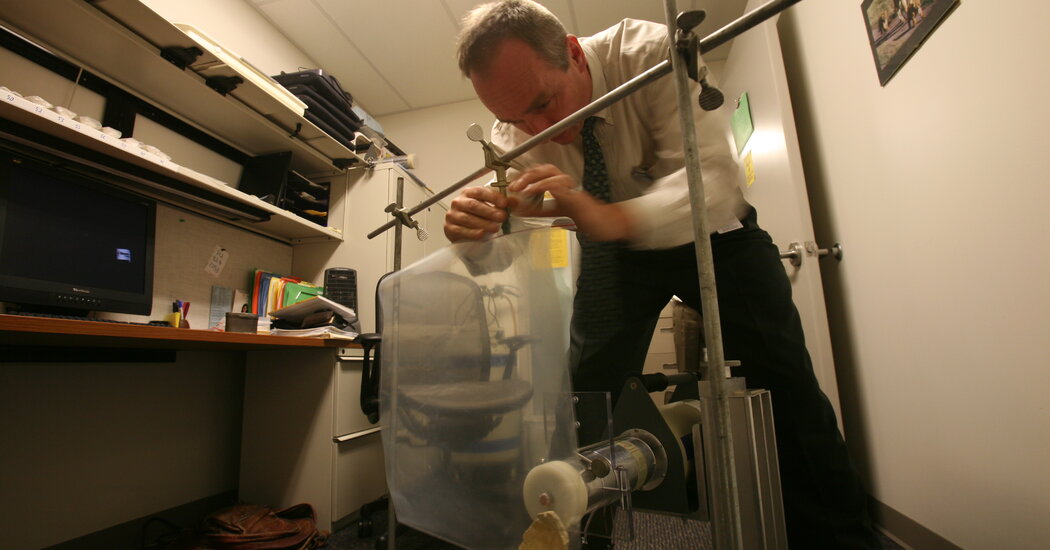
Recent DNA analysis of Beethoven's hair has debunked the theory that he died of lead poisoning. However, the mystery of his skull remains unsolved. A fragment of his skull was tested for lead in 2010, but doubts have since been cast on its authenticity. The skull fragments were lent to a physician who was known to collect skulls, and it is believed that he may have mixed up the fragments. Further DNA testing may be able to determine whose skull was actually tested.