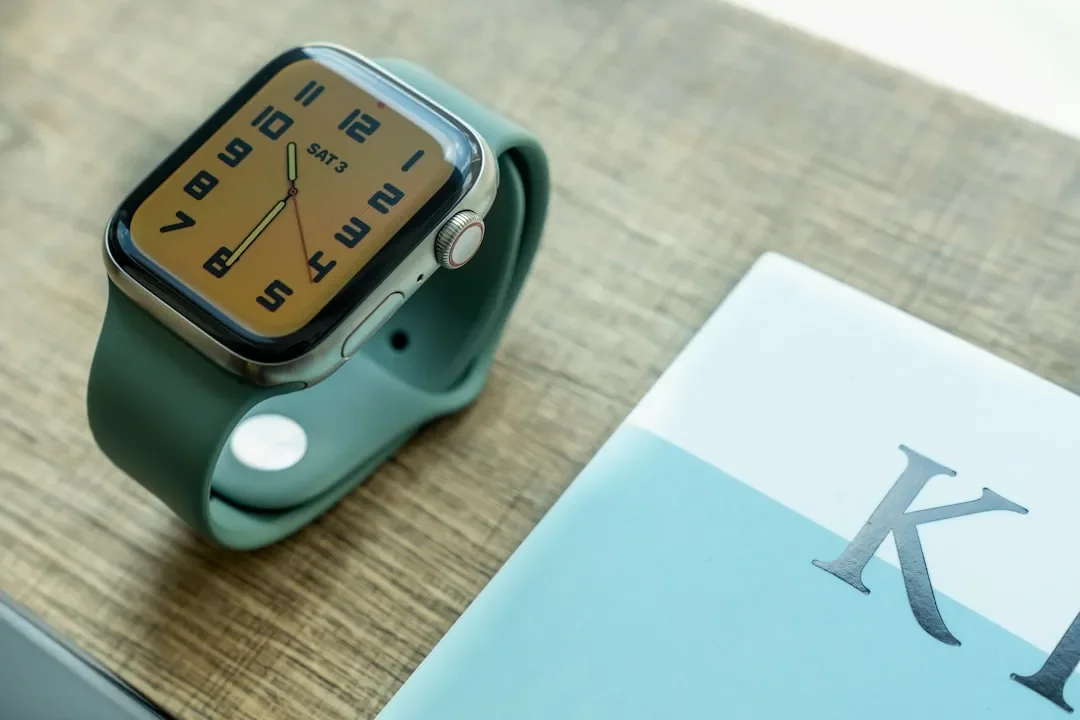
Apple Watch has made significant advancements in glucose monitoring, including FDA-approved integration with existing CGMs like Dexcom G7, which now connects directly without a phone, and ongoing development of non-invasive glucose sensors using optical technology. While immediate benefits are available for current CGM users, Apple's long-term goal is to create a non-invasive, wrist-worn device that could revolutionize metabolic health monitoring and disease prevention. Despite technical and regulatory challenges, these innovations suggest a transformative future for health tech.
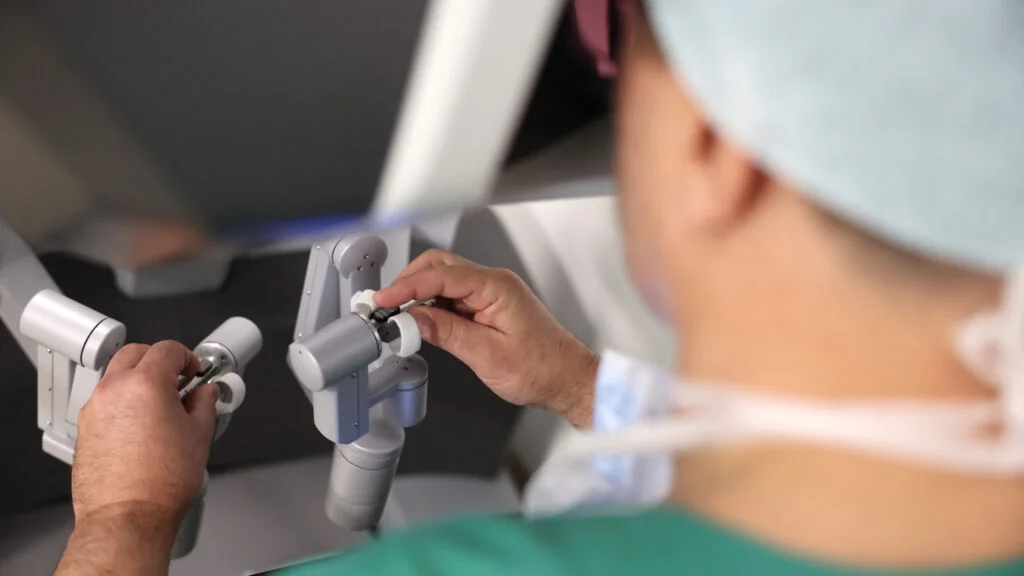
The article discusses how hospitals' self-interested investments in expensive medical technologies, driven by physician training and recruitment needs, create a prisoner’s dilemma that leads to higher costs and disparities, especially impacting rural hospitals. It suggests rethinking GME funding and training to promote collaboration and resource allocation that benefits community health and reduces dependence on costly technology.
In China, AI-powered tools are successfully detecting pancreatic cancer in routine CT scans, leading to early diagnosis and treatment, exemplified by a case where a tumor was identified early enough for successful removal.
Elon Musk announced that Neuralink plans to significantly increase production of brain-chip implants in 2026, with an almost fully automated surgical procedure to implant the devices, aiming to help patients with neurological conditions and potentially merge human consciousness with AI.
Science Corporation, founded by ex-Neuralink president Max Hodak, is developing a portable, cost-effective organ perfusion system to extend the viability of organs outside the body, aiming to improve transplant outcomes and reduce costs compared to current bulky and expensive systems.
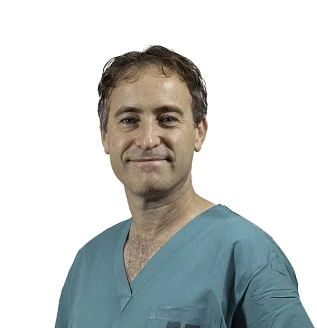
A young man in Israel underwent a rare, complex surgery to remove a life-threatening pelvic tumor while preserving his hip function, using advanced technology and a multidisciplinary team, followed by extensive rehabilitation, highlighting resilience and medical innovation.
The article discusses how the widespread use of round-the-clock fetal monitoring in American hospitals, despite its limited effectiveness and tendency to lead to unnecessary C-sections, is driven by legal and business concerns rather than medical necessity, contributing to the country's high C-section rate.
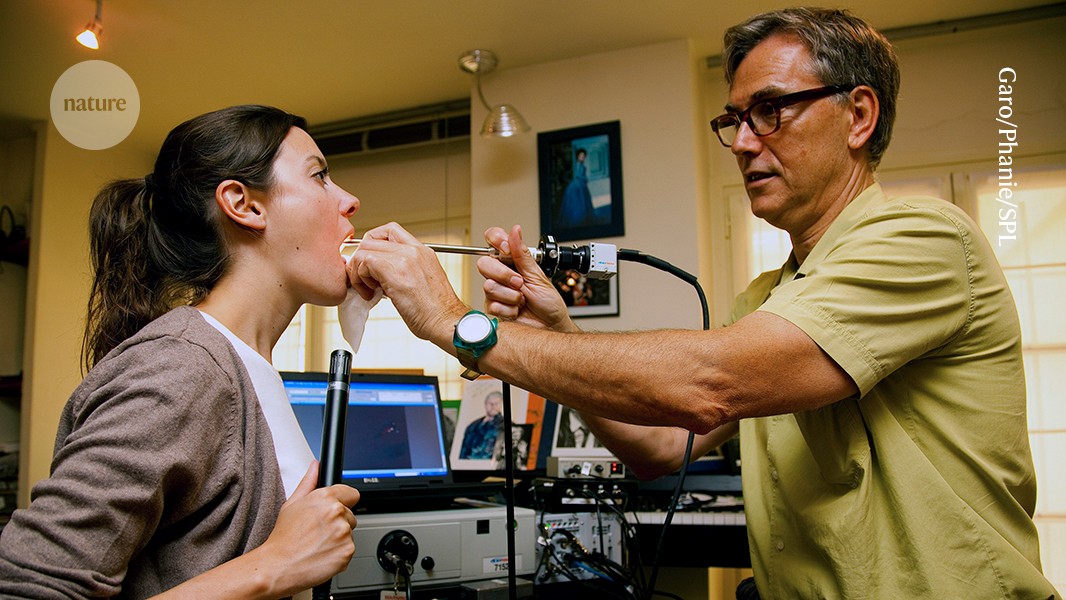
Researchers have developed the world's smallest 3D bioprinter, inspired by an elephant's trunk, capable of delivering healing hydrogels through a surgical scope to aid in vocal cord repair, potentially improving outcomes for patients post-surgery.
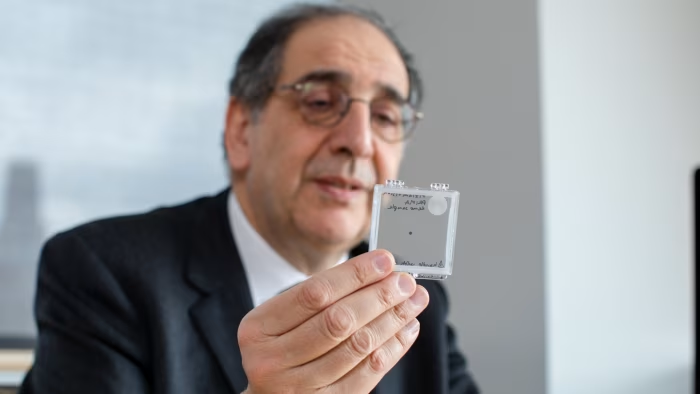
Scientists have developed an eye implant that significantly improves vision in patients with advanced age-related macular degeneration, with 81% experiencing meaningful improvements, marking a major breakthrough in restoring central vision for the blind.
Johnson & Johnson plans to spin off its Orthopaedics business into a standalone company called DePuy Synthes to focus on high-growth healthcare areas, improve margins, and enhance innovation, with the process expected to complete within 18-24 months.
Swiss companies are struggling with 39% US tariffs, which have hurt exports and economic growth, prompting them to seek alternative markets like India, South America, China, and the EU, while expressing disappointment in US trade policies and hoping for resolution.
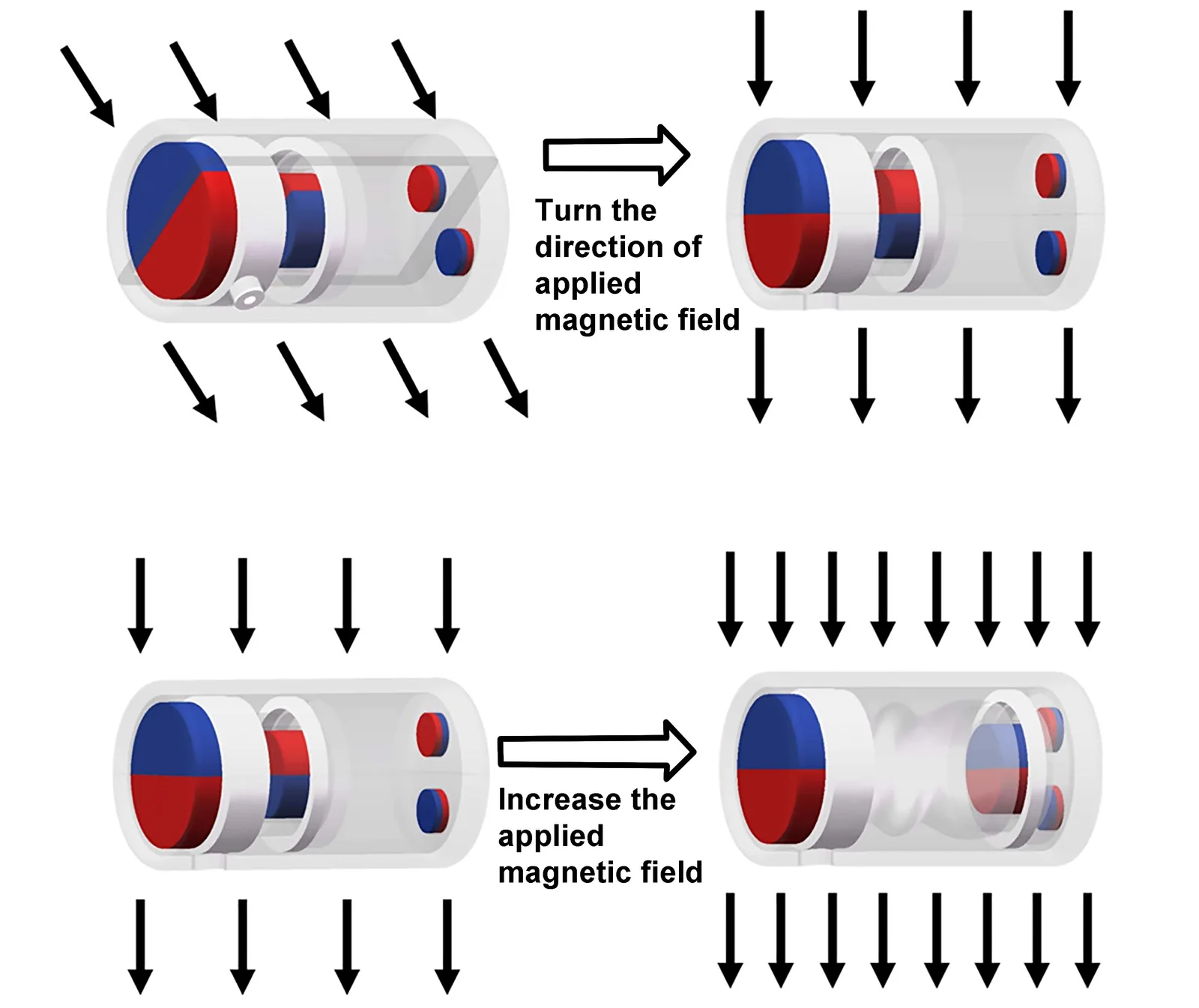
Researchers from HIT Shenzhen have developed a magnetic capsule robot that can take internal samples non-invasively by swallowing a pill with a controllable magnetic mechanism, which opens to collect samples and is later expelled naturally; animal trials are upcoming.
Apple explains how hypertension alerts work on the Apple Watch, highlighting its health monitoring capabilities for detecting high blood pressure, which can help users manage their health more effectively.
A new AI model, detailed in Nature, can predict an individual's risk of developing various diseases throughout their life, potentially transforming preventive medicine.
A new AI model has been developed that can predict susceptibility to over 1,000 diseases, potentially revolutionizing personalized medicine and early diagnosis.