The US has imposed visa and entry restrictions on Tonga, citing high visa overstays, which has sparked anger and concerns over discrimination and impact on Pacific communities, with critics arguing Tonga poses no security threat and highlighting broader issues of racial and regional bias.
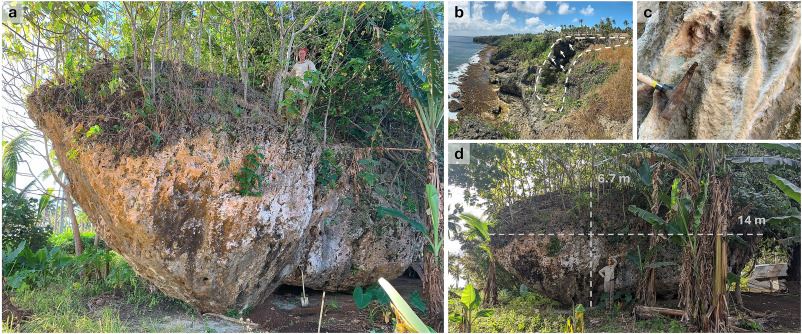
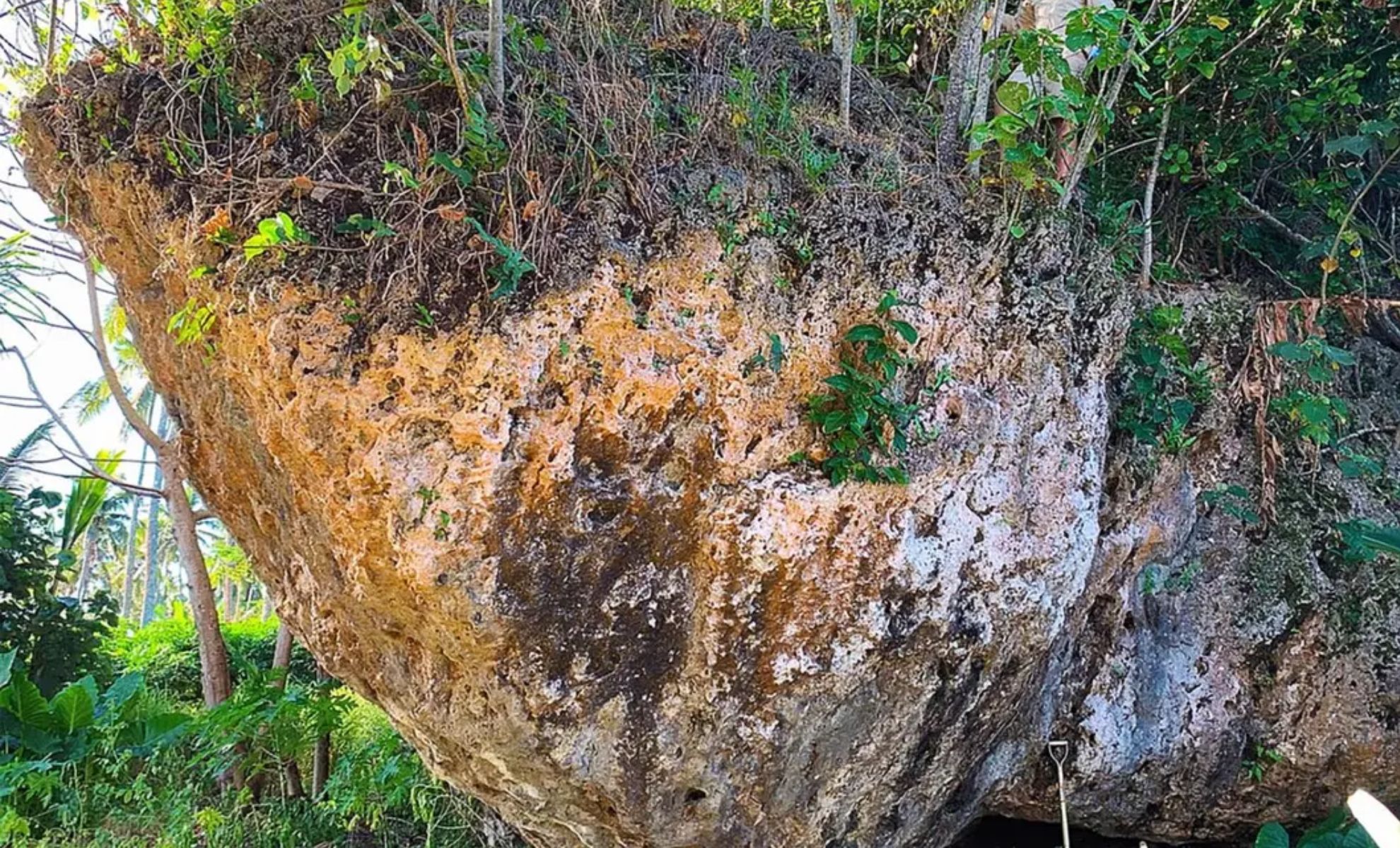
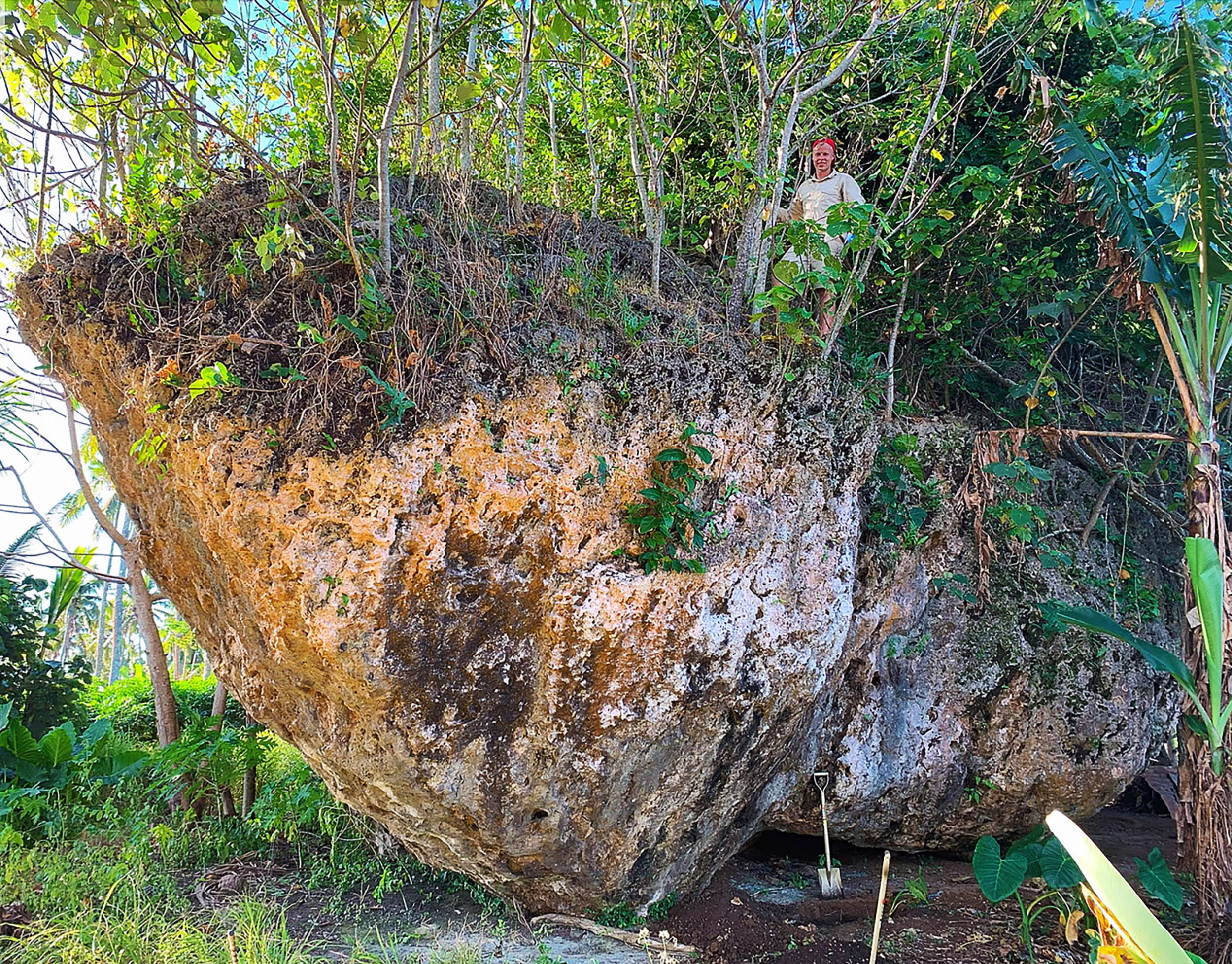
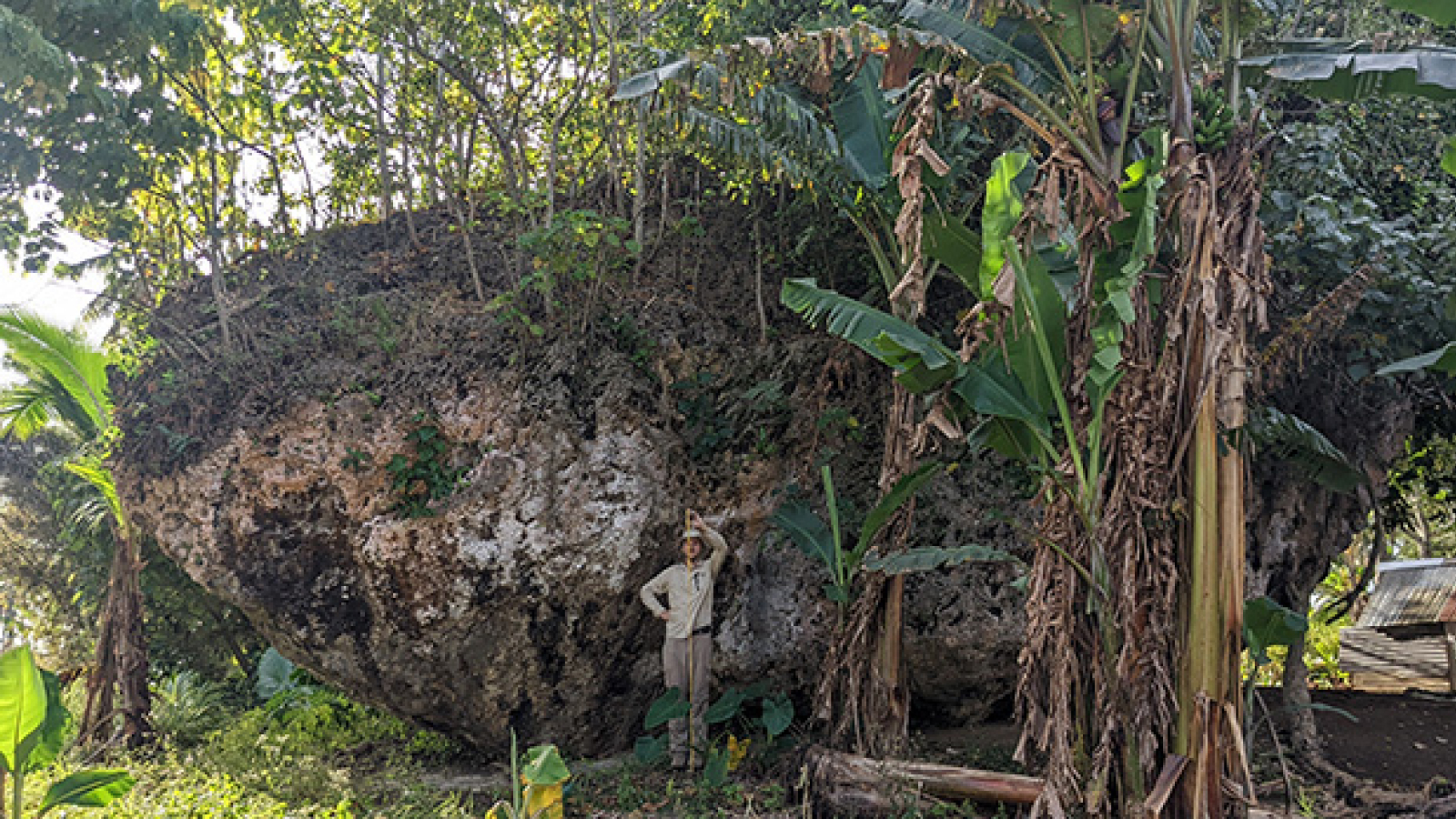
A 1,200-ton boulder in Tonga, moved over 650 feet inland by a tsunami about 7,000 years ago, is the oldest known Holocene tsunami remnant in the Pacific, providing new insights into historical extreme wave events and aiding coastal hazard assessments.
Researchers discovered a massive 1,180-ton boulder inland in Tonga, evidence of a 6,900-year-old tsunami likely caused by a submarine landslide or volcanic activity, revealing that ancient waves may have been more than twice as high as recent events, informing modern hazard assessments.
Scientists discovered Maka Lahi, the heaviest cliff-top boulder ever recorded, inland in Tonga, evidence of a massive tsunami around 6,900 years ago caused by a landslide or volcanic activity, highlighting the region's history of powerful waves and informing future hazard assessments.
Scientists discovered a massive boulder in Tonga, likely transported inland by a 7,000-year-old tsunami, providing insights into past extreme wave events and aiding future hazard assessments.
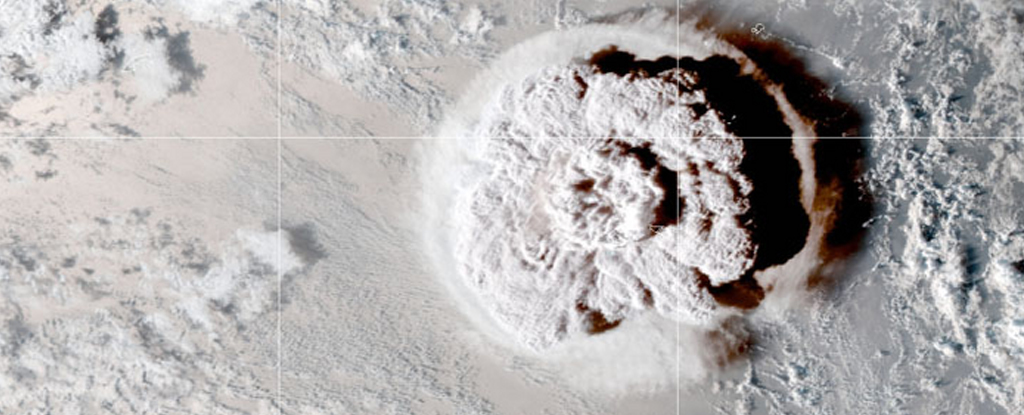
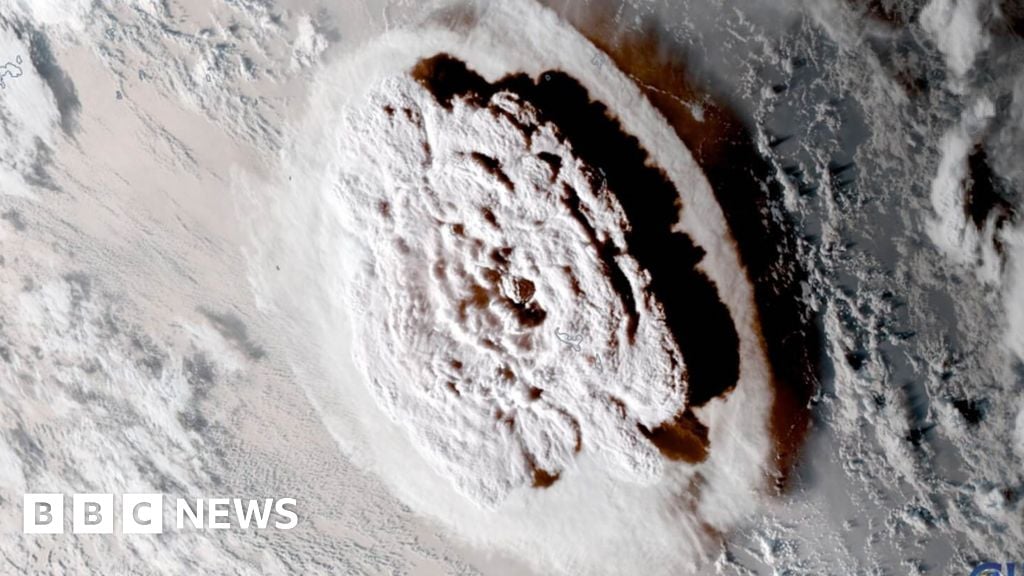
The Hunga Tonga-Hunga Ha'apai volcanic eruption in January 2022 has had significant and unusual climate impacts, including contributing to a large ozone hole in 2023 and altering weather patterns for years. Unlike typical volcanic eruptions, it released massive amounts of water vapor into the stratosphere, which is a potent greenhouse gas and aids in ozone layer destruction. Climate models predict lasting effects, such as colder and wetter winters in northern Australia and warmer winters in North America, potentially disrupting weather patterns for the rest of the decade.
A new study reveals that the 2022 Hunga Tonga volcanic eruption, which released massive amounts of water vapor into the stratosphere, could cause unusual weather patterns for the rest of the decade. The eruption has been linked to the large ozone hole in 2023 and unexpected wet summers in Australia. The study predicts colder and wetter winters in northern Australia, warmer winters in North America, and colder winters in Scandinavia until 2029.
The 2022 eruption of the Hunga Tonga-Hunga Ha’apai volcano has had significant and unusual impacts on global weather patterns, including an enlarged ozone hole and unexpected wet summers. The eruption injected massive amounts of water vapor into the stratosphere, a potent greenhouse gas, which could affect weather patterns for the rest of the decade. Climate models predict colder and wetter winters for northern Australia, warmer winters for North America, and colder winters for Scandinavia until 2029.
Last year's volcanic eruption in Tonga triggered the fastest underwater flows ever recorded, with rock, ash, and mud moving across the ocean floor at speeds of up to 122km/h. These "density currents" caused damage to telecommunications cables, cutting Tonga's link to the global internet and killing sealife. Scientists used seafloor mapping and timing of cable breaks to measure the speed of the flows. The incident highlights the need for better seafloor mapping and investment in repair cable and communication satellites for resilience in the global submarine cable network.
The January 2022 eruption of Hunga Tonga-Hunga Ha’apai in Tonga caused a temporary warming effect over the Pacific, potentially pushing global temperatures beyond the 1.5 degree Celsius threshold set by the United Nations. While volcanic eruptions typically have a cooling effect due to the release of sulfur, this eruption carried an unusually large amount of water vapor into the stratosphere, acting as a greenhouse gas and raising temperatures. This study predicts an additional 7% probability of exceeding the 1.5 degree Celsius threshold, emphasizing the need to address human contributions to climate change.
US Secretary of State Antony Blinken visited Tonga, dedicating a new embassy and pledging increased support for Pacific nations while warning about the dangers of "predatory" Chinese investment. Blinken's visit comes as the US seeks to counter China's growing influence in the region. He emphasized the importance of addressing issues like climate change, development, and illegal fishing. However, he also cautioned against aid from Beijing, citing concerns about strings attached and potential undermining of good governance. The visit to Tonga is part of Blinken's broader Asia-Pacific trip, which includes stops in New Zealand and Australia. The US State Department plans to increase diplomatic personnel and spending for new embassies in the Pacific islands to catch up with China's presence in the region.
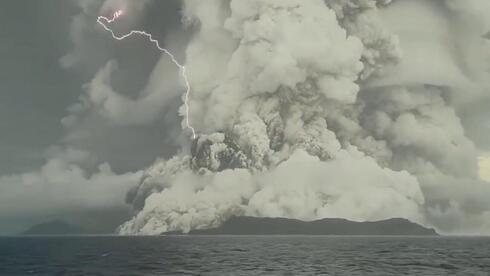
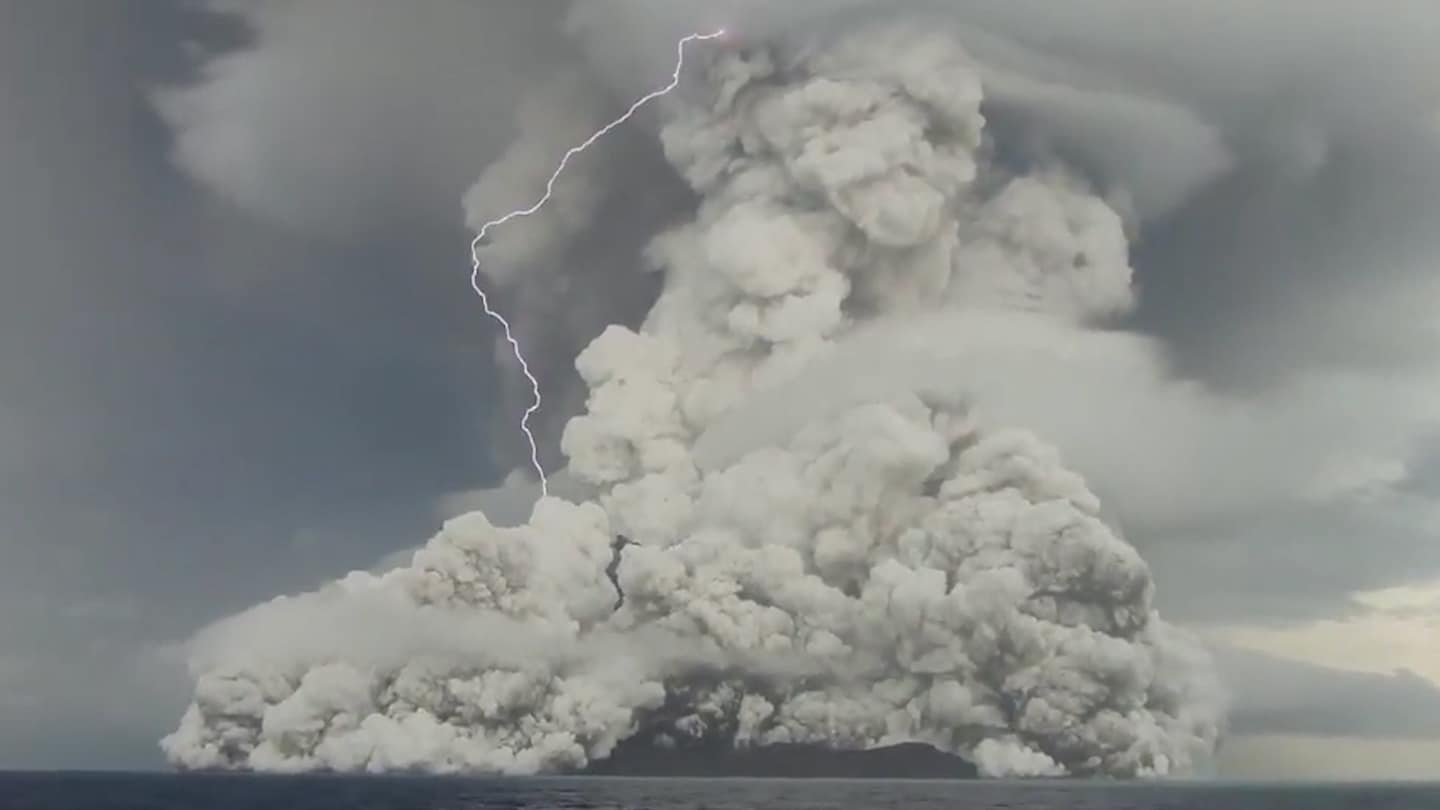
An underwater volcano eruption in Tonga in 2022 caused lightning flashes at the highest altitudes ever recorded, reaching 20 to 30 kilometers above sea level in the stratosphere. The eruption plume, composed of ash, gas, and dust, generated static electricity that led to the formation of lightning. This discovery has changed scientists' understanding of how natural events can impact the atmosphere and the environment where lightning can exist.
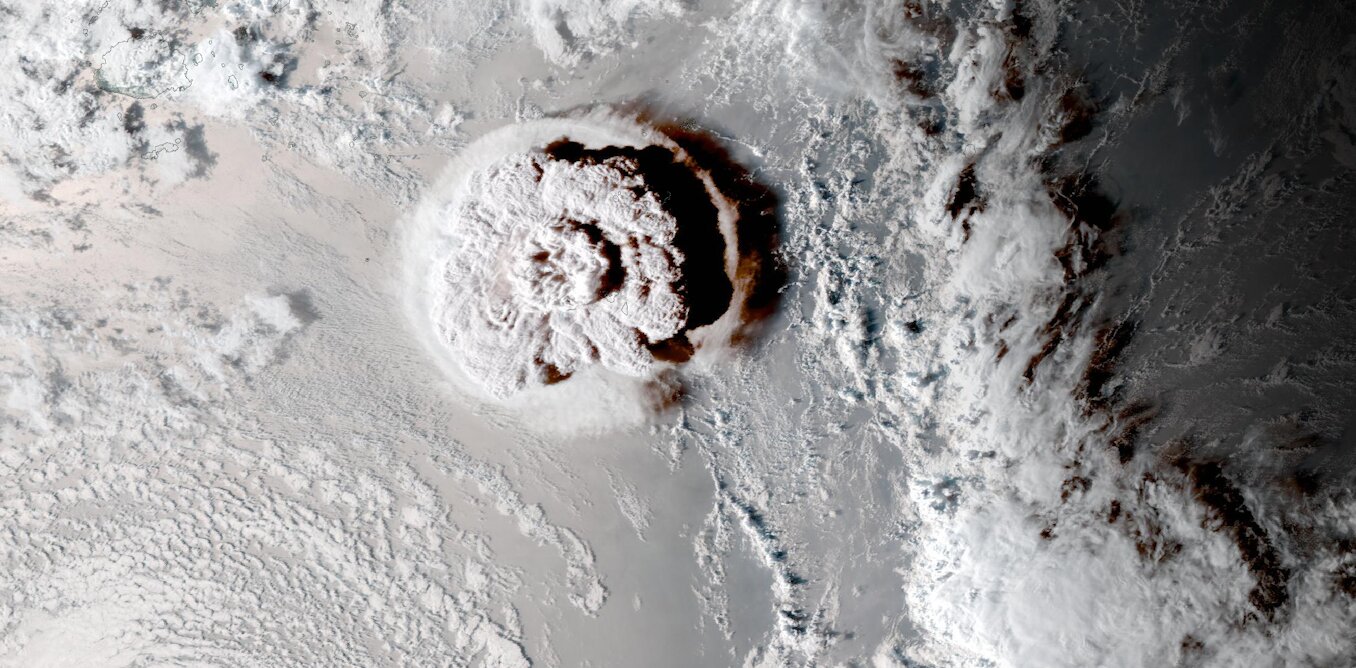
The 2022 Hunga Tonga volcanic eruption in Tonga triggered an unprecedented level of electrical activity, with nearly 200,000 lightning flashes within the volcanic plume, reaching a peak rate of over 2,600 flashes per minute. The eruption expelled a massive amount of molten rock and evaporated water, creating a towering plume that reached halfway to space. Scientists believe that plume particles surfing a volcanic "gravity wave" contributed to the record-breaking lightning. The eruption, classified as a phreatoplinian eruption, was a milestone as it had never been observed with modern equipment before. The insights gained from studying the lightning activity can improve monitoring and prediction of aviation hazards during major volcanic eruptions.
Tonga's volcanic eruption in 2022 triggered an unprecedented lightning event, producing a staggering 2,600 lightning strikes per minute at its peak, surpassing the previous record of 993 flashes per minute. The eruption generated immense power, surpassing that of an atomic bomb, and created the most intense lightning event ever recorded in the scientific record.
The volcanic eruption near the Tonga archipelago in January 2022 created the most intense lightning storm ever recorded, according to a new study led by volcanologist Alexa Van Eaton. The eruption created its own massive weather system, and at least 2,600 lightning bolts each minute were detected during peak activity, shattering rates from any other weather system, storm or volcanic eruption recorded in Earth’s history. The eruption lasted for 11 hours, several hours longer than previously estimated, and the lightning helped researchers reconstruct the timeline of the event. The insights gained from this study will help researchers better understand future volcanic eruptions as they are happening.