scienceenvironment4.605 min read
Climate Change Slows Earth's Spin, Lengthens Days
1 year ago•Source: NBC News

The latest scienceenvironment stories, summarized by AI
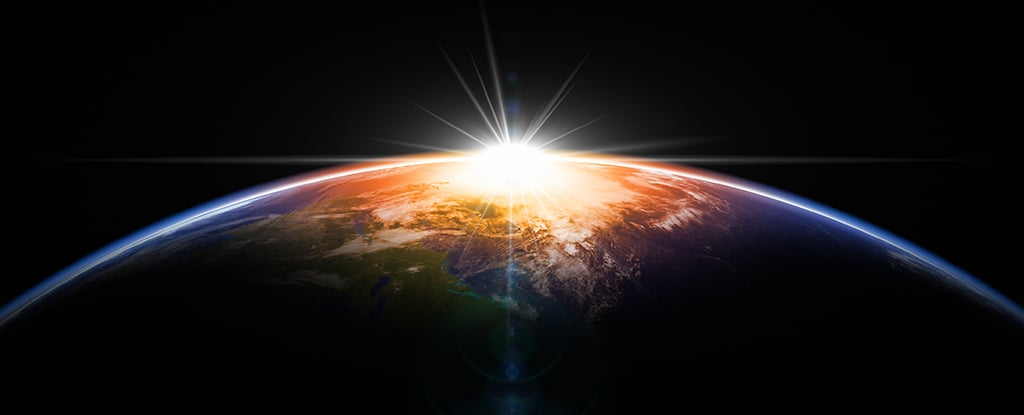
A new study reveals that the melting of polar ice caps is causing Earth to spin more slowly, increasing the length of days at an unprecedented rate. This change, driven by the redistribution of mass from melting ice, could have significant implications for space and Earth navigation, potentially surpassing the deceleration effects caused by the Moon's gravitational pull by the end of the 21st century.
WTOP•1 year ago
Palm Beach Post•1 year ago
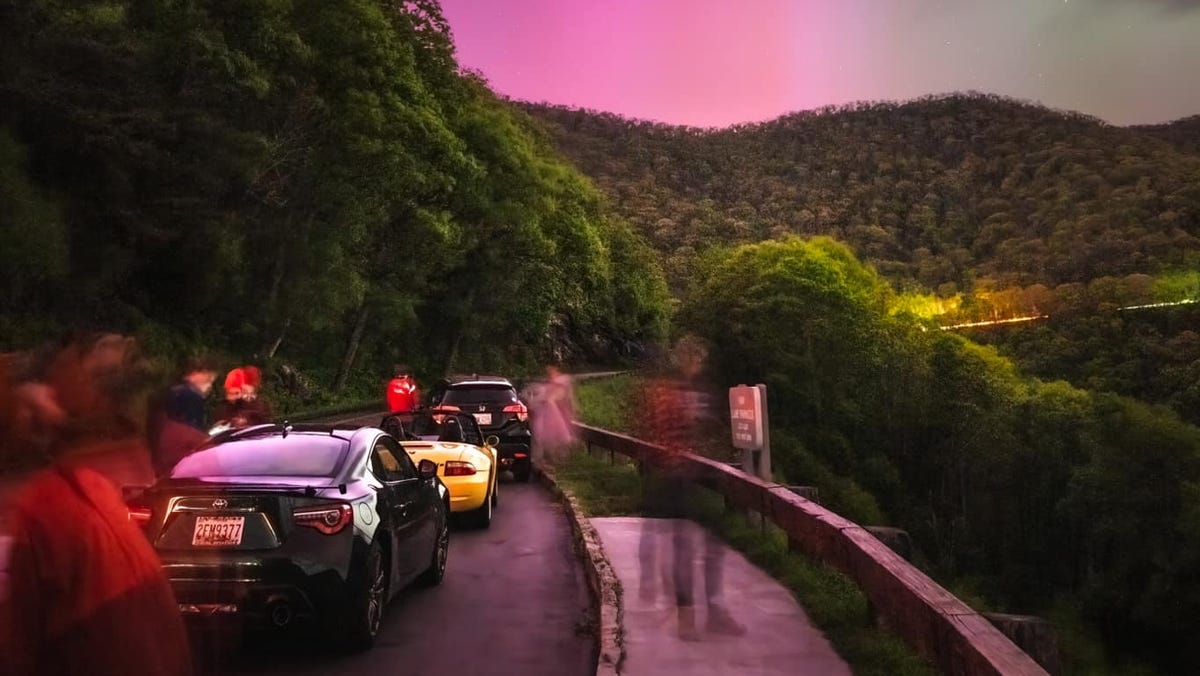
Western North Carolina residents may have another chance to see the northern lights in early June, as the sunspot responsible for the May 10-11 auroras will face Earth again. While no strong storms are currently predicted, increased solar activity makes it possible for auroras to be visible in the area. Keep an eye on NOAA's Space Prediction Center for short-term forecasts.
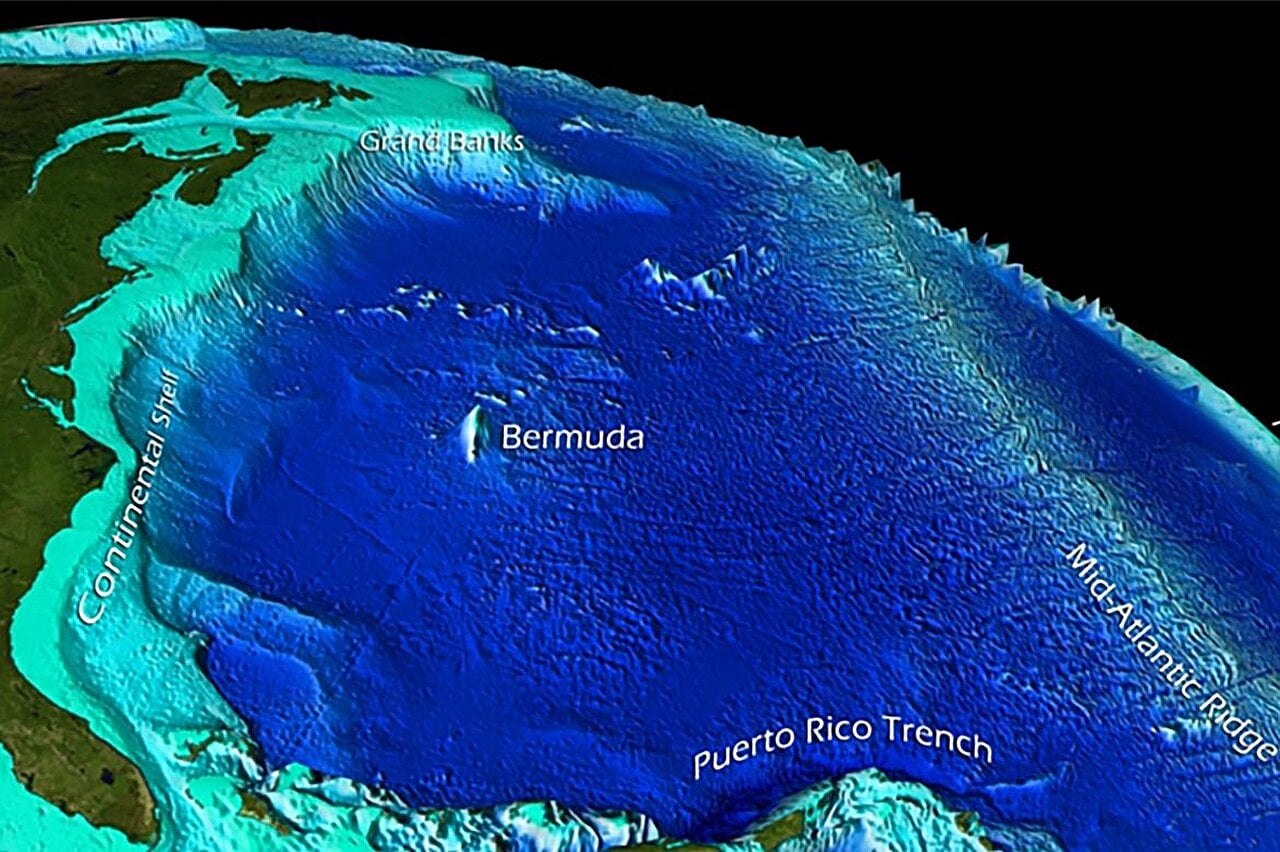
A new study reveals that the shape and depth of the ocean floor significantly influence carbon sequestration, accounting for up to 50% of changes in carbon storage depth over the past 80 million years. This finding highlights the critical role of seafloor topography in the long-term carbon cycle, which has implications for climate change mitigation and the search for habitable planets.
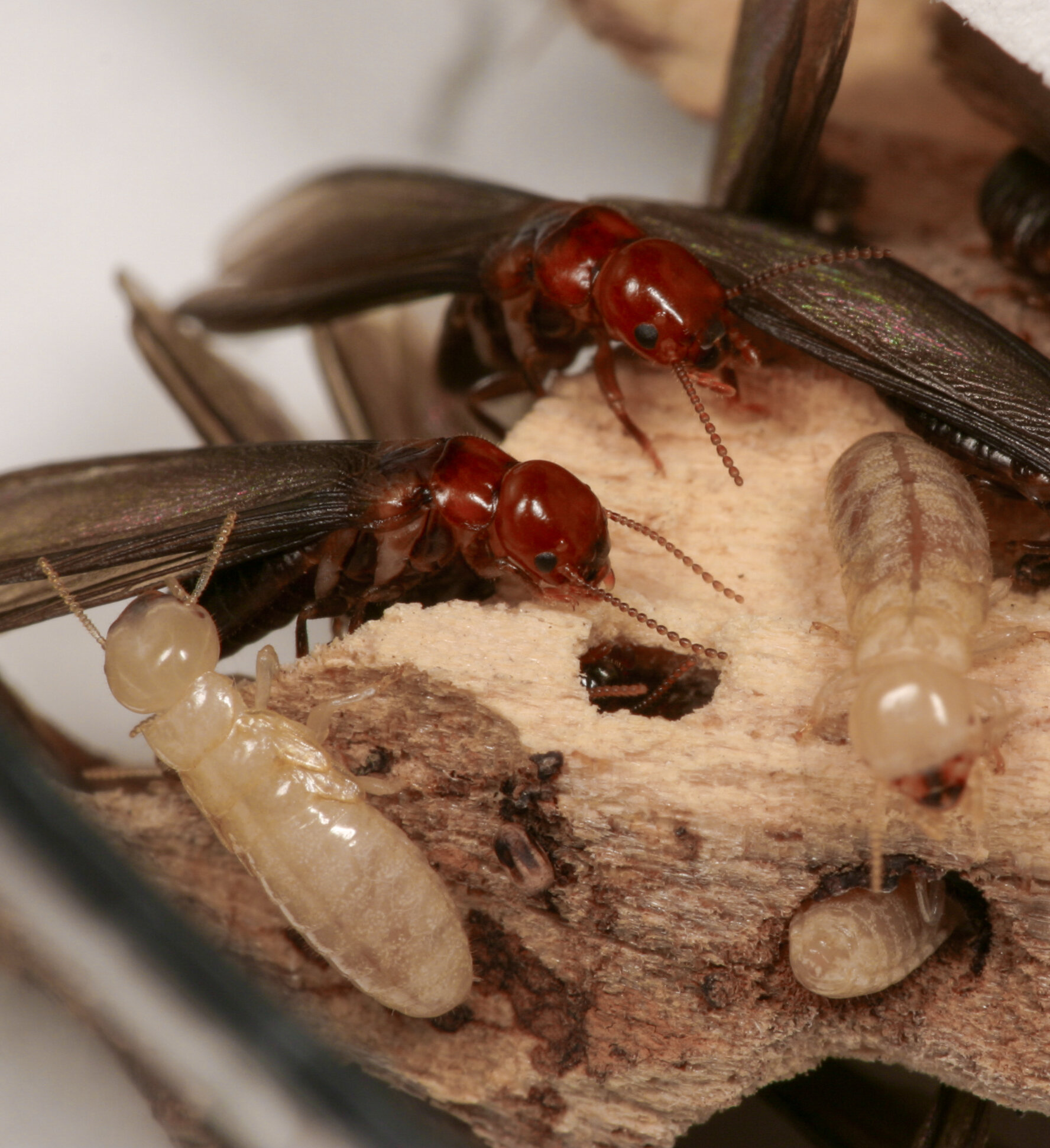
UC Riverside scientists have developed a nontoxic and cost-effective termite control method using pinene, a chemical from forest trees, to attract termites to insecticide-injected wood. This approach significantly increases termite mortality rates and offers a greener alternative to traditional fumigation, which is expensive and environmentally harmful.
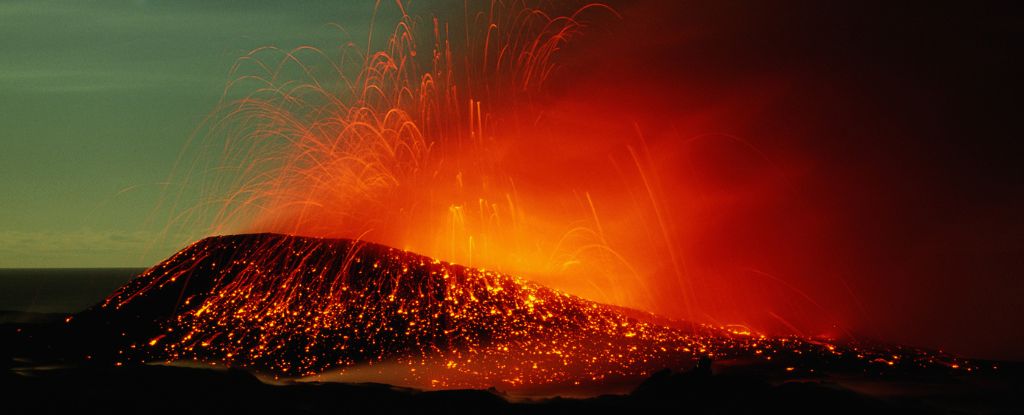
The 2018 Kīlauea eruption in Hawaiʻi, which destroyed hundreds of homes and displaced thousands, may represent a new type of volcanic mechanism. Researchers suggest that the eruptions were triggered by a "stomp rocket" effect, where the collapse of the ground above a lava chamber caused gases, rock, and lava to be forcefully expelled. This novel understanding could help scientists better predict and prepare for future volcanic events.
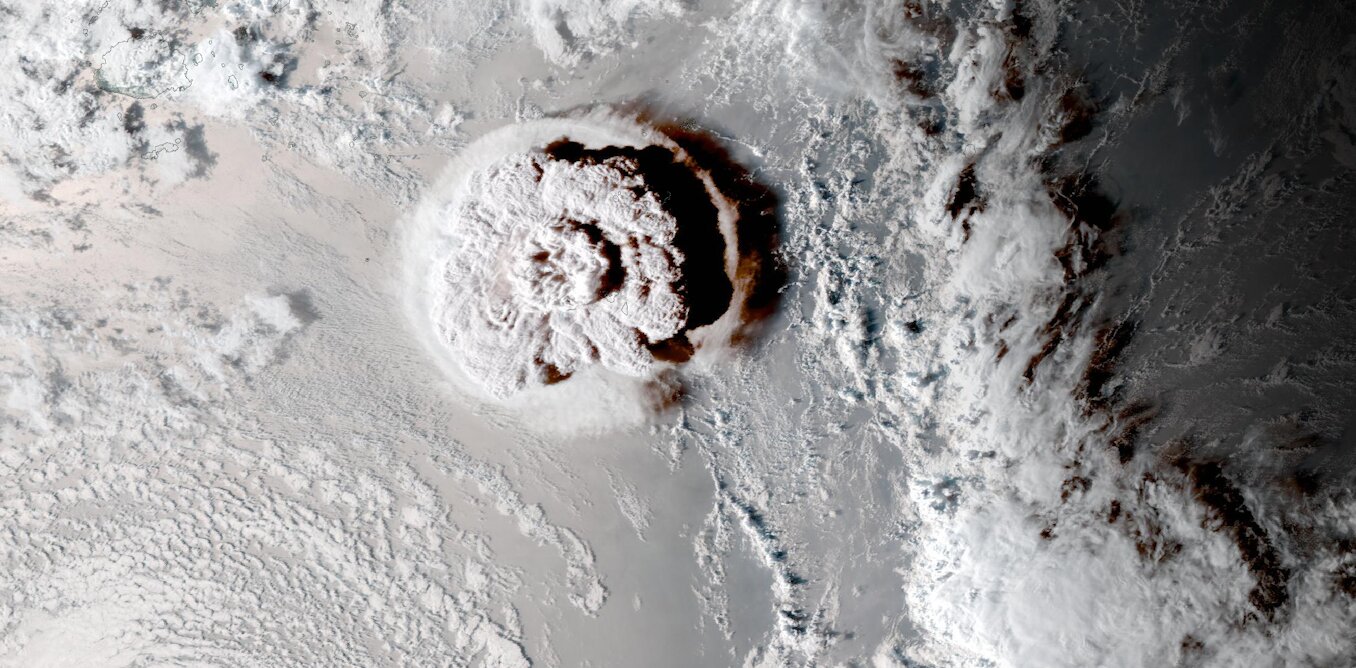
A new study reveals that the 2022 Hunga Tonga volcanic eruption, which released massive amounts of water vapor into the stratosphere, could cause unusual weather patterns for the rest of the decade. The eruption has been linked to the large ozone hole in 2023 and unexpected wet summers in Australia. The study predicts colder and wetter winters in northern Australia, warmer winters in North America, and colder winters in Scandinavia until 2029.
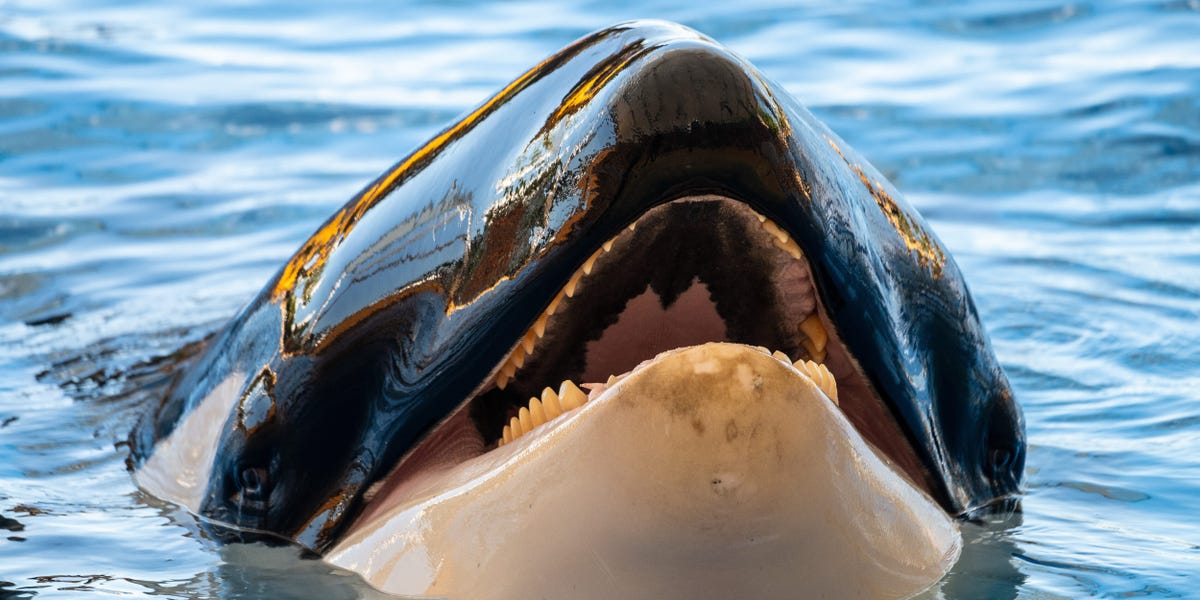
Scientists believe that orcas ramming boats around the Iberian Peninsula is a playful behavior rather than aggression. The trend, started by curious juvenile orcas, has spread through the population as a form of entertainment due to increased tuna populations reducing their hunting time. Despite the damage, no injuries have been reported.
NASA launched a small satellite from New Zealand to improve climate change predictions by measuring heat escaping from Earth's poles for the first time. The PREFIRE mission aims to enhance climate models by providing real observations of heat loss, which is crucial for understanding global weather patterns and predicting sea level rise.
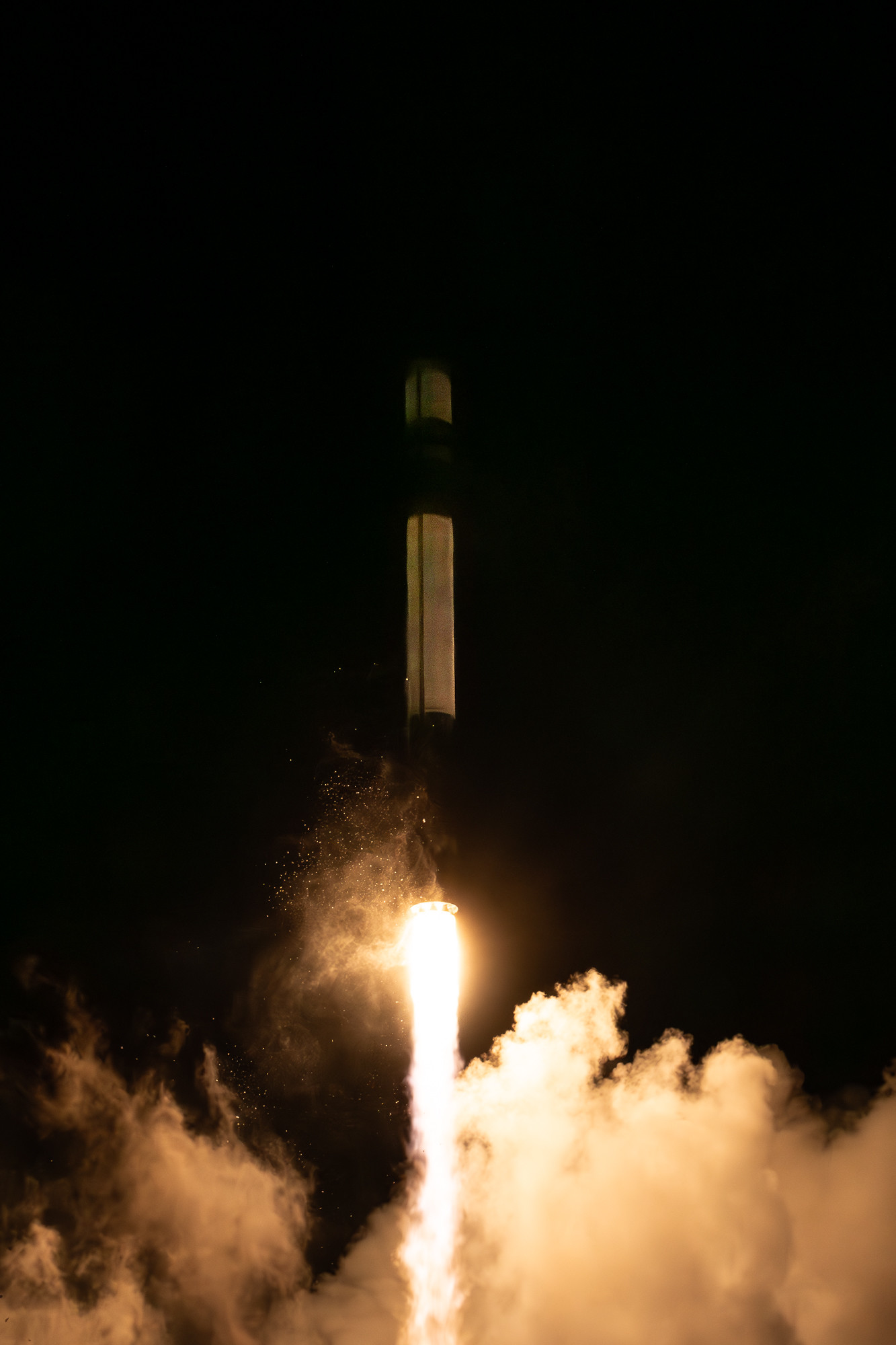
NASA has launched the first of two CubeSats for the PREFIRE mission to study heat emissions from Earth's poles. The data collected will help improve predictions of sea ice loss, ice sheet melt, and sea level rise, enhancing our understanding of climate change impacts. The second CubeSat will launch soon, and the mission will operate for 10 months.

A study led by Cynthia Sagers of Arizona State University found that genetically engineered canola plants can survive long-term outside farms but may be losing their herbicide resistance genes. The research, conducted in North Dakota, showed a decrease in feral canola populations and a rise in non-resistant plants, suggesting evolutionary pressure to shed transgenes. This challenges the assumption that transgenic crops won't intermix with wild populations and highlights the need for further research on the environmental impact of de-domesticated crops.

Scientists from Oregon State University analyzed air bubbles in a 50,000-year-old Antarctic ice core, revealing that the current rate of CO2 increase, driven by human activity, is unprecedented and 10 times faster than the fastest natural CO2 rise observed in the past. This rapid increase, compared to historical natural events, highlights the severe impact of human emissions on climate change.