The Antarctic ozone hole has shrunk to its smallest and shortest duration since 2019, indicating progress in the ozone layer’s recovery due to international efforts like the Montreal Protocol, despite recent large holes possibly influenced by volcanic activity and other factors.
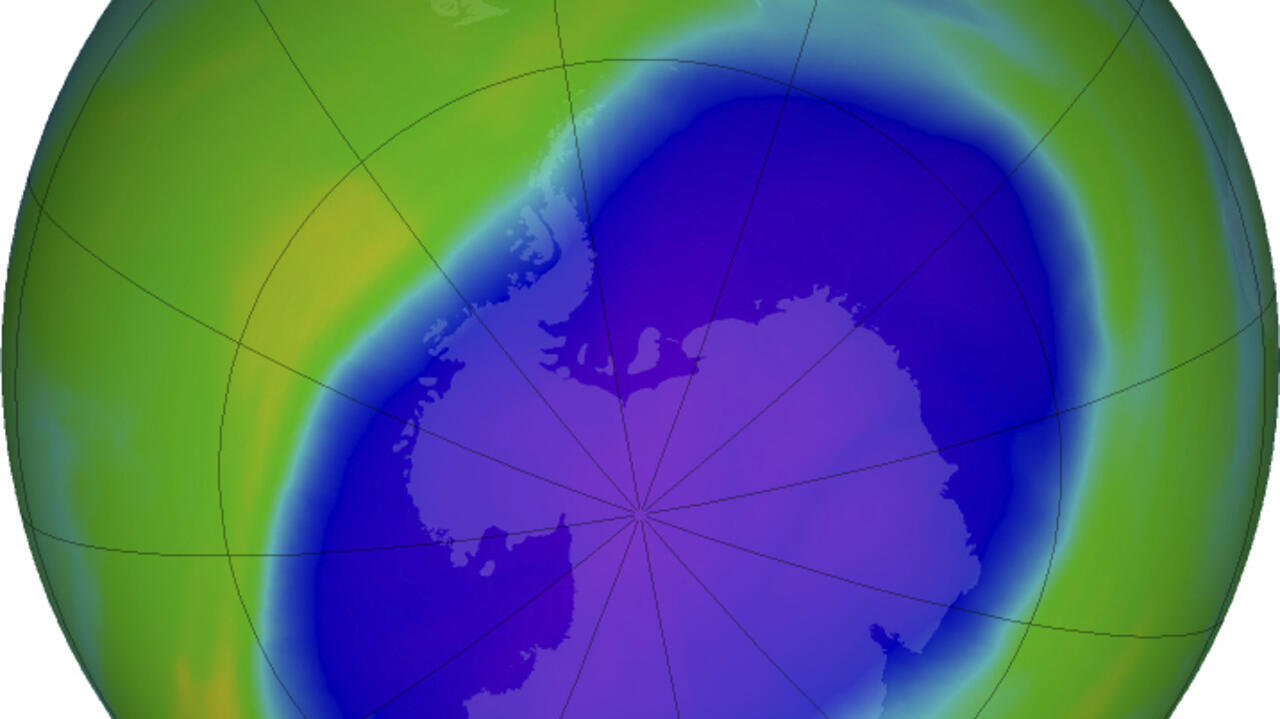
The UN reports that Earth's ozone layer is healing due to successful international efforts, notably the Montreal Protocol, with the ozone hole over Antarctica shrinking and expected to fully recover by mid-century, reducing health and environmental risks.
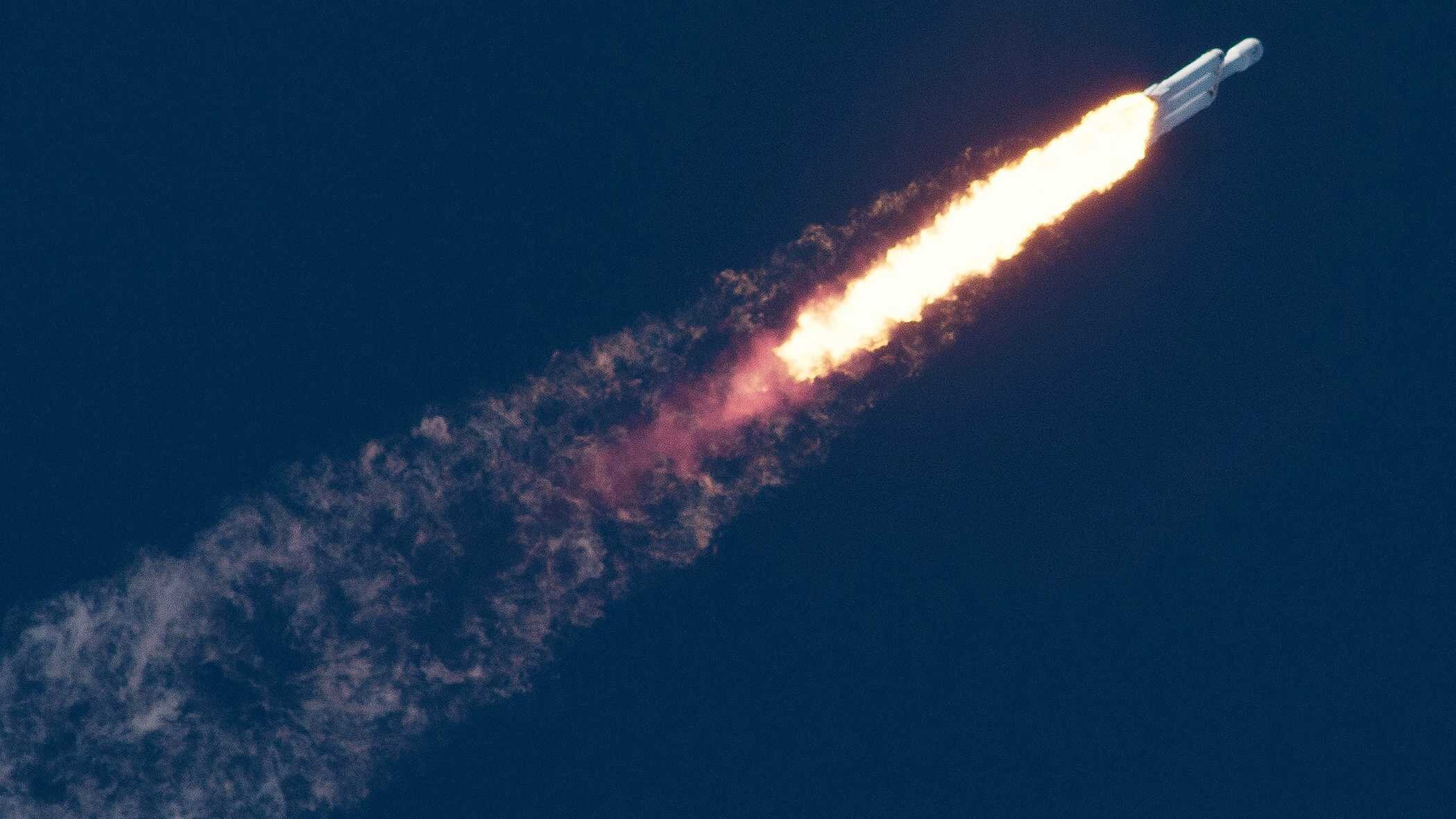
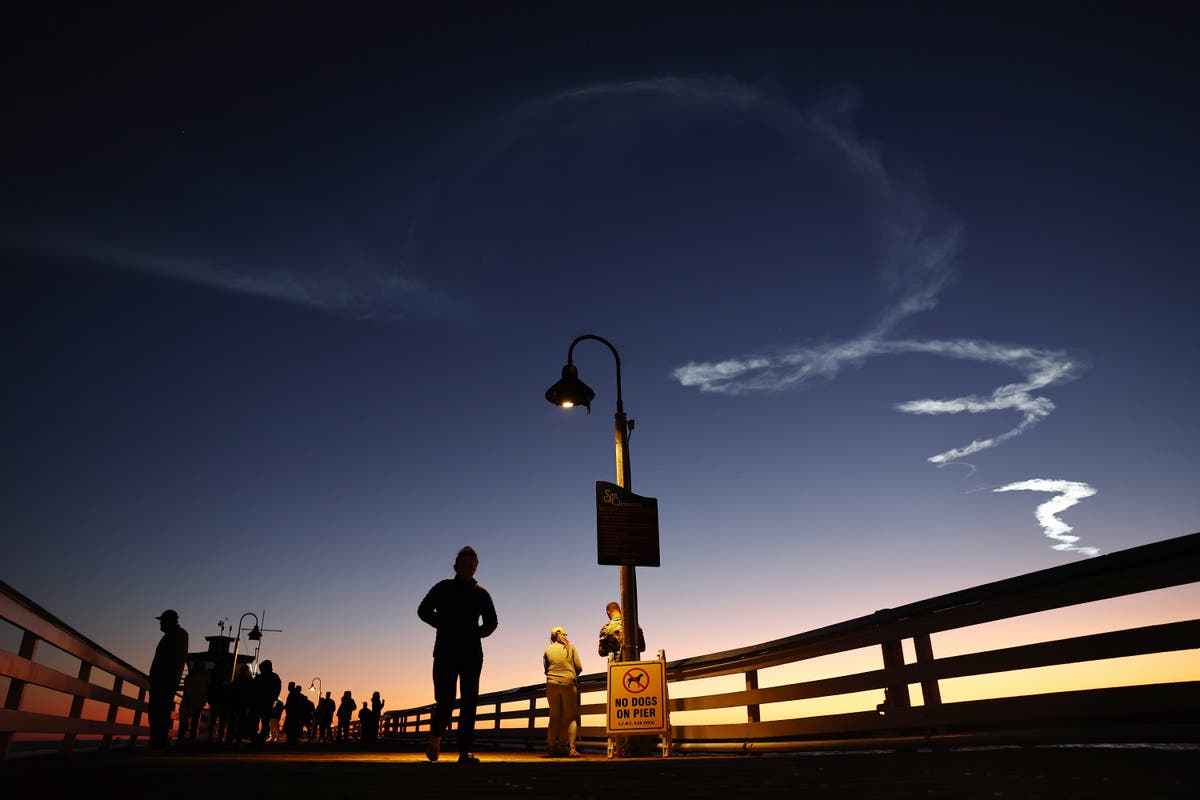
The rapid increase in rocket launches, driven by the expanding space industry, could significantly delay the recovery of the Earth's ozone layer due to emissions of chlorine and soot, which damage ozone. A study predicts that by 2030, increased launches could reduce ozone thickness by nearly 0.3%, with more severe seasonal effects over Antarctica, potentially setting back recovery efforts. Mitigating this impact requires coordinated global action, regulation, and technological advancements in rocket propulsion to protect this vital natural shield.
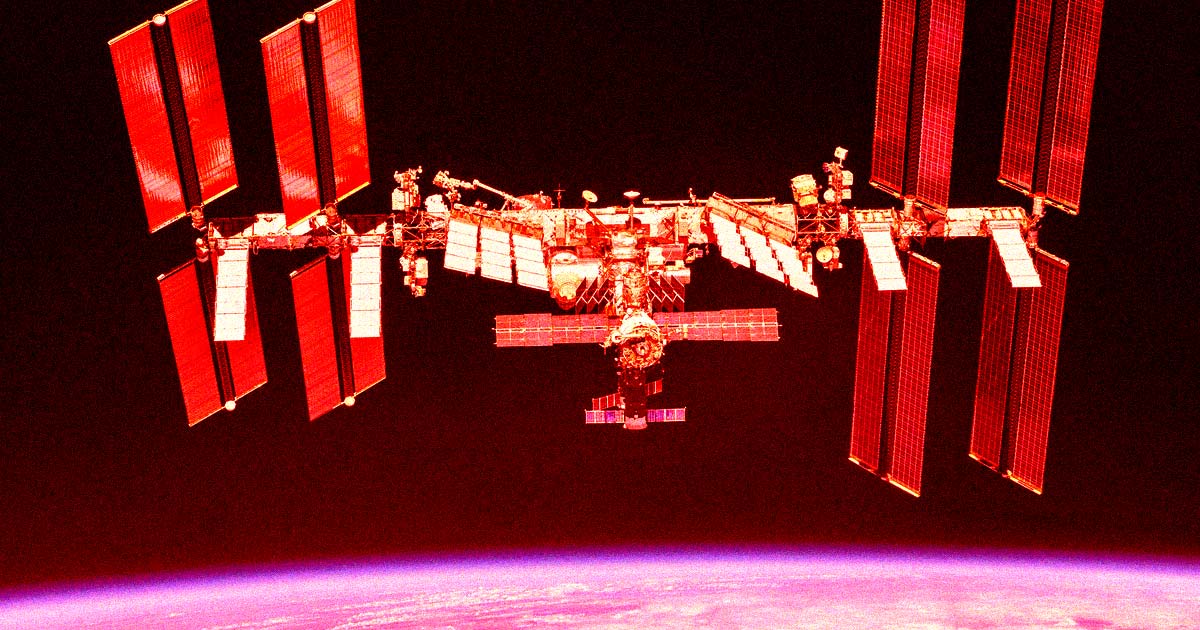
NASA plans to deorbit the International Space Station by 2030, but experts are concerned about the environmental impact of its reentry. The station's large mass could release harmful chemicals into the atmosphere, potentially damaging the ozone layer. This concern is heightened by the increasing number of satellites burning up during reentry, which may contribute to ozone depletion. While the ocean impact is expected to be minimal, the effects on the upper atmosphere remain uncertain.
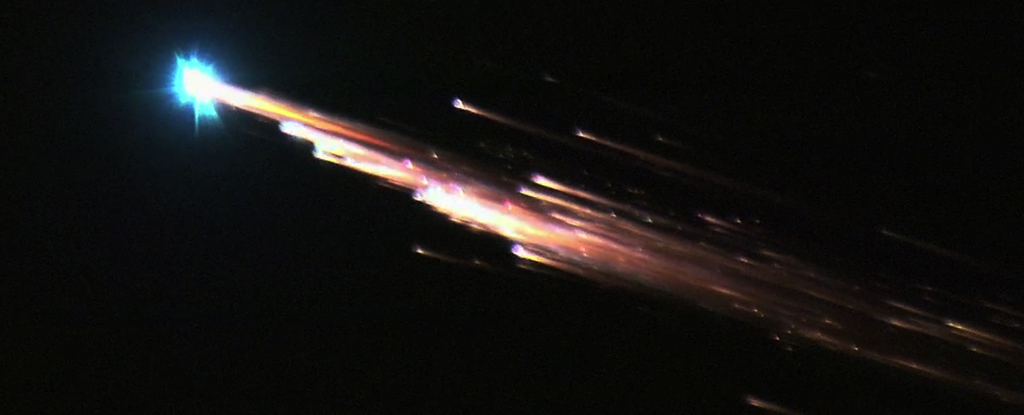
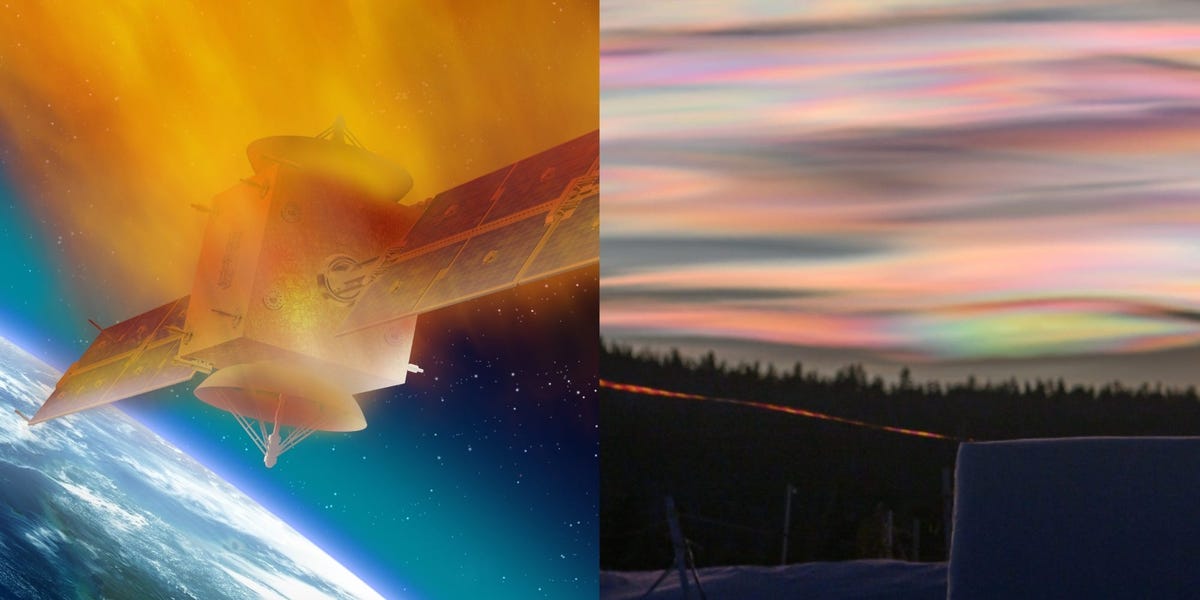
New research suggests that Elon Musk's Starlink satellites could damage the Earth's ozone layer by releasing significant amounts of aluminium oxide gas when they deorbit and burn up in the atmosphere. This gas can deplete the ozone layer, which protects against harmful ultraviolet radiation. With thousands of satellites planned for launch, the environmental impact could be substantial, prompting scientists to call for further investigation.
The planned launch of tens of thousands of satellites by companies like Starlink could pose a new threat to the ozone layer. When these satellites burn up upon re-entry, they release aluminium oxide particles into the atmosphere, potentially facilitating ozone-destroying chemical reactions. While the exact impact is still uncertain, the increasing presence of metallic particles in the stratosphere raises concerns about accelerated ozone loss and other environmental effects.
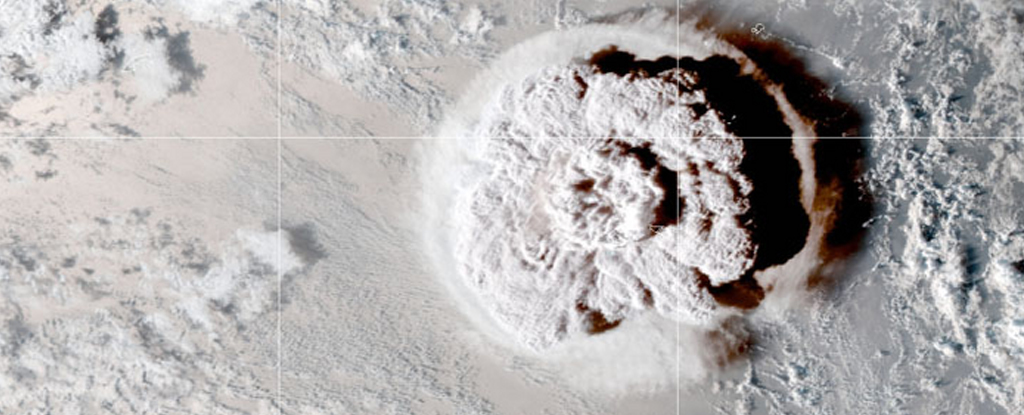
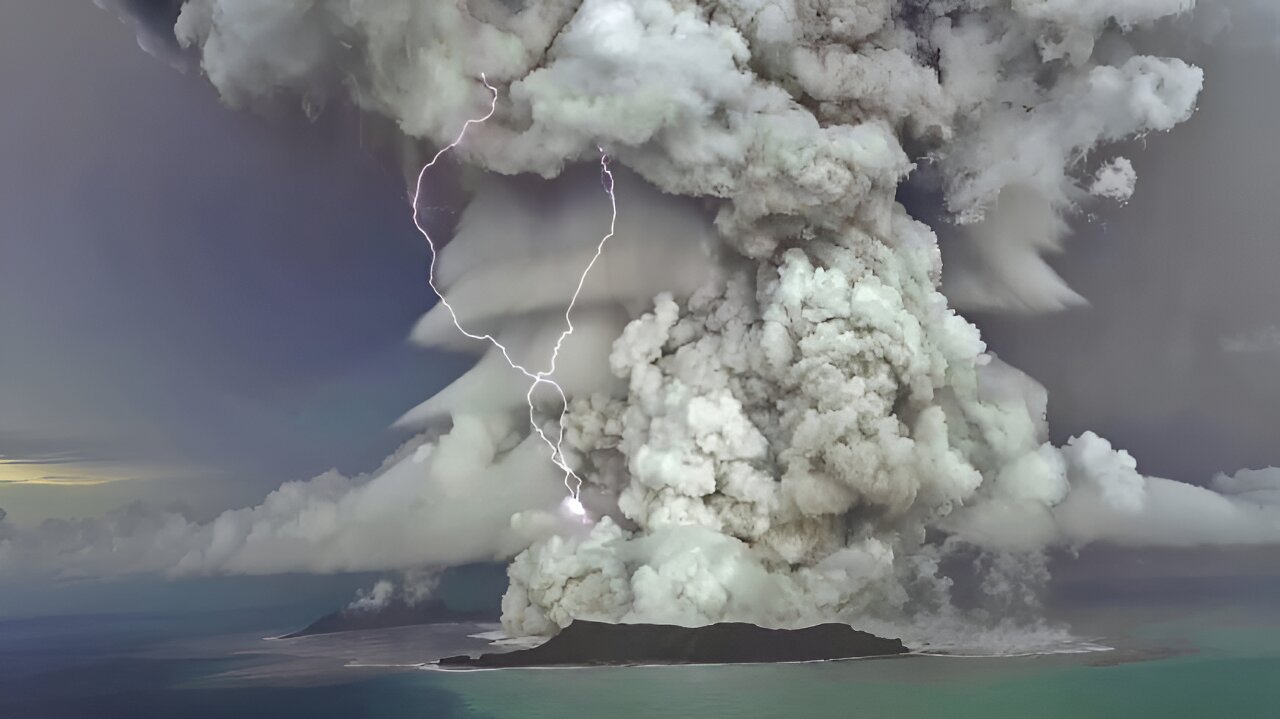
The Hunga Tonga-Hunga Ha'apai volcanic eruption in January 2022 has had significant and unusual climate impacts, including contributing to a large ozone hole in 2023 and altering weather patterns for years. Unlike typical volcanic eruptions, it released massive amounts of water vapor into the stratosphere, which is a potent greenhouse gas and aids in ozone layer destruction. Climate models predict lasting effects, such as colder and wetter winters in northern Australia and warmer winters in North America, potentially disrupting weather patterns for the rest of the decade.
SpaceX plans to dispose of 100 Starlink satellites due to a design flaw, raising concerns about the environmental impact of satellite disposal in the Earth's atmosphere. Atmospheric scientists worry about potential ozone-depleting metals from spacecraft in the stratosphere and the impact on Earth's upper atmosphere. While satellite operators must prove low human-hit rates for re-entry, concerns remain about the environmental effects. Research is ongoing to understand the impact of spacecraft particles on the ozone layer and climate, highlighting the need for rigorous and focused scientific evidence to inform decisions.
Satellites and spacecraft burning up in the atmosphere are leaving metal particles in the stratosphere, raising concerns about potential impacts on climate and the ozone layer. These particles could seed polar stratospheric clouds, potentially damaging the ozone layer. Scientists are worried about the implications of these particles, which could also affect cloud formation and climate. With the aerospace industry rapidly growing, understanding the effects of these particles is becoming increasingly urgent.
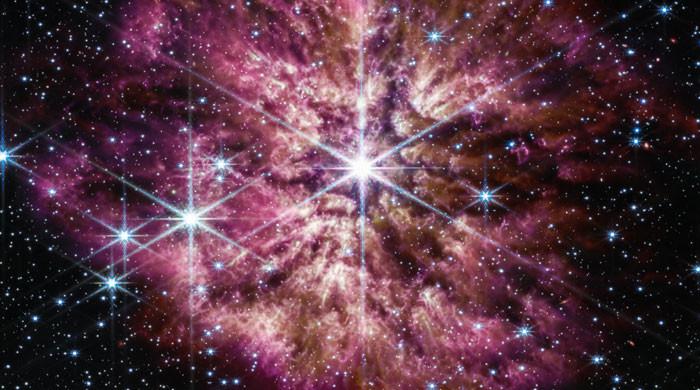
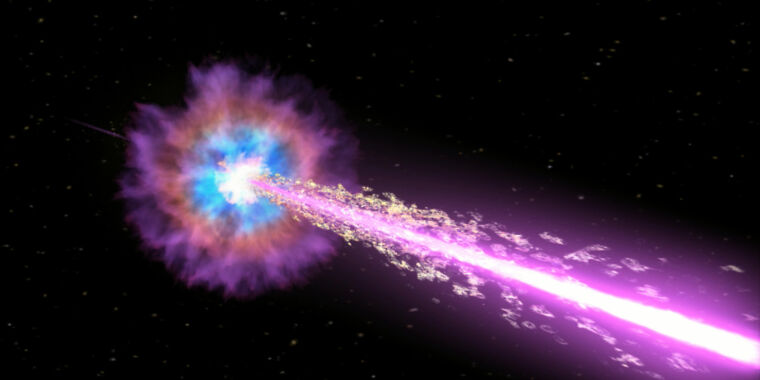
Scientists have discovered that a distant supernova explosion, known as GRB 221009A, temporarily destroyed a portion of Earth's ozone layer in 2022. The explosion, captured by the James Webb Space Telescope, caused a measurable alteration in the Earth's upper atmosphere, including a depletion of ozone molecules that absorb harmful solar radiation. While the ozone layer quickly repaired itself, the findings highlight the potential risk of closer cosmic bursts jeopardizing Earth's protective barrier. Astronomers emphasize the rarity of such events causing significant atmospheric disturbances and consider the distant explosion more of a scientific curiosity than a threat.
A new study published in Nature Communications challenges the widely accepted belief that the ozone layer is recovering. The study suggests that the ozone hole above Antarctica may not be shrinking as expected and may even be expanding. The researchers found that ozone levels have decreased by 26% since 2004 at the core of the hole during the Antarctic spring. They attribute this depletion to changes in the Antarctic polar vortex, although they did not explore the specific causes. Some scientists are skeptical of the study's findings, pointing to other factors such as smoke from wildfires and volcanic eruptions, as well as the influence of the El Niño Southern Oscillation.
A new study published in Nature Communications challenges the widely accepted belief that the ozone layer is recovering. The study suggests that the ozone hole above Antarctica may not be shrinking as expected and may even be expanding. The researchers found that ozone levels have reduced by 26% since 2004 at the core of the hole during Antarctic spring. They attribute this to changes in the Antarctic polar vortex, although other factors such as planet-warming pollution and volcanic eruptions could also contribute. Some scientists are skeptical of the study's findings, citing exceptional events and a short period of analysis.
The massive eruption of the Hunga Tonga-Hunga Ha'apai volcano in January 2022 injected an unprecedented amount of water vapor into the stratosphere, leading to significant changes in its chemistry and dynamics. A recent study found that the eruption caused up to 7% ozone layer depletion over large areas of the Southern Hemisphere. The injection of water vapor and sulfur dioxide from the eruption led to the formation of sulfate aerosols, triggering a chain of events that altered the concentrations of various compounds, including ozone. The researchers used satellite data to track the movement of water vapor and monitor changes in temperature and chemical levels. The study highlights the long-term impact of volcanic eruptions on the stratosphere and the potential for amplified ozone losses in the future.
Scientists have discovered that a gamma-ray burst, known as GRB 221009A, impacted Earth's ionosphere, specifically the top-side, which is less conductive than the bottom-side. The China Seismo Electromagnetic Satellite (CSES) recorded a significant spike in the electric field in the top-side ionosphere during the event. This finding challenges previous assumptions about the effects of gamma-ray bursts on the ionosphere and raises concerns about potential damage to Earth's ozone layer if a similar event were to occur within our galaxy. Further research is being conducted to analyze the possible effects on the ozone layer.
Researchers have discovered significant amounts of metals in aerosols in the Earth's atmosphere, likely from spacecraft launches and returns. The presence of these metals, such as lithium, aluminum, copper, and lead, is changing atmospheric chemistry and may impact the ozone layer and Earth's climate.