earth-science15.775 min read
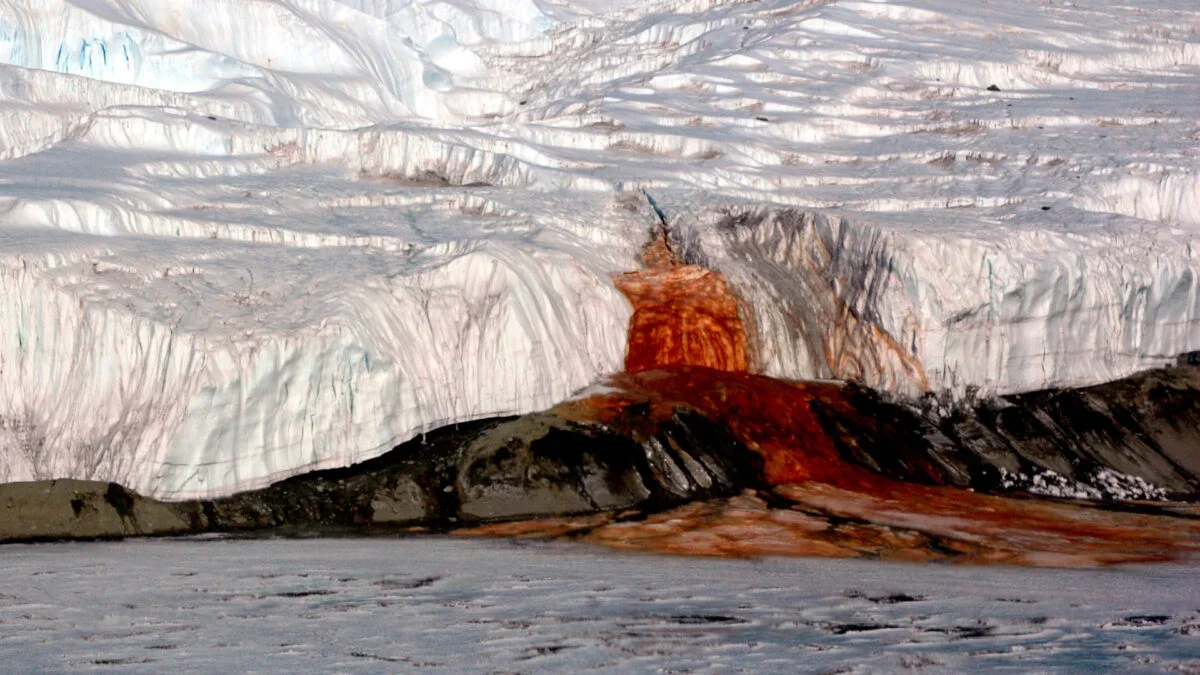
Blood Falls' Red Secret: Iron Oxide From Subglacial Bursts
4 days ago•Source: Gizmodo

The latest earth science stories, summarized by AI
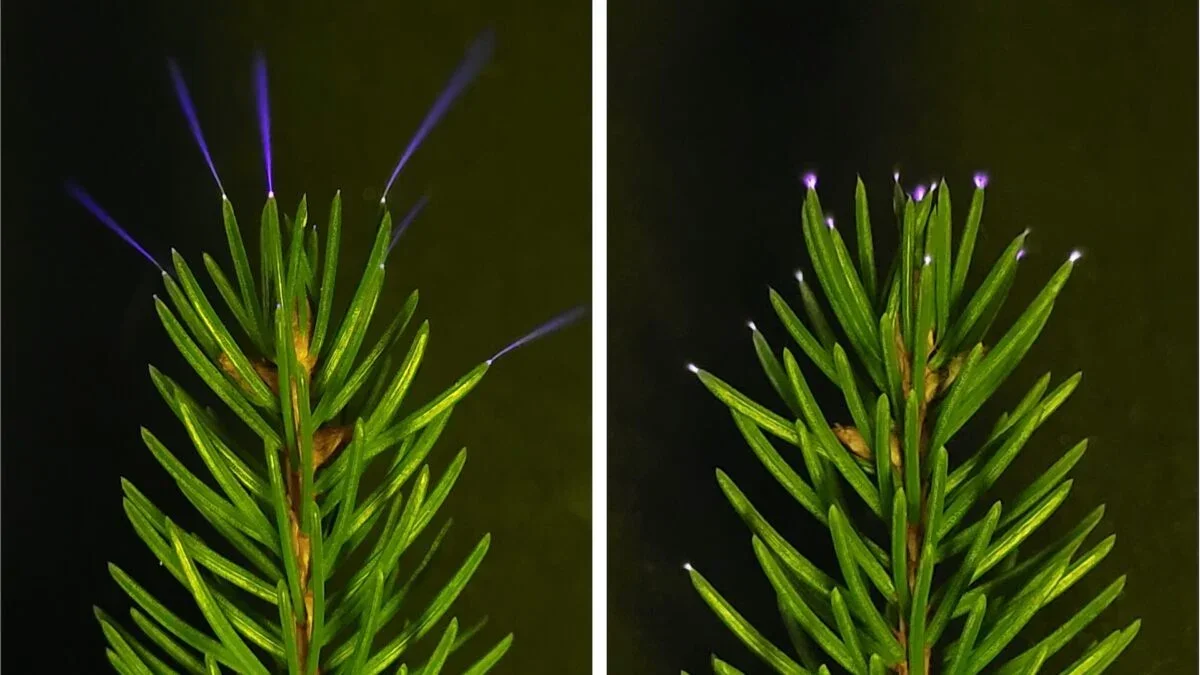
A Penn State–led team captured the first in-the-wild coronae—brief ultraviolet glows at leaf tips—during thunderstorms, logging 41 events on multiple tree species across the East Coast in about 90 minutes. Each glow lasts roughly three seconds and can hop between leaves. While coronae had been seen in laboratory tests, this study confirms they occur in nature and may light tens to hundreds of treetop leaves during a single storm, though the displays are invisible to the naked eye.
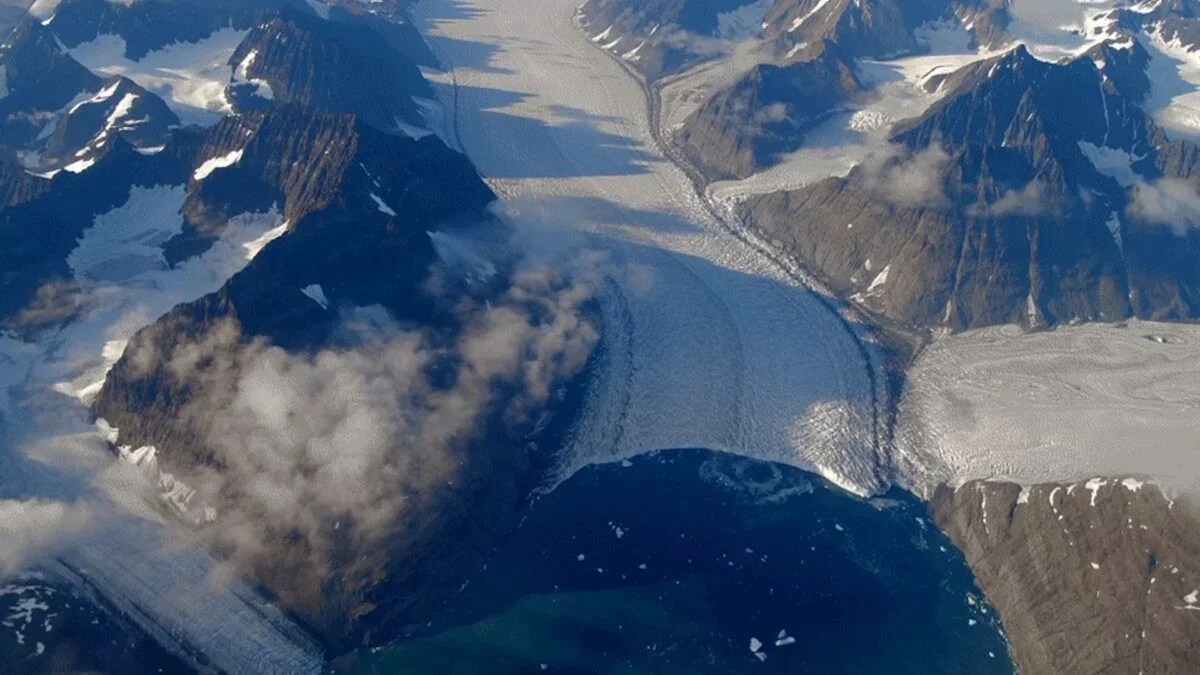
Gizmodo•12 days ago
ScienceAlert•24 days ago
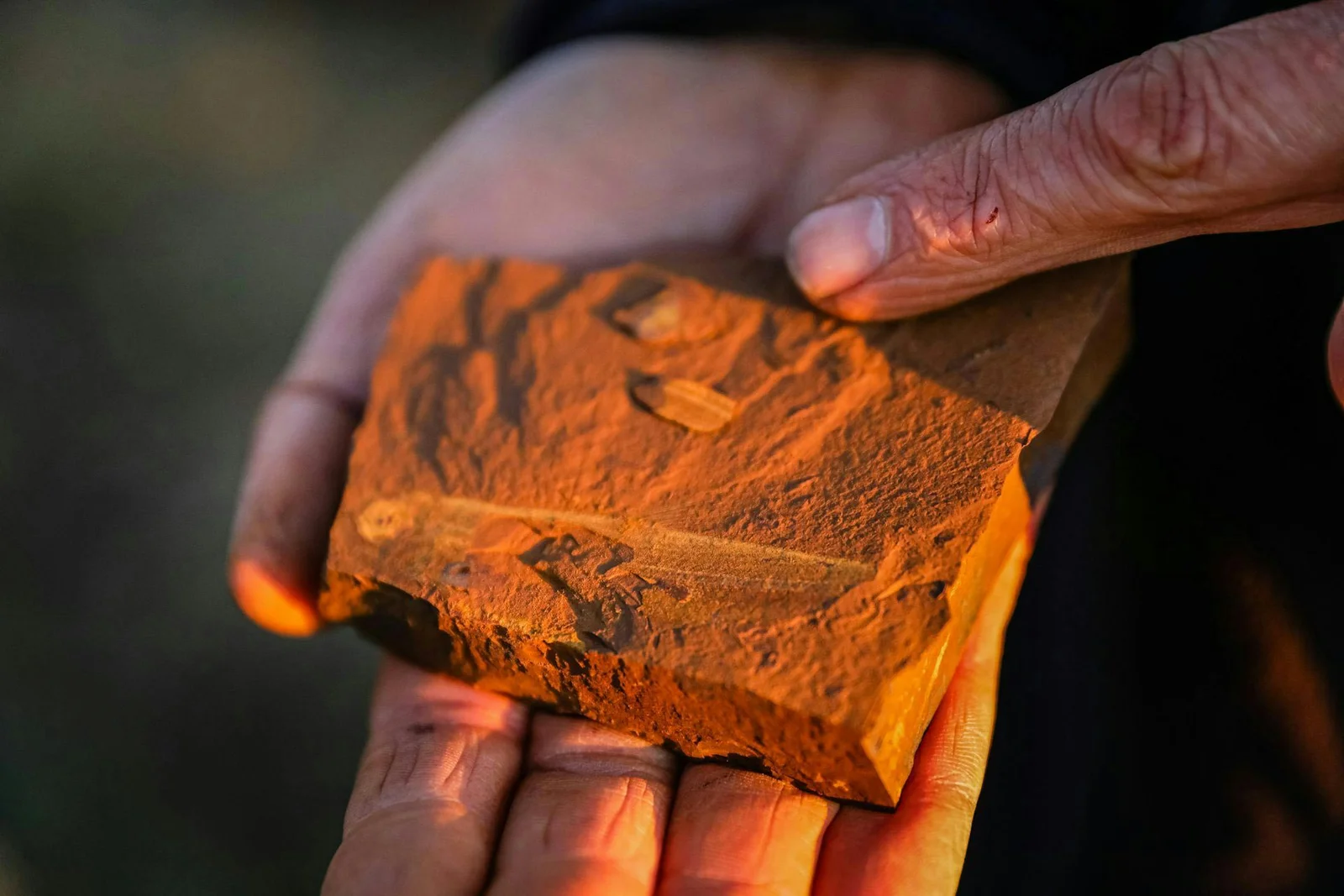
An 11–16 million-year-old ferricrete deposit at McGraths Flat in New South Wales preserves exceptionally detailed terrestrial fossils in goethite, challenging the notion that such exceptional preservation only occurs in shale or sandstone and offering a new pathway to locate iron-based fossil beds.
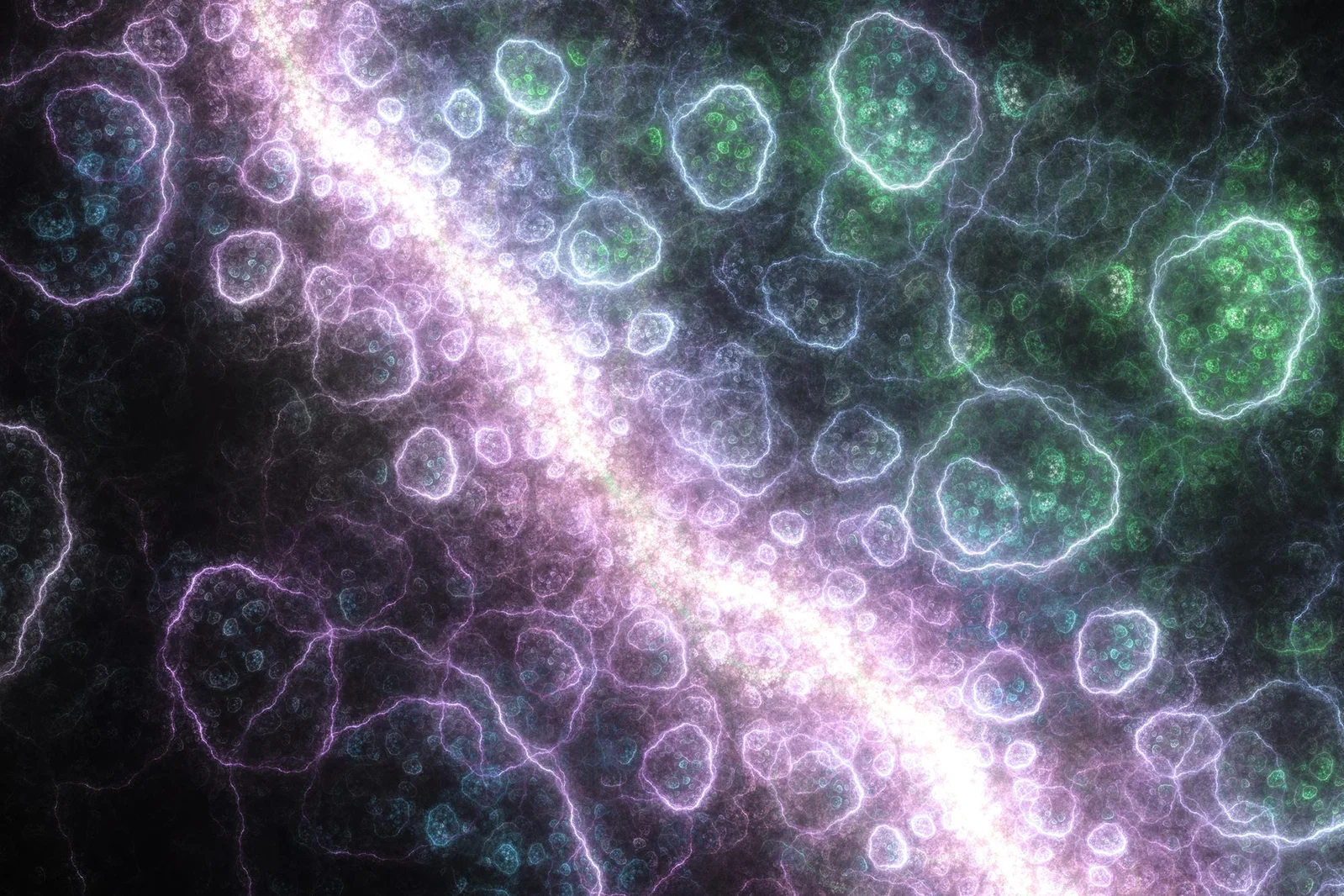
Geologists report wrinkle-like textures in 180-million-year-old deep-sea turbidites in Morocco that are biotic, formed by chemosynthetic microbial mats in sunless, low-oxygen waters. Carbon-rich layers beneath the wrinkles and modern deep-sea analogs support a biotic origin, suggesting such textures can record ancient life in deep-water settings and may widen where researchers search for early Earth life.
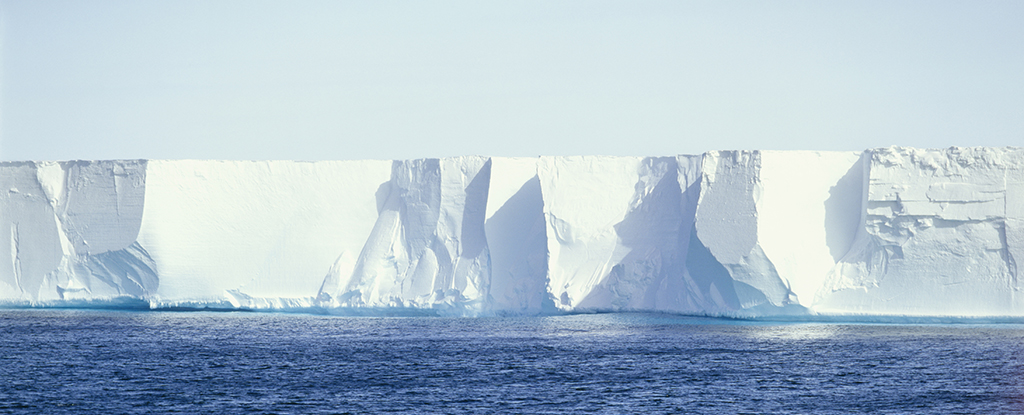
The Ross Ice Shelf in Antarctica, the size of France, has been found to lurch forward once or twice a day due to elastic waves triggered by slip events on the Whillans Ice Stream. These sudden movements, detected by seismographs, could potentially lead to icequakes and fractures in the ice shelf. While not directly linked to human-induced global warming, understanding these movements is crucial for monitoring the long-term stability of the Ross Ice Shelf, which plays a significant role in slowing down the melting rate and increasing ice accumulation in the region.
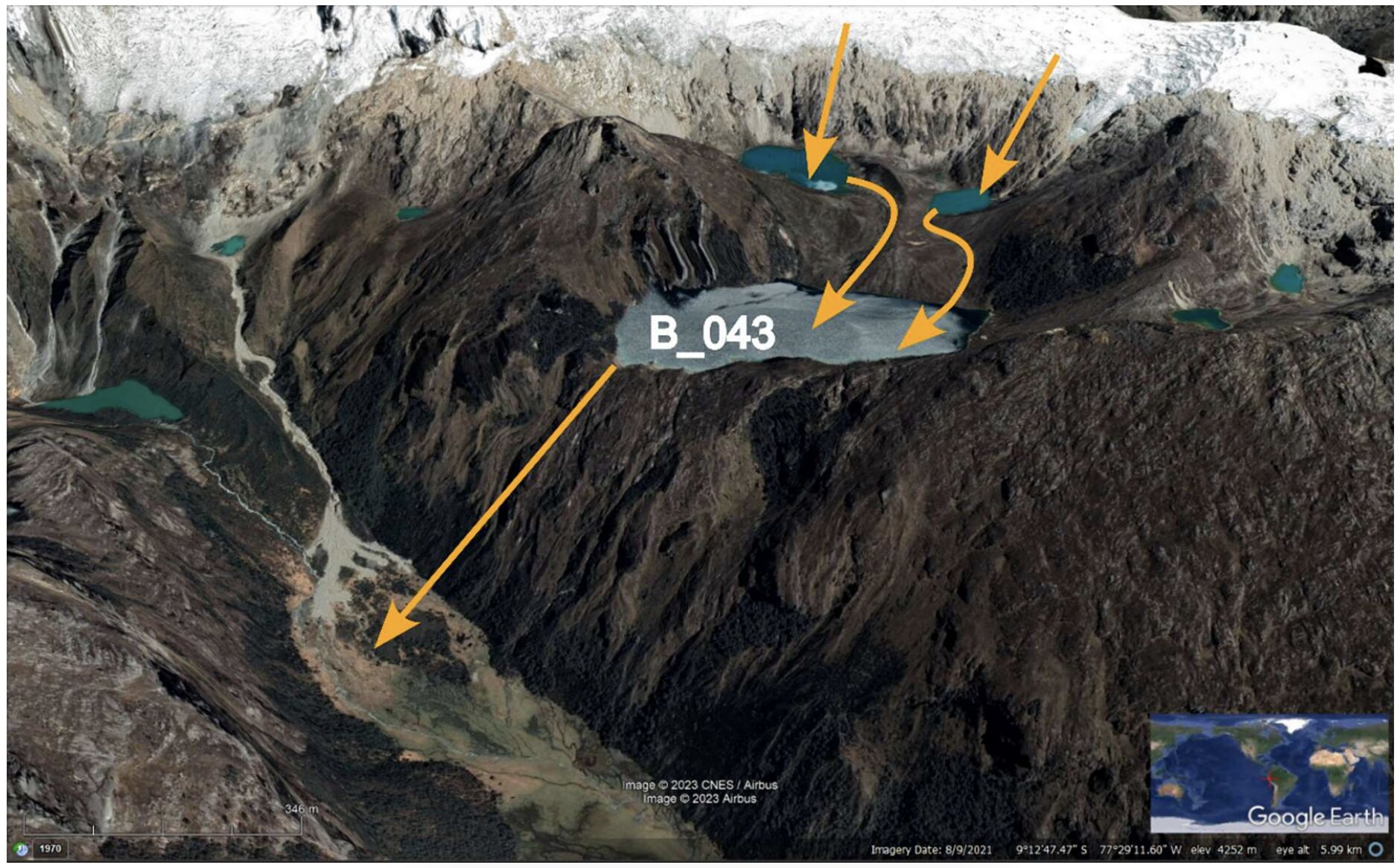
A new study challenges the assumption that earthquakes are the primary driver of glacial lake outburst floods, suggesting that the triggering processes may be more complex than previously thought. Research in the Andes found that only a small number of earthquakes were associated with outburst floods, and further analysis revealed that seismic activity may not always lead to dam destabilization. The study highlights the need for more research to determine the primary drivers of these floods in order to improve hazard assessments and mitigate their impacts on the environment and communities.
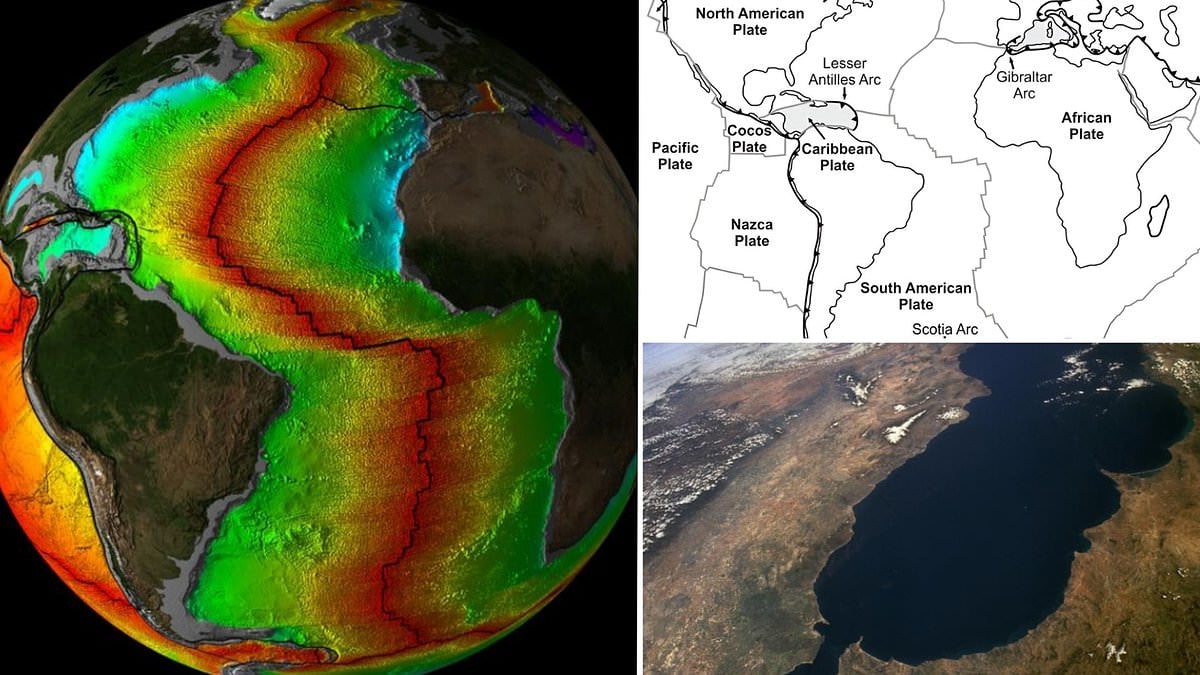
Scientists warn that the Atlantic Ocean could be swallowed by a subduction zone known as the 'Ring of Fire', currently located beneath the Gibraltar Strait, within the next 20 million years. This process, called subduction invasion, could lead to the shrinking and eventual closure of the ocean basin. The study, led by researchers in Portugal, suggests that the subduction zone below the Gibraltar Strait is currently active and could expand westwards into the Atlantic, forming a new Atlantic subduction system. This could have significant implications for seismic activity in the area, as subduction zones are known for powerful earthquakes.
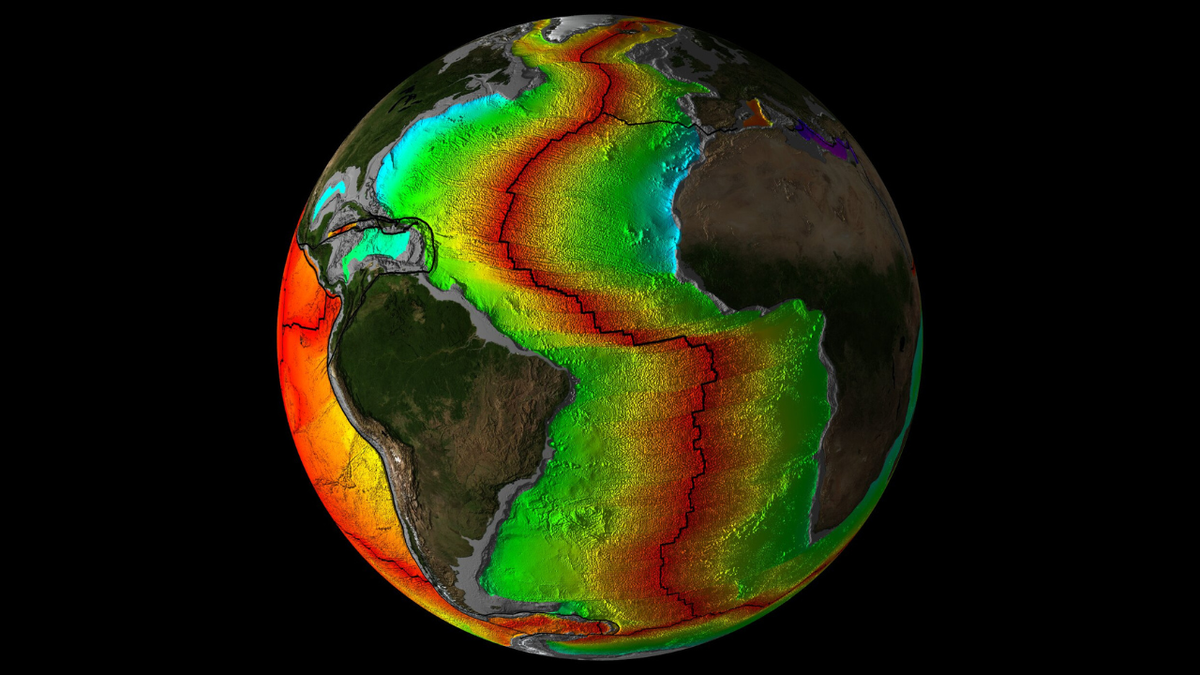
A subduction zone known as the Gibraltar arc, located between Portugal and Morocco, has been creeping westward and could eventually invade the Atlantic Ocean, leading to the formation of an Atlantic subduction system similar to the Ring of Fire in the Pacific. Despite appearing dormant, new research suggests that the subduction zone is merely in a period of quiet and could resume its advance in the next 20 million years, potentially causing the Atlantic Ocean to slowly close up. The zone's movement over the last 5 million years may explain the region's relative lack of seismicity and volcanism, with the last major earthquake occurring in 1755.
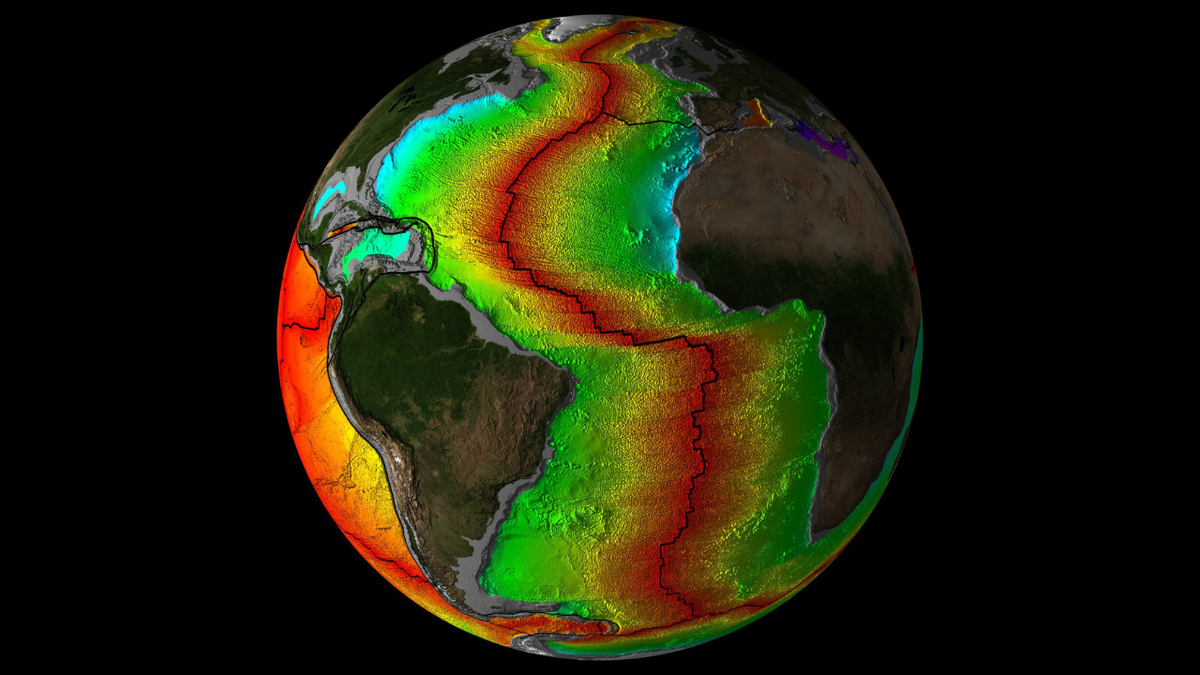
A subduction zone known as the Gibraltar arc, located between Portugal and Morocco, has been creeping westward and could eventually invade the Atlantic Ocean, leading to the formation of an Atlantic subduction system similar to the Ring of Fire in the Pacific. Despite appearing dormant, new research suggests that the arc is merely in a period of quiet and could resume its advance in the next 20 million years, potentially causing the Atlantic Ocean to slowly close up. The subduction zone's movement has been linked to the relative lack of seismicity and volcanism in the region, with the last major earthquake occurring in 1755.
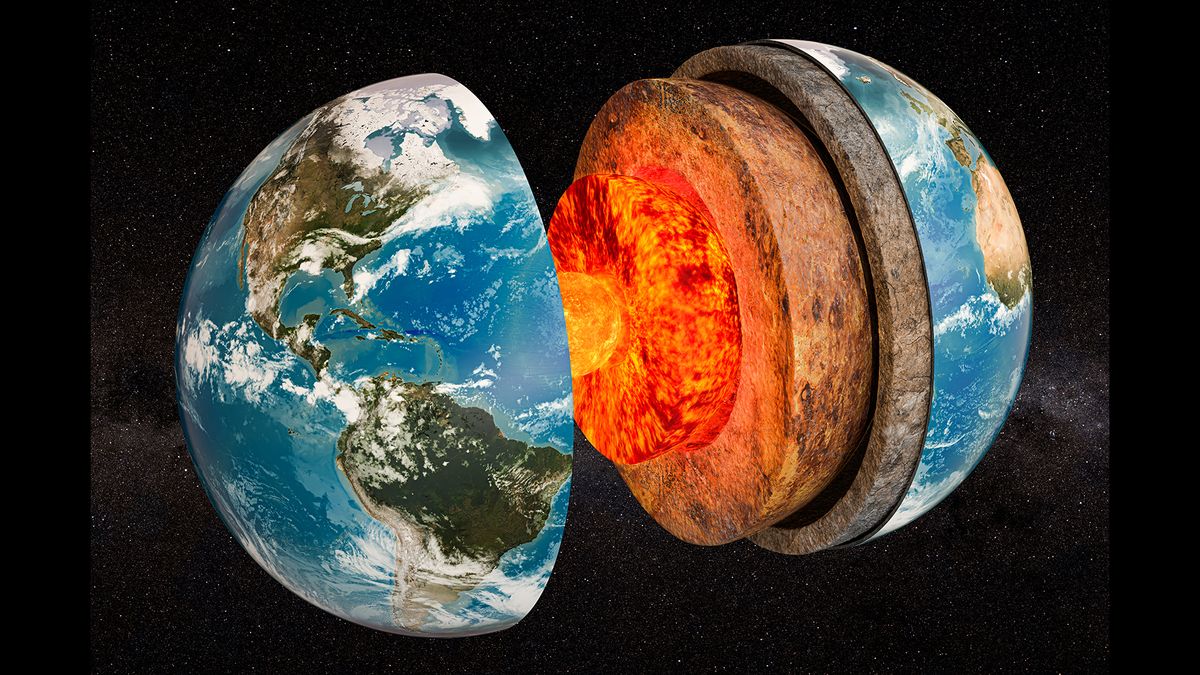
A 2021 study estimates that there are approximately 43.9 million cubic kilometers of water in Earth's crust, making groundwater the largest reservoir of water globally after the oceans. This deep groundwater, largely isolated and salty, could provide valuable insights into Earth's past and support ancient microbial ecosystems, shedding light on the evolution of life on our planet and potentially on other worlds. The study's findings more than doubled previous estimates of deep groundwater, emphasizing the need for further exploration of water at great depths on Earth and other planets.

Geologists have discovered evidence of a prolonged period of rain lasting one to two million years, known as the Carnian pluvial event, which occurred at the beginning of the age of dinosaurs. This event is believed to have been triggered by a significant rise in humidity caused by a massive volcanic eruption, leading to global warming and increased moisture in the air. The wet period allowed dinosaurs to diversify and thrive after a period of extinctions, playing a crucial role in the history of life and the origins of modern fauna.
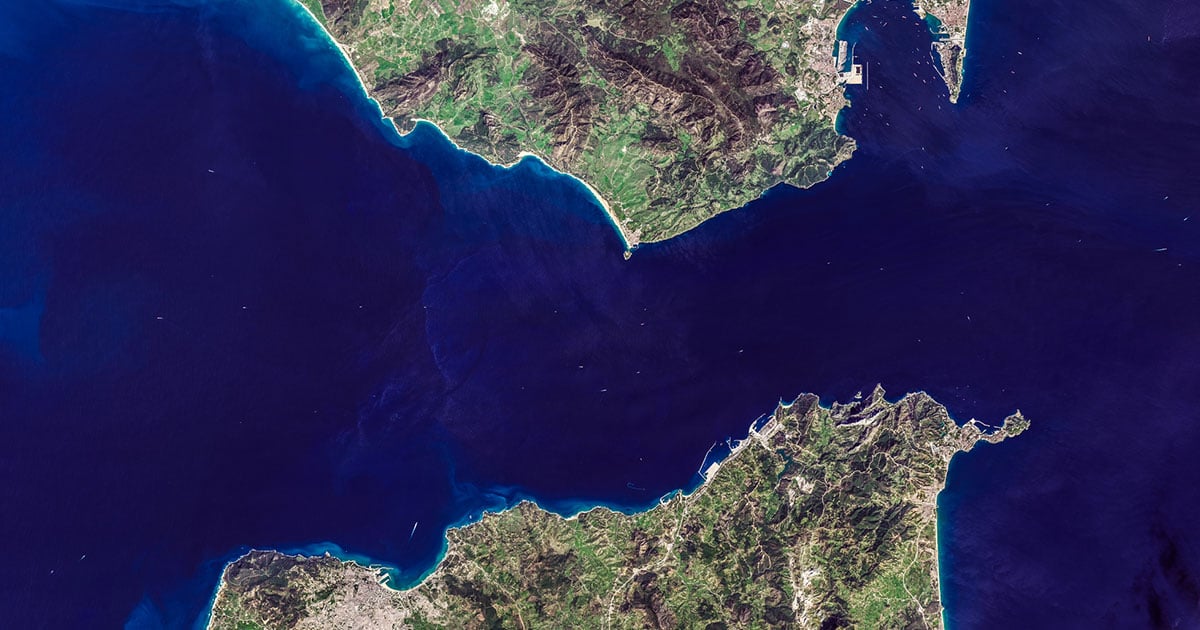
Scientists discovered that an oceanic slab, the "Alboran slab," beneath Granada, Spain, had completely flipped upside down as it was being pushed beneath its neighbor, the Eurasian slab, due to the presence of "hydrous magnesium silicates" roughly 370 miles beneath the surface. This unprecedented finding sheds light on how pieces of the Earth's crust interact and their relation to seismic activity, providing a fresh sense of wonder for the extraordinary geographical marvels of our home world.