Despite a global boom in clean energy investments, 2025 saw significant setbacks in climate policies, led by the US and influenced by political shifts, which threaten to overshoot the Paris Agreement's temperature targets and exacerbate climate change impacts.
A decade after the Paris climate agreement, global efforts have made some progress in reducing future warming projections and increasing renewable energy, but overall climate change impacts have accelerated, with temperature rises, extreme weather, and ice melt surpassing expectations, highlighting the urgent need for faster action.
The article argues that the current global climate policy framework, centered around the UNFCCC and the Paris Agreement, is ineffective in achieving meaningful decarbonization. It highlights the failures of market-based solutions like carbon offsets and pricing, the broken promises of climate finance, and the influence of fossil fuel interests through investment protections. The author advocates for a shift away from the UNFCCC towards direct economic reforms, such as taxation and reducing fossil fuel subsidies, to accelerate the transition to green energy and address the climate crisis more effectively.
The State of Climate Action 2025 report highlights that global efforts to meet the Paris Agreement targets are significantly lagging, with none of the assessed indicators on track to limit warming to 1.5°C by 2030. Despite some progress, such as increased private climate finance and rising electric vehicle sales, critical areas like deforestation, coal phase-out, and climate finance require urgent and substantial acceleration to avoid severe climate impacts.
A recent report shows that while efforts to combat climate change are making progress, they are not happening fast enough to meet the 1.5°C warming limit set by the Paris Agreement. Key issues include slow coal phaseout, fluctuating electric vehicle adoption, and insufficient climate finance, with US policies notably hindering progress. Despite setbacks, renewable energy growth and private investments offer some hope for future improvements.
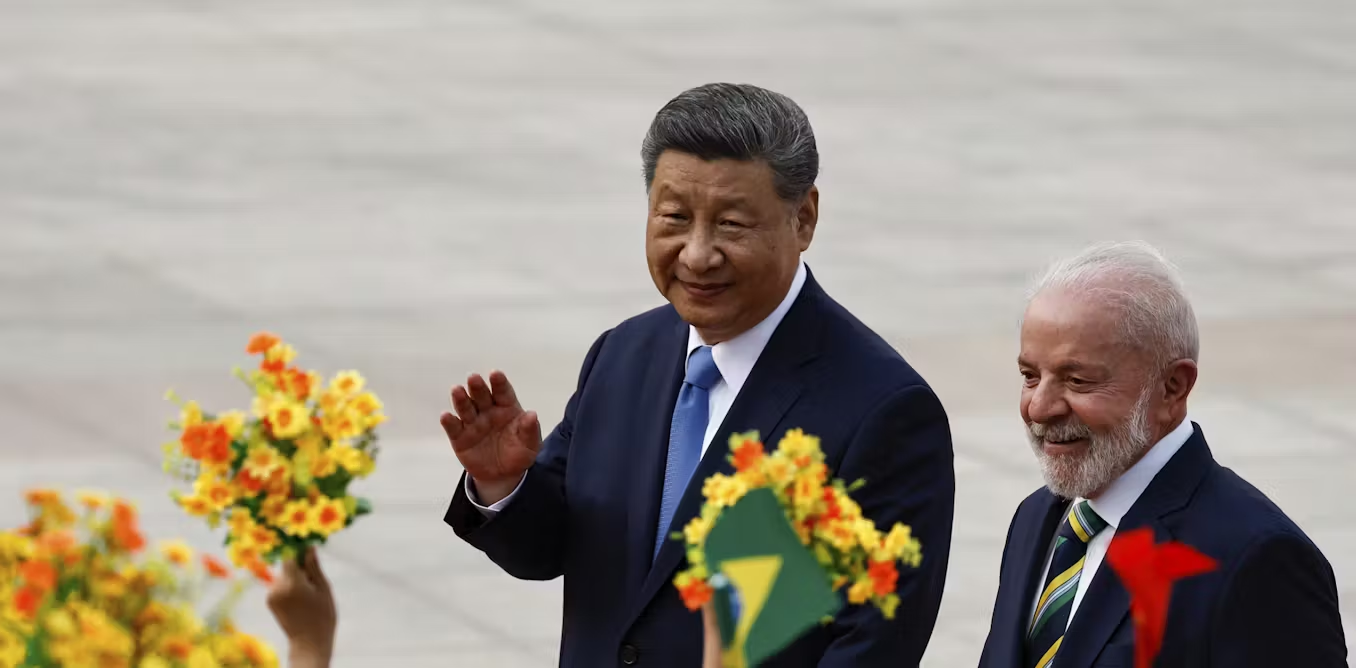
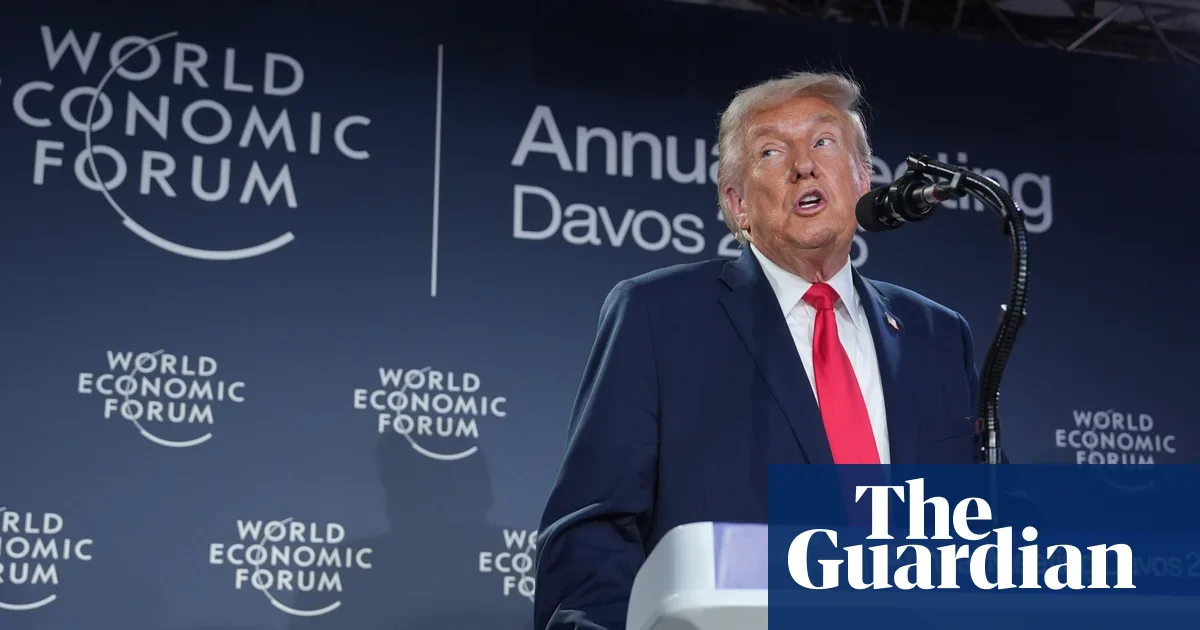
China reaffirms its commitment to climate goals and renewable energy, emphasizing the importance of international cooperation, while the US under Trump dismisses climate efforts as a scam and criticizes wind energy initiatives.
A report reveals that countries are planning to produce over twice the fossil fuels needed to meet the Paris Agreement's climate goals, with major polluters like China, the US, and India increasing production, especially of coal, despite commitments to reduce emissions.
A study published in Nature reveals that Earth's capacity to store carbon dioxide in rock formations is much lower than previously thought, estimated at around 1,460 gigatonnes, which could be exhausted by 2200. This limited capacity poses challenges for meeting climate goals, as current and planned CO2 capture efforts are far below the levels needed to significantly reduce global warming, and even full utilization of storage would only modestly reverse temperature rise.
Despite the US repeatedly withdrawing from the Paris climate agreement under President Trump, other countries like China, the EU, and the UK are stepping up to fill the leadership void, with China emerging as a key player in global climate efforts through investments in renewable energy and strategic initiatives, while the Paris Agreement remains resilient due to its flexible, nonbinding structure.
EU and China reaffirm their commitment to climate cooperation, emphasizing the importance of the Paris Agreement and UNFCCC, and agree to strengthen joint efforts in renewable energy, green technologies, and sustainable development to support global climate goals and promote a just transition.
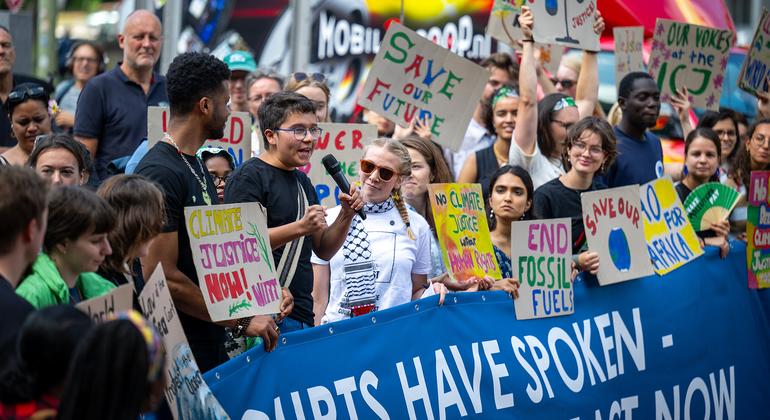
The International Court of Justice ruled that countries are legally required to reduce greenhouse gas emissions and protect the climate, emphasizing their obligations under international environmental and human rights treaties, including the Paris Agreement, with non-compliance potentially leading to legal responsibility.
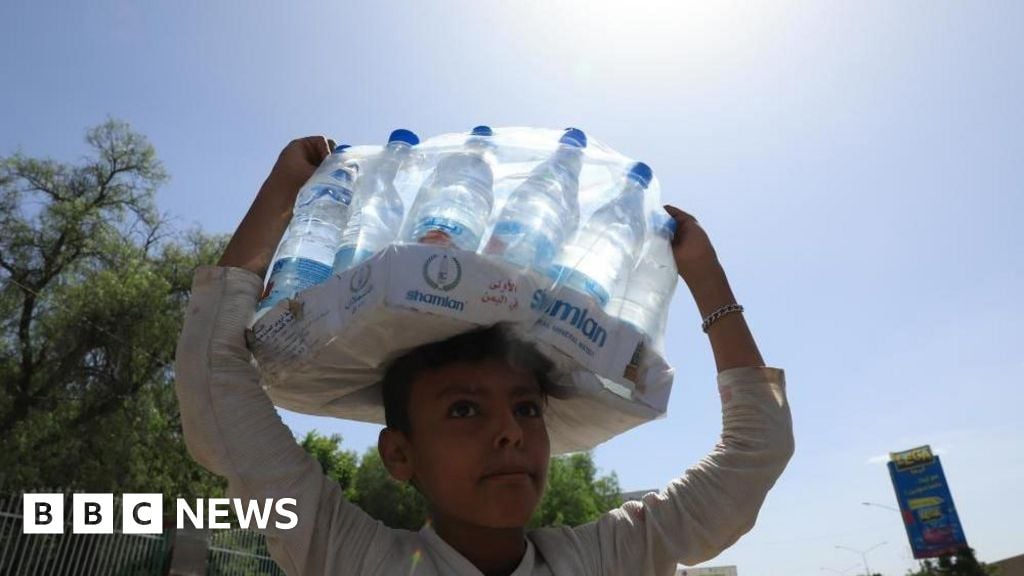
A new assessment warns that at current emission levels, the Earth could breach the 1.5°C warming limit within three years, highlighting the urgent need for rapid emissions reductions to prevent severe climate impacts and limit global temperature rise.
Earth is projected to warm by about 2.7°C by 2100, which poses significant risks, but recent progress in renewable energy and emissions reductions suggests we may avoid the worst climate scenarios. While the goal of limiting warming to 1.5°C is increasingly unlikely, efforts to decarbonize and adopt clean energy are gaining momentum, offering hope for a better climate future despite ongoing challenges.
China's carbon emissions may peak by 2025, driven by a surge in green energy and electric vehicle adoption, though experts remain divided. A report by the Centre for Research on Energy and Clean Air highlights China's progress, with over half of new cars sold being electric for three consecutive months in 2024. However, challenges remain, as China's carbon intensity reduction targets are at risk due to economic growth driven by high-tech manufacturing. The international community is closely watching China's decarbonization efforts, especially in light of potential U.S. policy shifts under a second Trump presidency.
At the COP29 climate summit in Baku, developed nations agreed to channel at least $300 billion annually into developing countries by 2035 to combat climate change, a decision that left many developing nations dissatisfied as they had called for $1.3 trillion. The summit also finalized Article 6 on carbon markets, completing the Paris Agreement's framework. However, key issues like transitioning away from fossil fuels were deferred to COP30. The event was overshadowed by Donald Trump's reelection, which could impact future climate negotiations, and accusations of conflict of interest against Azerbaijan, the host nation.