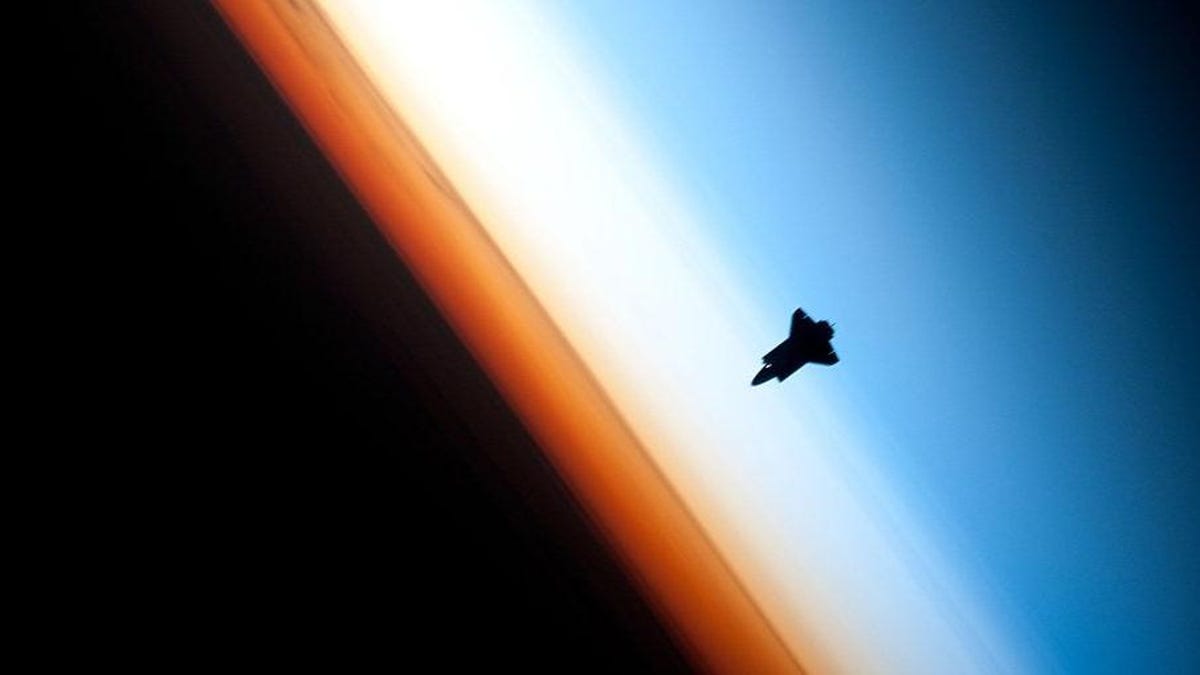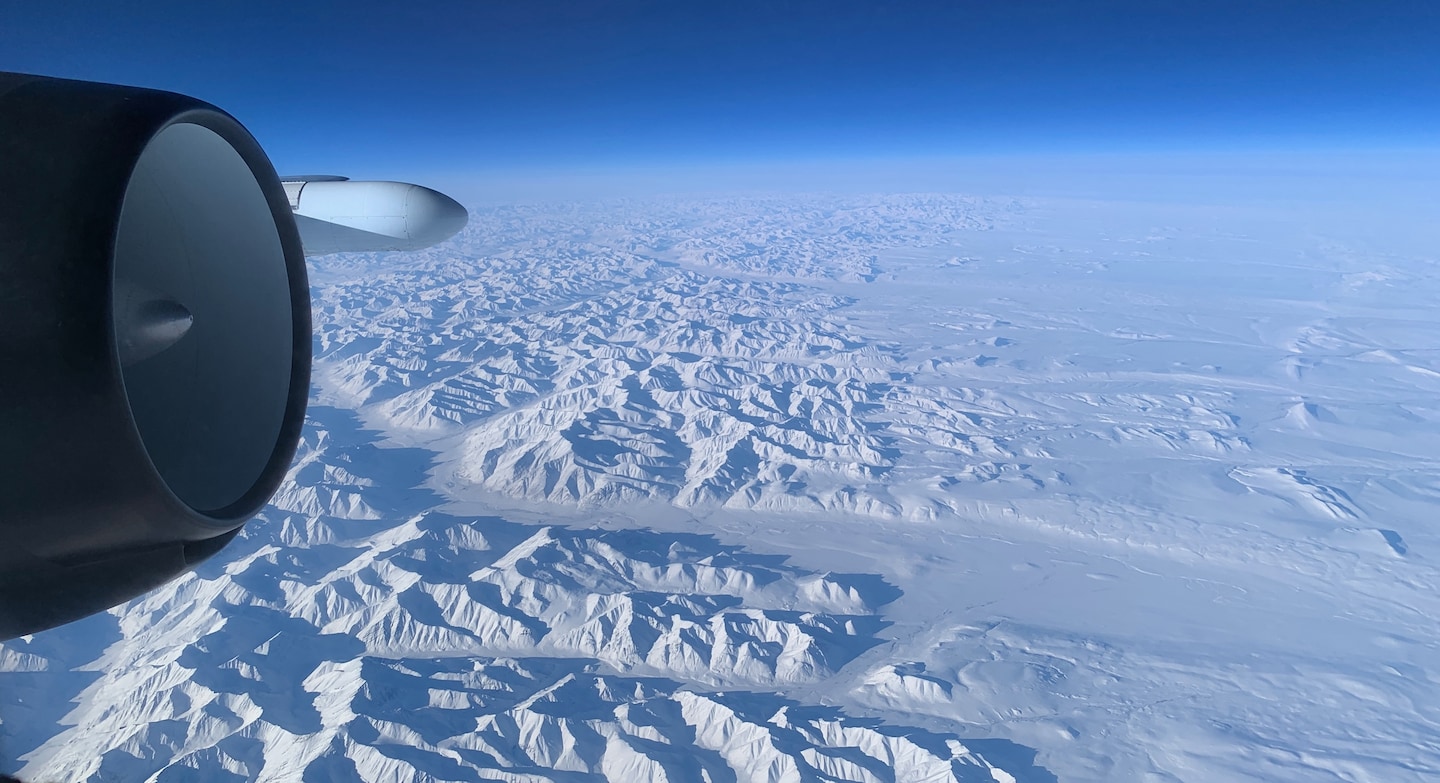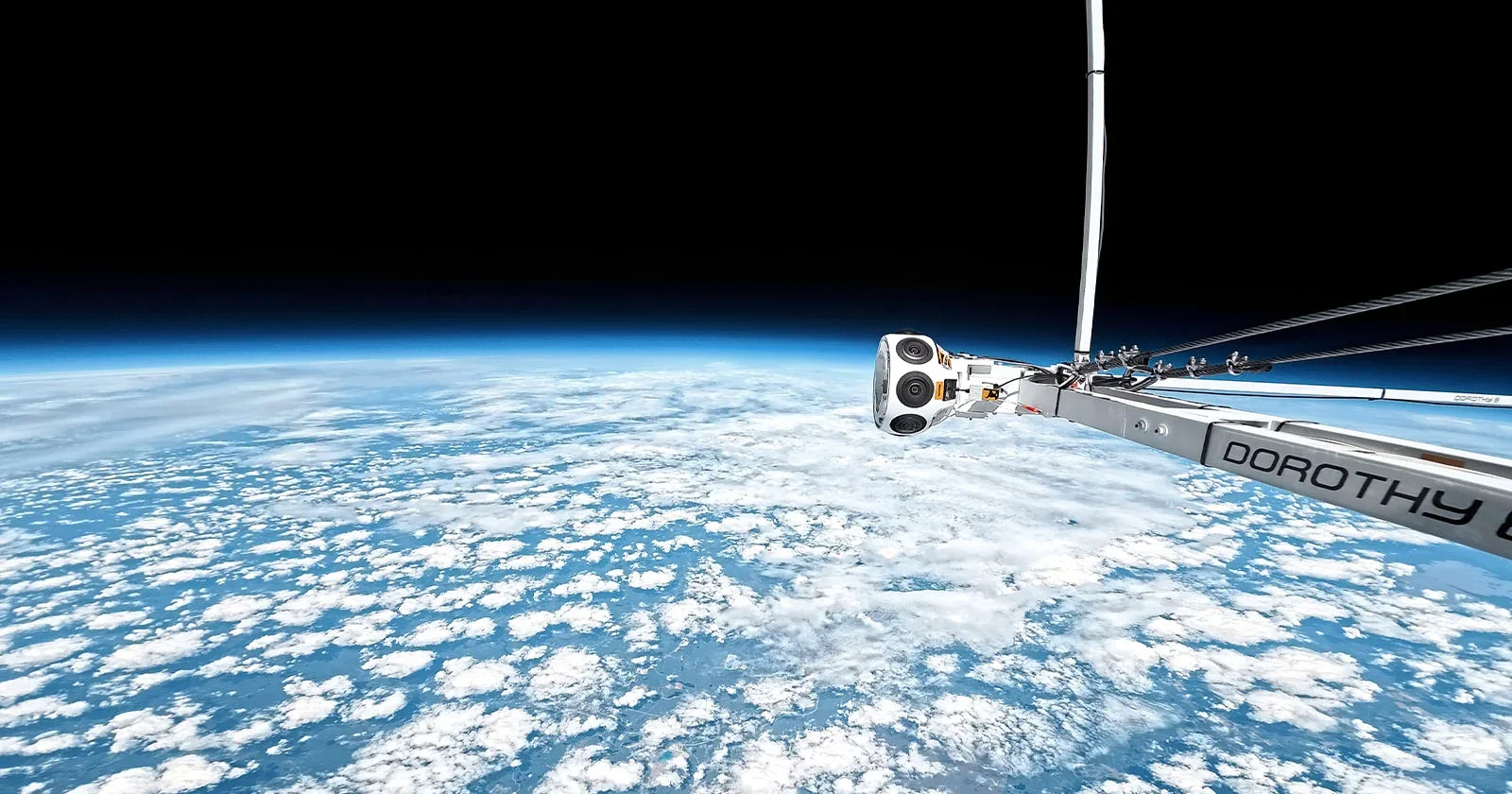
A team of scientists and artists sent a modified Insta360 camera to the edge of space to capture high-resolution images that aim to inspire a sense of global connection, inspired by the 'overview effect.' The 11K 360-degree camera, built for extreme conditions, was launched on a balloon reaching 20 miles above Earth, capturing stunning footage for documentaries and scientific use, despite some technical challenges during the flight.
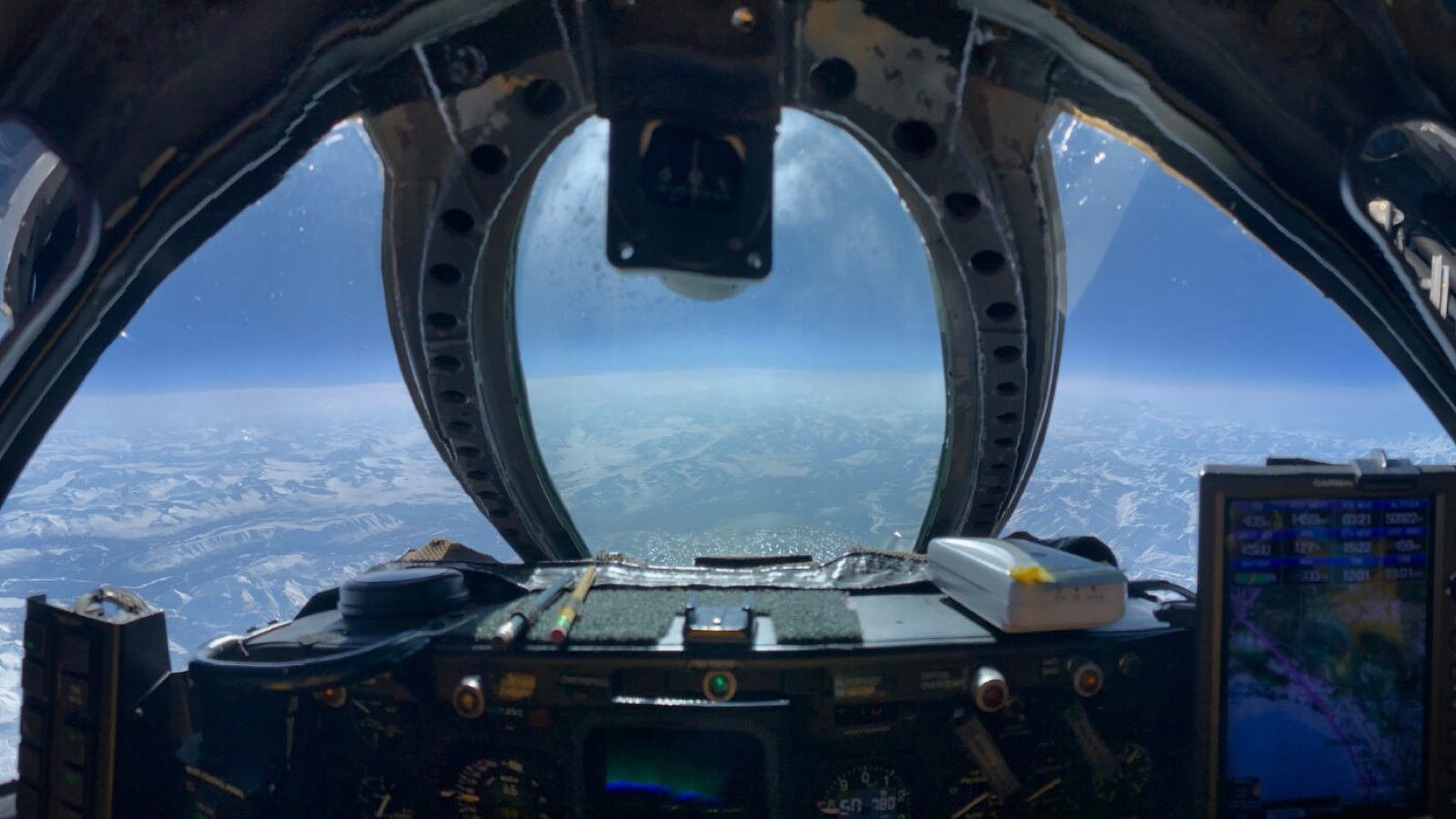
A study using NASA aircraft revealed that toxic perchlorates, which can contaminate groundwater, form high in Earth's atmosphere on particles associated with smoke and organic material, raising concerns about increased pollution due to human activities like wildfires and geoengineering.
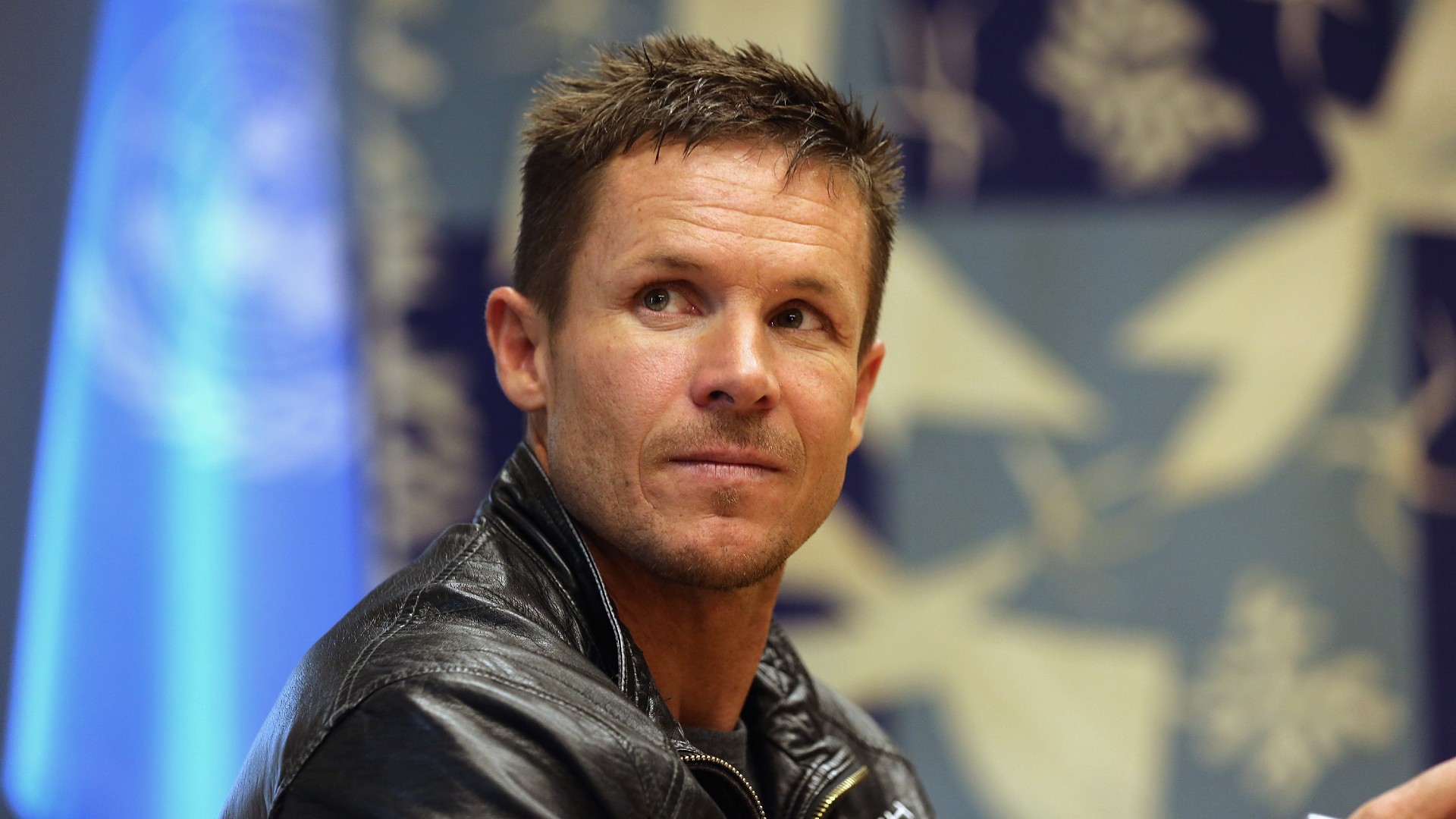
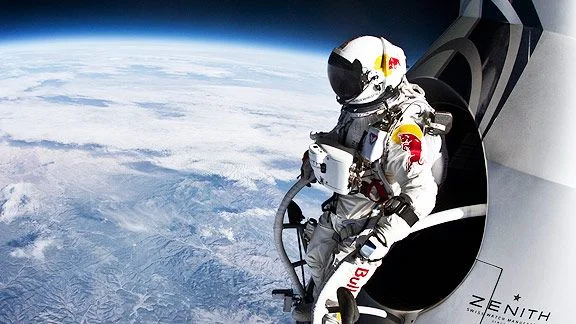
Felix Baumgartner, renowned for breaking the sound barrier during a high-altitude jump, died at 56 in a paragliding accident in Italy, crashing into a pool edge. He was celebrated for his record-breaking jump from 128,000 feet in 2012 and was a pioneering figure in extreme sports.
Felix Baumgartner, renowned for breaking the sound barrier during a stratospheric jump in 2012, died at age 56 in a paraglider crash in Italy. He was celebrated for his extreme feats and symbolized courage in adventure sports.
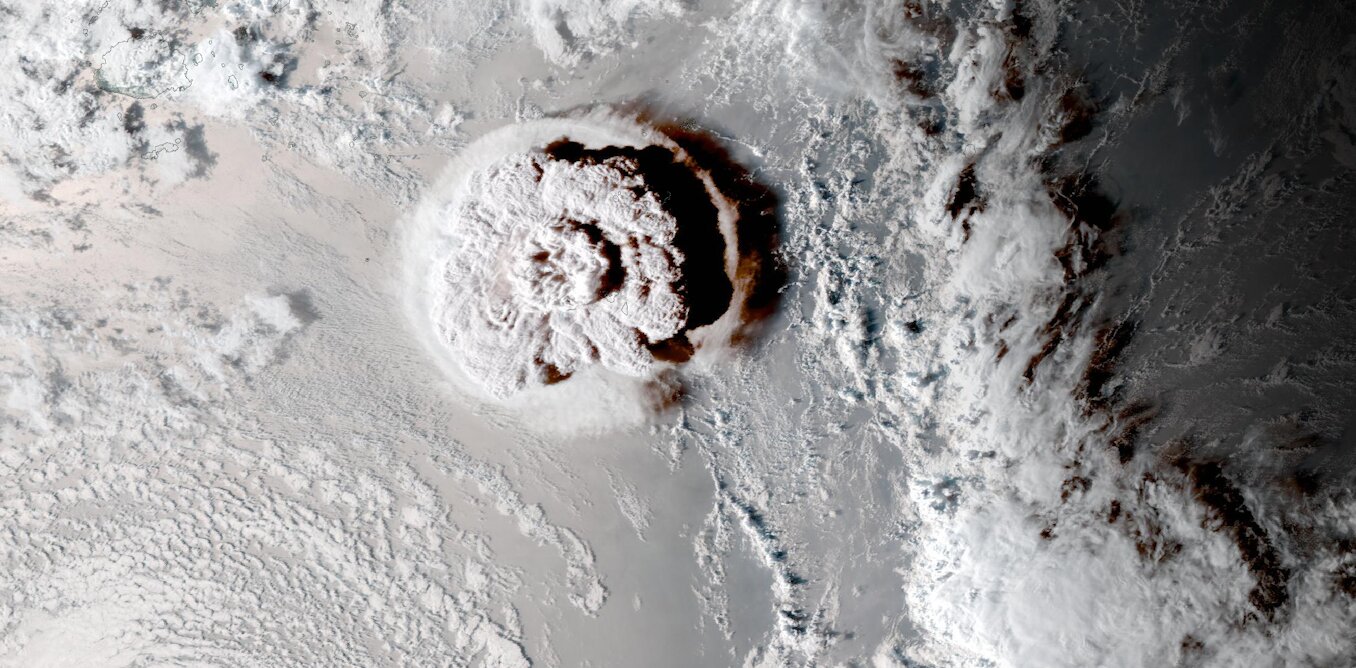
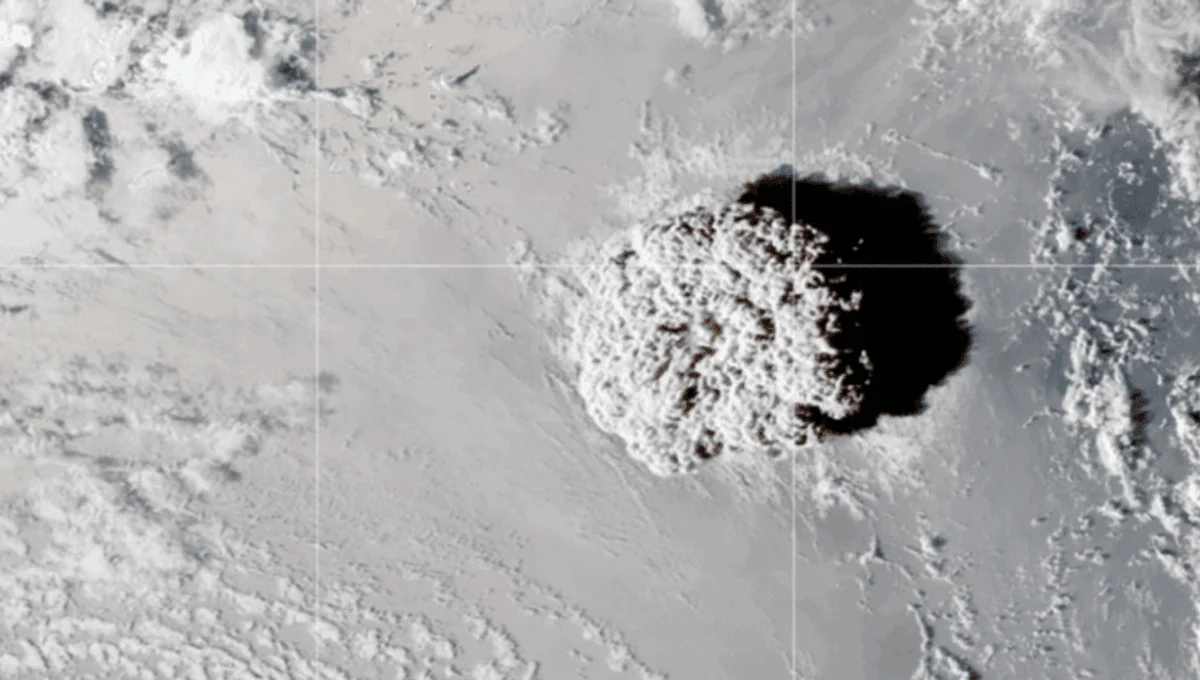
A new study reveals that the 2022 Hunga Tonga volcanic eruption, which released massive amounts of water vapor into the stratosphere, could cause unusual weather patterns for the rest of the decade. The eruption has been linked to the large ozone hole in 2023 and unexpected wet summers in Australia. The study predicts colder and wetter winters in northern Australia, warmer winters in North America, and colder winters in Scandinavia until 2029.
The 2022 eruption of the Hunga Tonga-Hunga Ha’apai volcano has had significant and unusual impacts on global weather patterns, including an enlarged ozone hole and unexpected wet summers. The eruption injected massive amounts of water vapor into the stratosphere, a potent greenhouse gas, which could affect weather patterns for the rest of the decade. Climate models predict colder and wetter winters for northern Australia, warmer winters for North America, and colder winters for Scandinavia until 2029.
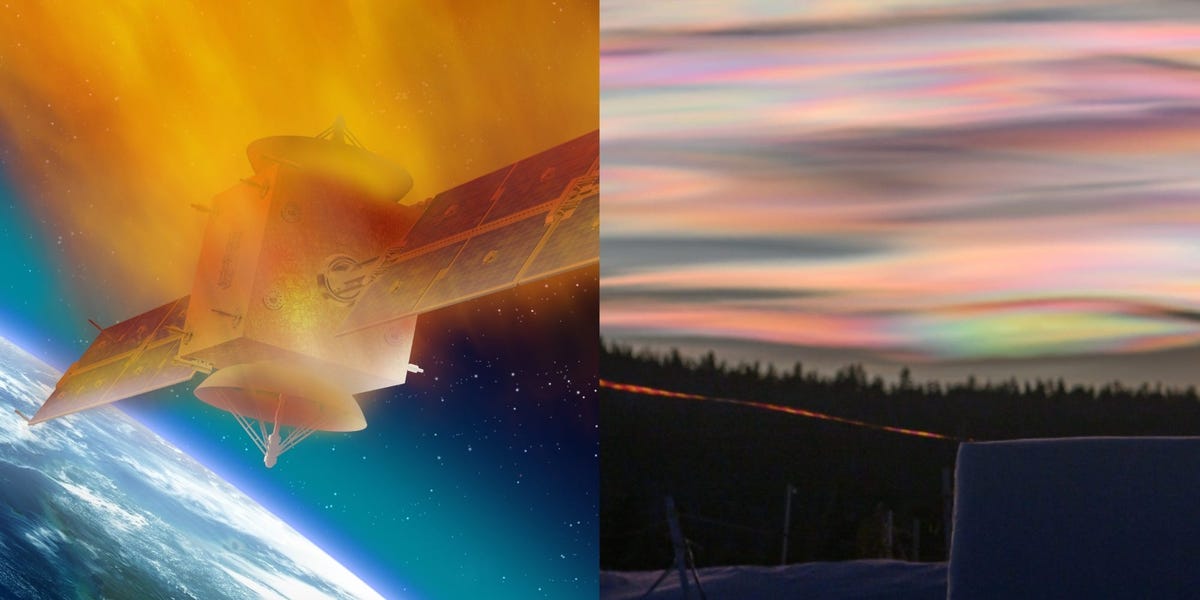
Satellites and spacecraft burning up in the atmosphere are leaving metal particles in the stratosphere, raising concerns about potential impacts on climate and the ozone layer. These particles could seed polar stratospheric clouds, potentially damaging the ozone layer. Scientists are worried about the implications of these particles, which could also affect cloud formation and climate. With the aerospace industry rapidly growing, understanding the effects of these particles is becoming increasingly urgent.
Scientists propose a climate intervention strategy to reduce water vapor in the stratosphere by injecting it with ice-forming nuclei, aiming to allow more heat to escape into space. The idea, described in a study published in Science Advances, targets a small amount of water vapor to mitigate the greenhouse effect. While models suggest the idea can work, technical challenges remain in implementing the strategy, and further research is needed to identify potential risks and unintended effects.
Scientists are exploring the possibility of dehydrating the stratosphere to combat climate change by preventing water vapor from forming a barrier that traps heat in the atmosphere. By targeting a specific region above Australia with ice-nucleating particles, they aim to create short-lived clouds that fall to lower altitudes, reducing water vapor in the stratosphere. This approach could potentially offset a fraction of climate change-induced warming, but the details and potential side effects of the strategy remain uncertain.
New research published in the journal Science reveals that the greenhouse effect of carbon dioxide (CO2) becomes even more potent as more of it is emitted. The study shows that CO2's cooling effect in the stratosphere actually intensifies the greenhouse effect, making it stronger at heating up the planet. The radiative forcing of CO2 is increasing by about 25 percent with each doubling, suggesting that future increases in CO2 will lead to a faster rate of global warming. This finding underscores the urgent need to curb carbon emissions to mitigate the severe impacts of climate change.
Researchers from the National Oceanic and Atmospheric Administration (NOAA) have discovered rare elements, including niobium and hafnium, in aerosol particles in Earth's stratosphere. These elements are commonly found in spacecraft manufacturing and are released as metal vapors during reentry into the atmosphere. The study suggests that the number of aerosols linked to space debris could outnumber those produced by meteors, potentially impacting cloud formation and the composition of the stratosphere. While direct health or environmental impacts are unlikely, the researchers warn that the increasing number of satellite launches could lead to a significant increase in trace metals in the stratosphere.
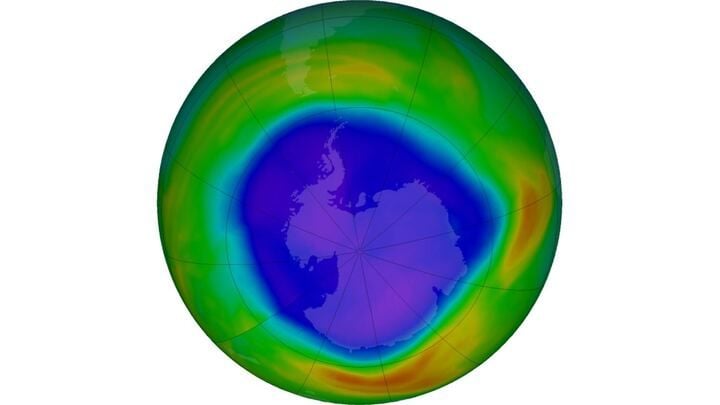
The ozone hole above Antarctica has grown to approximately 10 million square miles, making it one of the largest seasonal holes ever observed. The hole still experiences seasonal growth and shrinkage, but overall it is decreasing in size due to the Montreal Protocol and the decrease of ozone-depleting substances. The early start and rapid growth of the ozone hole this year may be attributed to the Hunga Tonga volcanic eruption in January 2022, which introduced large amounts of water vapor into the air. Scientists predict that the global ozone layer will return to its normal state by around 2050.
An underwater volcano eruption in Tonga in 2022 caused lightning flashes at the highest altitudes ever recorded, reaching 20 to 30 kilometers above sea level in the stratosphere. The eruption plume, composed of ash, gas, and dust, generated static electricity that led to the formation of lightning. This discovery has changed scientists' understanding of how natural events can impact the atmosphere and the environment where lightning can exist.
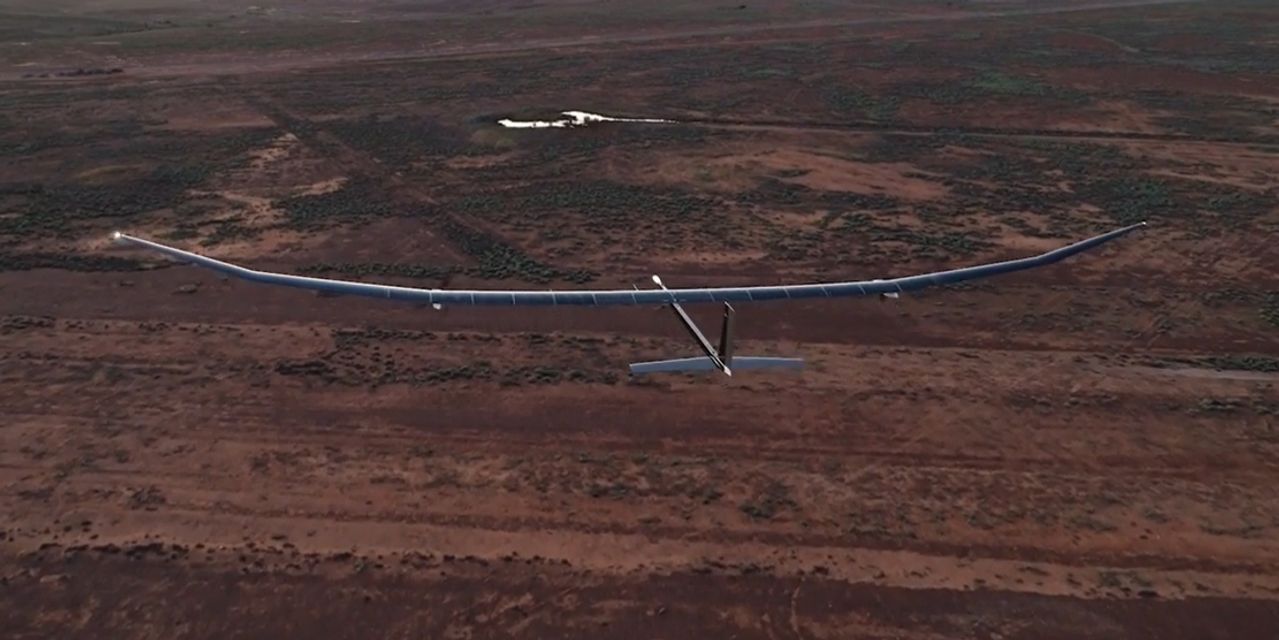
Drones are pushing the boundaries of flight as companies race to develop unmanned aircraft that can reach stratospheric heights and stay aloft for extended periods of time. These high-altitude drones have the potential to revolutionize industries such as telecommunications, weather monitoring, and surveillance. However, challenges such as extreme temperatures, strong winds, and limited battery life need to be overcome for these drones to become commercially viable.
The Tonga eruption in January 2022 triggered an 11-hour lightning marathon that produced over 192,000 flashes, including the largest lightning rings ever observed. The eruption generated a powerful tsunami and launched a plume of material beyond the stratosphere, making it the biggest volcanic eruption of the 21st century so far. The lightning storm produced the highest lightning rates ever documented and occurred at heights of 20 to 30 kilometers in the air. The study suggests that volcanic plumes can create the conditions for lightning initiation well outside the range of meteorological thunderstorms previously observed in Earth's atmosphere.