The US has imposed visa and entry restrictions on Tonga, citing high visa overstays, which has sparked anger and concerns over discrimination and impact on Pacific communities, with critics arguing Tonga poses no security threat and highlighting broader issues of racial and regional bias.
A severe outbreak of dengue fever is spreading across Pacific Islands due to rising global temperatures, with cases and deaths increasing, and experts warning that some areas are at risk year-round, prompting increased health measures and global research efforts.
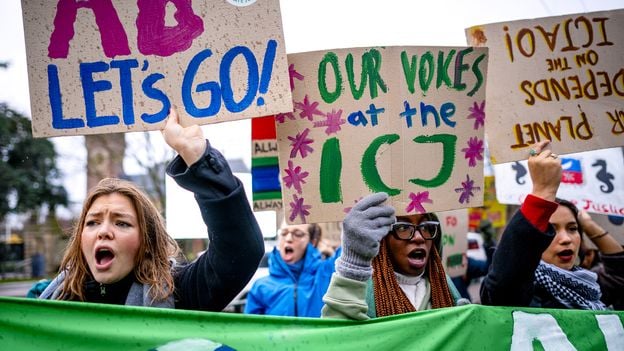
A group of Pacific Island students, led by Cynthia Houniuhi, initiated the largest climate case in history by petitioning the International Court of Justice for an advisory opinion on states' legal obligations to combat climate change, mobilizing global support and raising awareness about climate justice, especially for vulnerable communities. The case highlights the role of youth activism and international law in addressing climate threats, with the ICJ's upcoming opinion expected to influence future legal and diplomatic actions.
The International Court of Justice (ICJ) is set to begin hearings on a landmark climate change case, focusing on the legal obligations of countries to combat climate change and assist vulnerable nations. Initiated by island nations, the UN General Assembly requested the ICJ's advisory opinion on state responsibilities regarding climate change. Although non-binding, the opinion, expected in 2025, holds significant legal and political weight. The hearings follow criticism of inadequate climate finance agreements at the recent Cop29 summit, highlighting the urgent challenges faced by Pacific nations due to climate change.
The United States has cautioned Pacific Islands nations against accepting assistance from Chinese security forces after reports emerged that Chinese police are working in Kiribati, a remote atoll nation near Hawaii. Kiribati's acting police commissioner confirmed the presence of uniformed Chinese officers, raising concerns amid the intensifying rivalry between Beijing and Washington in the Pacific. The U.S. State Department expressed worries about the implications of security agreements and cyber cooperation with China for Pacific Island nations' autonomy, highlighting the strategic importance of Kiribati's proximity to Hawaii and its vast exclusive economic zone. China's efforts to expand security ties in the region have faced resistance, with the Pacific Islands Forum rejecting a region-wide security and trade deal, and Papua New Guinea declining a Chinese offer of police assistance and surveillance technology.
The US Coast Guard and Kiribati police conducted patrols against illegal fishing in Kiribati's exclusive economic zone, boarding two Chinese fishing boats with no reported issues, marking the first time Kiribati police officers have participated as "ship riders" with the US Coast Guard in almost a decade.
Tuvalu has named Feleti Teo, a former attorney general and fisheries official, as its new prime minister after he was elected unopposed by lawmakers. Teo, who has extensive experience in regional fisheries and has worked with the Pacific Islands Forum, received unanimous support from the 16 lawmakers. The election result was delayed due to dangerous weather, highlighting the impact of climate change in the Pacific Islands. Taiwan's foreign ministry expressed congratulations to Teo, emphasizing the stable relations between Taiwan and Tuvalu. The new government's stance on diplomatic ties with Taiwan and a recent security and migration pact with Australia remains to be seen.
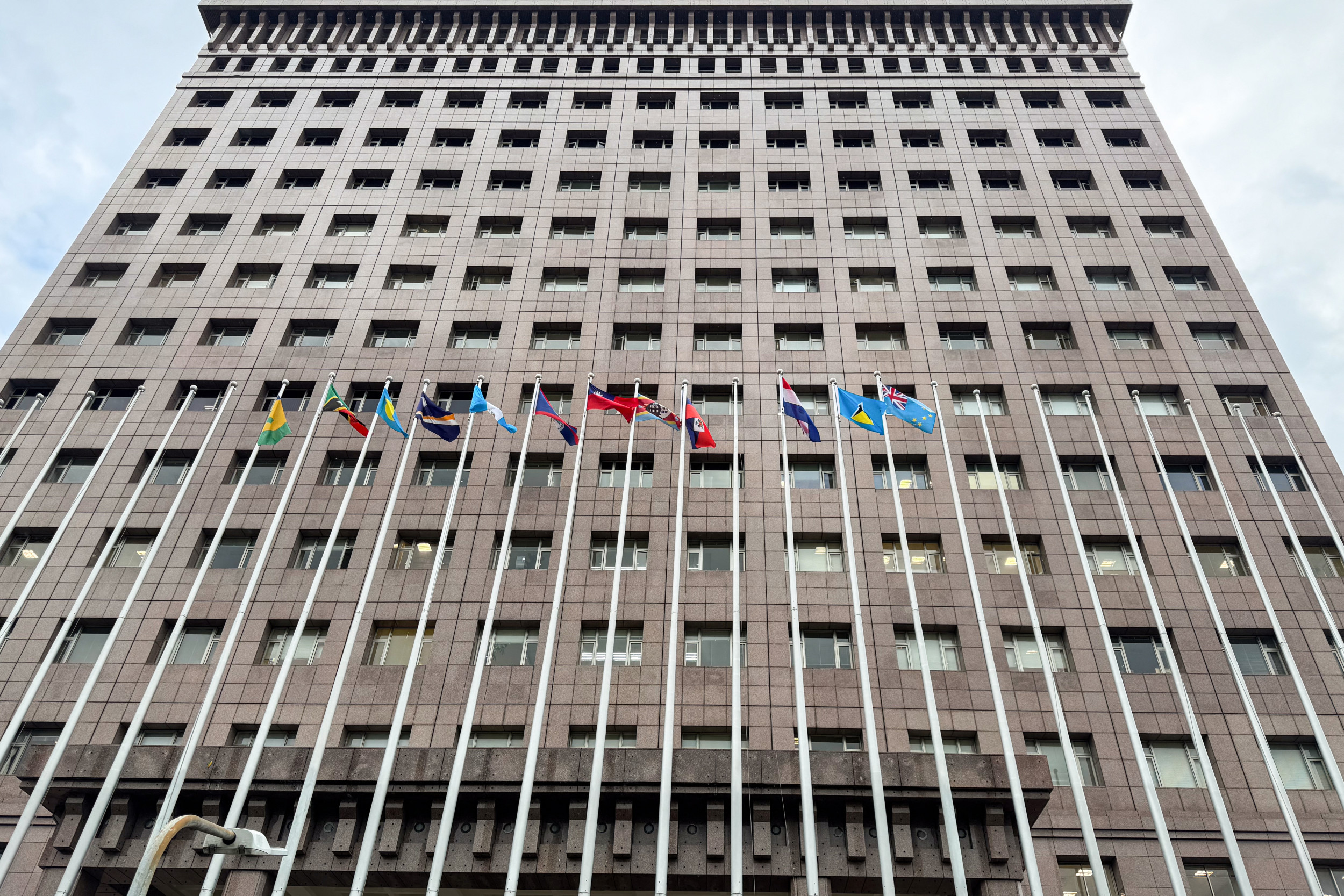
Nauru's decision to switch diplomatic ties from Taipei to Beijing is seen as a blow to the United States amid its stop-start engagement in the Pacific region, where China's overtures have proven enticing. The move reflects the ongoing tussle for influence between the U.S. and China in the South Pacific, with both countries seeking access to critical ports and military bases in the region. The U.S. expressed regret over Nauru's decision, emphasizing Taiwan as a reliable democratic partner. China's increasing influence in the Pacific islands is seen as a failure of the Tsai Ing-wen administration to counter Beijing's aggressive foreign policy. Nauru cited U.N. Resolution 2758 as a justification for the switch, a move welcomed by China.
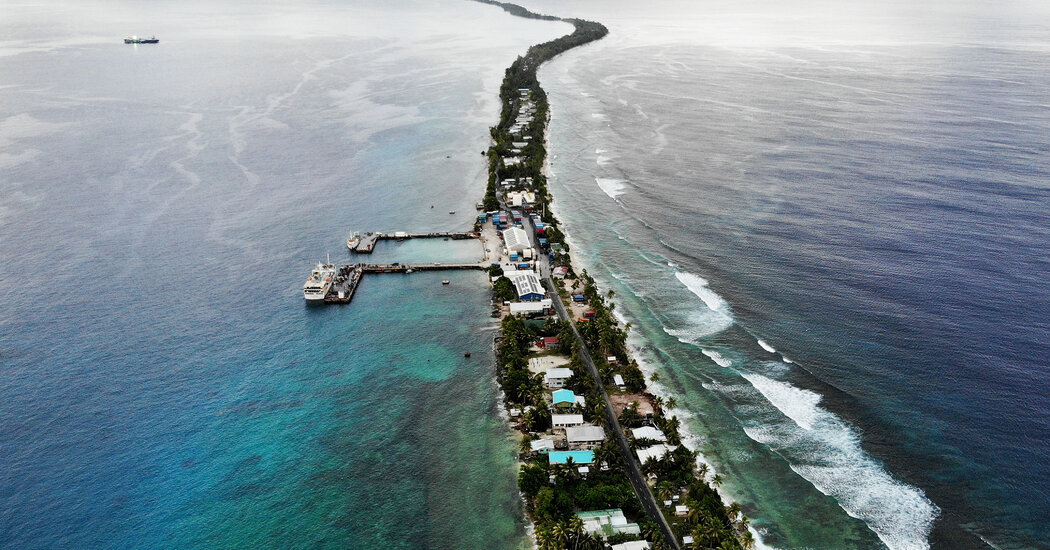
Australia and Tuvalu have reached a bipartisan agreement to address the effects of climate change on the Pacific island nation. While many anticipated a wholesale offer of climate-based asylum for Tuvalu's citizens, the agreement will only allow a maximum of 280 residents to migrate to Australia each year. The limit aims to prevent brain drain and skilled citizens from leaving Tuvalu. Instead, the agreement emphasizes Tuvalu's desire to continue living in their territory, with Australia providing financial support for Tuvalu's Coastal Adaptation Project and climate infrastructure. The challenges facing Tuvalu include rising sea levels, flooding, drought, and saline groundwater. The agreement also includes provisions limiting Tuvalu's international security arrangements without Australia's agreement, potentially countering China's influence in the region.
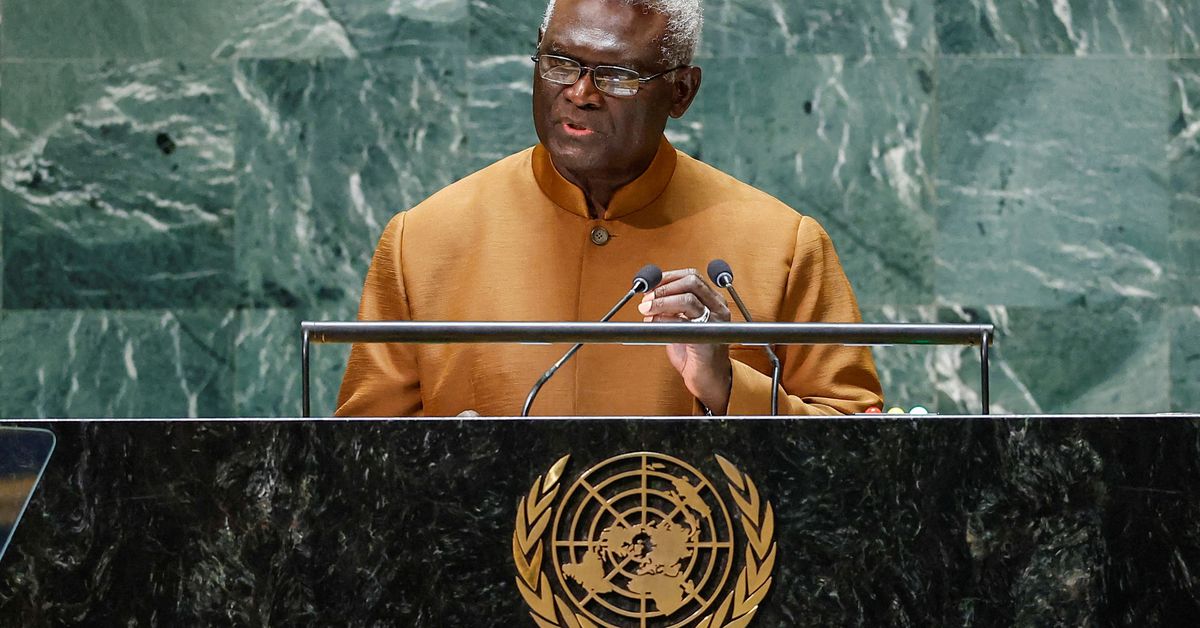
Solomon Islands Prime Minister Manasseh Sogavare stated that he skipped the Pacific Islands leaders summit at the White House to avoid a "lecture" and because he had more pressing issues at home. Sogavare, who has close ties with China, expressed disappointment with the lack of outcomes from the previous summit and praised China's development cooperation as "less restrictive" at the United Nations General Assembly. The summit saw U.S. President Joe Biden making a significant pledge for infrastructure investment in the Pacific region, but Sogavare prioritized the remaining weeks of parliament in Solomon Islands over attending the summit.
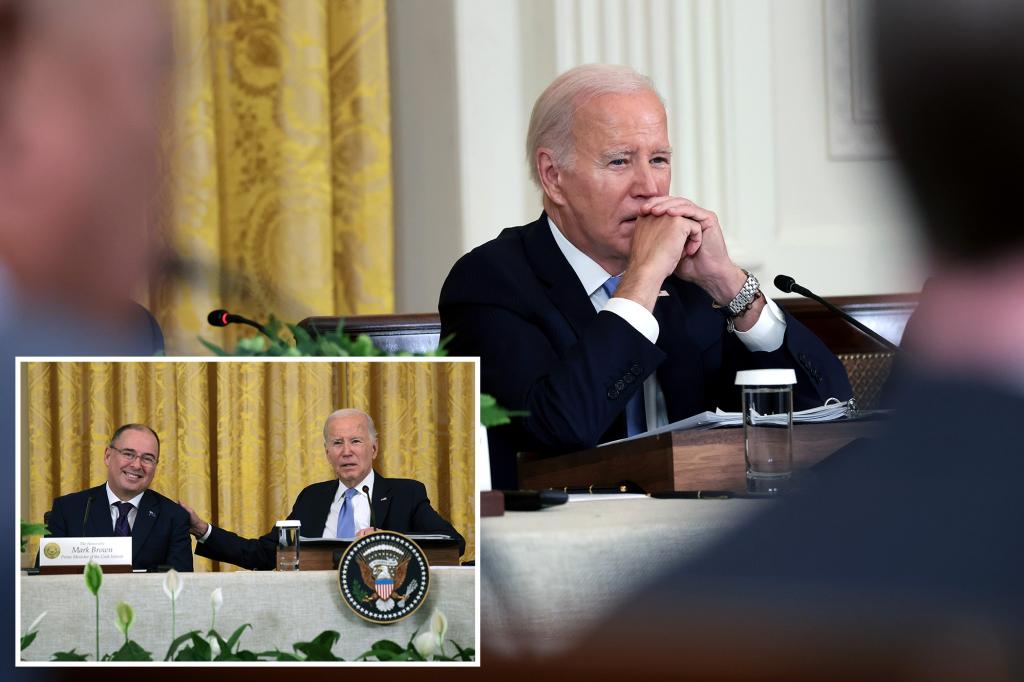
President Biden stumbled over an acronym while speaking at a Pacific Islands forum, jokingly saying it doesn't matter what they call it. Critics have raised concerns about his recent gaffes, questioning his fitness for a second term. Biden met with Pacific Islands leaders to discuss climate change and announced new US aid for the region.
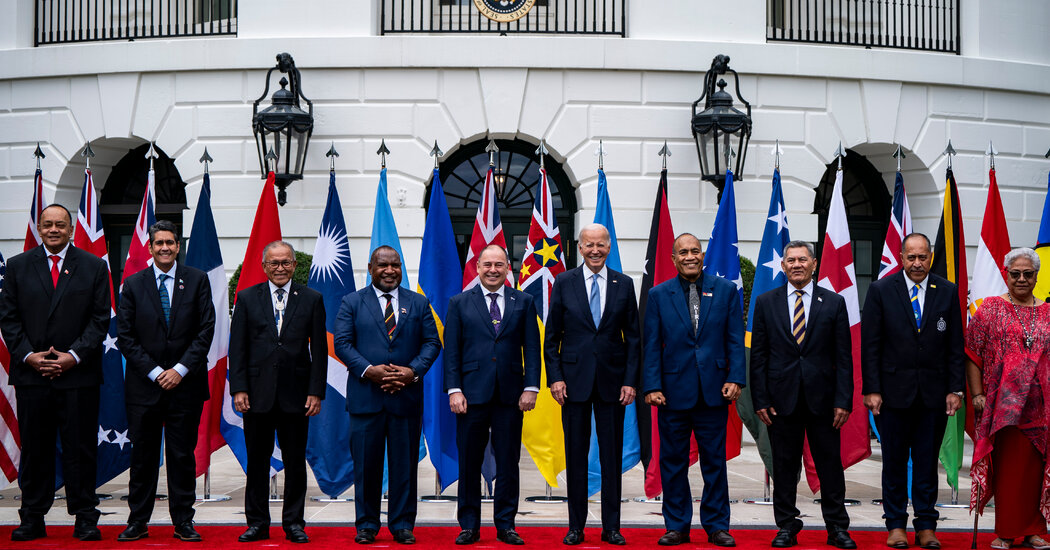
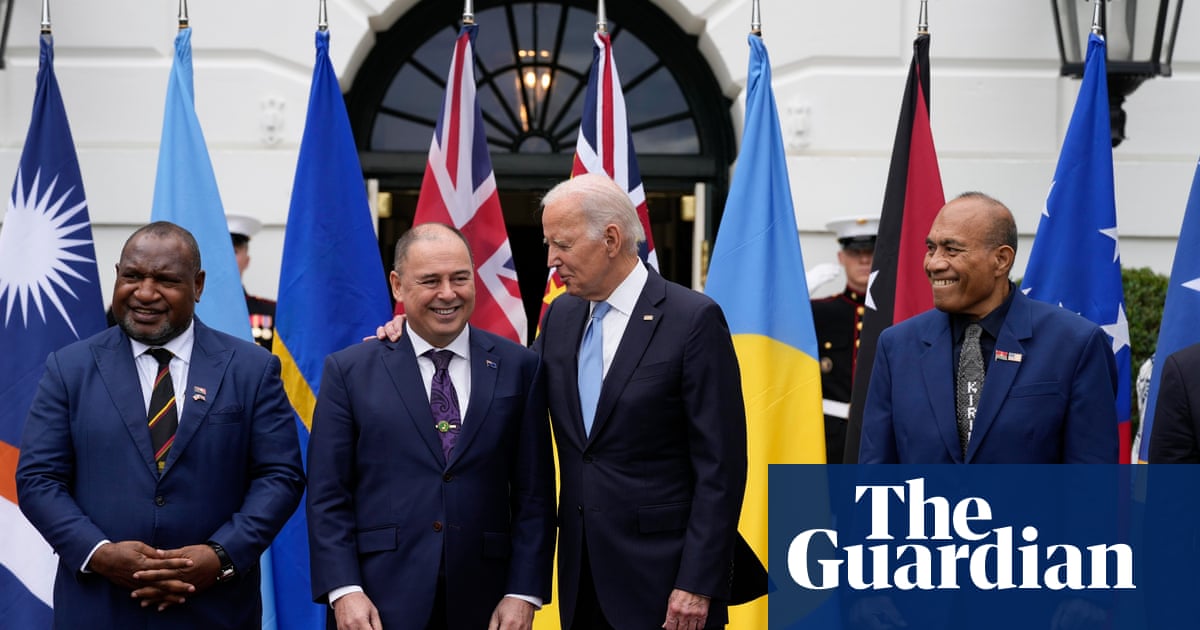
President Biden hosted the leaders of 18 Pacific Island nations at the White House, emphasizing the competition for influence between the United States and China in the region. Biden announced plans to invest $40 million in infrastructure spending for the islands and establish diplomatic relations with the Cook Islands and Niue. The United States has been strengthening its presence in the South Pacific to counter China's growing influence, including opening embassies in the Solomon Islands and Tonga. While Biden officials claim their goal is not to compete with China, China's state-controlled media sees it as part of a power struggle. The leaders discussed climate change, illegal fishing, and maritime issues during the multiday program.
President Joe Biden has pledged $40 billion in economic aid to Pacific islands during a meeting with leaders from the region, as part of efforts to counter China's growing influence. The aid package includes secure undersea cable connectivity and infrastructure development. Biden also formally recognized the Cook Islands and Niue as new island nations. However, the US charm offensive suffered a setback as the Solomon Islands prime minister, aligned with Beijing, decided not to attend. The Pacific leaders are expected to push for more support on climate change and meet with US climate envoy John Kerry.
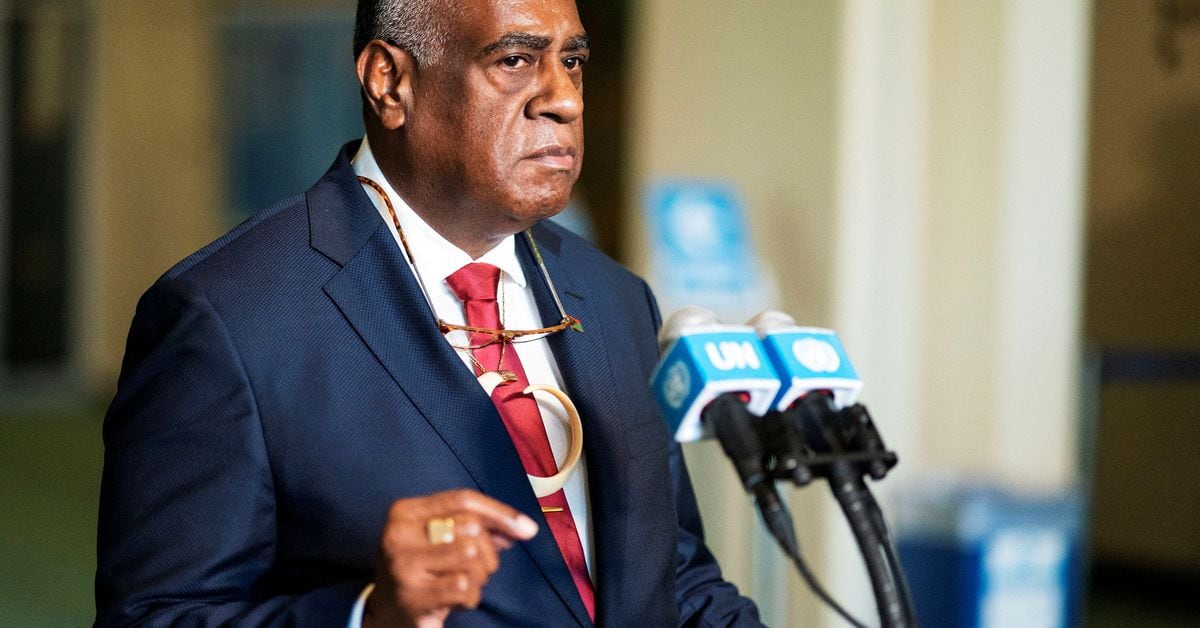
Sato Kilman has been elected as the new prime minister of Vanuatu after a court upheld a vote of no-confidence in his predecessor, Ishmael Kalsakau. Kilman, a former prime minister and leader of the People's Progressive Party, plans to review foreign policy to benefit Vanuatu and seek new export markets. The political crisis in Vanuatu was triggered by opposition parties criticizing Kalsakau for signing a security pact with Australia, which they believed compromised the country's "neutral" status and jeopardized development assistance from China. The United States and its allies are trying to discourage Pacific Islands nations from establishing security ties with China. Kilman has previously served as prime minister and expelled Australian Federal Police from Vanuatu in 2012.