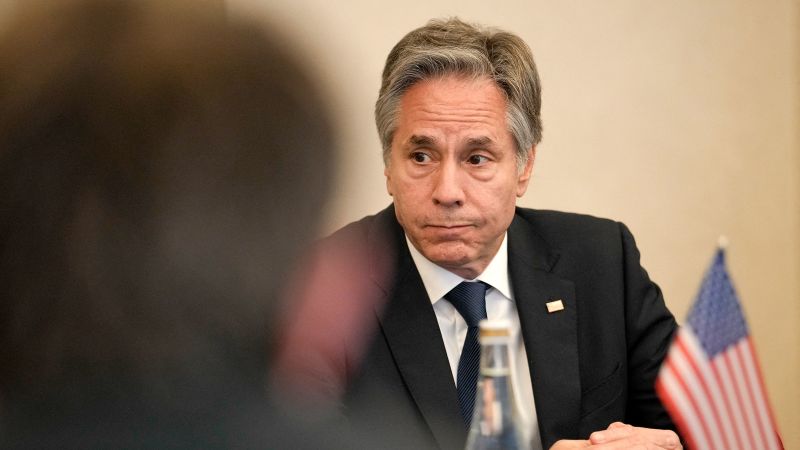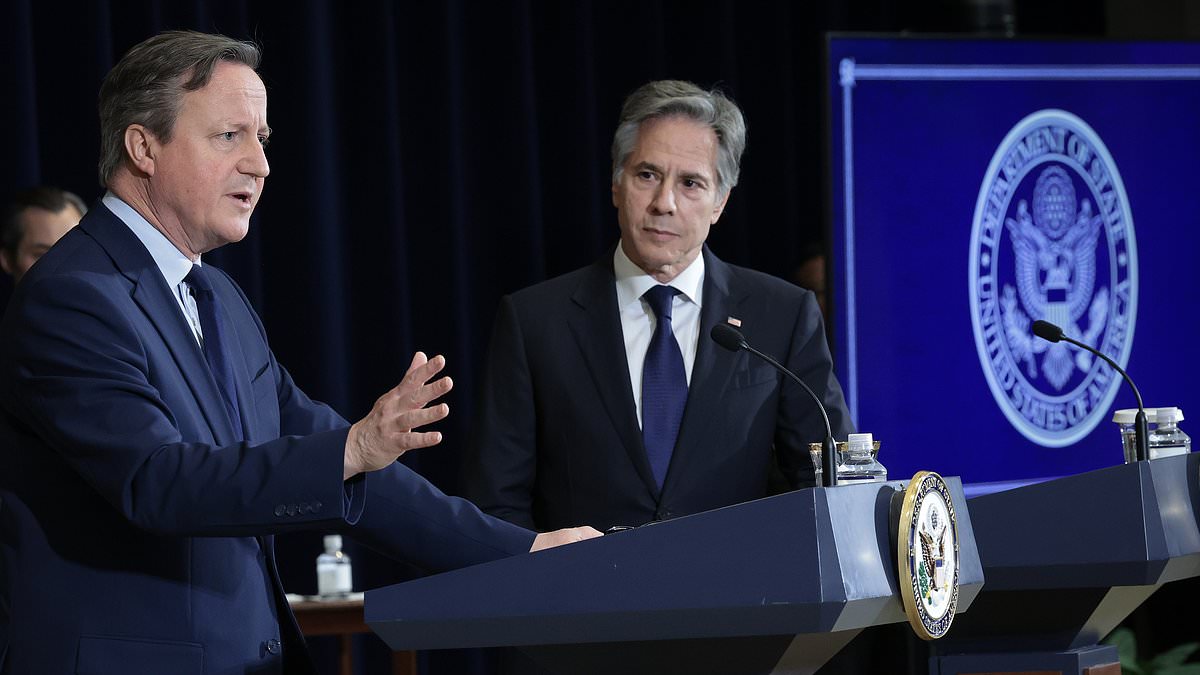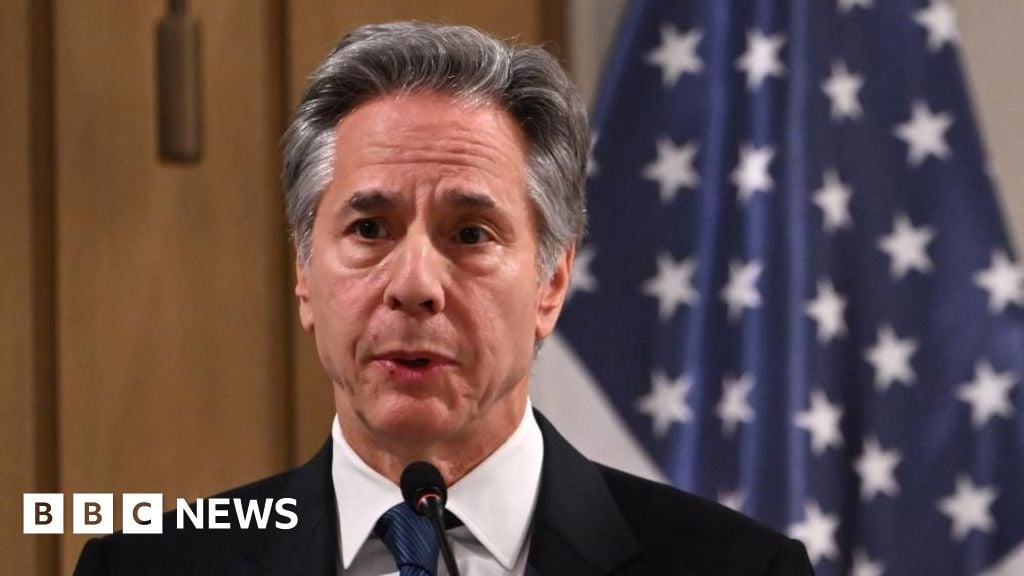
The US has confirmed direct contact with the Syrian rebel group Hayat Tahrir al-Sham (HTS), despite its designation as a terrorist organization, as part of efforts to support a peaceful transition in Syria. This was announced by Secretary of State Antony Blinken during talks in Jordan with representatives from Arab countries, Turkey, and Europe. The discussions emphasized the need for an inclusive Syrian government and the prevention of chaos similar to Libya's post-Gaddafi era. The meeting highlighted regional concerns over Syria's future, with a focus on maintaining existing institutions and preventing terrorism during the transition.
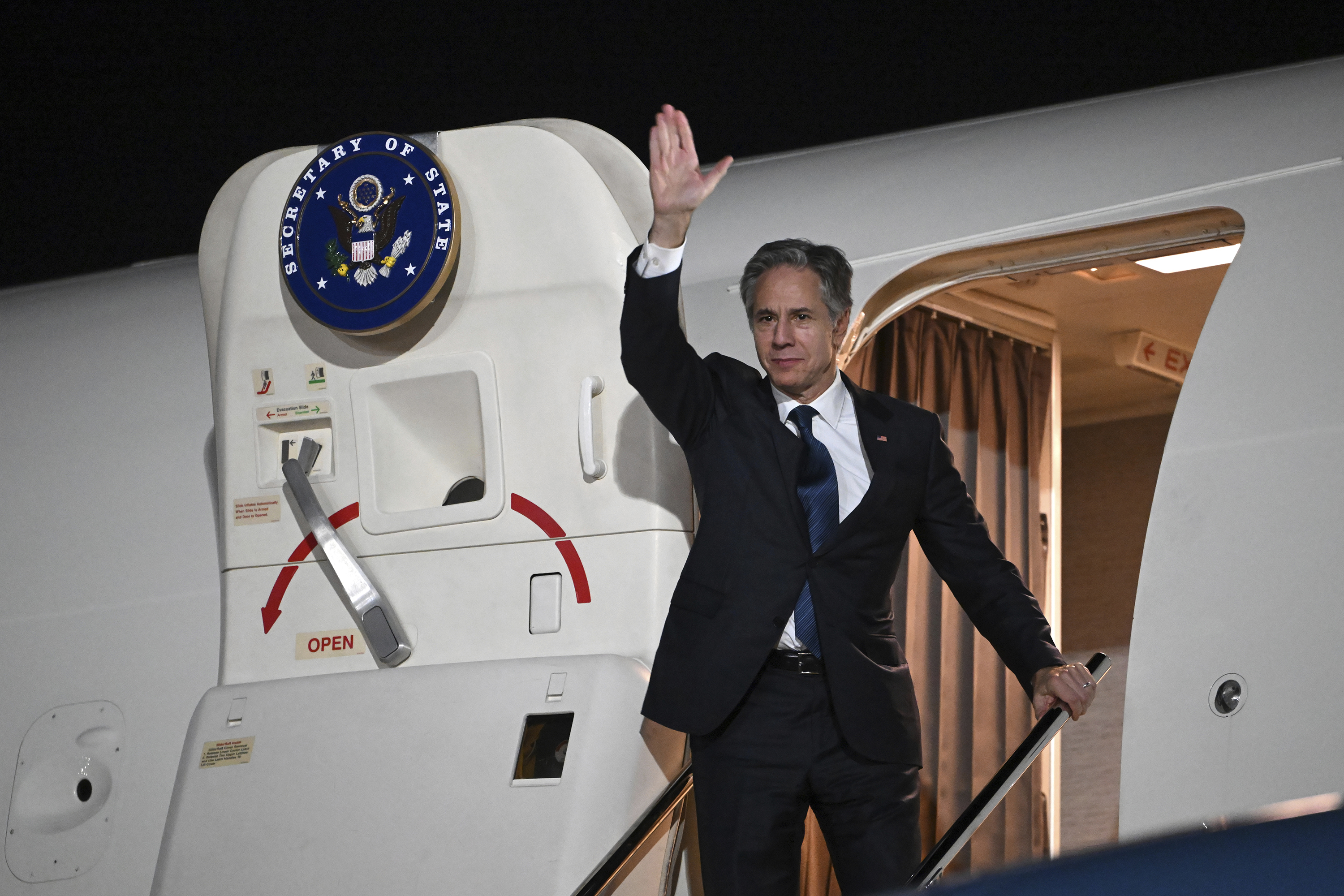
U.S. Secretary of State Antony Blinken confirmed that American officials have been in direct contact with Hayat Tahrir al-Sham (HTS), the Syrian rebel group that recently ousted President Bashar Assad. Despite HTS being designated a foreign terrorist organization, the U.S. is engaging with them to discuss governance during Syria's transition period. Blinken emphasized the U.S. support for the Syrian people's success and highlighted ongoing efforts to locate missing American journalist Austin Tice.
U.S. Secretary of State Antony Blinken confirmed that the U.S. has had direct contact with the Sunni Islamist opposition group HTS in Syria, marking the first public acknowledgment of such interactions. The discussions focused on the fate of missing American journalist Austin Tice and U.S. principles for recognizing a future Syrian government. Blinken emphasized the need for a Syrian-led transition to an inclusive government, respect for human rights, and the elimination of terrorist threats and chemical weapons in Syria. He also highlighted the importance of humanitarian aid and peaceful regional relations.
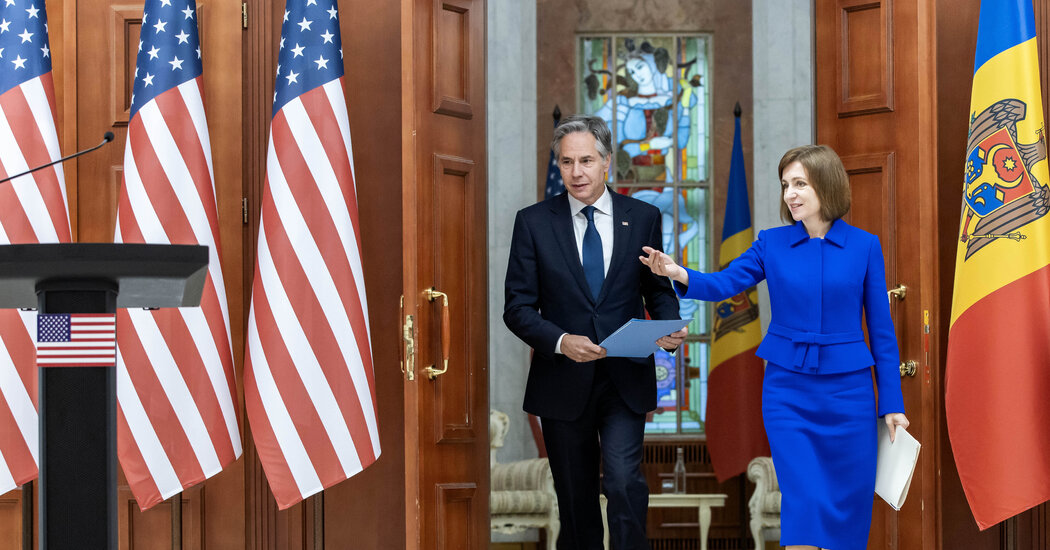
U.S. Secretary of State Antony Blinken visited Baghdad to discuss regional stability following the ouster of Syrian President Bashar al-Assad. The Biden administration aims to prevent the resurgence of the Islamic State and support a political transition in Syria that protects minority groups. Blinken's visit is part of a broader Middle East tour, including a meeting with Arab foreign ministers in Jordan. The situation in Syria remains tense with ongoing Israeli military actions and concerns over Assad's chemical weapons.
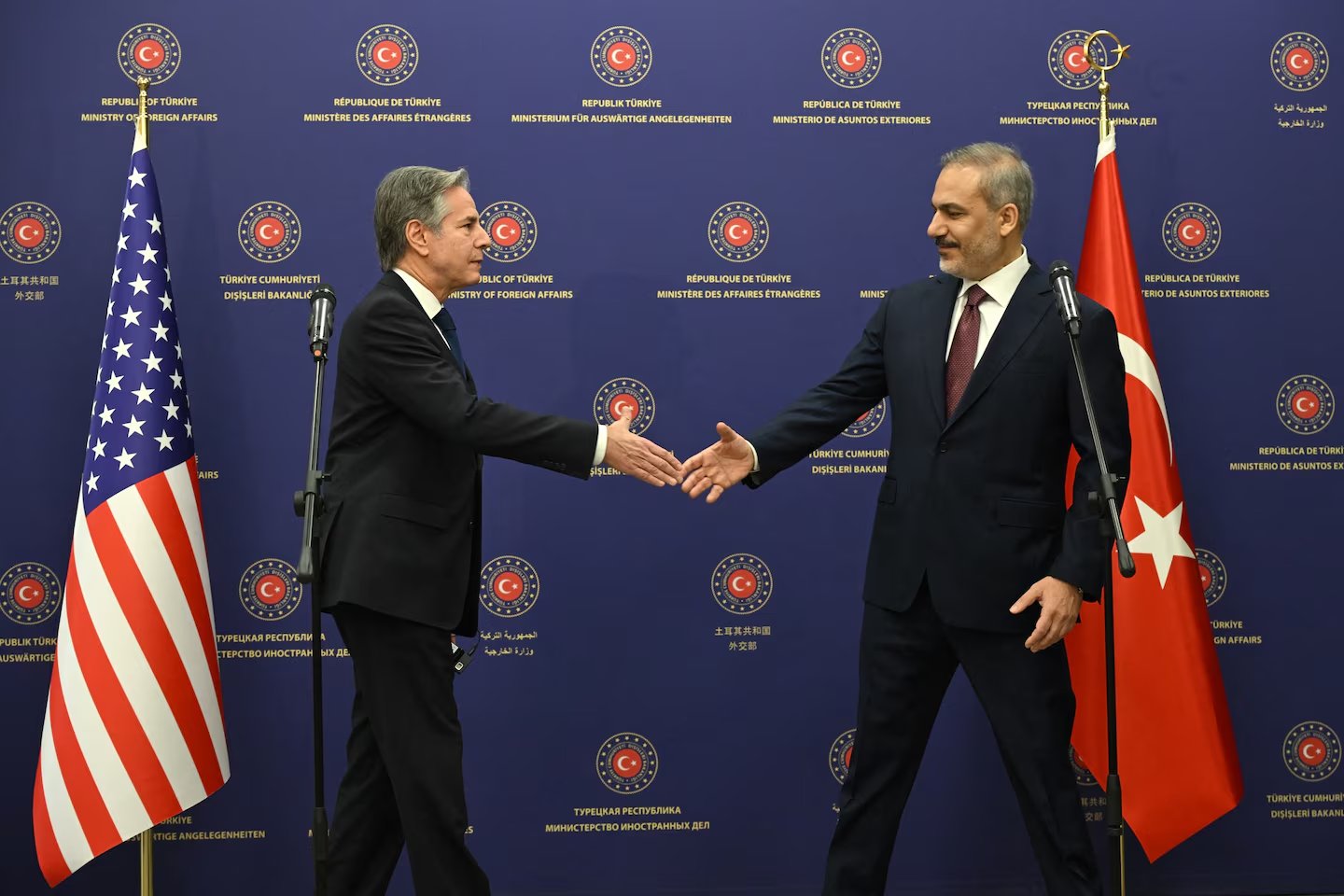
During a meeting with US Secretary of State Antony Blinken, Turkish President Tayyip Erdogan emphasized Turkey's commitment to maintaining strong security measures in Syria against groups it considers terrorist threats, including the Islamic State. Erdogan urged international cooperation for rebuilding Syrian institutions and assured that Turkey would not allow any weaknesses in its anti-terrorism efforts.
U.S. Secretary of State Antony Blinken is visiting Jordan and Turkey to advocate for a "Syrian-led transition" in Damascus, emphasizing the need for a new government that respects minority rights and facilitates humanitarian aid. Blinken's visit follows the ousting of Syrian President Bashar al-Assad by the rebel group Hayat Tahrir al-Sham, which is now working to consolidate control. The U.S. aims to prevent a resurgence of the Islamic State and ensure Turkey does not act against U.S.-backed Kurdish groups. Additionally, Blinken will discuss a Gaza ceasefire agreement with regional leaders.
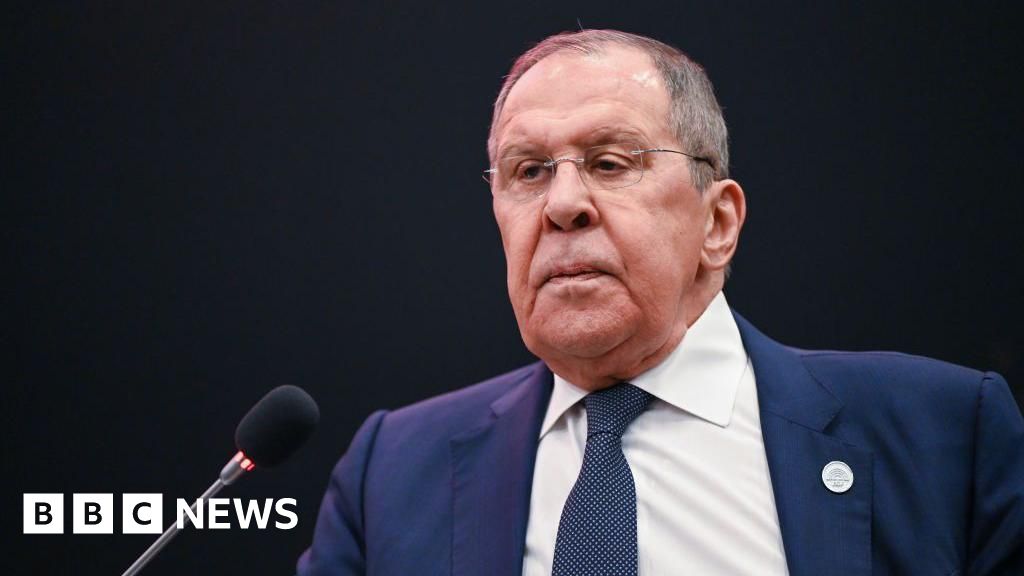
Russian Foreign Minister Sergei Lavrov attended a European security summit in Malta, marking his first visit to an EU state since Russia's invasion of Ukraine. His presence was controversial, with Ukraine's representative walking out and Poland's foreign minister refusing to meet him. Lavrov accused the West of inciting a new Cold War, while U.S. Secretary of State Antony Blinken criticized Russia's actions in Ukraine. The summit highlighted tensions within the OSCE, with Russia's involvement being questioned by several member states.
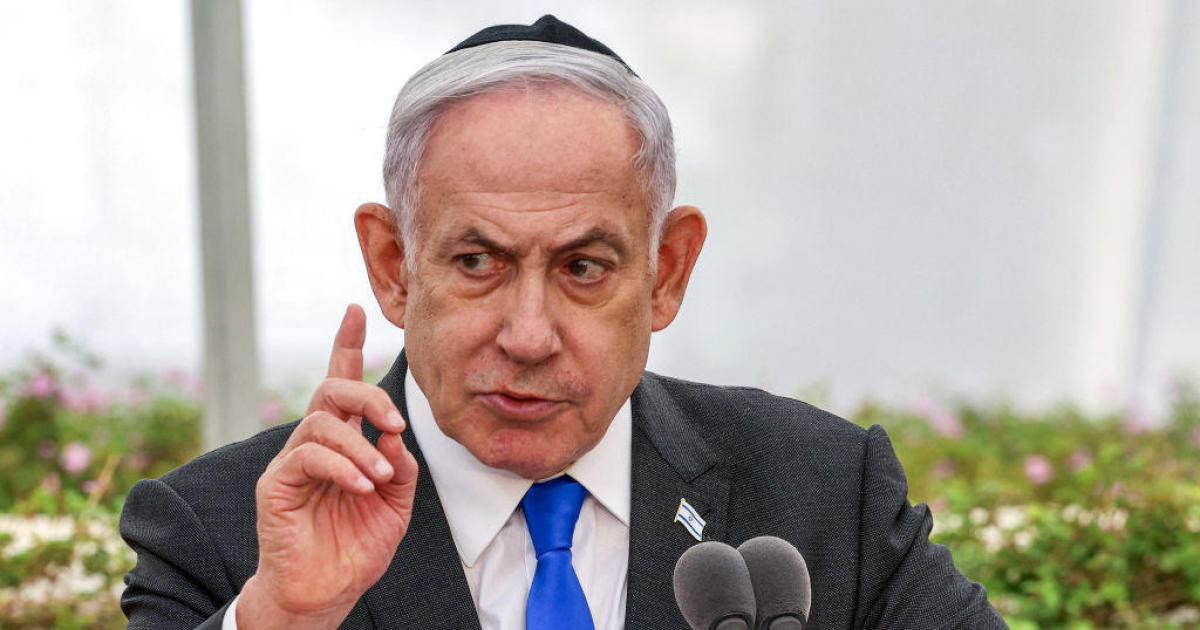
The White House, State Department, and Pentagon are confused by Israeli Prime Minister Benjamin Netanyahu's claim that the U.S. is withholding weapons from Israel. Netanyahu's accusation appears to stem from delays in a specific shipment of bombs paused by the Biden administration due to concerns over civilian casualties in Gaza. Despite this, the U.S. continues to support Israel's defense needs, including the Iron Dome. The situation is further complicated by escalating tensions between Israel and Hezbollah on the Lebanon border.
Ukraine's army chief reports that Russia is increasing its troop presence in the Kharkiv region amid ongoing aerial attacks involving missiles and drones. The U.S. is considering allowing Ukraine to use American-supplied munitions to defend Kharkiv, while Secretary of State Antony Blinken criticizes Russian misinformation efforts.
Secretary of State Antony Blinken indicated that the U.S. might tolerate Ukrainian strikes inside Russia using American-made weapons, suggesting a potential shift in policy as the war evolves. This comes amid calls from European leaders for President Biden to lift restrictions on Ukraine's use of U.S. arms.
US Secretary of State Antony Blinken urged Israel to consider the civilian cost of its military actions in Gaza, following a deadly strike in Rafah. Blinken emphasized the need for Israel to weigh "incremental gains" against Hamas against the "unintended horrific consequences" for civilians. Despite urging Israel to protect civilians, the US has not condemned the strike as strongly as some allies. The Biden administration calls for an investigation into the incident, while maintaining military support for Israel.
The Biden administration has announced a $275 million military aid package for Ukraine, including rockets, artillery rounds, and other weaponry to help fend off Russian advances in the northeast. This is the fifth tranche of aid since Congress approved $60 billion in additional funding last month. Secretary of State Antony Blinken emphasized the urgency and significance of the aid, while Ukrainian President Volodymyr Zelensky expressed gratitude and highlighted the critical need for continued support. The US has provided approximately $51 billion in military aid to Ukraine since Russia's invasion in February 2022.
The Biden administration is debating whether to allow Ukraine to use U.S. weapons to strike targets in Russia, a move urged by Secretary of State Antony Blinken after his recent visit to Kyiv. This would mark a shift from the current policy, which prohibits Ukraine from firing American arms into Russian territory to avoid escalating the conflict. The proposal is still in early stages and has not yet been formally presented to President Biden.
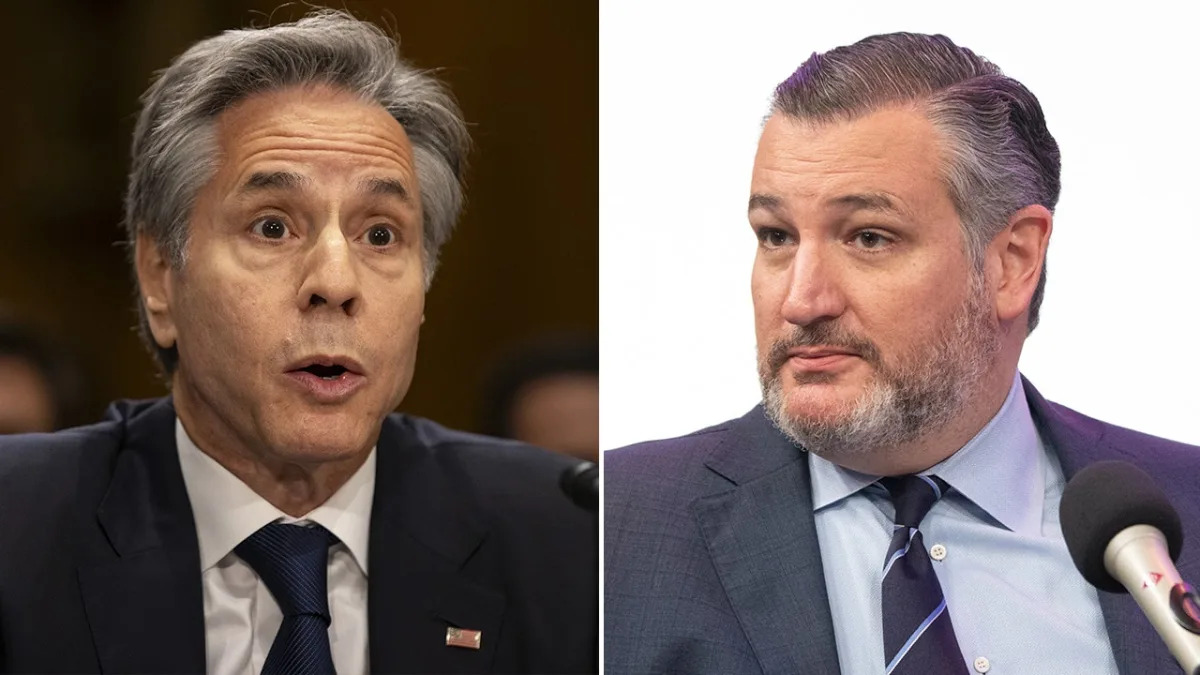
During a Senate Foreign Relations Committee hearing, Senator Ted Cruz accused Secretary of State Antony Blinken and the Biden administration of indirectly funding the Oct. 7 Hamas attack on Israel by providing $100 billion to Iran. The tense clash also involved Cruz accusing the administration of consistently undermining allies and appeasing enemies, while Blinken defended the administration's support for Israel and efforts to sanction Iran.
Secretary of State Antony Blinken expressed frustration at the lack of outrage directed at Hamas for its actions, contrasting it with the criticism of Israeli and U.S. foreign policy. He emphasized the need for Hamas to cease its violence and expressed concern over potential Israeli military operations in Rafah, urging for a focus on minimizing civilian casualties. Talks are ongoing in Cairo to secure a deal to end the devastating war and bring home hostages held by Hamas.