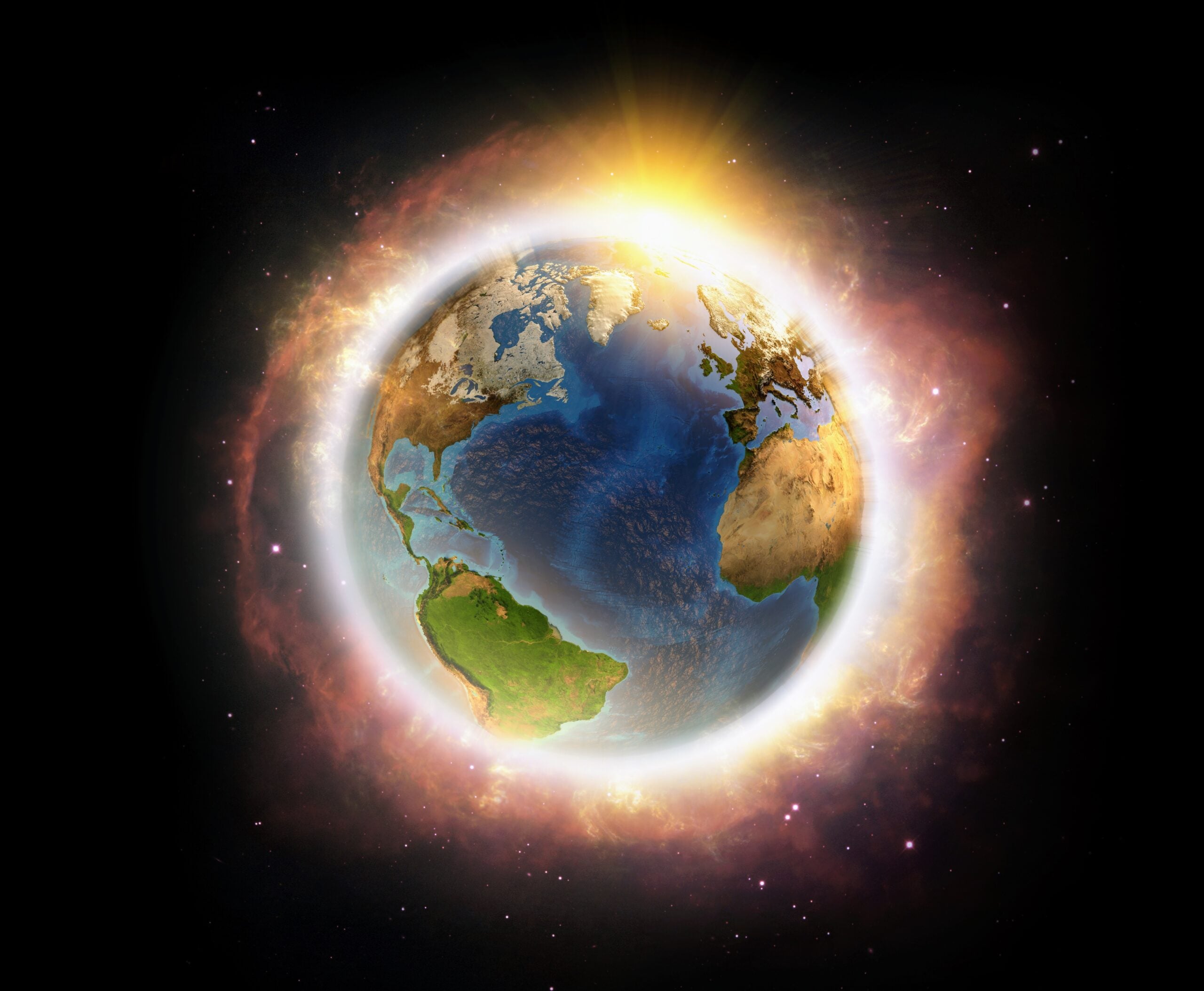
The next ice age is unlikely to begin for at least 50,000 years, with natural climate cycles and human-induced greenhouse gas emissions delaying its onset significantly, potentially up to 500,000 years in the future.
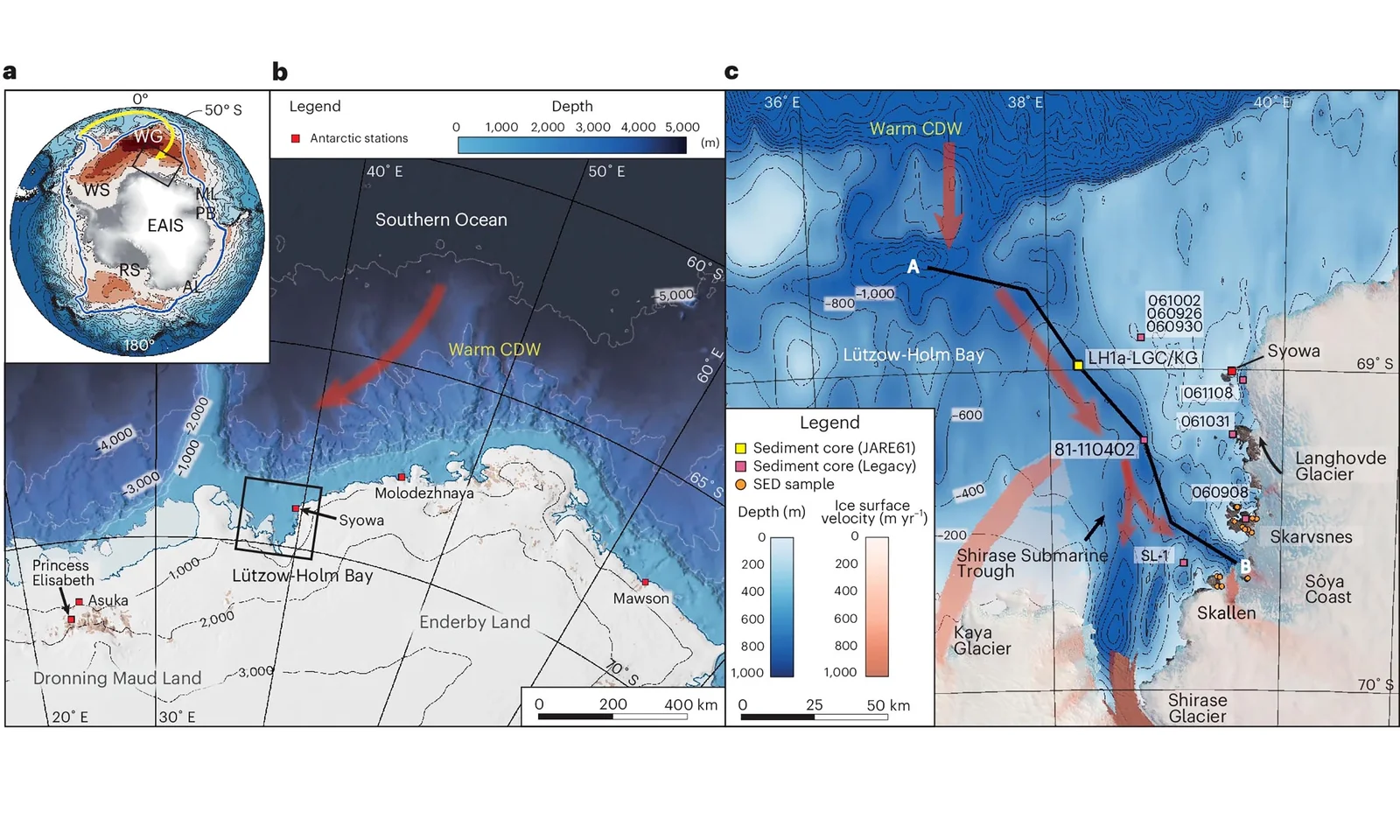
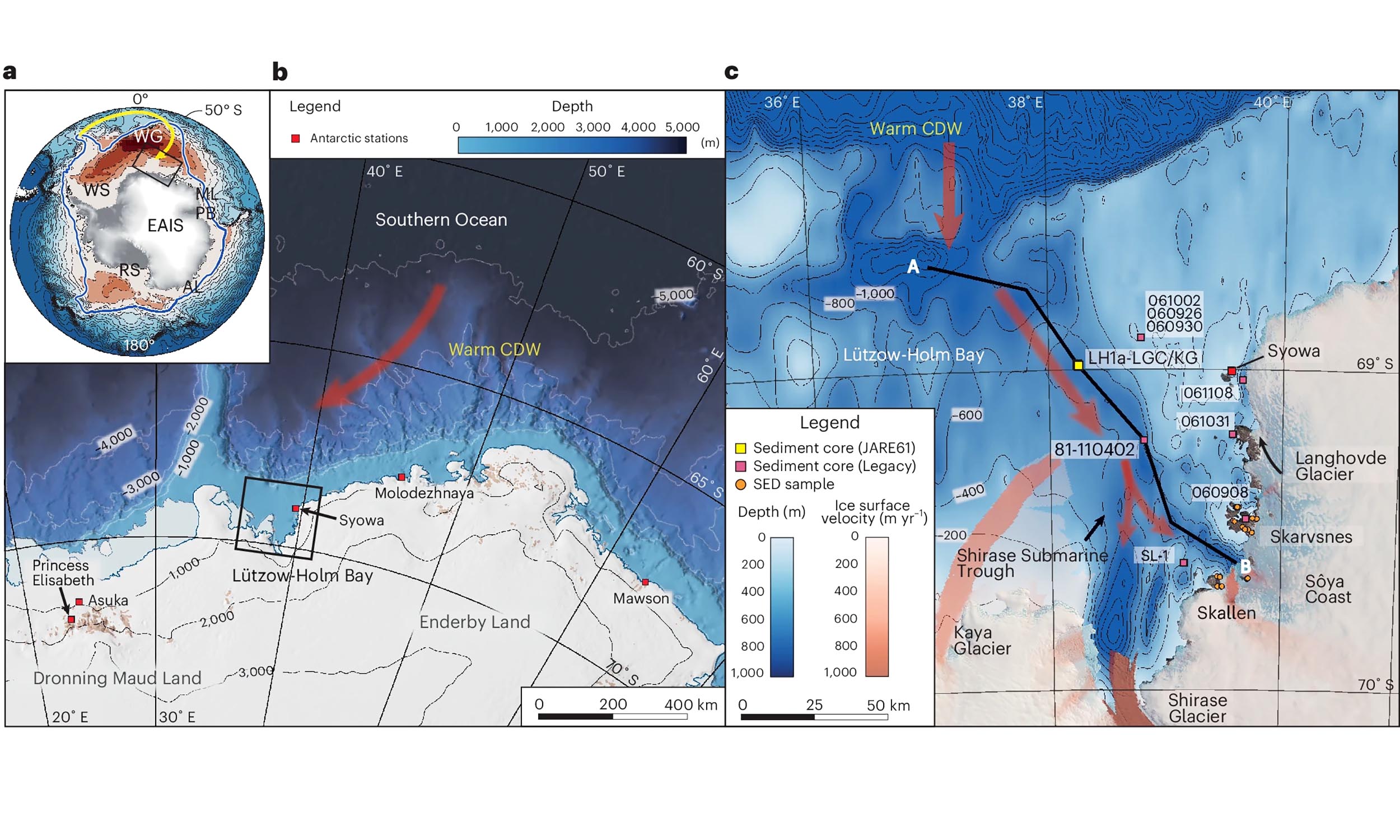
About 9,000 years ago, a rapid collapse of part of Antarctica's East Antarctic Ice Sheet occurred due to warm ocean currents, leading to significant ice loss and potential implications for future sea level rise as modern warming may trigger similar feedback mechanisms. The study highlights the role of warm deep water and meltwater feedbacks in accelerating ice sheet disintegration, emphasizing the importance of understanding ocean-ice interactions in predicting future sea level changes.
About 9,000 years ago, a rapid collapse of part of Antarctica's East Antarctic Ice Sheet occurred due to warm ocean currents, leading to significant ice loss and potential implications for future sea level rise as modern warming may trigger similar events. The study highlights the role of warm deep water and meltwater feedbacks in accelerating ice sheet disintegration, emphasizing the importance of understanding ocean-ice interactions in predicting future sea level changes.
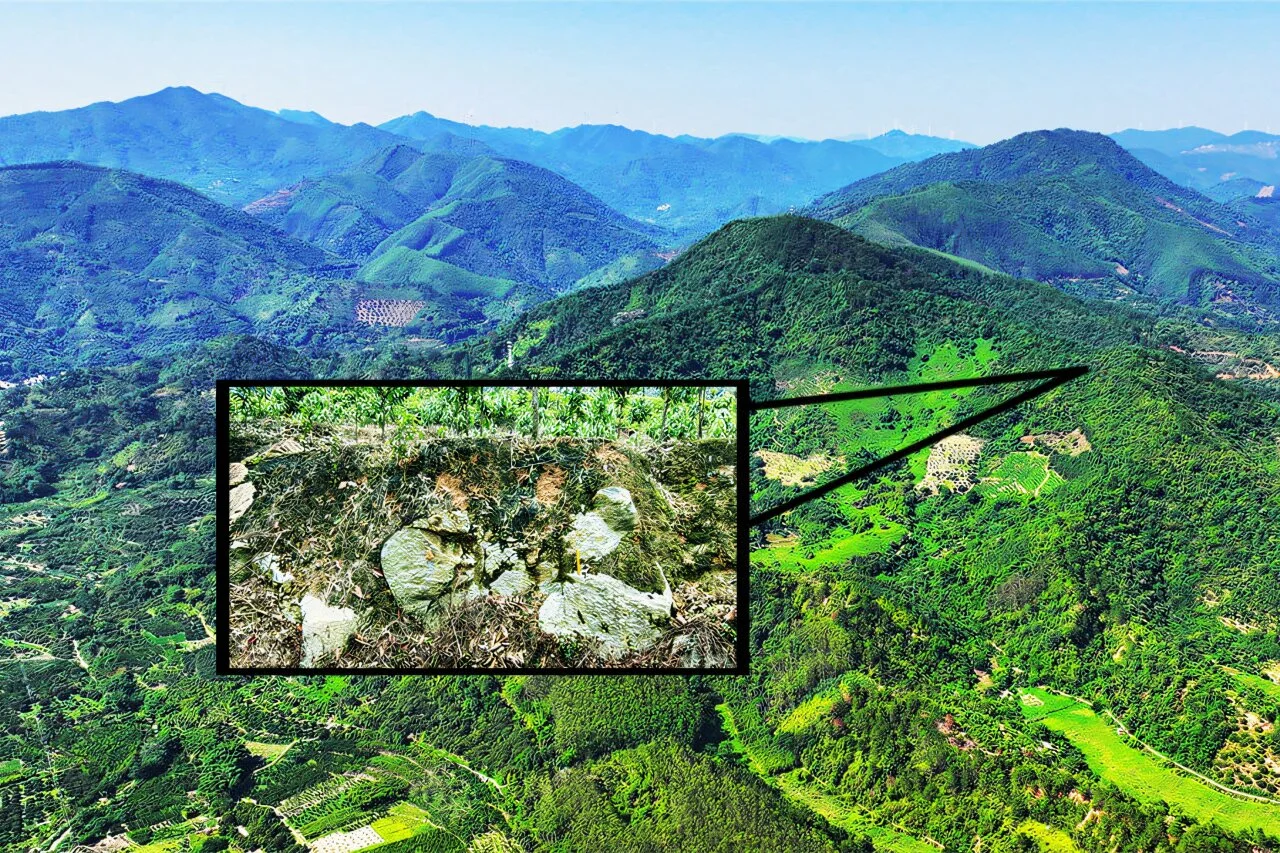
Scientists in China have discovered the Jinlin crater, the largest known impact crater from the Holocene epoch, measuring 900 meters in diameter and remarkably well-preserved despite environmental conditions, shedding new light on Earth's impact history and the frequency of extraterrestrial collisions.
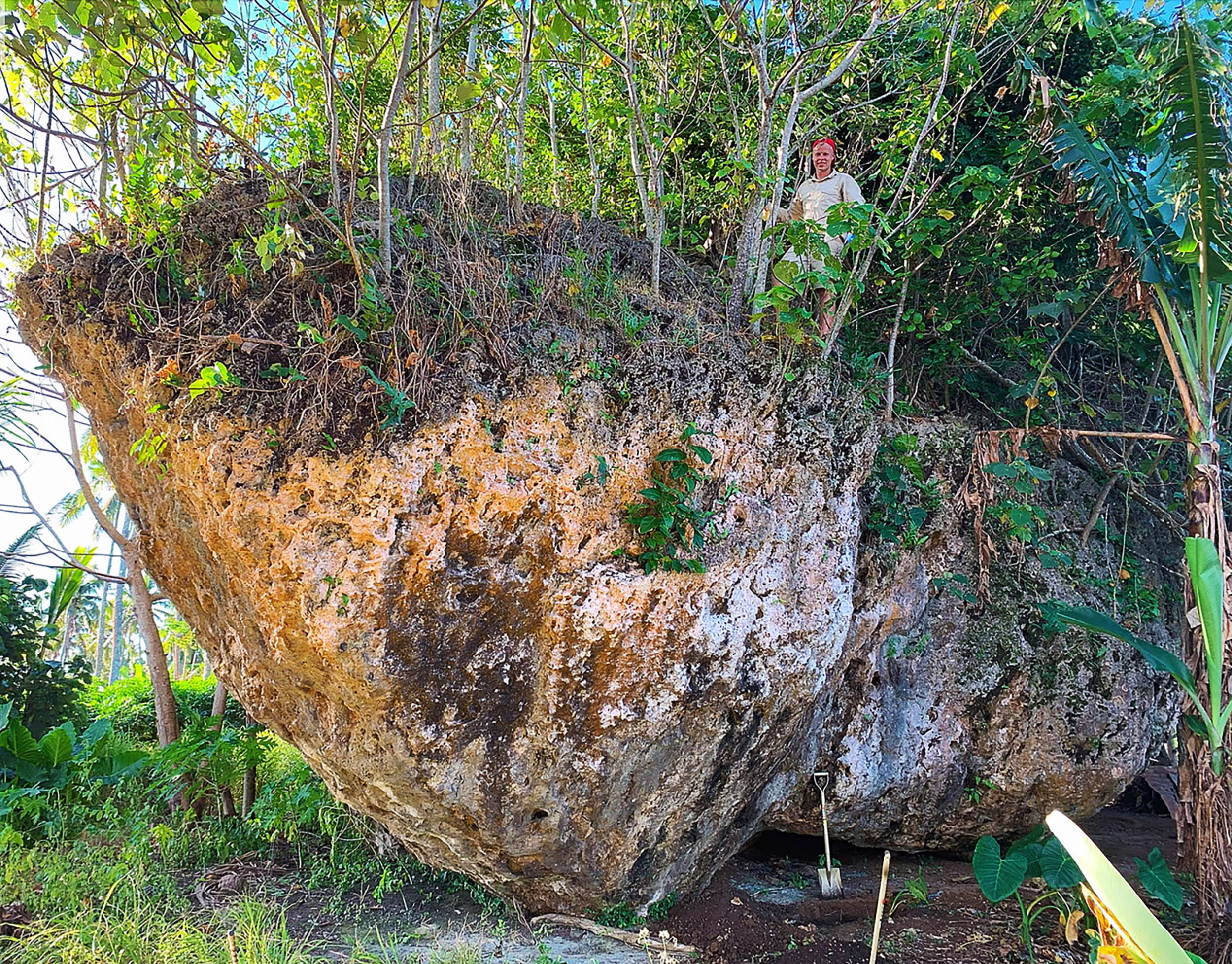
Scientists discovered Maka Lahi, the heaviest cliff-top boulder ever recorded, inland in Tonga, evidence of a massive tsunami around 6,900 years ago caused by a landslide or volcanic activity, highlighting the region's history of powerful waves and informing future hazard assessments.
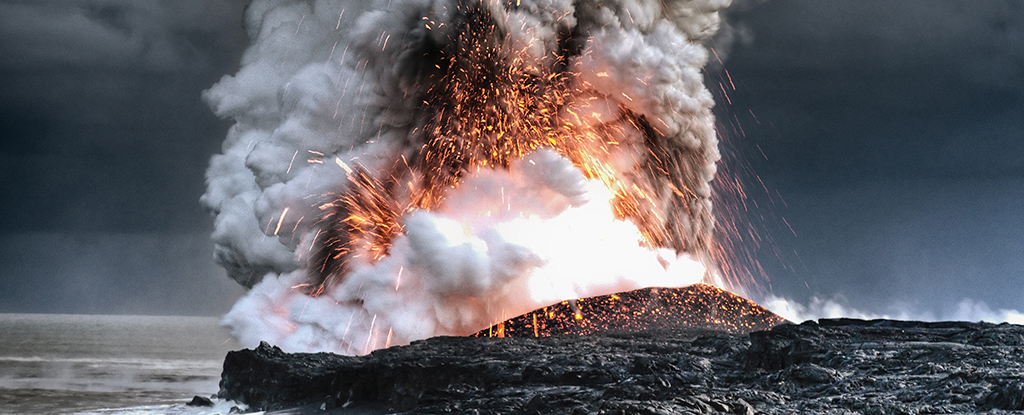
Scientists have confirmed the largest volcanic eruption in the Holocene, occurring around 7,300 years ago at the Kikai Caldera near Japan's Kyūshū island. By analyzing sediment samples and using seismic imaging, researchers estimated that the Kikai-Akahoya eruption covered an area of 4,500 square kilometers, making it the largest volcanic eruption of the Holocene. Understanding past super eruptions is crucial for predicting and preparing for future volcanic events, as they have significant global and historical impacts.
A panel of scientists has voted against officially declaring the start of the Anthropocene, a proposed new epoch of geologic time defined by humanity's impact on the planet. The decision means that, according to current geologic timelines, the Earth remains in the Holocene, which began 11,700 years ago. The proposed declaration would have significant implications for scientific terminology and understanding of human-induced changes to the planet for generations to come.
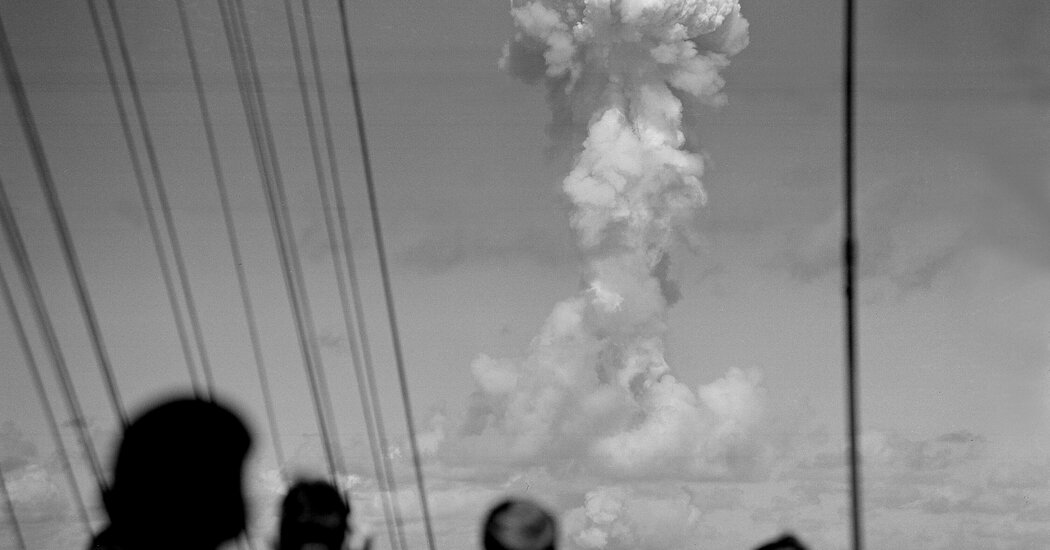
Scientists have concluded that human activities have propelled the Earth out of the stability of the Holocene epoch and into a new geological epoch called the Anthropocene. This proposed epoch, characterized by humanity's enormous impact on the planet, marks a dramatic escalation in various indicators of human influence, such as greenhouse gas concentrations, microplastic pollution, invasive species, and radioactive traces from atomic bomb testing. The exact location of the "golden spike," a geological repository that exemplifies the Anthropocene epoch, will be announced soon. However, the formal acceptance of the Anthropocene by the International Commission on Stratigraphy and the International Union of Geological Sciences is still uncertain, as some scientists argue that it does not meet the technical criteria for inclusion in the official geological timeline.
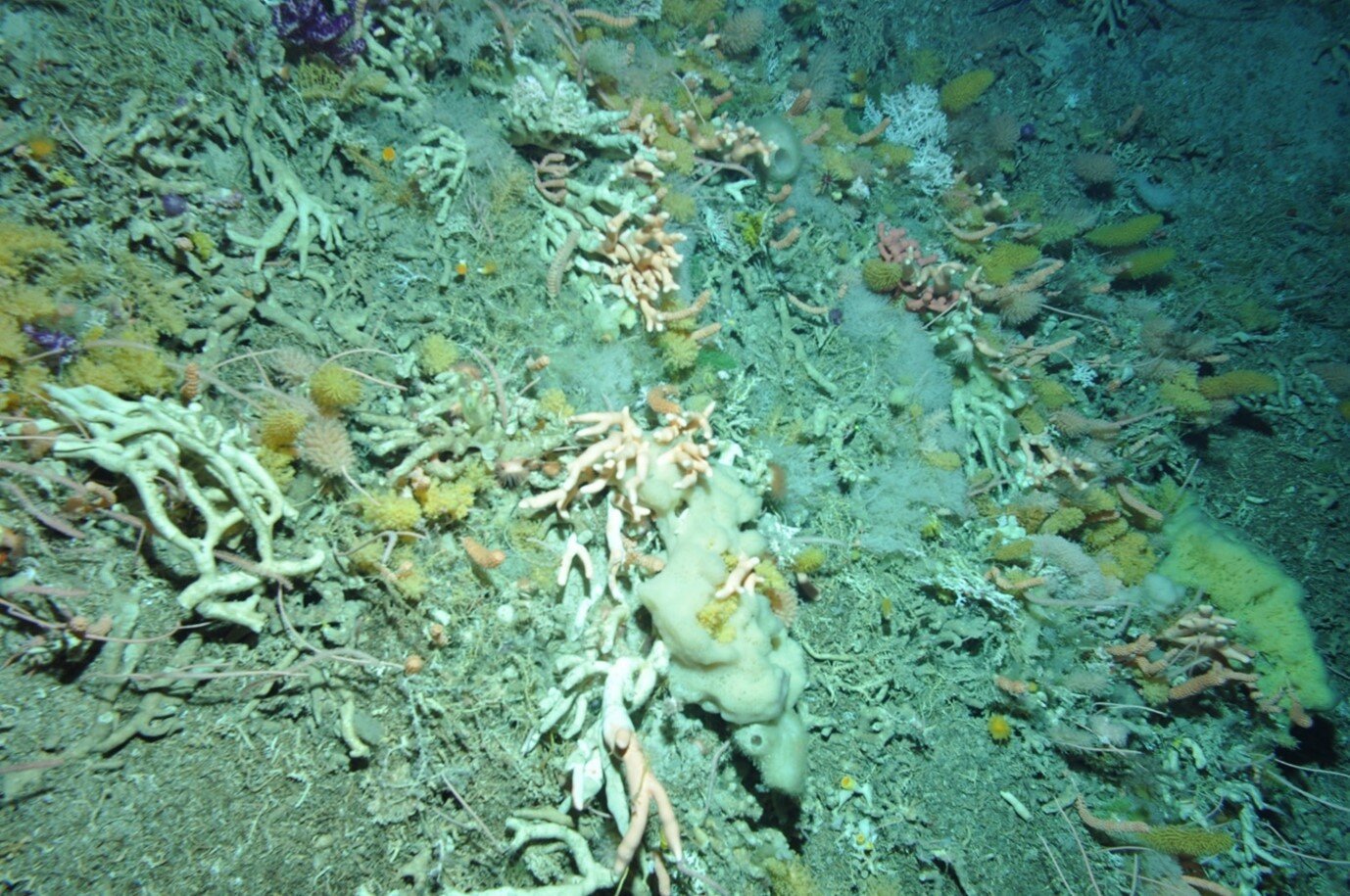
A study led by the University of Bristol and Nanjing University has found that ocean currents did not contribute to the increase in global levels of carbon dioxide in the air over the past 11,000 years. The study examined deep-sea corals to shed light on the history of ocean chemistry and found that long-term polar ocean mixing between surface and deep water remained relatively stable. The researchers propose that biogeochemical cycles that redistribute nutrients and carbon in the ocean and on land may have influenced the rise in atmospheric CO2 levels during the Holocene.