Tag

Sustainable Development Goals

All articles tagged with #sustainable development goals

"UN Report: Over 1 Billion Meals Wasted Daily While Millions Suffer from Hunger"

Originally Published 1 year ago — by ABC News

Featured image for "UN Report: Over 1 Billion Meals Wasted Daily While Millions Suffer from Hunger"
Source: ABC News

A new UN report reveals that global households wasted over 1 billion meals per day in 2022, amounting to an estimated $1 trillion worth of food and weighing 1.05 billion tons. Food waste accounts for nearly 19% of the food available to consumers, with households contributing 60% of the total waste. The report emphasizes the impact of food waste on greenhouse gas emissions and highlights disparities between rural and urban populations. It calls for enhanced data collection and public-private partnerships to reduce food waste and its environmental impacts, urging countries to prioritize the issue to reverse food loss and waste.
"UN Adopts Landmark Resolution for Global AI Safety"

Originally Published 1 year ago — by UN News

Featured image for "UN Adopts Landmark Resolution for Global AI Safety"
Source: UN News

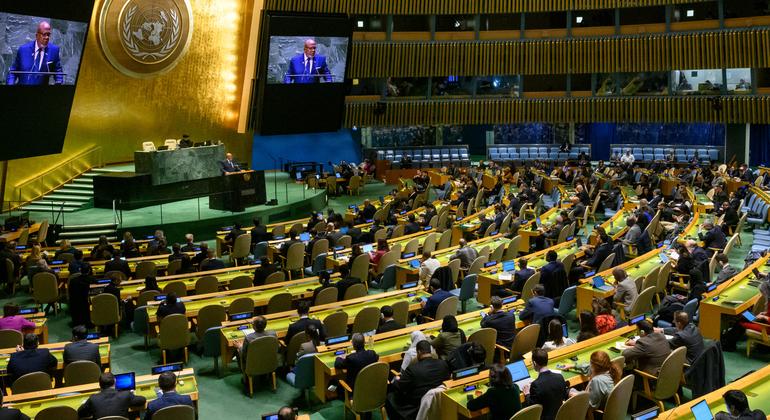
The United Nations General Assembly has adopted a landmark resolution on artificial intelligence, emphasizing the importance of respecting, protecting, and promoting human rights in the development and use of AI. The resolution, co-sponsored by over 120 Member States, aims to regulate the emerging field and recognizes AI's potential to contribute to the achievement of the 17 Sustainable Development Goals. It calls for refraining from using AI systems that violate human rights and urges cooperation to bridge the digital divide and increase digital literacy. The resolution is seen as a historic step forward for the safe and responsible use of AI, with the US Ambassador expressing hope that it will serve as a model for addressing AI challenges in other areas.

"Russia's Veto Power and Sanctions Relief Threaten UN's SDGs"

Originally Published 2 years ago — by The Moscow Times

Featured image for "Russia's Veto Power and Sanctions Relief Threaten UN's SDGs"
Source: The Moscow Times

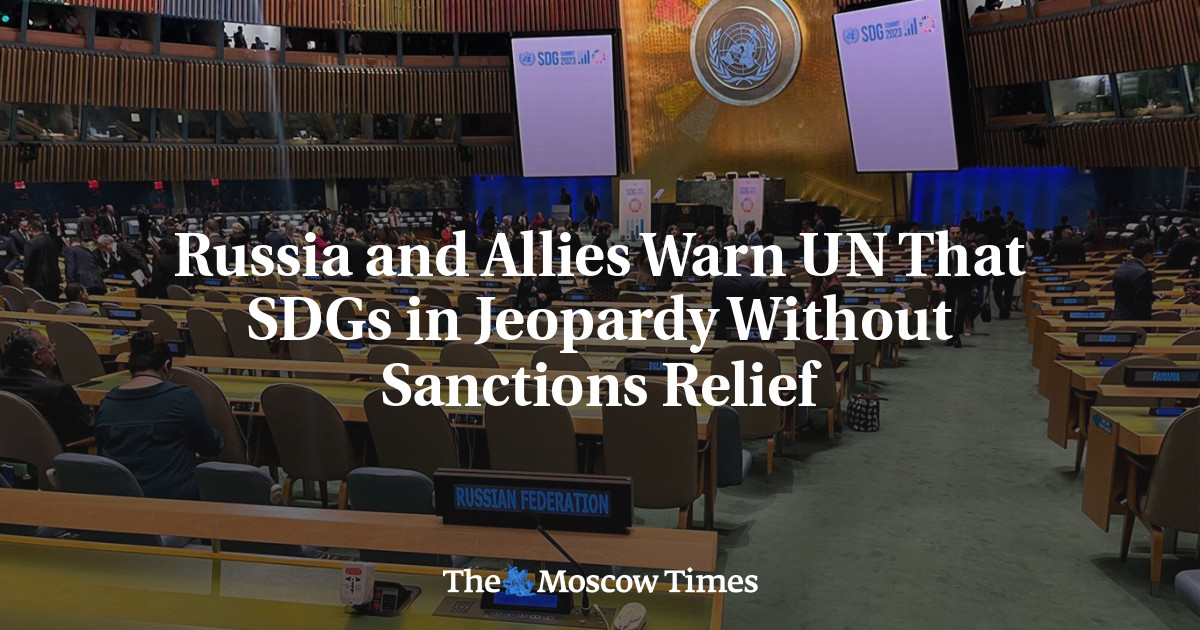
Russia, along with allies Belarus, Iran, Bolivia, Nicaragua, Cuba, North Korea, Syria, Eritrea, Venezuela, and Zimbabwe, has threatened to block the adoption of a new political declaration at the UN Sustainable Development Goals Summit, arguing that sanctions undermine their progress towards achieving the SDGs. The countries referred to the sanctions as "unilateral coercive measures" and highlighted the negative impact on their capacities to implement the SDGs. Independent experts have criticized Russia for failing to meet its SDGs, citing the war on Ukraine as a major setback. The suspension of international cooperation, loss of incentives for decarbonization, and the exodus of renewable energy companies have hindered Russia's progress. Despite the collective appeal, the new declaration was adopted, but experts believe countries advocating for the lifting of sanctions may still oppose it. Critics argue that Russia is using the SDG agenda to manipulate the world into repealing sanctions.

"Colombia's General Assembly: A Crucial Gathering for National Progress"

Originally Published 2 years ago — by General Assembly of the United Nations General Debate

Featured image for "Colombia's General Assembly: A Crucial Gathering for National Progress"
Source: General Assembly of the United Nations General Debate

Colombian President Gustavo Petro Urrego warns that the multiple crises in the world, including war, hunger, recession, and the climate crisis, have deepened over the past year, leading humanity towards extinction. He highlights the migration flows from the South to the North as an indicator of the crisis of life, predicting that by 2070, 3 billion people will be forced to migrate due to uninhabitable homes. Petro calls for an end to hatred towards migrants and proposes two peace conferences on Ukraine and Palestine to achieve global peace. He criticizes the lack of monetary resources for climate change adaptation and calls for reforming the global financial system to decarbonize the world's economy. Petro emphasizes the need for public funds and global cooperation to achieve the Sustainable Development Goals and ensure social and environmental justice on the planet.

"UN General Assembly: Seeking Unity Amidst Crises and Global Challenges"

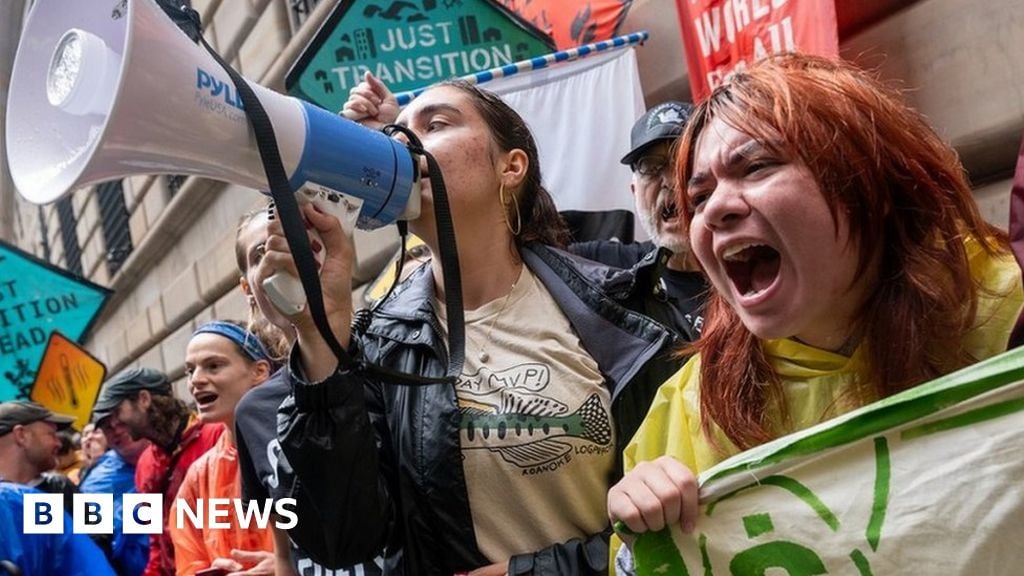
Originally Published 2 years ago — by BBC

Featured image for "UN General Assembly: Seeking Unity Amidst Crises and Global Challenges"
Source: BBC

The United Nations General Assembly is facing a lack of unity as world leaders gather in New York to address multiple crises, including Russia's invasion of Ukraine, the global cost of living crisis, the climate emergency, and the impact of new technologies. Disagreements exist not only over priorities but also over the appropriate remedies. President Zelensky of Ukraine will seek support from world leaders, particularly from countries in Africa, Asia, and Latin America, many of whom have refrained from condemning Russia's invasion. Western powers aim to emphasize that the war in Ukraine is not just a European security issue but a global economic crisis. However, many leaders want the focus of the UN gathering to be on the climate crisis and economic difficulties rather than the war in Europe. UN Secretary-General Guterres is hosting separate summits to address poverty reduction and climate change. Western leaders are promising action on global development issues and mobilizing financial resources for the Global South. The UN general assembly will be a crucial moment for leaders to discuss these crises, but unity may be challenging to achieve.

"2023 SDG Summit: Transforming the World through Dialogue, Action, and Impact"

Originally Published 2 years ago — by UN Web TV

Featured image for "2023 SDG Summit: Transforming the World through Dialogue, Action, and Impact"
Source: UN Web TV

The 2023 SDG Summit aims to address the world's crises and reignite hope and enthusiasm for the 2030 Agenda. It provides an opportunity for countries to work together towards sustainable development, transforming how societies produce, consume, and share benefits while leaving no one behind. The Summit will focus on taking action and accelerating international efforts to improve people's lives, with a concise political declaration expected as its outcome document.

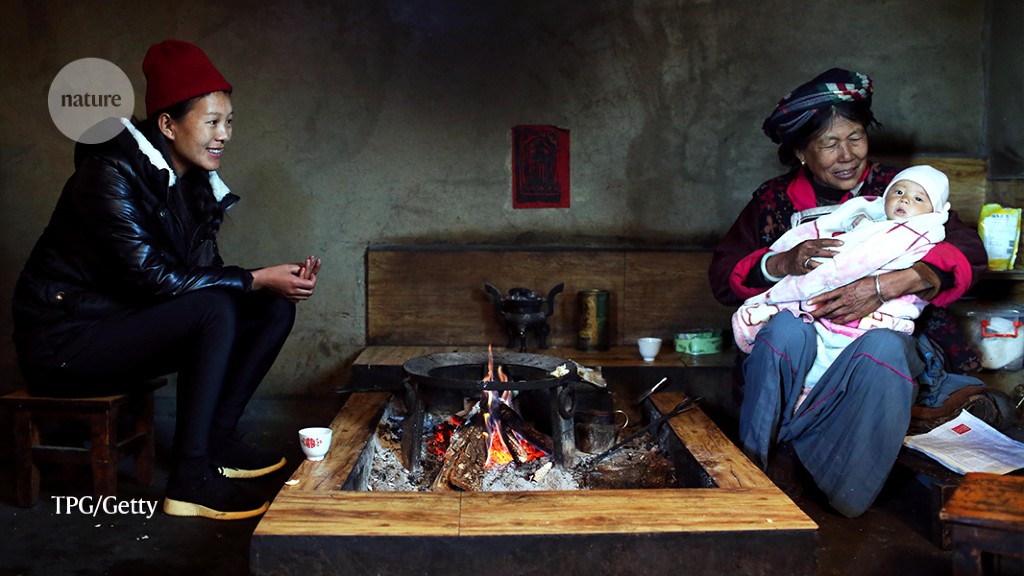
Failing Commitment to Gender Equality Hinders Progress for Women and Girls

Originally Published 2 years ago — by Nature.com

Featured image for Failing Commitment to Gender Equality Hinders Progress for Women and Girls
Source: Nature.com

Achieving global gender equality remains a significant challenge, with many countries still struggling to provide equal access to education and reproductive health. The COVID-19 pandemic has exacerbated existing inequalities, particularly for women who have faced increased unpaid childcare and domestic violence. While some progress has been made in areas such as women's representation in local government and access to sexual and reproductive health rights, systemic discrimination against women persists. Research suggests that societies with shared decision-making between genders, such as the Mosuo people in China, experience better health outcomes for women. A more gender-equal approach to politics and power has also been linked to better outcomes for sustainable development goals. However, there is a need for greater collaboration and consideration of gender in achieving these goals.

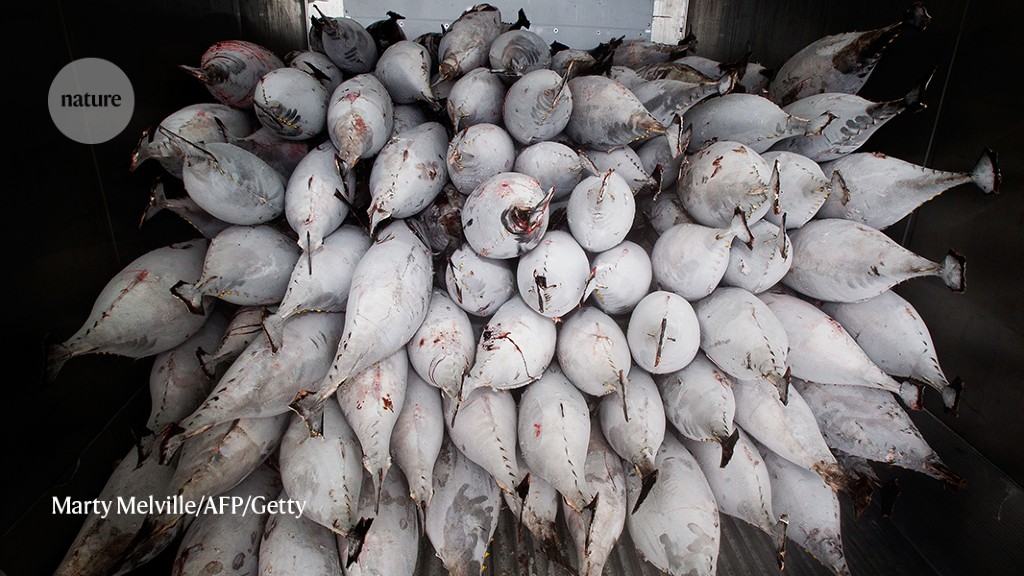
The Hypocrisy of Neglecting Oceans in the Climate Fight

Originally Published 2 years ago — by Nature.com

Featured image for The Hypocrisy of Neglecting Oceans in the Climate Fight
Source: Nature.com

Despite the existence of the United Nations Sustainable Development Goal 14 to conserve and sustainably use the oceans, progress in achieving this goal has been regressing since 2015. The lack of leadership and misalignment of promises and actions from self-proclaimed ocean champions are hindering efforts to address ocean threats such as acidification, pollution, overfishing, and biodiversity loss. While science can provide valuable insights, it cannot fill the gap of leadership. Holding nations accountable for their promises and implementing better progress metrics are crucial steps towards achieving ocean sustainability. Additional funding and the end of harmful fisheries subsidies are also necessary to support SDG 14. The livelihoods of millions of people depend on the health of the oceans, making it imperative for world leaders to fulfill their commitments.

Ending AIDS by 2030: UNAIDS Report Outlines Path to Success

Originally Published 2 years ago — by UNAIDS

A new report from UNAIDS outlines a clear path to end AIDS by 2030, highlighting the achievements of countries like Botswana, Eswatini, Rwanda, Tanzania, and Zimbabwe, which have already achieved the "95-95-95" targets. However, progress is still needed, as 9.2 million people are still missing out on treatment, and women and girls, particularly in sub-Saharan Africa, are disproportionately affected. Funding for HIV has also declined, falling short of the necessary amount. The report emphasizes the importance of strong political leadership, evidence-based prevention and treatment, non-discriminatory laws, gender equality, and empowered community networks to achieve the goal of ending AIDS.

"Empowering MSMEs: Celebrating the Impact of Small Businesses in 2023"

Originally Published 2 years ago — by UN Web TV

Featured image for "Empowering MSMEs: Celebrating the Impact of Small Businesses in 2023"
Source: UN Web TV

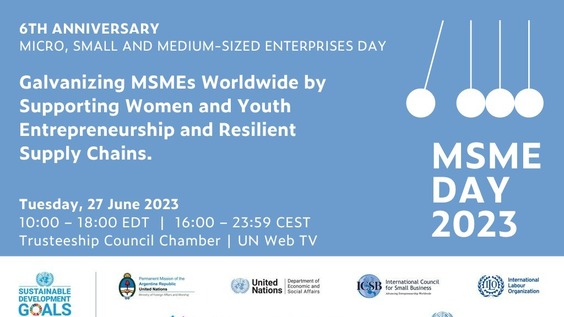
The global working environment for micro, small, and medium-sized enterprises (MSMEs) has been disrupted by multiple shocks and crises, making them vulnerable to inflation and supply chain disruptions. Women and youth-owned enterprises face additional challenges due to limited access to finance, capacity-building support, and global markets. Policies that support MSME development and entrepreneurship for women and youth are crucial to address these challenges and contribute to the achievement of Sustainable Development Goals. This MSME Day will also focus on supporting resilient supply chains to ensure economic viability and sustainability.

Global Gender Gap Report 2021: Japan drops, India rises, and US lags behind.

Originally Published 2 years ago — by 朝日新聞デジタル

Featured image for Global Gender Gap Report 2021: Japan drops, India rises, and US lags behind.
Source: 朝日新聞デジタル

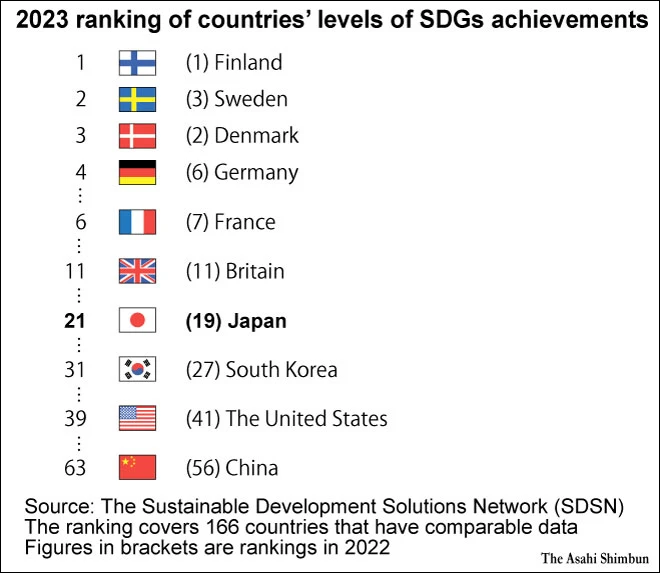
Japan has dropped to 21st place from last year's 19th in the ranking of countries' performance in achieving the United Nations' Sustainable Development Goals (SDGs), according to the annual report published by the Sustainable Development Solutions Network. The report rates how well a country has achieved 17 SDGs on a scale of four. Japan's ranking in the annual survey has been dropping since peaking at 11th place in 2017.

Trinidadian diplomat prioritizes peace, prosperity, progress, and sustainability as new UN General Assembly President.

Originally Published 2 years ago — by UN News

Featured image for Trinidadian diplomat prioritizes peace, prosperity, progress, and sustainability as new UN General Assembly President.
Source: UN News

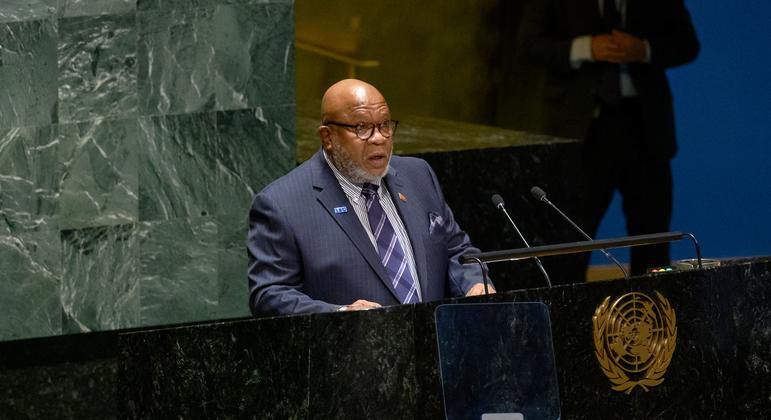
Ambassador Dennis Francis of Trinidad and Tobago has been elected as the new President of the United Nations General Assembly, starting in September. He plans to prioritize promoting meaningful dialogue and enhancing current approaches to deliver peace, prosperity, progress, and sustainability. Francis has had a distinguished diplomatic career spanning nearly four decades and has served as Senior Adviser to the Minister of Foreign Affairs on all multilateral matters, including climate change and the negotiations for the 2030 Agenda for Sustainable Development.

G7 Summit in Hiroshima: Nuclear Disarmament, Bilateral Meetings, and Trade De-Risking

Originally Published 2 years ago — by The White House

Featured image for G7 Summit in Hiroshima: Nuclear Disarmament, Bilateral Meetings, and Trade De-Risking
Source: The White House

The G7 Summit in Hiroshima showed unity on various issues, including Ukraine, China, economic resilience and security, clean energy economies, and an affirmative and ambitious development agenda. The leaders announced new sanctions and export controls against Russia, discussed peace with a broad range of partners, and launched the G7 Coordination Platform on Economic Coercion. They also emphasized the need to unlock investments and policy reforms to accelerate progress toward the Sustainable Development Goals and addressed rising levels of debt. The United States plans to provide a $250 million contribution in Fiscal Year 2023 appropriations to the Pandemic Fund to strengthen global health security around the world. The G7 Leaders demonstrated concrete progress on the PGII infrastructure initiative and announced new projects.

India's Development at Risk Due to Underestimated Heat Waves.

Originally Published 2 years ago — by NBC News

Featured image for India's Development at Risk Due to Underestimated Heat Waves.
Source: NBC News

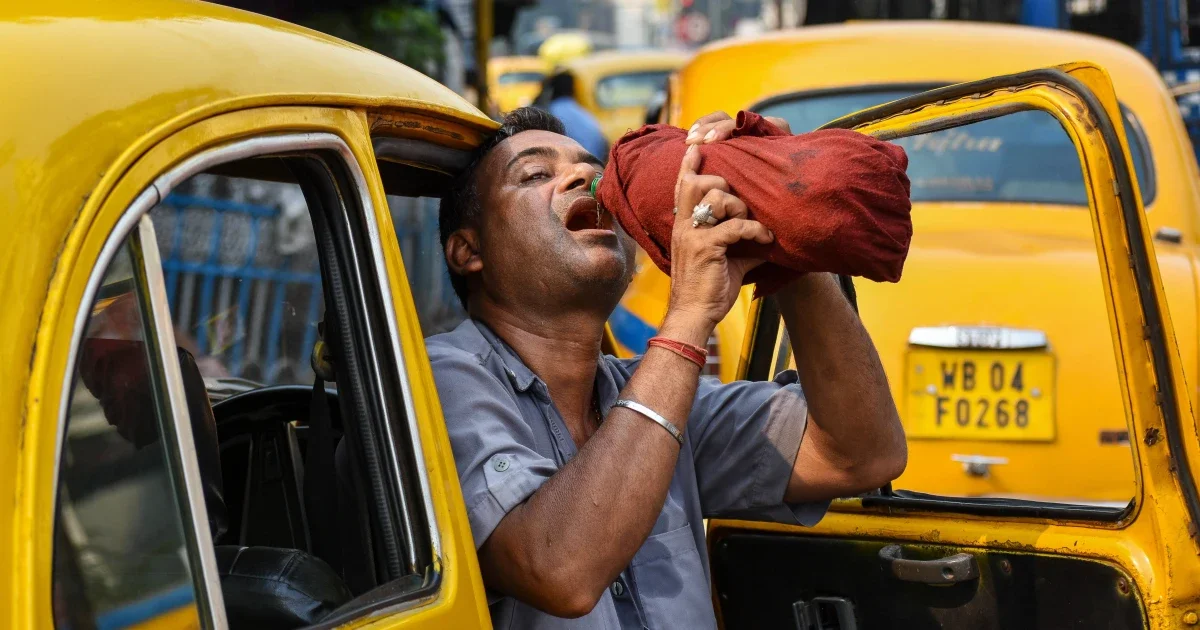
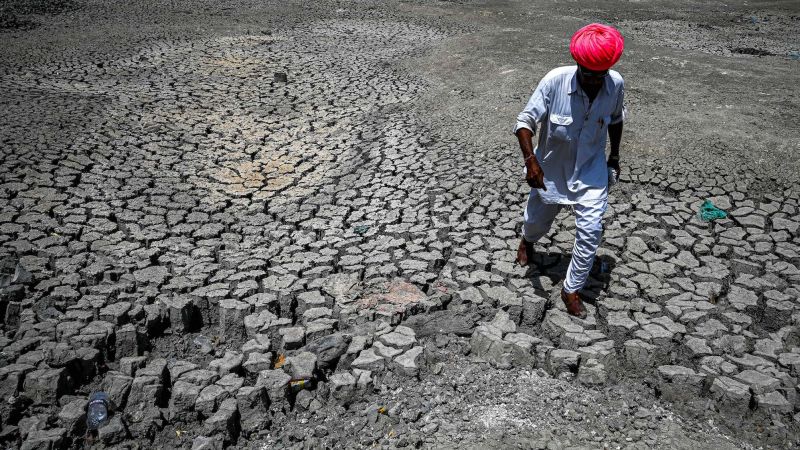
India's progress towards sustainable development goals is being slowed down by the underestimation of the damage caused by extreme heat, which is placing 80% of the population in danger. The country's vulnerability to climate change is not being accurately assessed, as the metrics used do not take into account the impact of searing temperatures on reducing poverty and improving health outcomes. Researchers at Cambridge University have called for an overhaul of how progress on development goals is measured to reflect the gravity of extreme heat in the country.

India's Development at Risk Due to Deadly Heat Waves and Disrupted Schools.

Originally Published 2 years ago — by CNN

Featured image for India's Development at Risk Due to Deadly Heat Waves and Disrupted Schools.
Source: CNN

Deadly heat waves fueled by climate change are threatening India’s development and risk reversing its progress on poverty alleviation, health and economic growth, a new study has found. More than 90% of the country could be severely impacted by heat waves, falling into an extreme heat “danger” zone, according to the heat index. The increased heat is expected to cost India 2.8% and 8.7% of its Gross Domestic Product (GDP) and depressed living standards by 2050 and 2100, respectively. By mid-century, 70 Indian cities are expected to have more than 1 million inhabitants, and extreme heat will pose a threat to the energy security and health of those people, and reverse progress in inequality and poverty reduction.