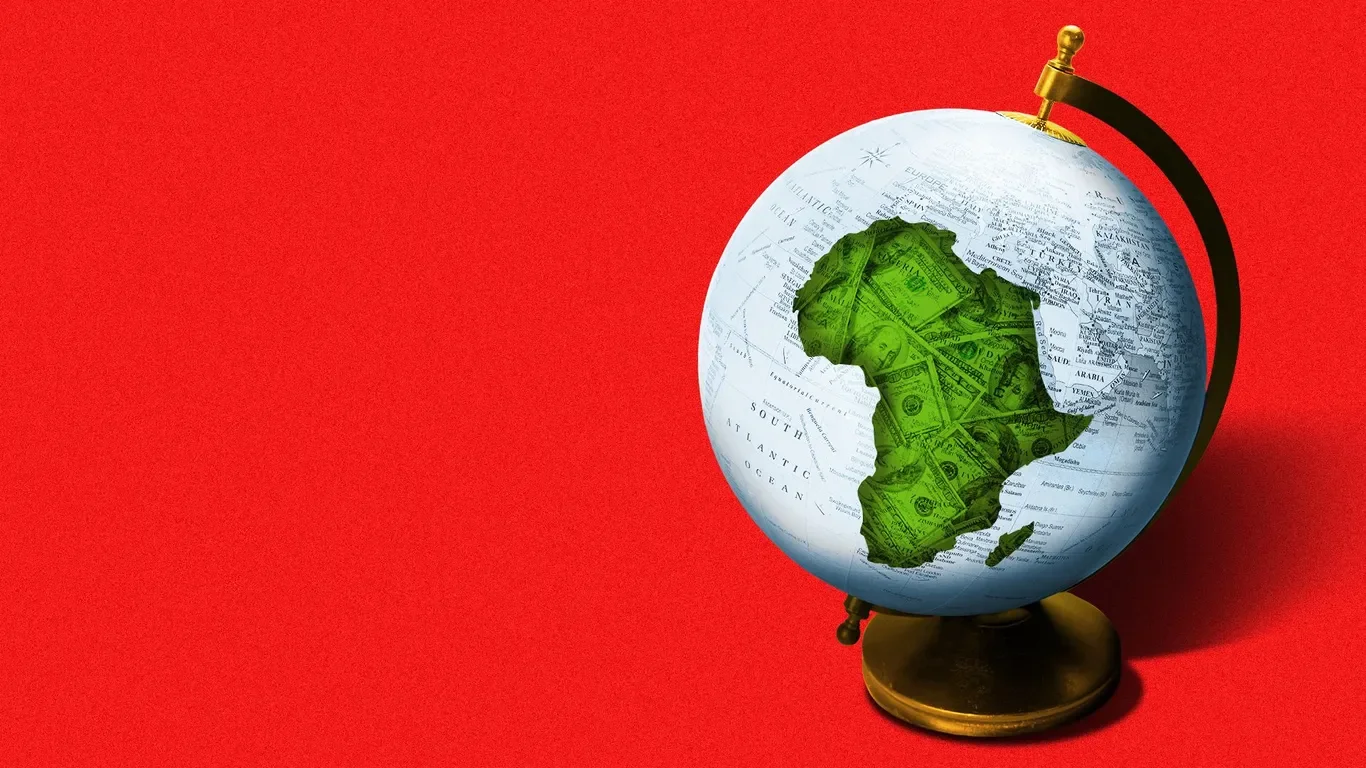
Bill Gates warns that the world regressed in child mortality progress last year due to reduced aid from rich countries, and he predicts a difficult five years ahead before we can enter a new era of progress, despite his optimism fueled by AI innovation. He announced a $200 billion donation to his foundation to address global issues and urges wealthy individuals to increase philanthropy to bridge funding gaps.
In his 2026 letter, Bill Gates expresses cautious optimism about the future, emphasizing the importance of innovation in health, climate, and education, while highlighting challenges such as rising child mortality, economic disparities, and the disruptive potential of AI. He advocates for increased generosity, scaling technological solutions for equality, and careful management of AI risks to ensure long-term progress.
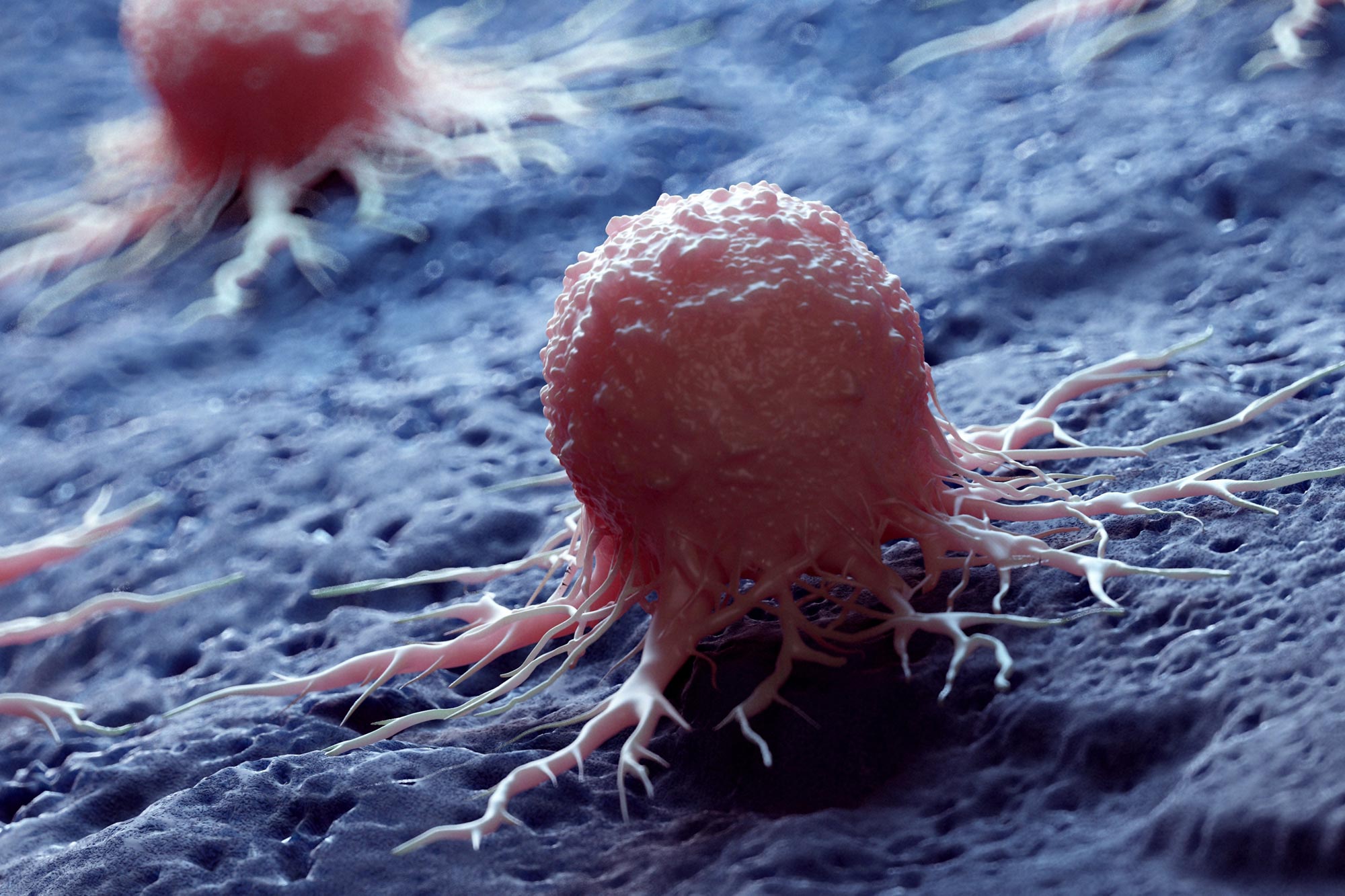
Global cancer cases and deaths have surged over the past three decades, driven mainly by population growth and aging, with low- and middle-income countries facing the fastest increases. Despite advances in treatment, disparities persist, and behavioral risk factors like tobacco use significantly contribute to cancer mortality. The study emphasizes the urgent need for equitable cancer prevention and control efforts worldwide to reduce future burdens, especially in resource-limited settings.
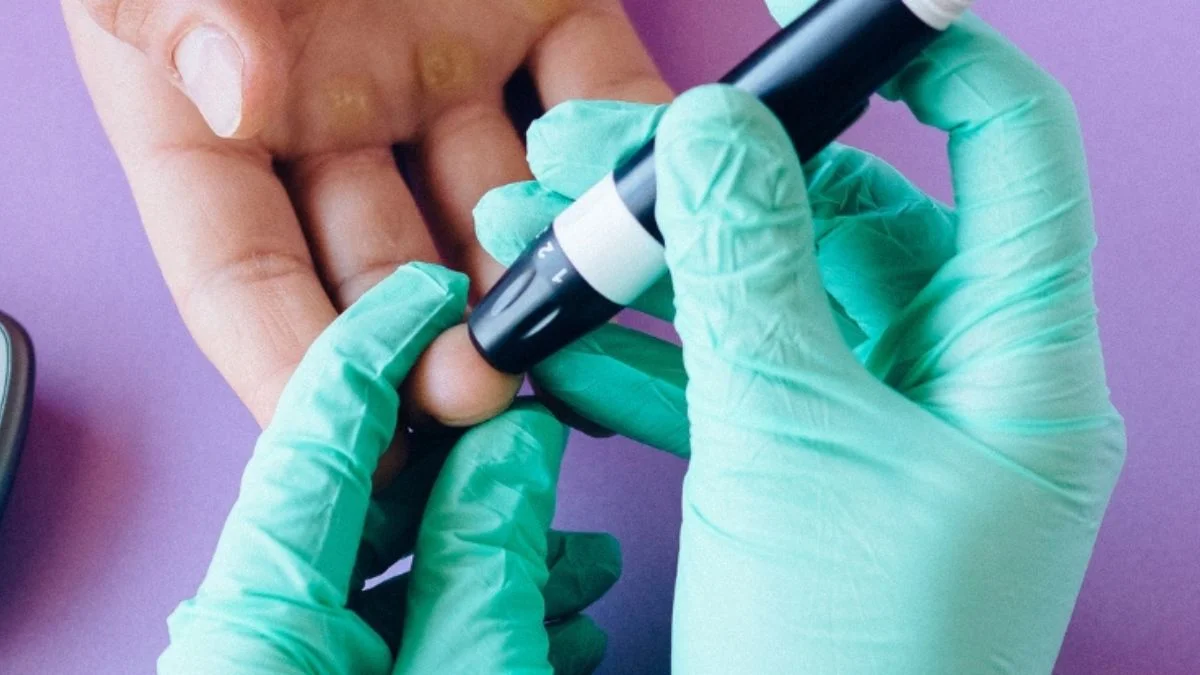
The International Diabetes Federation has officially recognized a fifth form of diabetes, called type 5 diabetes, which is linked to malnutrition and affects millions worldwide, especially in low- and middle-income countries. This recognition aims to improve diagnosis and treatment, as type 5 diabetes is distinct from other types and often misdiagnosed, with current treatments potentially harmful. The move is seen as long overdue, with efforts underway to establish diagnostic criteria and therapeutic guidelines.
In 2025, WHO achieved significant milestones including the first Pandemic Agreement, disease elimination efforts, progress in vaccination and health system equity, and strengthened global preparedness for health emergencies, despite funding challenges and ongoing health threats worldwide.
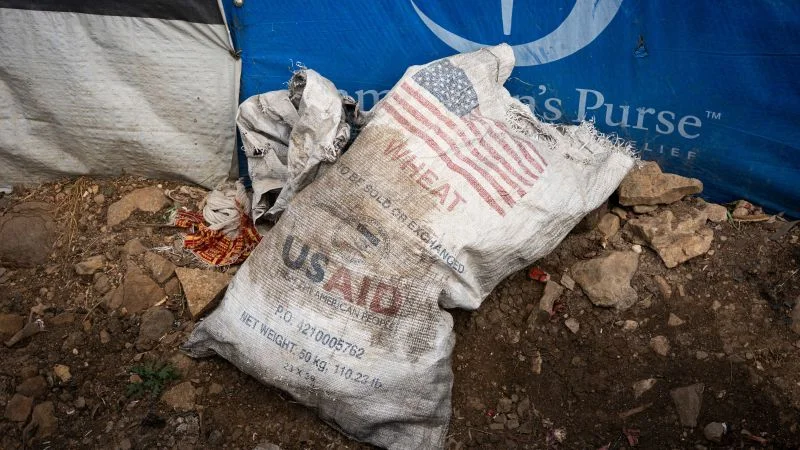
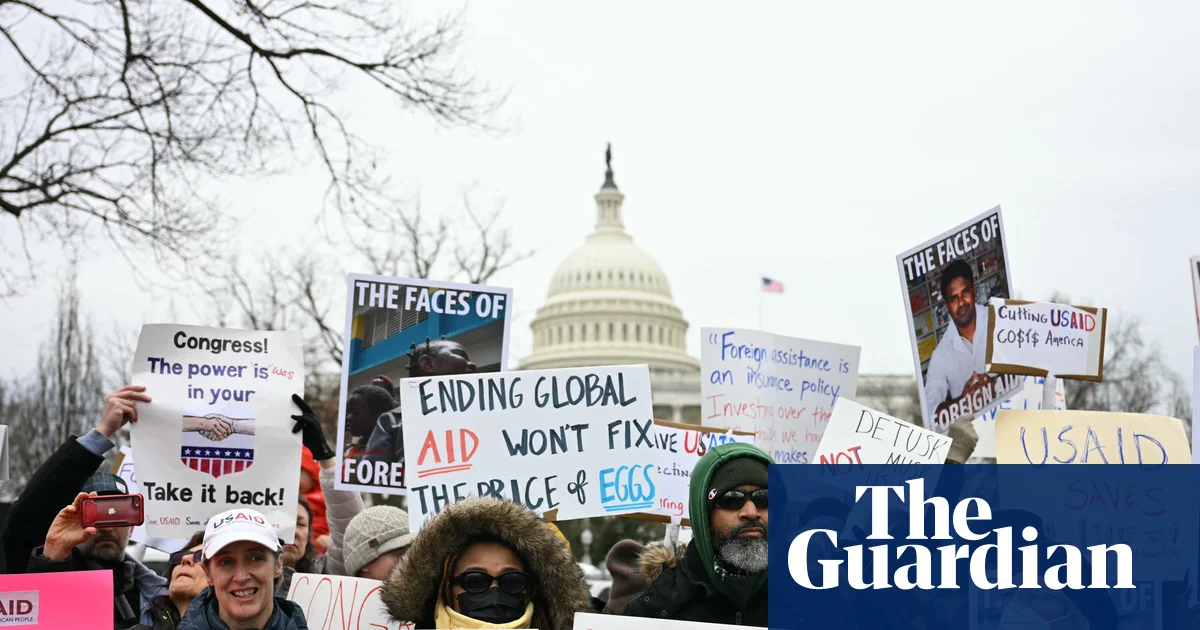
The abrupt US aid cuts through USAID have led to a power vacuum in global health, which anti-rights groups are exploiting by promoting conservative policies and alternative services that threaten reproductive rights and health, especially in developing countries. These efforts include the Geneva Consensus Declaration and the Protego project, aiming to restrict access to abortion and comprehensive sexuality education, potentially increasing maternal mortality and unsafe abortions worldwide.
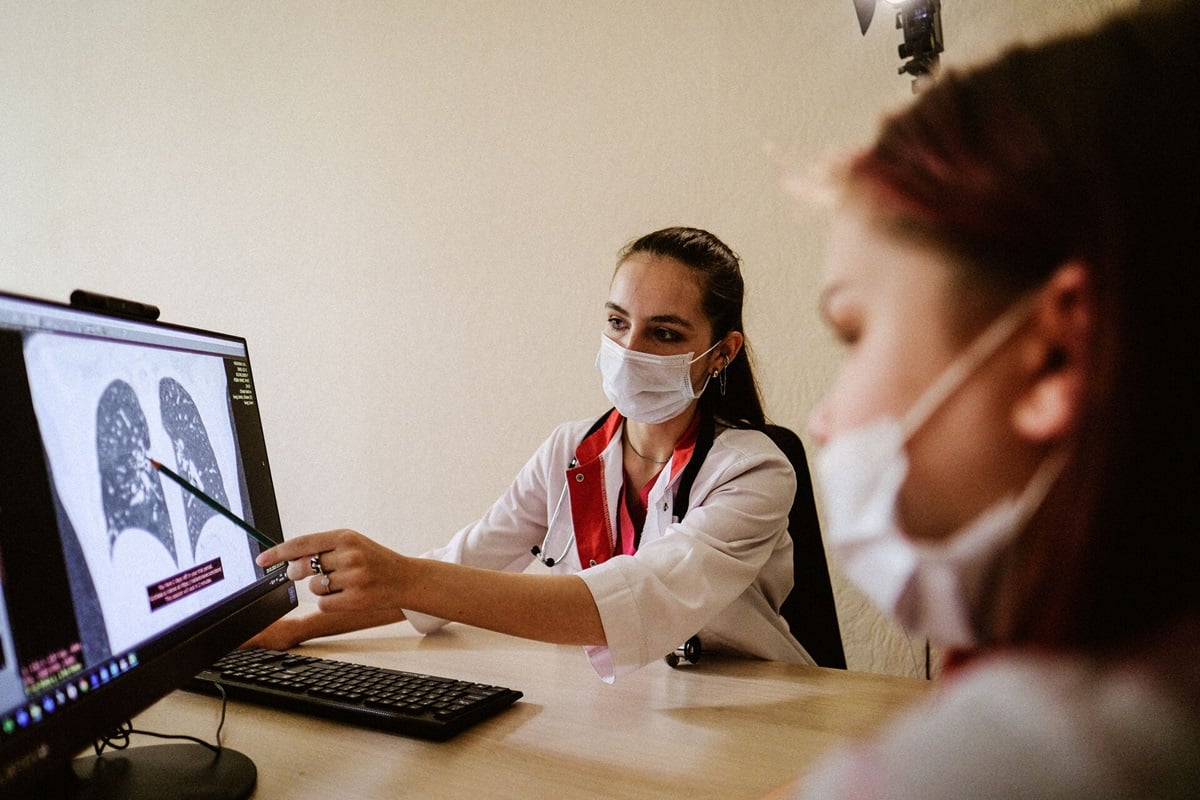
Despite progress in reducing TB incidence and deaths, global efforts are threatened by stagnant funding and inequitable access to care, risking reversal of gains in the fight against TB, which remains a major health threat with over 1.2 million lives lost annually.
The WHO Global Tuberculosis Report 2025 provides an updated assessment of the TB epidemic worldwide, highlighting progress in prevention, diagnosis, and treatment based on data from 184 countries, covering over 99% of the global population affected by TB.
Chronic kidney disease has become the ninth leading cause of death worldwide, with cases nearly doubling from 1990 to 2023, driven by risk factors like high blood sugar, blood pressure, and BMI. Most cases are in early stages but often go undiagnosed, emphasizing the need for increased testing and access to treatment to prevent progression to dialysis or transplantation. The disease's rising prevalence highlights its importance as a major public health concern.
A new global study reveals that chronic kidney disease affects nearly 800 million people worldwide, making it one of the top 10 causes of death, with increasing prevalence linked to aging populations and lifestyle factors, highlighting the urgent need for early detection and treatment.
The article argues that pandemics are preventable through human action, emphasizing the importance of global cooperation, technological advances, and strategic investments in prevention, detection, and response systems to significantly reduce the risk of future pandemics by 2050.
The US is linking its health aid to countries' agreement to share pathogen data, potentially undermining WHO's existing systems and negotiations on equitable benefit-sharing, with a focus on disease outbreak detection and response, especially in Africa.
The article discusses how ongoing conflicts and wars are exacerbating the global issue of drug resistance, highlighting the urgent need for addressing this growing public health threat.
Scientists at DTU have developed a new broad-spectrum nanobody-based antivenom that could revolutionize snakebite treatment, especially in Africa, by targeting multiple snake species with a safer, more stable, and cost-effective solution, though human trials are still needed.
Despite being a 50-year-old, inexpensive, and effective treatment for Parkinson's disease, levodopa remains inaccessible to many worldwide due to systemic political, logistical, and regulatory failures. The authors call for a coordinated global response to make levodopa universally available, affordable, and safe, similar to the successful international efforts against HIV/AIDS, emphasizing that access to this life-changing medication is a matter of human rights and public health urgency.