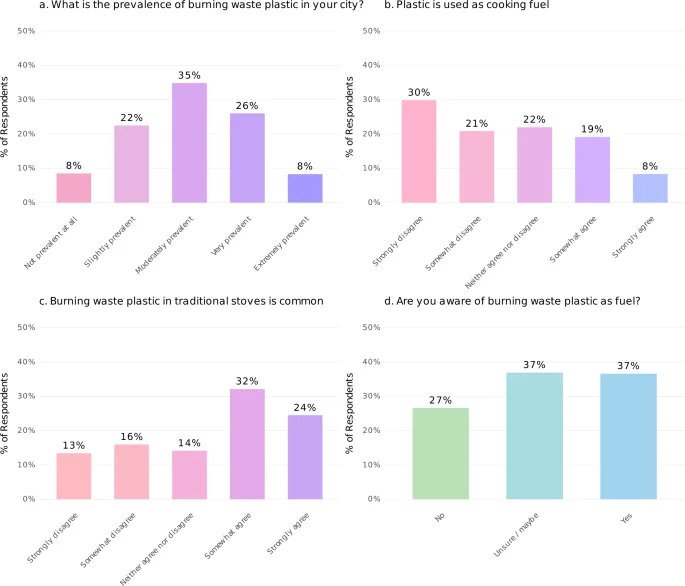
The article investigates the widespread practice of burning plastic waste as household fuel in low-income urban communities across the Global South, highlighting its prevalence, drivers such as inadequate waste management and energy poverty, and associated health and environmental risks, while emphasizing the need for improved waste systems and clean energy access to mitigate this issue.
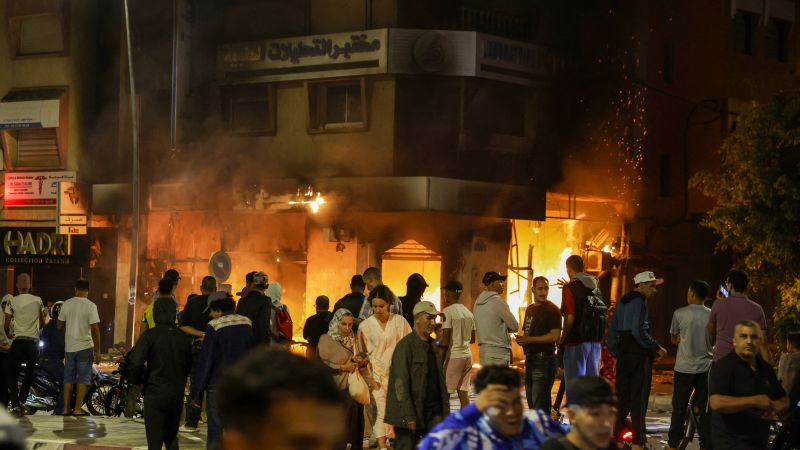
Across Morocco, Madagascar, Peru, Nepal, and other countries, Generation Z is leading widespread protests driven by economic inequality, political corruption, and social injustice, utilizing digital platforms for organization and mobilization, signaling a global shift in youth activism and discontent with traditional political systems.
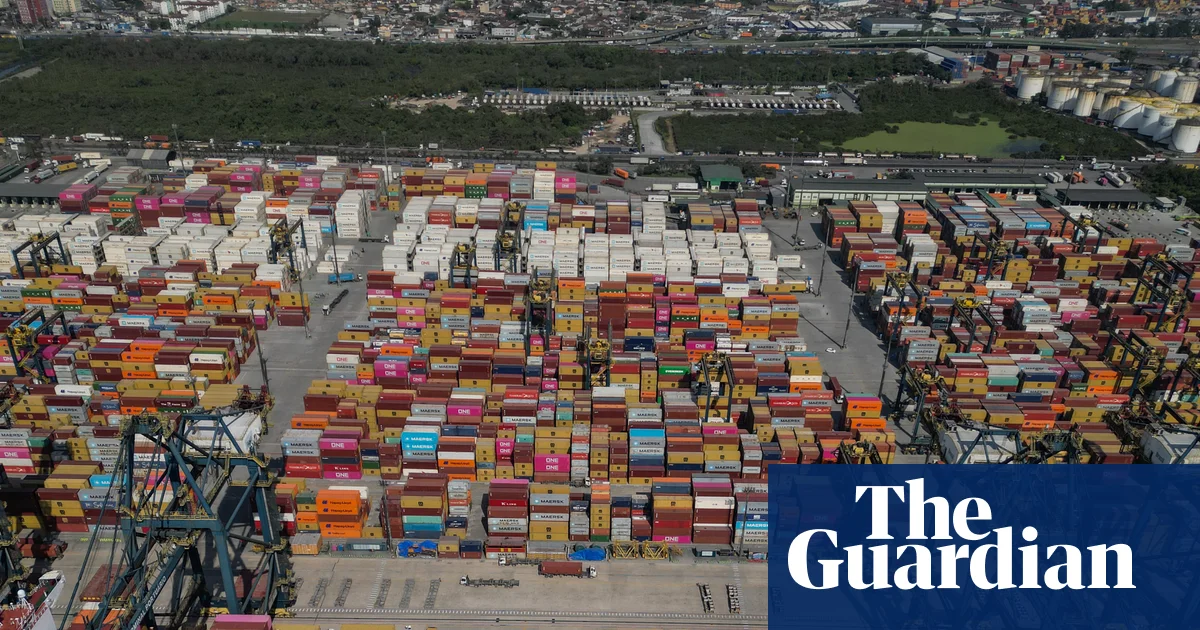
The article discusses how Trump's tariffs are causing a realignment of global alliances, especially among the global south, with countries like Brazil, India, and China seeking to bypass US economic dominance and form new partnerships, potentially leading to a shift in global power dynamics and the weakening of US influence.
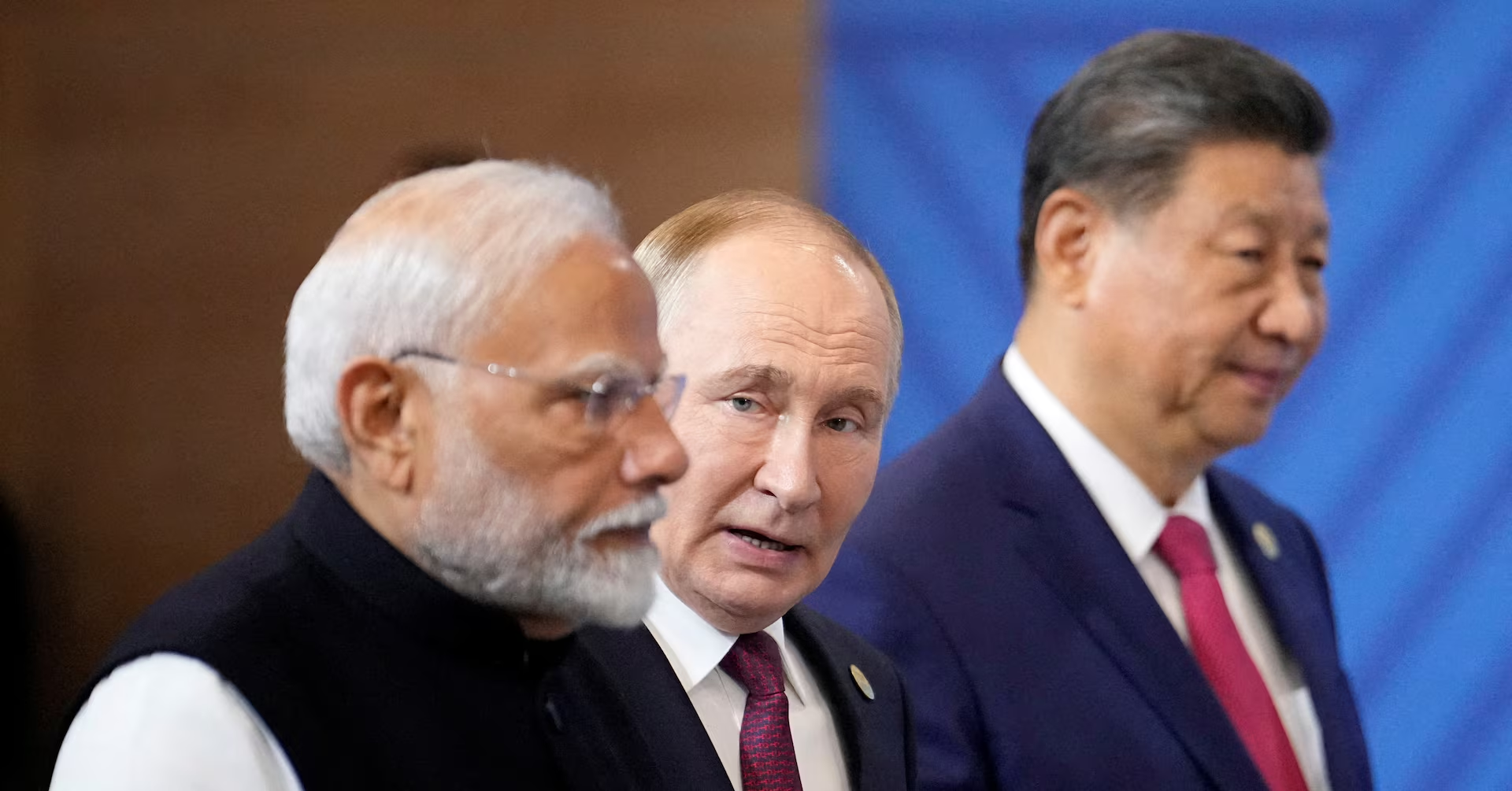
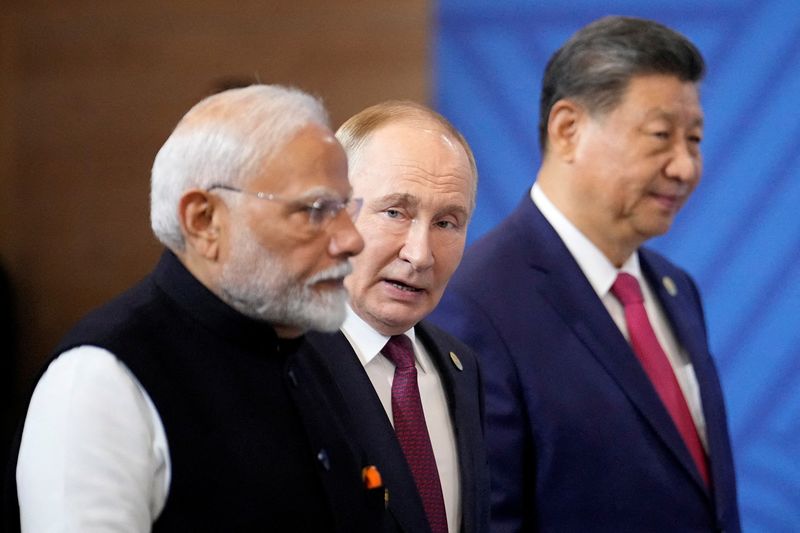
China's Xi Jinping is hosting a major regional security forum in Tianjin to showcase Global South solidarity, inviting over 20 leaders including Putin and Modi, amidst geopolitical flux and efforts to counter Western influence. The summit emphasizes optics over substantive cooperation, with key bilateral meetings expected between India and China, and Putin staying on for a military parade in Beijing.
Chinese President Xi Jinping is hosting a major SCO summit in Tianjin with over 20 world leaders, including Putin and Modi, to showcase Global South solidarity and counter Western influence, amid efforts to improve India-China relations and expand the bloc's influence, despite limited cooperation outcomes.
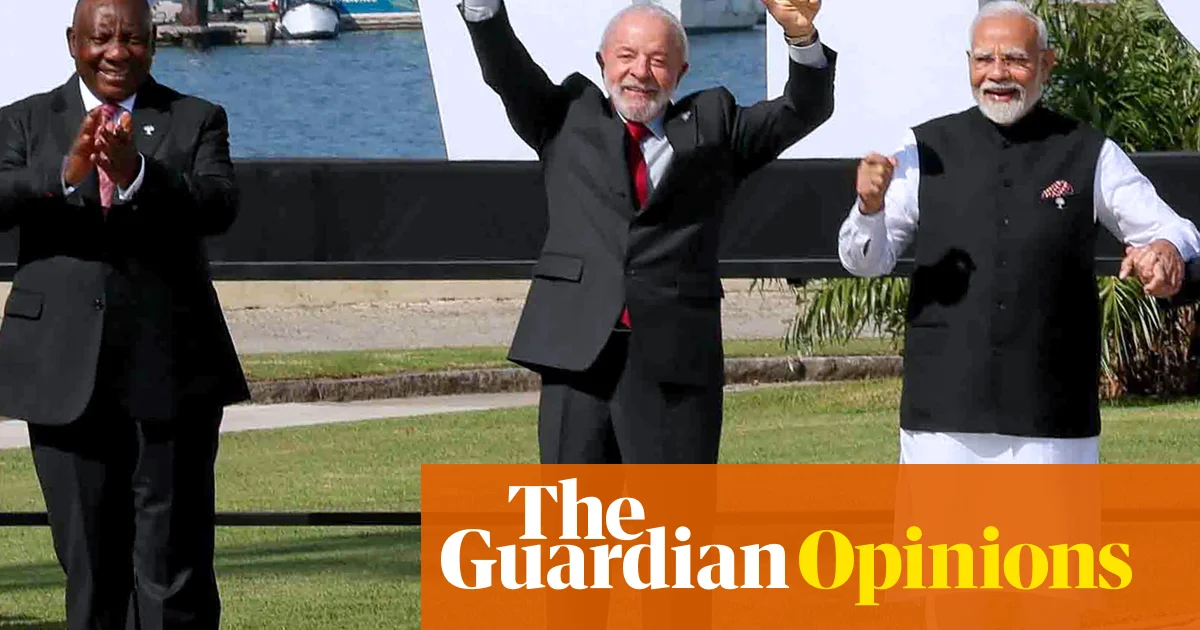
The Brics summit in Brazil aims to strengthen collective action among emerging economies to address global issues like climate change and geopolitical tensions, amidst internal divisions and challenges to multilateralism, with a focus on reforming global governance and supporting climate finance for the global south.
The article argues that Trump's travel ban targets countries in the global south, primarily composed of Black, brown, and Muslim populations, as a reflection of ongoing American imperialism and exploitation, rather than genuine security concerns, highlighting the historical and ongoing US interventions that have caused poverty, violence, and displacement in these nations.
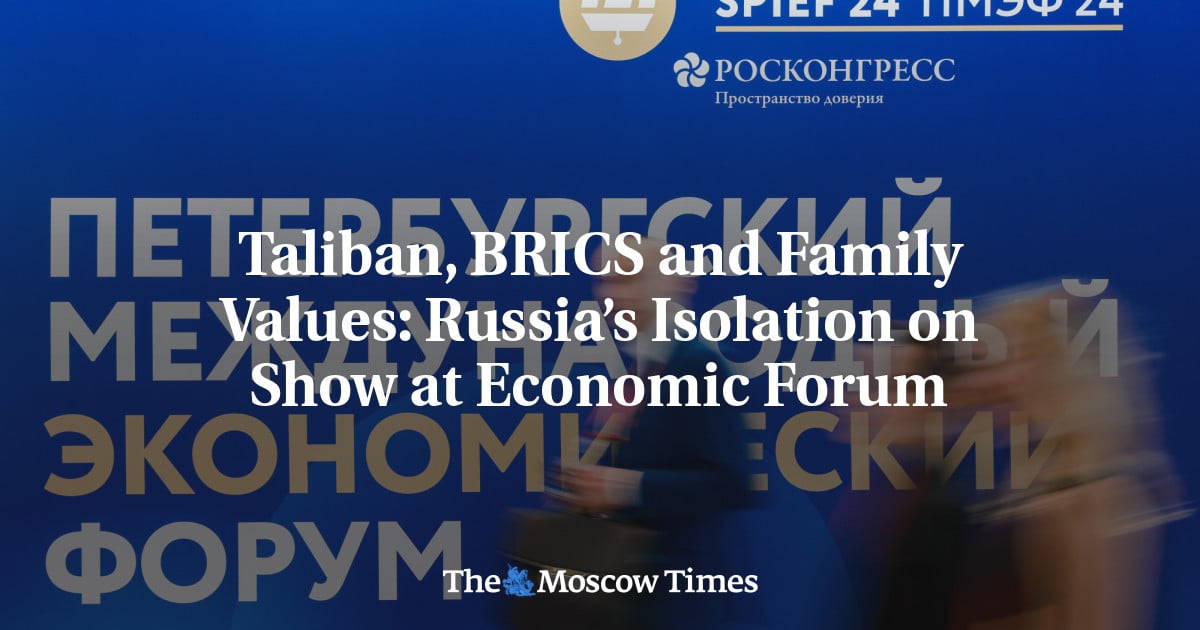
The St. Petersburg International Economic Forum (SPIEF) has shifted focus towards Russia's partnerships with the Global South and domestic business deals amid its diplomatic and economic isolation following the 2022 invasion of Ukraine. The forum, once a major international event, now sees diminished Western participation, with notable attendees including the presidents of Bolivia and Zimbabwe and a delegation from the Taliban. The event also highlights the involvement of the children of Russia's political elite and discussions on Russia's "economic sovereignty" and "traditional values." Despite its reduced global status, SPIEF remains a key platform for Russia's political and economic elite.
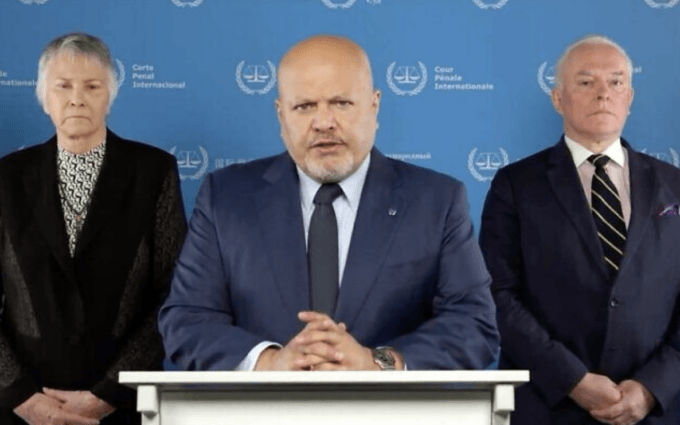
The International Criminal Court's Chief Prosecutor Karim Khan has requested arrest warrants for Israeli Prime Minister Benjamin Netanyahu, Defense Minister Yoav Gallant, and Hamas leaders for alleged war crimes and crimes against humanity. This unprecedented move highlights the ICC's shift towards addressing long-standing accusations of bias and the influence of the Global South in seeking justice for Palestinians. The decision follows significant casualties in Gaza and aims to uphold the credibility of international law.
Binance's exit from Nigeria reflects the challenges faced by crypto companies in the Global South due to regulatory scrutiny and the need for a local presence to understand and address the unique market dynamics. Ray Youssef, CEO of NoOnes, emphasizes the importance of establishing long-term collaboration and creating a free-flowing money system to unlock the potential for entrepreneurs in the region. Despite the withdrawal of Binance, opportunities for bitcoin adoption and business growth in Nigeria and the wider African continent remain, albeit amidst tough regulatory battles.
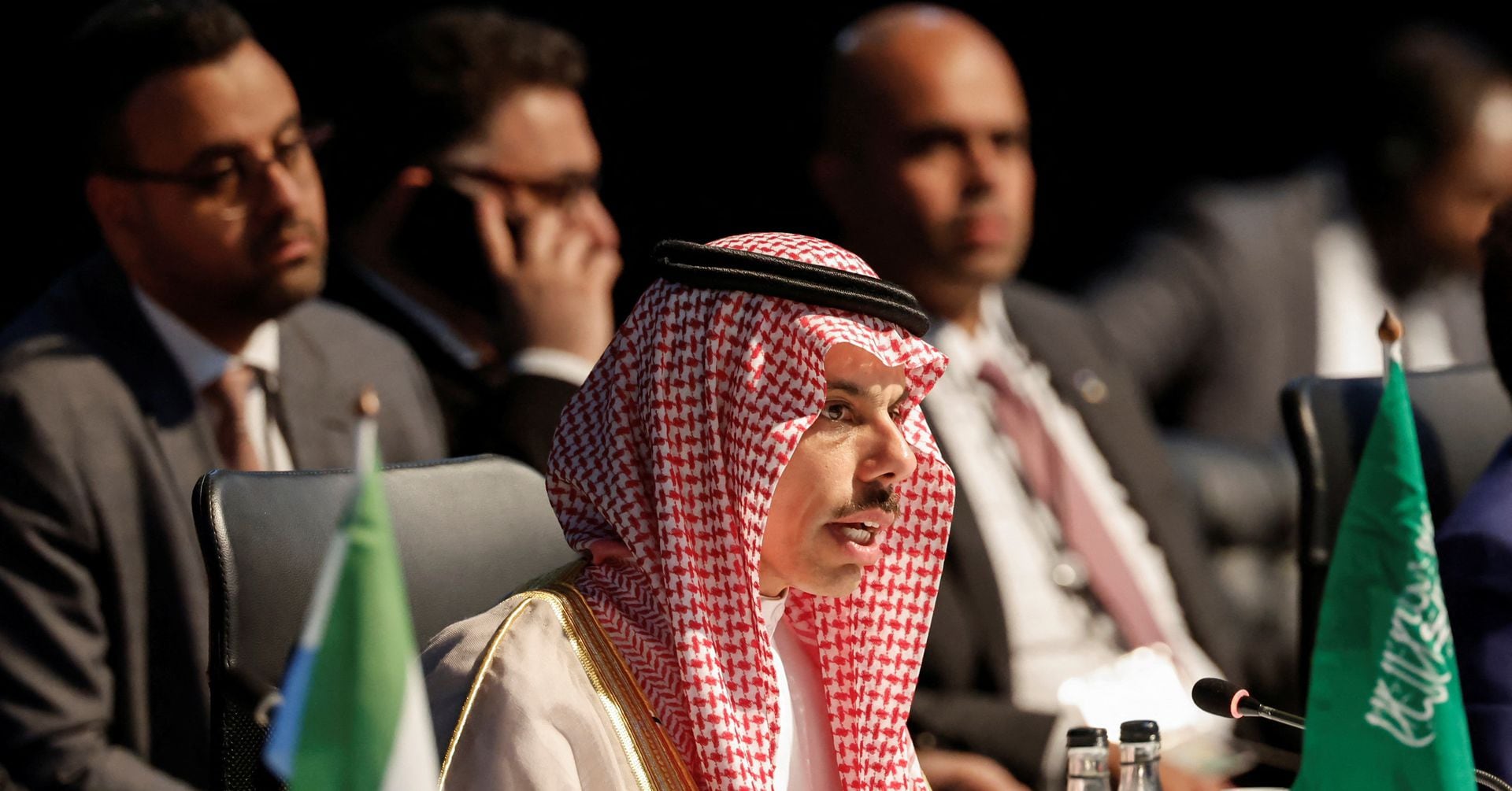
Saudi Arabia is still considering an invitation to join the BRICS bloc of countries, despite South Africa's Foreign Minister stating that the kingdom had joined the grouping. The group had invited Saudi Arabia, along with other countries, to join from Jan. 1, but the kingdom has not yet responded to the invitation and is still under consideration. The expansion of BRICS would give it additional economic heft and could boost its ambition to become a champion of the Global South, but Riyadh is weighing its options amid rising geopolitical tensions between the United States, China, and Russia.
NPR reached out to people from the Global South and other regions to share their experiences of seeing snow for the first time. Stories included a Brazilian filling an envelope with snow to mail back home, a Rwandan adapting to the cold in Boston, and an Ecuadorian realizing the magic of snow wears off after two weeks. The article also featured anecdotes from Kenya, Malawi, and Maui, highlighting the joy and challenges of encountering snow in regions where it is a rarity.
A group of former world leaders and economists, including former UK Prime Minister Gordon Brown, are calling for a $25 billion levy on the bumper revenues of oil-producing states to help fund the impact of climate disasters on the world's poorest and most vulnerable people. The levy, representing just a small fraction of the oil-producing countries' recent profits, would contribute to a fund for "loss and damage" in developing countries affected by the climate crisis. The letter, signed by 70 international figures, is being sent ahead of the UN climate summit, Cop28, and highlights the need for increased climate finance to meet the $1 trillion per year required for development and climate funding in the global south.
Leaders of the BRICS grouping, consisting of Brazil, Russia, India, China, and South Africa, condemned Israel's war on Gaza and called for an end to hostilities on both sides to alleviate the worsening humanitarian crisis. The group denounced attacks on civilians and the forced displacement of Palestinians as "war crimes" and violations of international humanitarian law. The virtual summit, which included additional countries set to join BRICS in 2024, highlighted growing calls from the Global South to end the conflict. While some countries took a more combative stance, the meeting reflected the growing assertiveness and confidence of the BRICS grouping. South Africa, in particular, has been vocal in calling for a ceasefire and has taken steps such as shutting down the Israeli embassy and submitting a referral to the International Criminal Court. However, the coalition's political weight may not have a significant impact on the direction of Israel's war, but their leverage is growing as more nations seek to join BRICS and reduce dependence on the Western financial system.
Indian External Affairs Minister S Jaishankar called for greater self-reliance and a stronger role for the Global South in shaping solutions to key global issues at the second Global South summit. He emphasized the need to democratize and diversify production, build resilient supply chains, and promote local solutions to secure the future of the Global South. The summit, attended by around 130 countries, discussed various topics including development, finance, health, education, environment, and ways to combat terrorism. Indian Prime Minister Narendra Modi inaugurated the Global South Centre of Excellence and proposed an annual international conference to address the priorities of the Global South.