Paris's iconic zinc rooftops, covering nearly 80% of the city, are a defining architectural feature but become dangerously hot during heat waves due to climate change, posing challenges for residents' comfort and safety.
A study links over 200 severe heat waves to human-caused climate change and emissions from major fossil fuel companies, highlighting their significant role in increasing the likelihood and intensity of these events, with implications for climate policy and litigation.
A study published in Nature links the world's 180 largest fossil fuel and cement producers to about half of the increased intensity of recent heat waves, highlighting their significant role in climate change and the growing legal and policy implications for accountability and fossil fuel phase-out.
Climate change is drastically transforming Europe's summer destinations, causing beach erosion, extreme heat waves, and environmental degradation, which are making traditional vacation spots less desirable and prompting cities to adopt new ecological and urban strategies to adapt and mitigate these impacts.
Rising global temperatures due to climate change are increasing the incidence of hyponatremia, a dangerous condition caused by low blood sodium levels, which can lead to seizures, coma, and death, especially among vulnerable populations like the elderly and outdoor workers. Experts emphasize the need for better awareness, balanced hydration, and heat exposure precautions to prevent a surge in cases as extreme heat events become more frequent.
French officials oppose Marine Le Pen's proposal for widespread air conditioning, citing environmental concerns and the fact that AC can worsen heat waves by releasing heat into the streets. While household AC use is increasing, authorities prefer non-emission solutions like planting trees. Recent record-breaking temperatures highlight the urgency of addressing heat waves.
Top weather agencies warn of several years of record-breaking heat, with an 80% chance of surpassing previous temperature records in the next five years, leading to more extreme weather events, higher risks of wildfires, and faster Arctic ice melt, as global temperatures continue to rise due to human-caused climate change.
Americans are facing higher air conditioning bills this summer, with costs expected to rise nearly 8% due to increased usage from hotter temperatures. This financial strain is particularly severe for low-income households, many of whom struggle to afford cooling. Despite rising heat-related health emergencies and deaths, federal assistance for utility bills has been reduced, leaving many without adequate support. Current policies are insufficient to address the growing need for cooling assistance amid climate change.
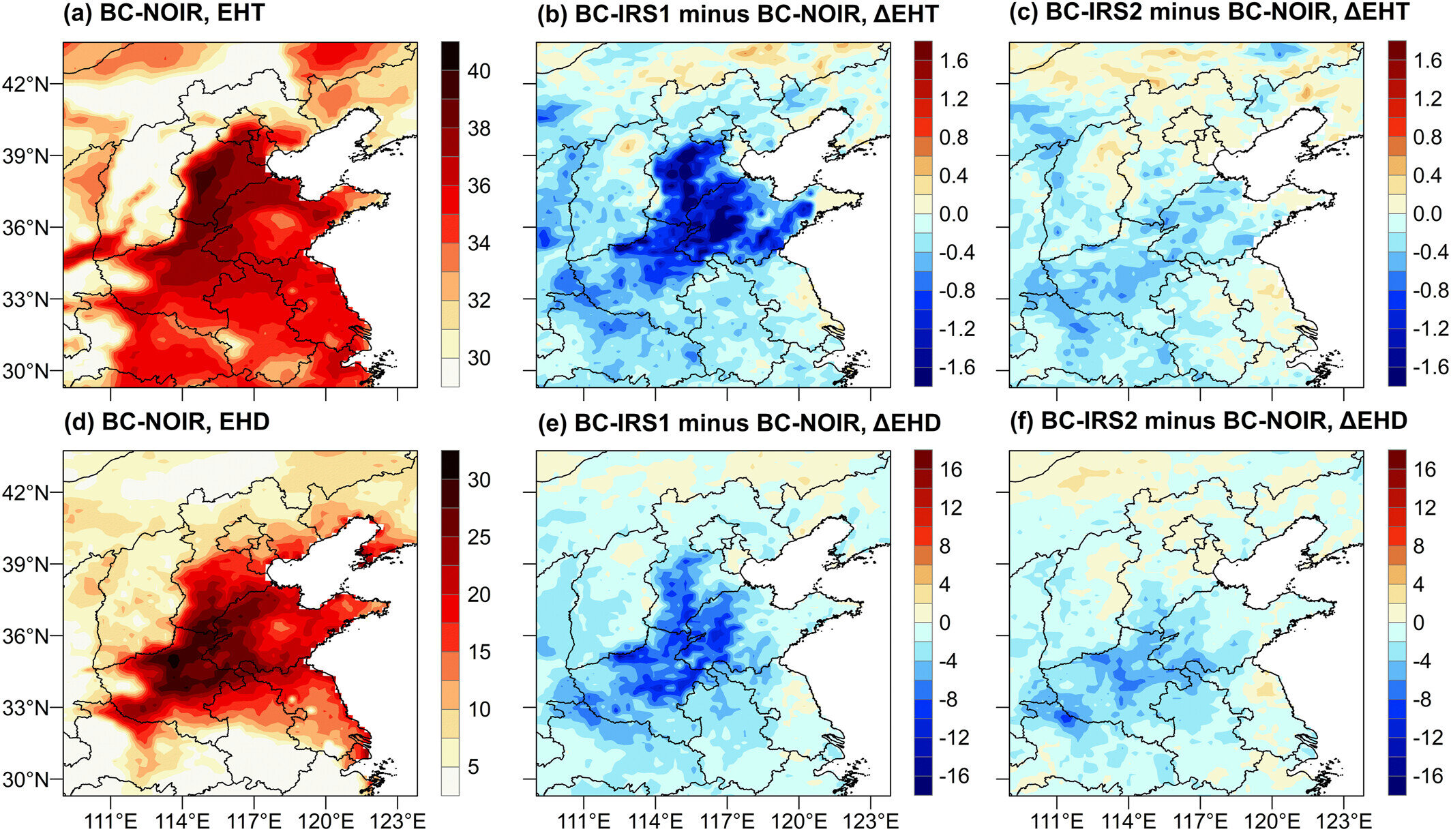
New research suggests that spring irrigation can reduce the intensity and duration of summer heat waves by retaining higher soil moisture levels between seasons, known as soil moisture memory. The study focused on the North China Plain, an intensively irrigated agricultural area, and found that spring irrigation alone reduced the intensity of summer heat waves by 0.29°C and 2.5 days, while combined spring and summer irrigation extended this reduction to 1°C and 6.5 days. This research highlights the potential of spring irrigation to alleviate water stress in the following summer months and support regions experiencing imbalances in precipitation, offering insights for water resource management and adaptation planning strategies in the face of climate change.
The CDC has linked a spike in cases of "flesh-eating bacteria" along the Atlantic Coast to summer heat waves, with 11 severe cases of Vibrio vulnificus reported in New York, Connecticut, and North Carolina during July and August. The bacteria thrives in warm, brackish water, and as global temperatures rise, more low-salinity waterways become a hospitable environment. The report also highlights the connection between climate change and the spread of Vibrio vulnificus, with past spikes in cases being attributed to hurricanes and extreme weather events.
The CDC has reported an increase in severe "flesh-eating" infections caused by Vibrio vulnificus in Connecticut, New York, and North Carolina, following record-breaking heat waves and above-average sea surface temperatures. The bacteria, found in raw or undercooked seafood, can cause gastrointestinal infection or enter the body through open wounds, leading to necrotizing fasciitis. The CDC warns that as coastal water temperatures rise, these infections are expected to become more common. Eleven cases were reported in 2023, with five resulting in death, particularly affecting individuals with underlying health conditions. The CDC recommends avoiding contact with brackish water, salt water, and raw seafood, and thoroughly cooking oysters and other seafood to prevent illness.
A CDC report links severe "flesh-eating" V. vulnificus infections to heat waves in the eastern US during the summer of 2023, with cases reported in Connecticut, New York, and North Carolina. The bacteria thrive in warm water and can cause necrotizing fasciitis if it enters an open wound, or gastrointestinal infection if ingested. The report describes 11 cases, with five fatalities, and emphasizes the need to avoid contact with brackish water, salt water, and raw seafood, as well as thoroughly cooking seafood to prevent illness as coastal water temperatures rise.
This summer has seen a series of alarming climate events, including record-breaking temperatures, heat domes, and devastating wildfires. Global temperatures continue to rise, with July 2023 being the hottest month on record. The loss of Antarctic sea ice and soaring sea surface temperatures are also concerning. The effects of El Niño are expected to exacerbate these trends in the coming years. Urgent action is needed to reduce carbon emissions and mitigate the impacts of climate change.
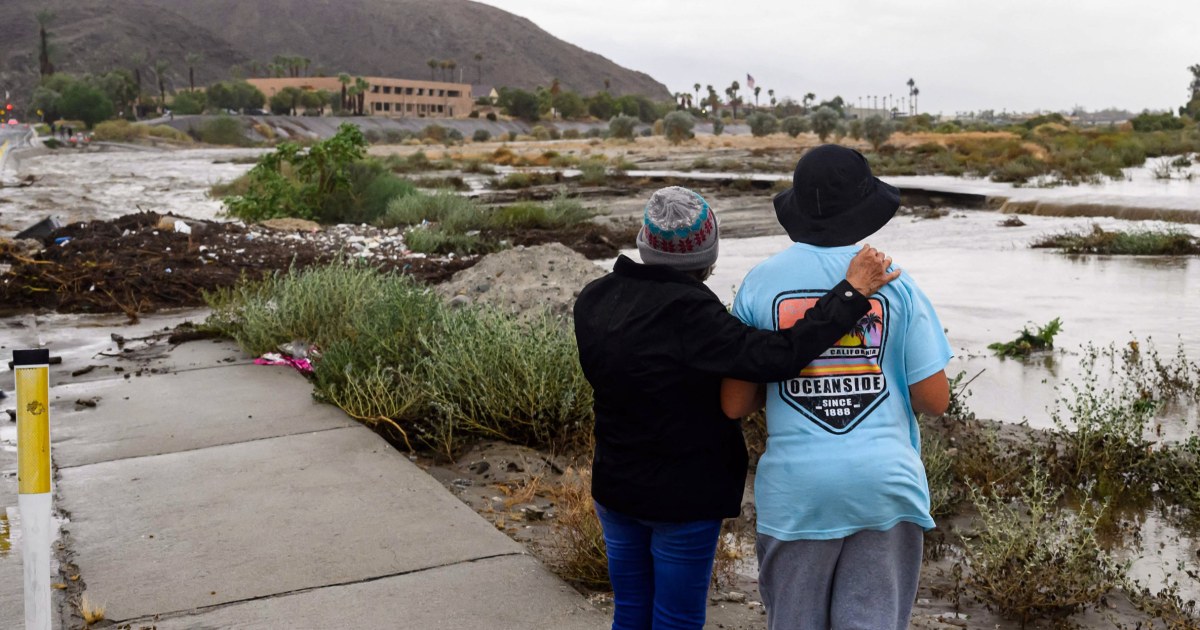
The United States is currently experiencing a barrage of extreme weather events, including record rainfall and flooding from a tropical storm in the southwest, oppressive heat waves in the central and southern regions, ongoing wildfires in the Pacific Northwest, and an increase in Atlantic hurricane activity. Climate scientists warn that these events are a clear indication of how global warming intensifies the risks and consequences of such disasters. Compounding factors like heat waves, droughts, and warmer oceans contribute to the frequency and severity of these events. The current situation highlights the urgent need for proactive measures to address climate change and its impact on vulnerable communities.
Despite the extreme heat waves experienced this summer, the US electric grid has managed to avoid blackouts and brownouts, thanks to several factors. The increasing diversification of energy sources, including wind and solar power, better planning and preparedness, higher levels of hydroelectric power due to heavy winter rain and snow, and demand response programs that incentivize consumers to reduce energy use during peak hours have all contributed to the grid's resilience. The shift towards renewable energy sources, such as wind and solar, has made the grid more flexible and able to meet increased demand. However, experts caution that the summer is not over yet, and there are still potential risks ahead.