Tag

Cambridge University

All articles tagged with #cambridge university

Cambridge University Engages in Trademark Dispute with Rowing Firm

Originally Published 3 days ago — by BBC

Featured image for Cambridge University Engages in Trademark Dispute with Rowing Firm
Source: BBC

Omar Terywall's company, Cambridge Rowing Limited, is in a legal dispute with the University of Cambridge over the trademark of the name 'Cambridge,' with the university opposing the registration of the company's logo and name, citing protection of its reputation and trademarks, leading to concerns of bullying and a significant legal challenge for the small business.

Cambridge Reactor Recycles 99% of Gas for Hydrogen Fuel and Carbon

Originally Published 18 days ago — by Interesting Engineering

Featured image for Cambridge Reactor Recycles 99% of Gas for Hydrogen Fuel and Carbon
Source: Interesting Engineering

Researchers at Cambridge University have developed a multi-pass methane pyrolysis process that recycles 99% of gas to produce high-quality carbon nanotubes and clean hydrogen fuel without emitting CO2, significantly improving efficiency and reducing waste in hydrogen and nanotube production.

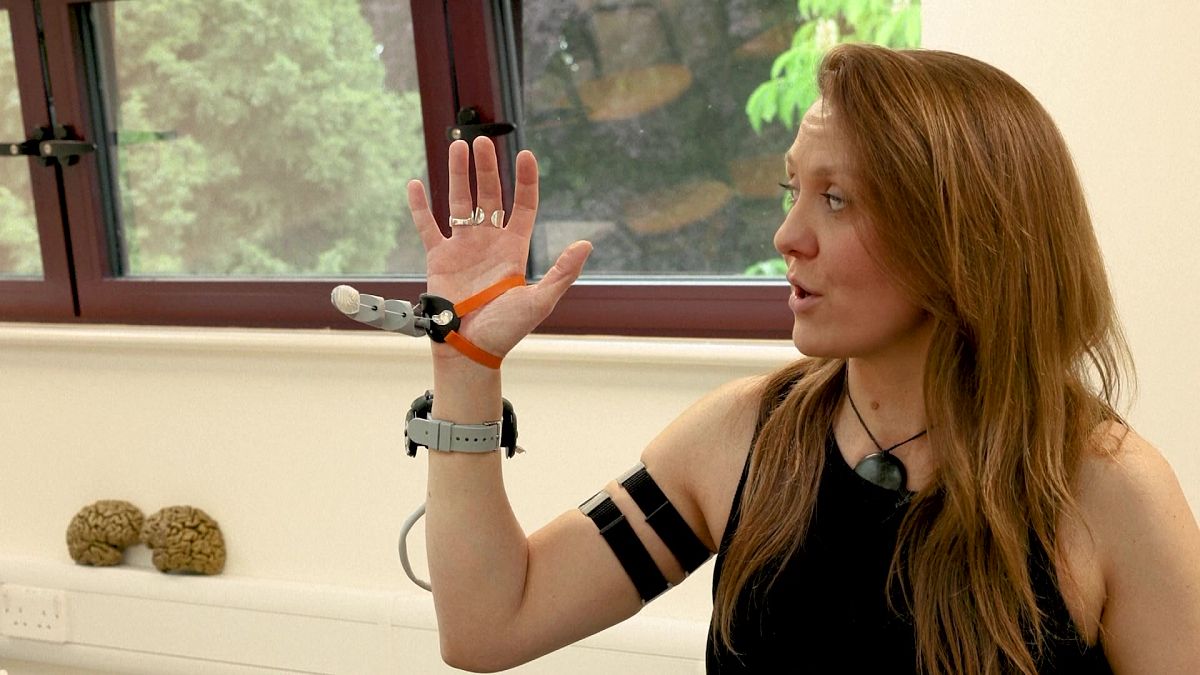
"Boost Work Efficiency with a Robotic Thumb"

Originally Published 1 year ago — by Euronews

Featured image for "Boost Work Efficiency with a Robotic Thumb"
Source: Euronews

Researchers at Cambridge University have developed a controllable prosthetic extra thumb designed to enhance productivity and manual dexterity. Tested by nearly 600 people at the Royal Society Summer Science Exhibition, the device showed a high success rate in object manipulation. Controlled by pressure sensors under the big toes, the thumb can assist in various tasks from manual labor to surgery. The technology aims to expand human capabilities and could also benefit people with disabilities.

"Early Cancer Signs Detectable Years Before Symptoms, Reveals Pioneering Research"

Originally Published 1 year ago — by The Guardian

Featured image for "Early Cancer Signs Detectable Years Before Symptoms, Reveals Pioneering Research"
Source: The Guardian

The newly opened Early Cancer Institute at Cambridge University is focusing on detecting changes in cells years before they become tumors, aiming to revolutionize cancer treatment. The institute has received £11m in funding and is developing innovative tests, such as the cytosponge, to detect precancerous conditions early on. By repurposing blood samples, researchers have identified genetic changes that differentiate those who later develop blood cancer from those who do not, providing a long window of opportunity for intervention. The institute's strategy includes pinpointing those at risk of cancer, reducing cancer risks, and ensuring widely administered treatments.

Pro-Palestinian Activists Vandalize Historic Portraits in Anti-Israel Protest

Originally Published 1 year ago — by Fox News

Featured image for Pro-Palestinian Activists Vandalize Historic Portraits in Anti-Israel Protest
Source: Fox News

A pro-Palestinian activist was filmed vandalizing a portrait of Lord Balfour at Trinity College, University of Cambridge, in an anti-Israel protest. The activist group "Palestine Action" posted a video of the vandalism, citing the Balfour Declaration's role in the "ethnic cleansing of Palestine." The incident is part of ongoing tensions surrounding the Israel-Hamas conflict, with protests also targeting US politicians. The college has informed the police about the vandalism, and support is being offered to the affected community members.

"Rethinking Lifestyle: Fasting and Sleep to Reduce Alzheimer's Risk"

Originally Published 1 year ago — by Daily Mail

Featured image for "Rethinking Lifestyle: Fasting and Sleep to Reduce Alzheimer's Risk"
Source: Daily Mail

A study by Cambridge University suggests that fasting may help protect against Alzheimer's by reducing inflammation in the body. The study involved volunteers fasting for 24 hours, which increased levels of a lipid called arachidonic acid that reduced the activity of inflammatory cells linked to Alzheimer's and Parkinson's. The findings hint that a high-calorie diet could raise the risk of these diseases, and also suggest a potential explanation for how aspirin works. Fasting, including intermittent fasting, has been found to encourage weight loss and lower the risk of heart disease and type 2 diabetes, but may come with side effects such as headaches and high hunger levels.

Centuries-Old French Love Letters Unveiled by Royal Navy

Originally Published 2 years ago — by FRANCE 24 English

Featured image for Centuries-Old French Love Letters Unveiled by Royal Navy
Source: FRANCE 24 English

Undelivered love letters written to French sailors during the Seven Years' War between Britain and France in the 18th century have been opened and studied after more than 250 years. The letters, seized by the Royal Navy, provide a rare insight into the lives of sailors and their families, revealing universal human experiences of love, separation, and coping with major life challenges. Cambridge University professor Renaud Morieux discovered the letters at the National Archives in Kew and identified every member of the crew of the captured French warship, the Galatee.

Cambridge University's needle-free Covid vaccine enters clinical trials.

Originally Published 2 years ago — by University of Cambridge news

Featured image for Cambridge University's needle-free Covid vaccine enters clinical trials.
Source: University of Cambridge news

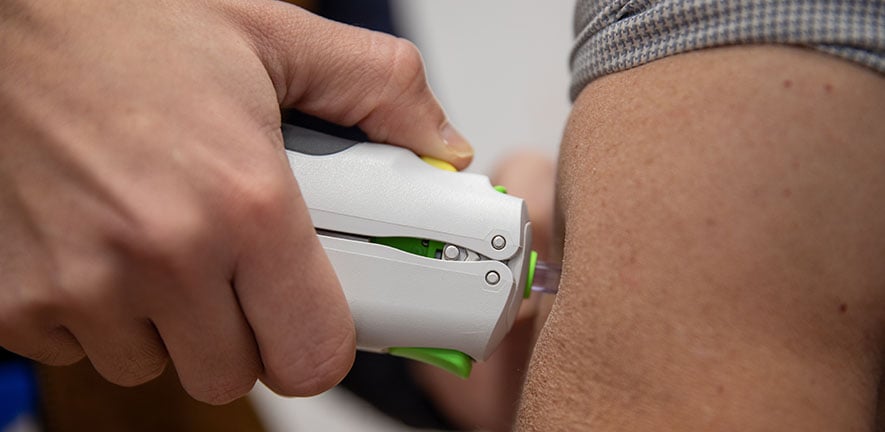
Clinical trials for a needle-free vaccine, DIOS-CoVax, developed by Professor Jonathan Heeney at the University of Cambridge and spin-out company DIOSynVax, have begun in Cambridge. The vaccine is designed to protect against SARS-CoV-2 and related coronaviruses and is administered through a blast of air that delivers it into the skin. If successful, the vaccine could be scaled up and manufactured as a powder to boost global vaccination efforts. The clinical trials team is looking for healthy volunteers aged 18-50 to take part in the study.

India's Development at Risk Due to Underestimated Heat Waves.

Originally Published 2 years ago — by NBC News

Featured image for India's Development at Risk Due to Underestimated Heat Waves.
Source: NBC News

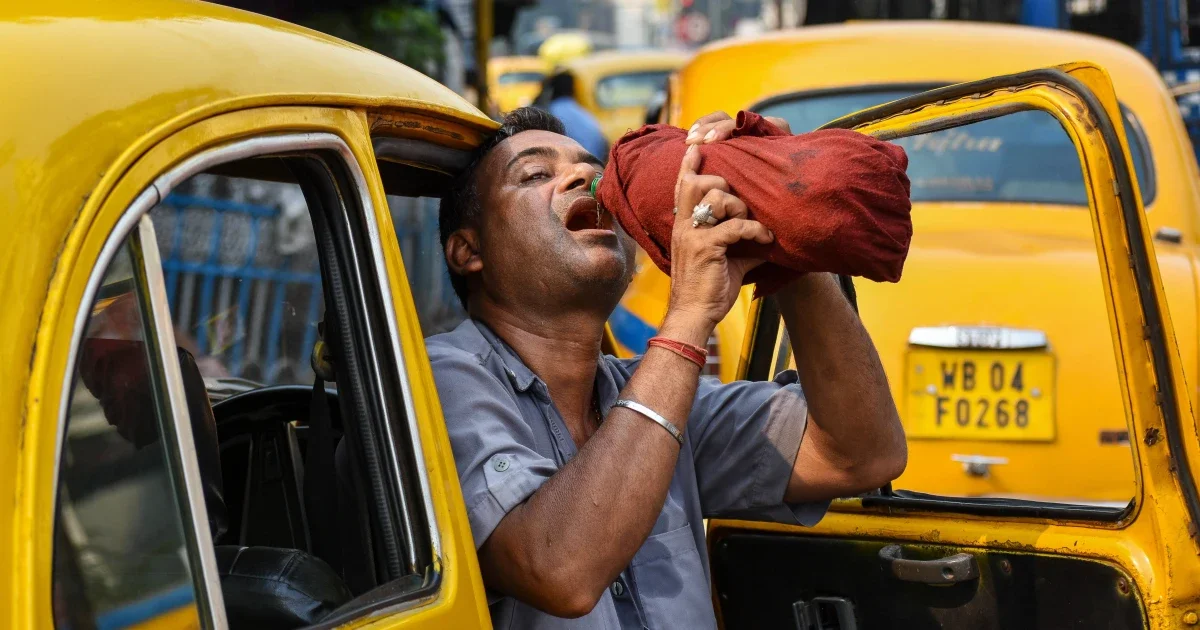
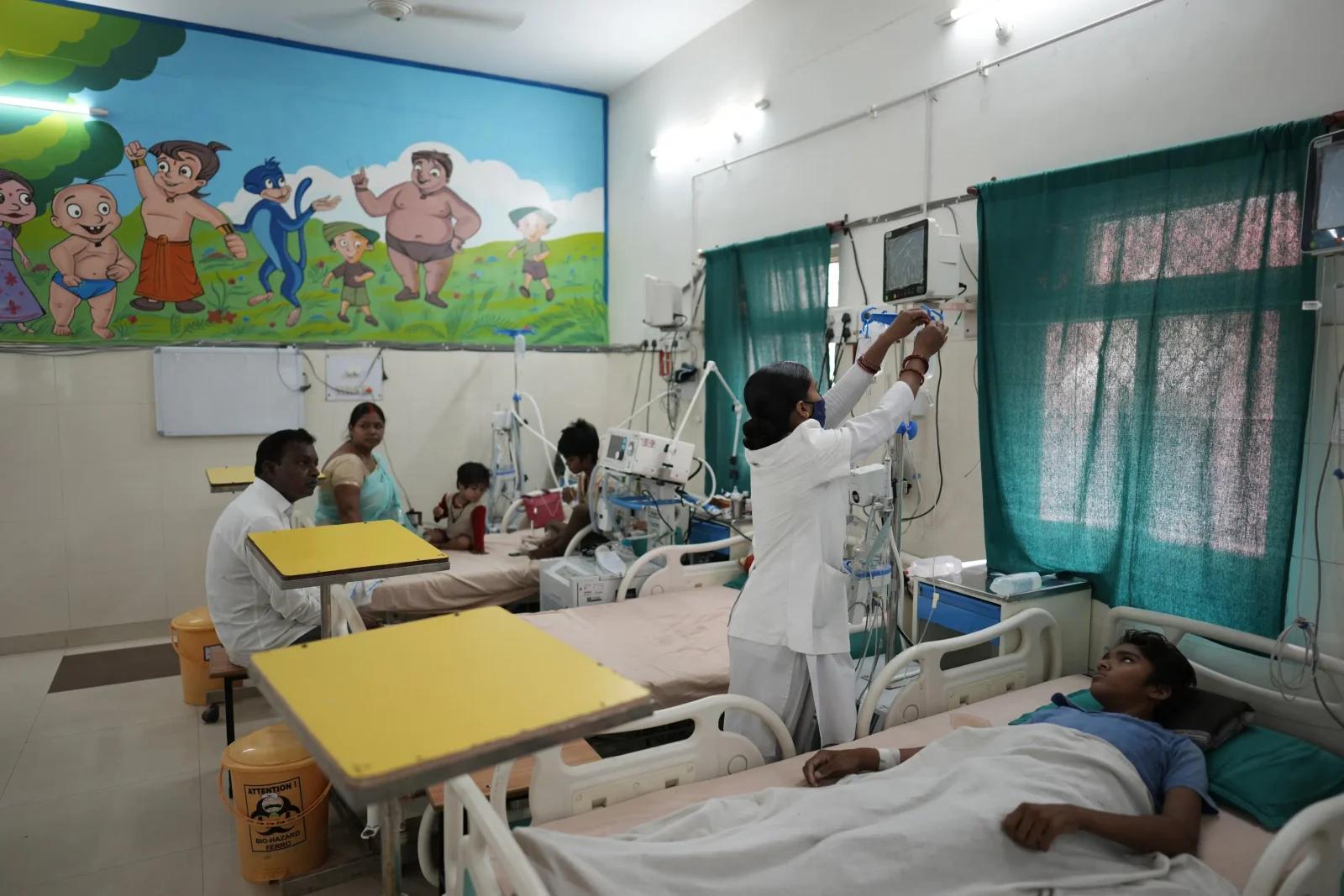
India's progress towards sustainable development goals is being slowed down by the underestimation of the damage caused by extreme heat, which is placing 80% of the population in danger. The country's vulnerability to climate change is not being accurately assessed, as the metrics used do not take into account the impact of searing temperatures on reducing poverty and improving health outcomes. Researchers at Cambridge University have called for an overhaul of how progress on development goals is measured to reflect the gravity of extreme heat in the country.

India's Heat Waves Threaten Progress and Development, Study Warns

Originally Published 2 years ago — by The Associated Press

Featured image for India's Heat Waves Threaten Progress and Development, Study Warns
Source: The Associated Press

India's progress towards sustainable development goals has been slowed down by the underestimated impact of extreme heat on the country's population, according to a study by researchers at Cambridge University. The study calls for an overhaul on how progress on development goals is measured to reflect the gravity of extreme heat in the country. Extreme heat is placing 80% of India’s 1.4 billion population in danger, but assessments of how vulnerable the country is to climate change don’t take into account how much the searing temperatures in recent decades are hampering goals like reducing poverty and improving health outcomes across India’s population.

India's Underestimated Heatwave Threatens Progress and Safety.

Originally Published 2 years ago — by Yahoo! Voices

Featured image for India's Underestimated Heatwave Threatens Progress and Safety.
Source: Yahoo! Voices

India's progress towards sustainable development goals has been slowed down by the severe weather extremes caused by the country's sizzling heat, which is placing 80% of its population in danger, according to a study by researchers at Cambridge University. The study calls for an overhaul on how progress on development goals is measured to reflect the gravity of extreme heat in the country. The researchers found that assessments of how vulnerable the country is to climate change don't take into account how much the searing temperatures in recent decades are hampering goals like reducing poverty and improving health outcomes across India's population.