Market analyst Jordi Visser predicts that Bitcoin will accelerate in growth and adoption as the global financial and geopolitical systems undergo a reset akin to the 'Fourth Turning,' driven by declining trust in traditional institutions, economic instability, and a shift towards hard assets like Bitcoin.
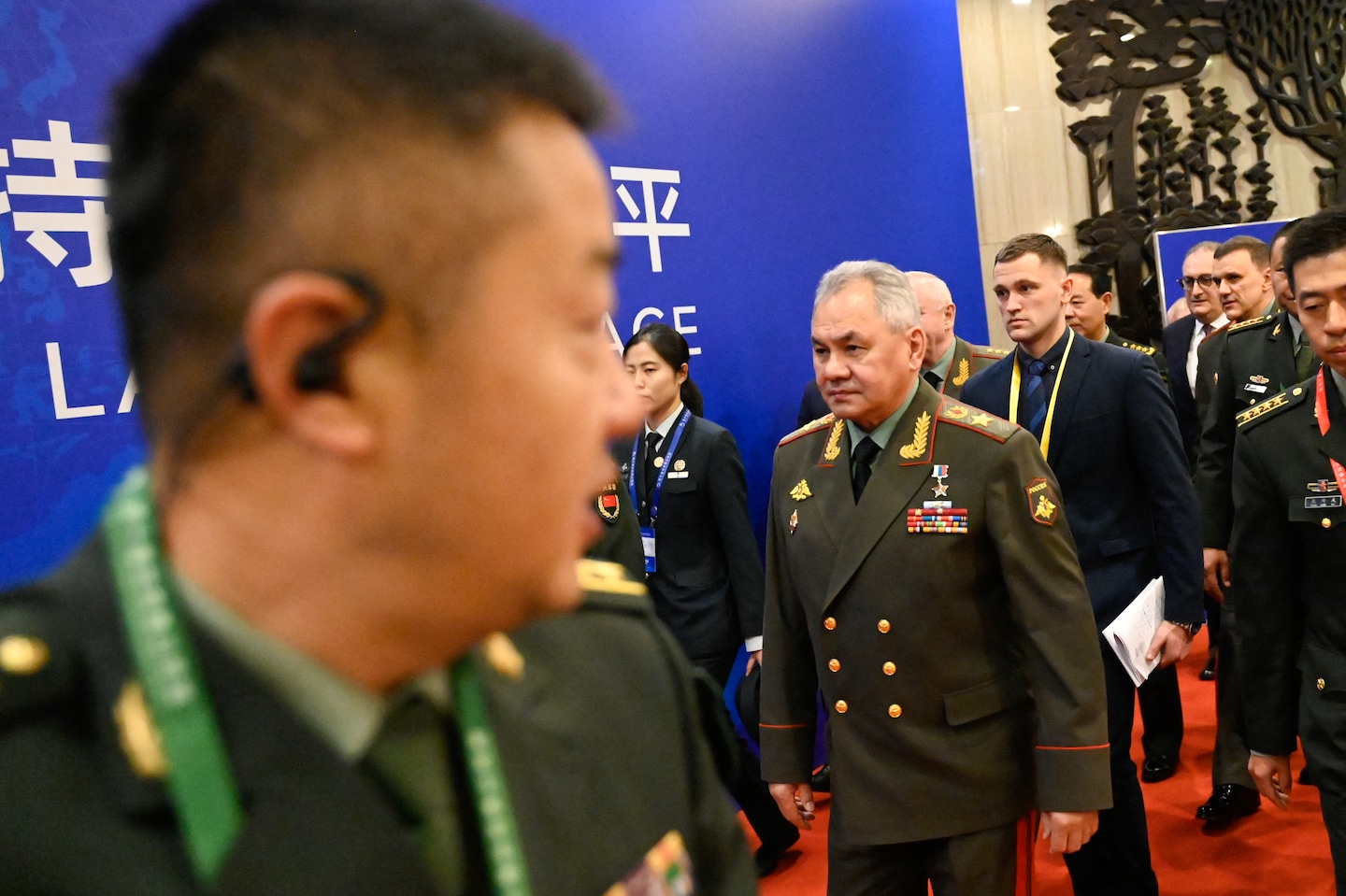
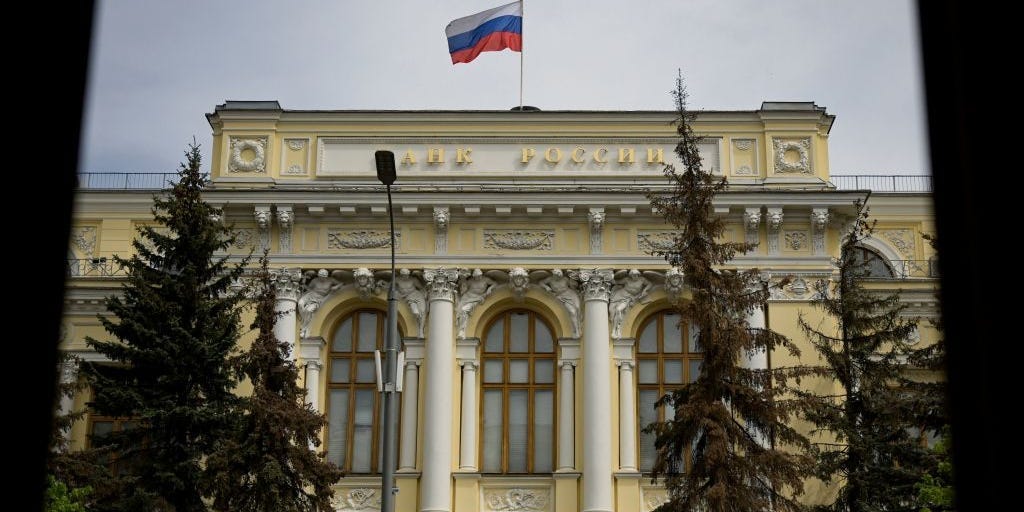
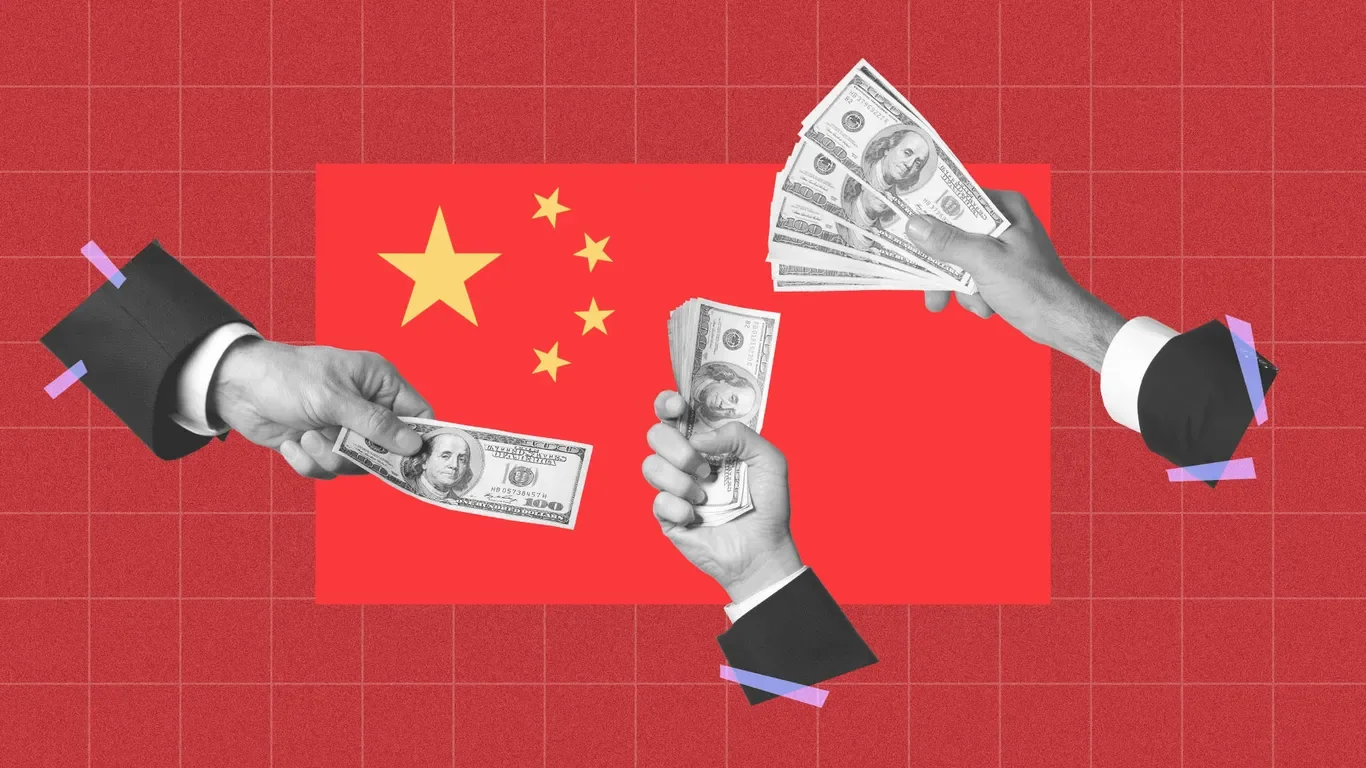
Russia is growing more confident in its ability to challenge the dominance of the United States and the West by deepening ties with China and the Global South, aiming to undermine the international financial system. Kremlin documents and interviews with Russian officials and business executives reveal a surge of optimism about Russia's global position, with a focus on creating alternatives to the Western-dominated financial system. The Kremlin is seeking to dismantle the post-World War II global financial system and is advocating greater cooperation between China and Russia on various fronts. The West's internal divisions and Russia's perceived resilience have bolstered Putin's domestic standing, while Russia's focus on disrupting the West is intensifying, particularly in the Middle East.
President Biden is considering using $300 billion in frozen Russian assets to support Ukraine, as Western support for the country appears to be waning. However, critics warn that this move could undermine the global financial system and erode trust in depositing reserves with other nations. There are concerns that seizing these assets could set a precedent for other countries to do the same, potentially impacting the status of the dollar and euro as reserve currencies. Legal debates also surround the move, as the assets are protected under sovereign immunity rules. The decision on whether to proceed with the plan has not been finalized.
James Wallis, Ripple's VP for central bank engagements and CBDCs, emphasizes the role of central bank digital currencies (CBDCs) in promoting global financial inclusion. Wallis highlights the challenges faced by individuals with low incomes and no ties to financial institutions, such as limited access to credit and financial services. He argues that CBDCs offer a cost-effective solution by providing streamlined payment options and opportunities to establish credit, enabling individuals to build credit histories and stimulate business growth. Ripple is actively collaborating with over 20 central banks on CBDC initiatives and has been recognized for its contributions to digital currency advancement.
The Federal Reserve has issued a warning about the increasing geopolitical risks to the global financial system. The central bank highlights the need for a global perspective in order to understand and address these risks, emphasizing the importance of monitoring and analyzing the impact of geopolitical events on the economy.
Soaring Treasury yields, reaching their highest levels in over a decade and a half, are causing turbulence across various markets. The selloff in U.S. government bonds has led to a decline in stocks, as investors seek guaranteed yields on Treasury debt. Real estate prices are also being weighed down by high mortgage rates. Rising yields have impacted the dollar, which has strengthened against other major currencies, potentially hurting U.S. exporters. Credit market spreads have widened, increasing funding costs for borrowers. With uncertainty surrounding interest rates and fiscal problems, volatility in bonds is expected to persist.
Colombian President Gustavo Petro Urrego warns that the multiple crises in the world, including war, hunger, recession, and the climate crisis, have deepened over the past year, leading humanity towards extinction. He highlights the migration flows from the South to the North as an indicator of the crisis of life, predicting that by 2070, 3 billion people will be forced to migrate due to uninhabitable homes. Petro calls for an end to hatred towards migrants and proposes two peace conferences on Ukraine and Palestine to achieve global peace. He criticizes the lack of monetary resources for climate change adaptation and calls for reforming the global financial system to decarbonize the world's economy. Petro emphasizes the need for public funds and global cooperation to achieve the Sustainable Development Goals and ensure social and environmental justice on the planet.
Developing countries, including members of the BRICS bloc, are expressing frustration with the dominance of the U.S. dollar in the global financial system and its potential for destabilizing their economies. While there have been discussions about expanding trade in local currencies to reduce reliance on the dollar, concrete proposals for alternative currencies have not yet emerged. Critics argue that the dollar's influence allows the U.S. to impose financial sanctions and that fluctuations in its value can cause economic chaos abroad. However, the alternatives to the dollar remain limited, with the euro and China's yuan not rivaling its international gravitas. The dollar still has its supporters, particularly in countries like Argentina and Zimbabwe, where it has provided stability amidst economic challenges.
Emerging economies, including the BRICS bloc, are expressing dissatisfaction with the dominance of the US dollar in the global financial system. However, finding a viable alternative to the dollar has proven challenging. While discussions have taken place about expanding trade in local currencies, concrete proposals have yet to emerge. The dollar remains the most-used currency in global business, accounting for a significant majority of trade invoicing. The euro and China's yuan have made some inroads, but they still fall short of challenging the dollar's dominance. The path to a new currency and a major upheaval in the global financial system is seen as long and requiring trust.
The decline of the US dollar, accelerated by cooling US inflation, is benefiting risk assets worldwide. A weaker dollar makes exports more competitive for US companies, while also making it cheaper for multinationals to convert foreign profits back into dollars. Raw materials become more affordable to foreign buyers, boosting the S&P/Goldman Sachs Commodity Index. Emerging markets benefit as well, as a falling US currency makes it easier to service debt denominated in dollars. The decline in the dollar could also boost profits for foreign exchange strategies like the dollar-funded carry trade. However, a potential rebound in US inflation could unwind anti-dollar trades.
Central banks around the world are repatriating their gold reserves from foreign vaults amid concerns over frozen Russian assets. The move is seen as a precautionary measure to protect against potential disruptions in the global financial system.
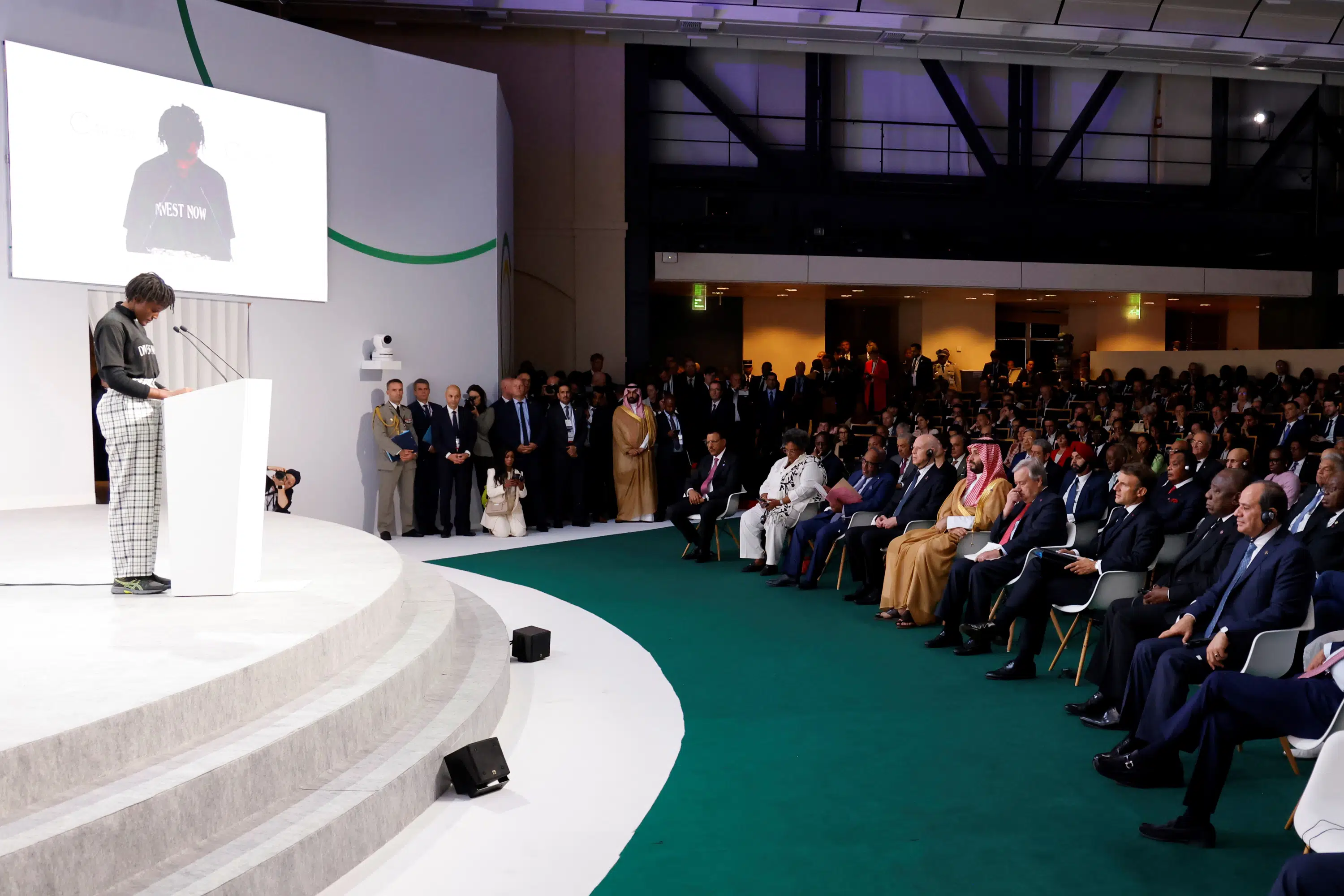
Ugandan climate activist Vanessa Nakate urged world leaders and finance officials at a two-day summit in Paris to put people first instead of profits, make polluters pay, cancel debt, and direct climate finance toward the most vulnerable countries that did not create the climate crisis. The summit aims to reform the global financial system and address the debt, climate change, and poverty crises. Developing nations point to an outdated system where the US, Europe, China, and other big economies that have caused most climate damage are leaving the poorest countries to deal with the consequences.
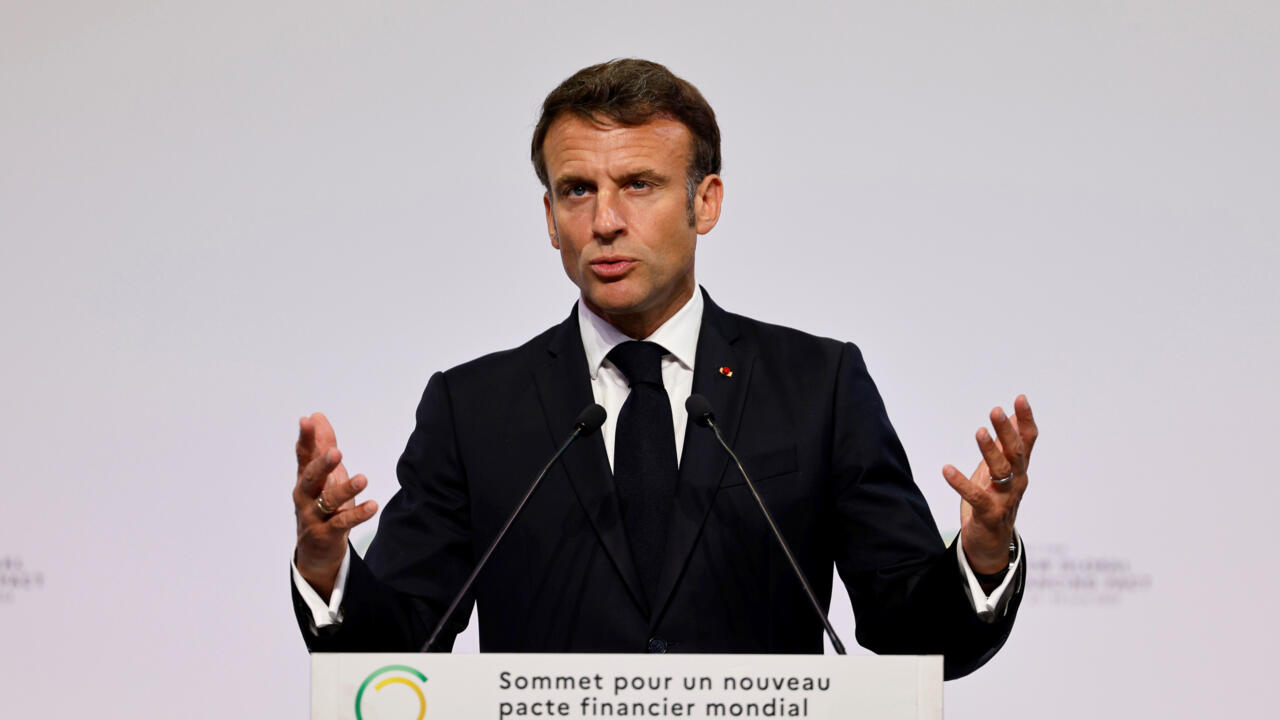
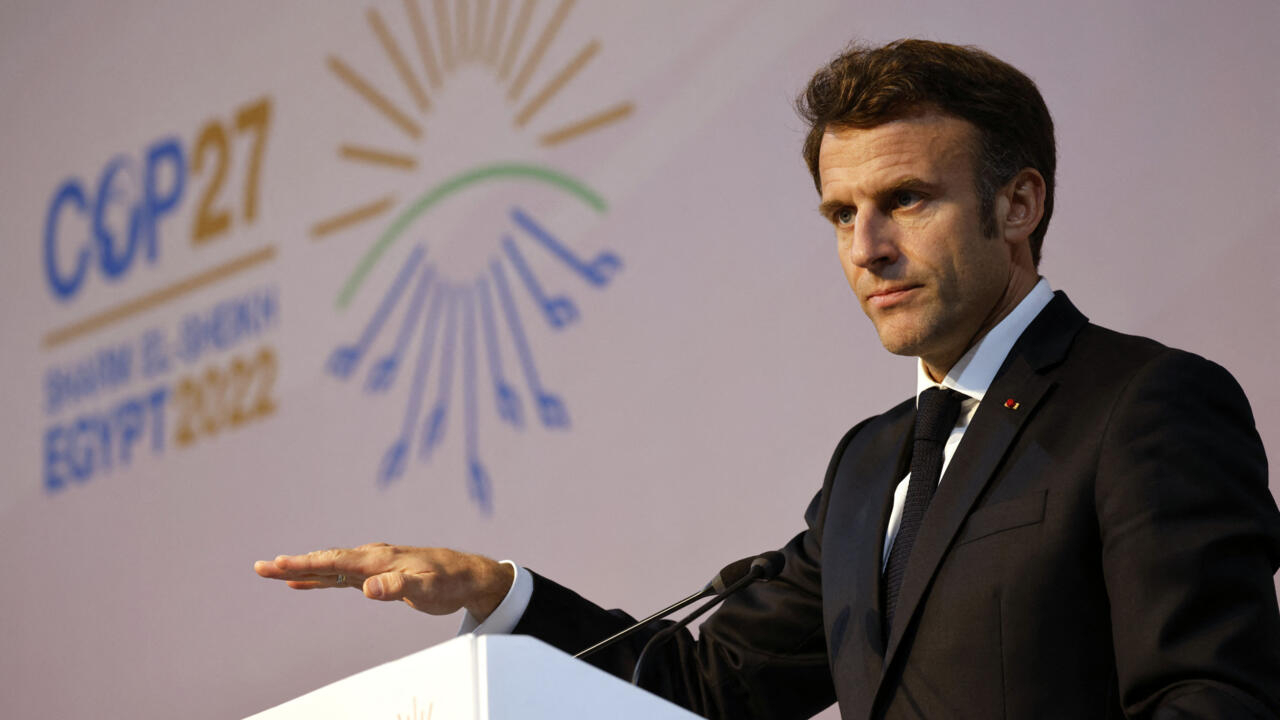
French President Emmanuel Macron called for a "public finance shock" to tackle poverty and climate change at the Summit for a New Global Financial Pact in Paris. He urged policymakers and countries not to choose between reducing poverty and protecting the planet. Ugandan climate campaigner Vanessa Nakate criticized the fossil fuel industry for promising development for poor communities but delivering profits to the already rich. The summit aims to find financial solutions to tackle poverty, curb planet-heating emissions, and protect nature. Leaders attending the summit include UN Secretary-General Antonio Guterres, US Treasury Secretary Janet Yellen, and World Bank chief Ajay Banga.
French President Emmanuel Macron is hosting a summit in Paris with around 50 heads of state and representatives from international institutions and civil society to develop a new global financial system to better equip the most vulnerable countries to combat poverty and climate change. The financial needs of the Global South are colossal, with estimates ranging from $1 trillion to $27 trillion needed to fight poverty, inequality, and climate change. The summit aims to lay the foundations for an overhaul of the entire global financial system by adapting the post-war Bretton Woods institutions to today's challenges. Discussions will focus on financing measures, including taxes on major polluters and financial transactions, debt relief, and introducing clauses in loan contracts that would allow repayments to be suspended in the event of a climate disaster.
UN Secretary-General António Guterres has called for the reform of the UN Security Council and the global financial system to reflect the current world order. Guterres criticized the outdated and unfair global financial architecture, which has failed to act as a global safety net during the COVID-19 pandemic and the Russian invasion of Ukraine. The UN Security Council has also come under fire for its ineffectiveness due to Russia's veto power.