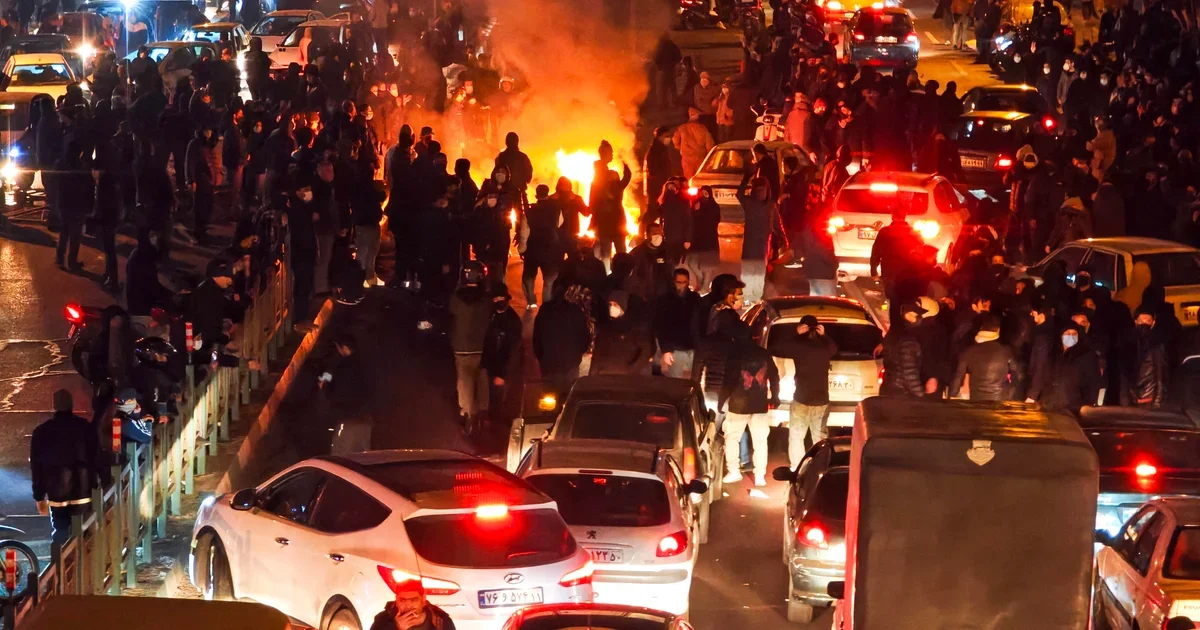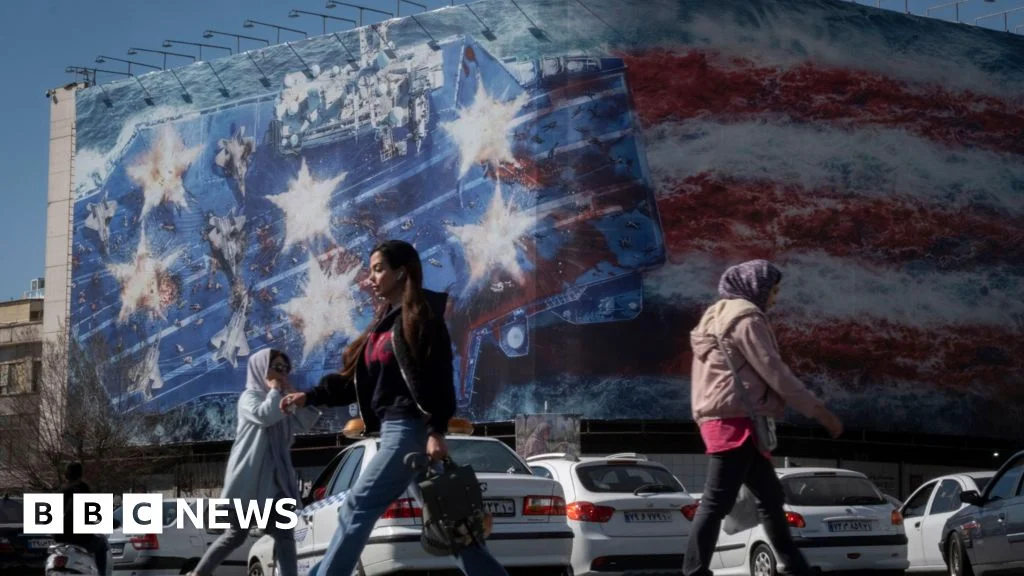
President Trump says he’s been told that killings of antigovernment protesters in Iran have stopped and that executions are not planned, a claim echoed by Iran’s foreign minister as protests continue amid tense US-Iran relations and warnings of possible limited military action.
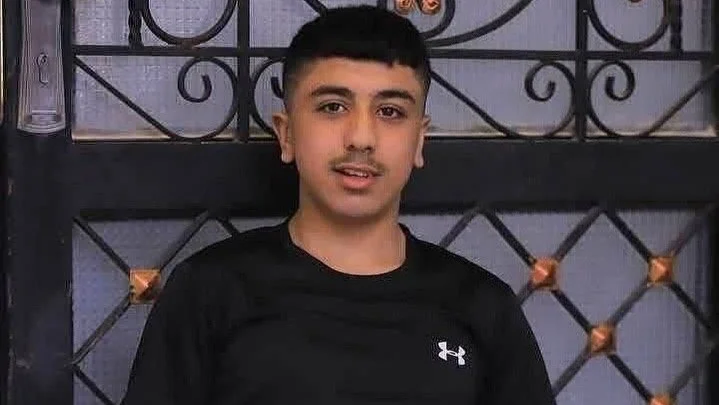
Erfan Soltani, 26, arrested in Fardis near Tehran amid Iran's protests, has reportedly been sentenced to death with an execution scheduled within days; rights groups warn the rapid, opaque process and internet blackout hinder due process and highlight the crackdown on dissent.
A 26-year-old Iranian shopkeeper, Erfan Soltani, reportedly received a death sentence and could be executed amid the crackdown on protests, according to Hengaw; his family says he was not a political activist. The case comes as Iran's authorities deny details amid a nationwide internet blackout, with rights groups warning thousands have been detained and some fear executions for many detainees, despite President Trump's warning that the U.S. would take action if protesters are hanged.
An Iranian online activist told Euronews that amid ongoing protests the regime is using RF detectors to locate Starlink satellite devices and suppress information, with Iran reportedly experiencing a prolonged internet blackout (over 112 hours). He alleges at least 15,000 people have died, including cases of severe eye injuries, as security forces engage in aggressive repression and residents rely on Starlink for connectivity.
Venezuela has begun releasing detained Americans as part of a government goodwill gesture, with a US official confirming some prisoners were freed but not disclosing names or numbers; this marks the first known American release since January. Rights groups say around 800 political prisoners exist and about 50 have been released to date; Trump hailed the step on Truth Social while critics warn that releases do not guarantee broader political freedom.
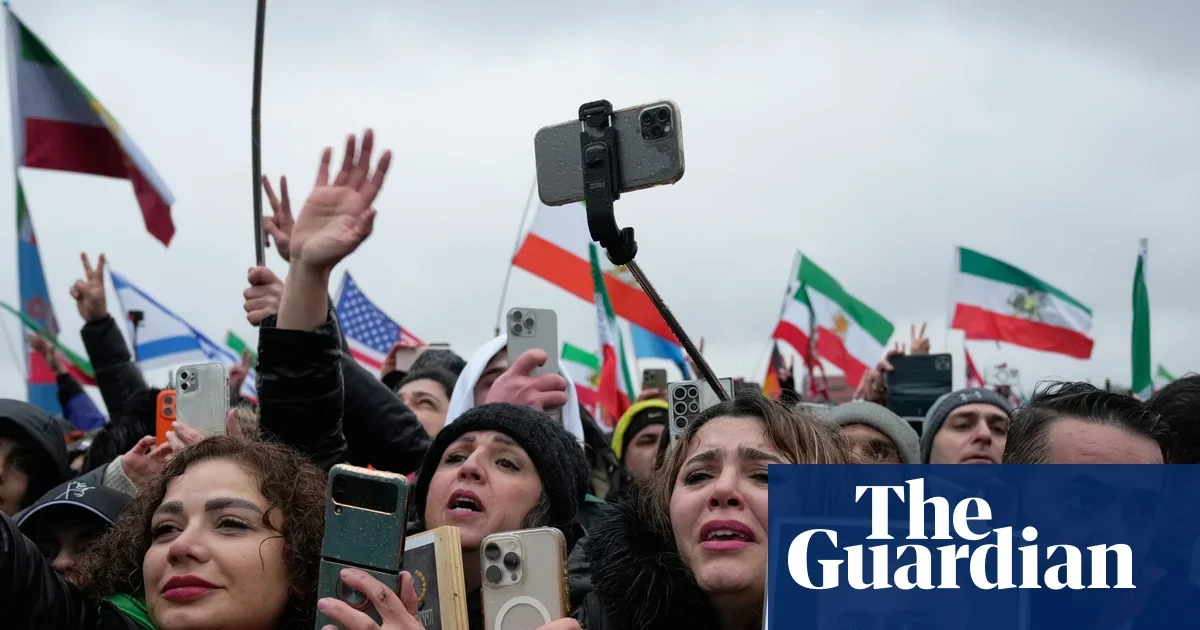
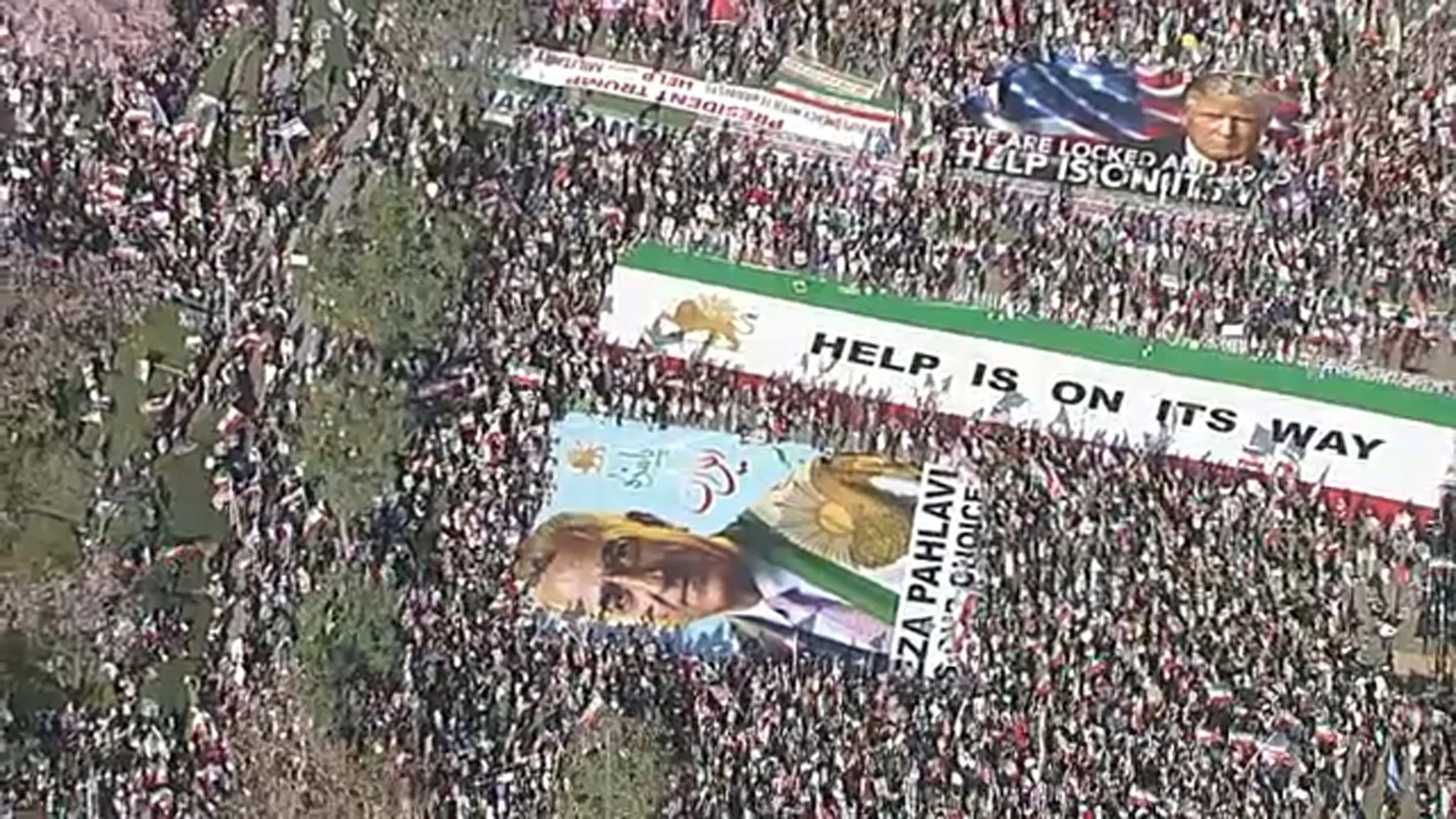
Trump expressed support for Iran’s anti-government protesters, saying help is on the way and warning the regime will pay a heavy price, as rights group HRANA estimates more than 2,000 people have been killed in the crackdown since protests began in late December; demonstrations in Tehran have persisted amid economic turmoil.
Iran's judiciary chief signaled rapid trials and possible executions for detainees as nationwide protests continue, with the death toll rising past 2,500 and authorities preparing mass funerals for security forces; Trump warns of retaliation, and activists note Starlink aiding communications amid an internet shutdown.
Doctors in Tehran say a single hospital has treated more than 400 eye injuries from gunshots amid a widening crackdown on nationwide protests, with many patients losing eyes or requiring removal and authorities accused of deliberately targeting the eyes and head. The crackdown has been accompanied by a government internet blackout and mass arrests, as the death toll climbs past 2,000, underscoring the scale of the violence against demonstrators.
UK Foreign Secretary updates Parliament on Iran’s deadly crackdown on protests sparked by currency collapse, noting internet outages and reports that thousands may have been killed or arrested. Britain condemns the violence, summonses the Iranian ambassador, and presses Tehran to respect rights. The government has stepped up sanctions under domestic and international frameworks, designating Iran-linked entities and signaling broader sectoral measures (finance, energy, transport, software), while coordinating with allies after the UN snapback and previous resolutions. It also underscores safeguarding British nationals, cites the Foreman espionage case, and warns of Iran’s ongoing security threat activities and past plots, calling for continued cross-party and international action against the regime’s actions.
Britain summoned Iran’s ambassador in London after reports of a brutal crackdown on anti-government protests, with Foreign Secretary Yvette Cooper condemning the killings and announcing further sanctions targeting finance, energy, transport, software and other sectors. The nine-minute meeting underscored UK urgency as European partners also summoned Iranian envoys amid a crackdown that includes internet blackouts and mass arrests, with concerns the death toll could be higher than reported.
President Donald Trump called on Iran to treat protesters with humanity amid a crackdown that rights groups say has left the death toll near 2,000, as he canceled talks with Iranian officials and pledged support for the protesters (updated Jan 14, 2026).
Venezuela’s rollout of political-prisoner releases remains slow, with only about 56 of more than 800 detainees freed as of Monday, far short of government claims and prompting families to demand proof of life and full, unconditional releases; rights groups say many remain detained or disappeared, the UN calls the numbers inadequate, and a few high-profile prisoners have been released amid US pressure.
Iran has imposed a near-total communications blackout as security forces crackdown on nationwide protests, with eyewitnesses reporting gunfire and mass injuries amid a flood of body bags; rights groups and U.S. intelligence say the death toll could range from hundreds to thousands, while hospitals are overwhelmed and verification remains difficult.
Widespread protests have erupted across Iran’s 31 provinces, sparked by inflation and spikes in basic goods, with the influential bazaaris driving demonstrations and calls for regime change; authorities have cut internet access and security forces have cracked down, with HRANA counting around 1,850 killed and 16,784 arrested (numbers not independently verified). Tehran labels protesters as rioters, while President Trump has floated military options and the U.S. has signaled sanctions, signaling a sharp escalation in international tensions alongside domestic unrest.
Iran endures widespread anti-government protests with a rising death toll, while authorities insist the situation is under total control. Tehran blames foreign actors for the violence as President Trump signals possible military options and openness to negotiation.