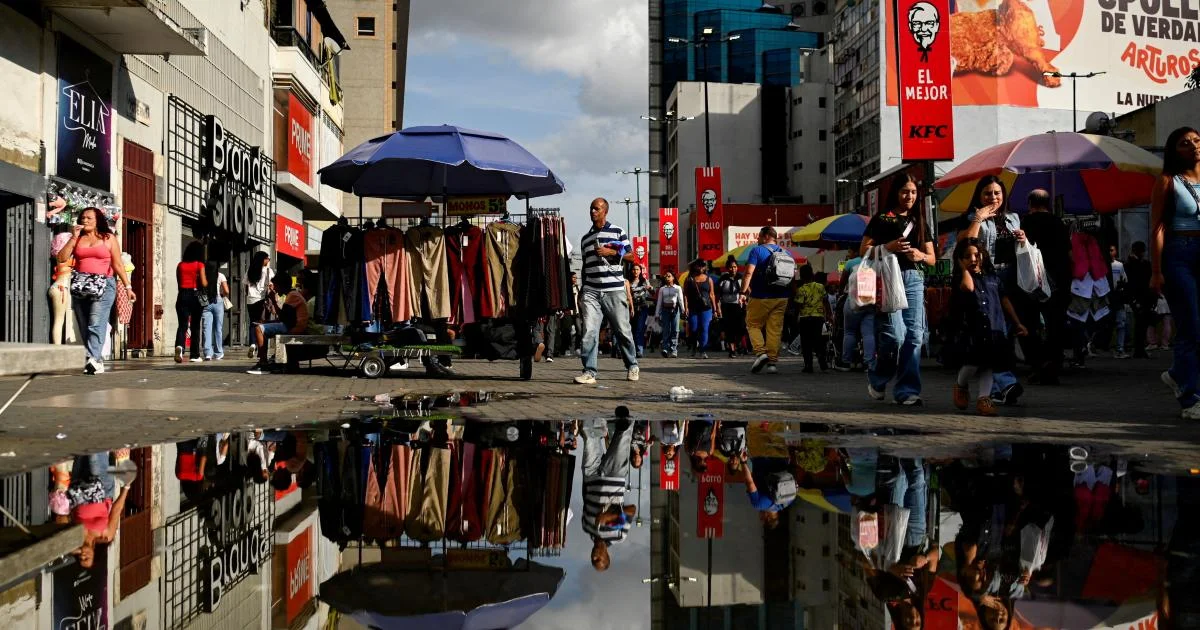
U.S. banks, especially JPMorgan, are considering re-entering Venezuela's market due to potential opportunities in oil and infrastructure, despite ongoing sanctions and political instability, with JPMorgan potentially leveraging its historical presence and existing infrastructure in the country.
President Donald Trump has approved a sanctions bill aimed at economically crippling Russia for its invasion of Ukraine, with Senator Lindsey Graham confirming the president's support. The legislation, primarily authored by Graham and Senator Richard Blumenthal, targets countries purchasing Russian exports to cut off funding for Russia's military actions. A vote could occur as early as next week, amid ongoing efforts to negotiate a peace deal in Ukraine.
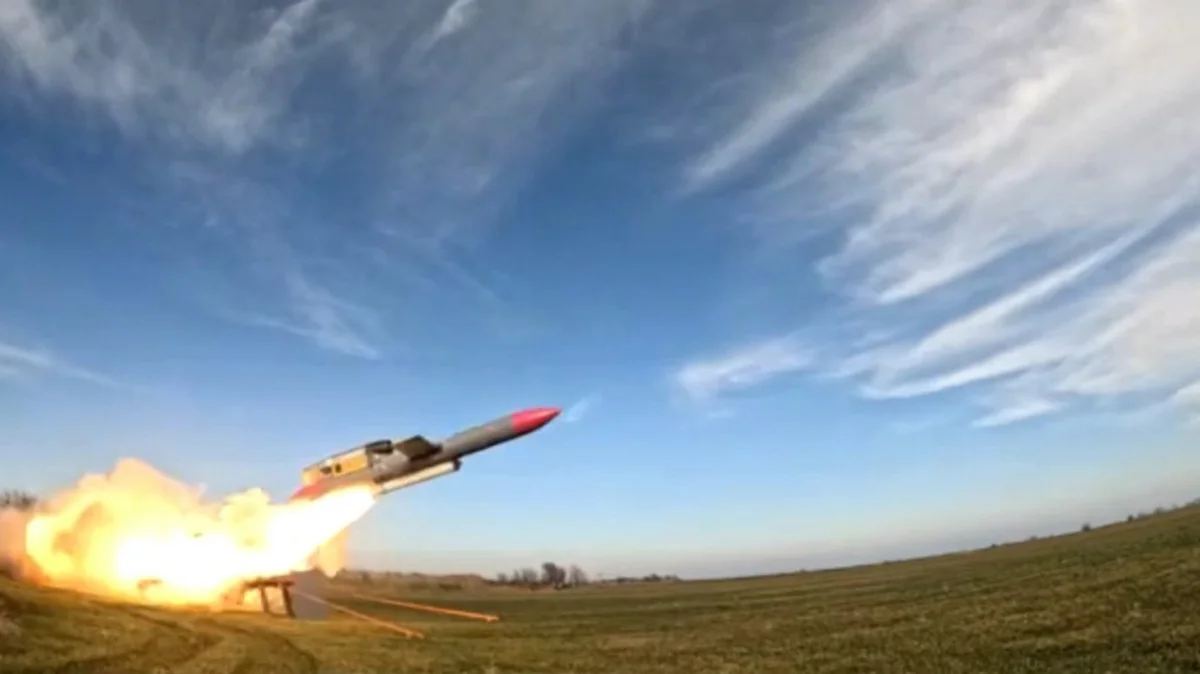
Russia has significantly reduced its oil production due to difficulties in delivering crude to major buyers India and China, exacerbated by US sanctions and recent Ukrainian strikes, leading to a decline of over 100,000 barrels per day in December and a surplus of unsold oil at sea.
Sanctioned states like Russia and Iran are increasingly using military-designed civilian aircraft for rapid, covert air transport of sensitive cargo, challenging traditional logistics and regulatory frameworks, and signaling a shift towards strategic airlift as a tool under political constraints.
Oil CEOs are meeting with Trump to discuss potential investment in Venezuela's oil sector, contingent on political stability, legal assurances, and possible lifting of sanctions, but concerns about risks and infrastructure costs remain significant.
Scottish First Minister John Swinney supports US-led sanctions enforcement against Russia following the seizure of a Russian-flagged tanker, Marinera, accused of evading sanctions and linked to Russia's war efforts in Ukraine. The operation involved military aircraft landing at Scottish airports, with UK and US cooperation, though Scotland was not briefed beforehand. The incident highlights ongoing efforts to curb illegal activities of Russia's shadow fleet amid broader geopolitical tensions.
Russia's economy is under significant strain due to the costs of the Ukraine war, with signs of fiscal exhaustion, declining real growth, and increased internal financing pressures, suggesting the country's economic house of cards is still standing but fragile.
President Trump announced that Venezuela will transfer 30 to 50 million barrels of sanctioned oil to the US, with plans to sell it at market prices and use the revenues to benefit both nations. The move aims to revive Venezuela's oil industry and involves US energy companies, though the impact on global supply is modest given current production levels. Experts express uncertainty about the details and feasibility of the plan, especially regarding investment and infrastructure rebuilding.
President Trump announced that Venezuela will transfer up to 50 million barrels of oil to the US, with proceeds benefiting both nations, marking a strategic move amid ongoing sanctions and political changes in Venezuela.
Donald Trump announced that Venezuela will transfer 30 to 50 million barrels of sanctioned oil to the US, with the proceeds controlled by the US government, as part of a plan to manage Venezuela's oil exports amid ongoing sanctions and political upheaval.
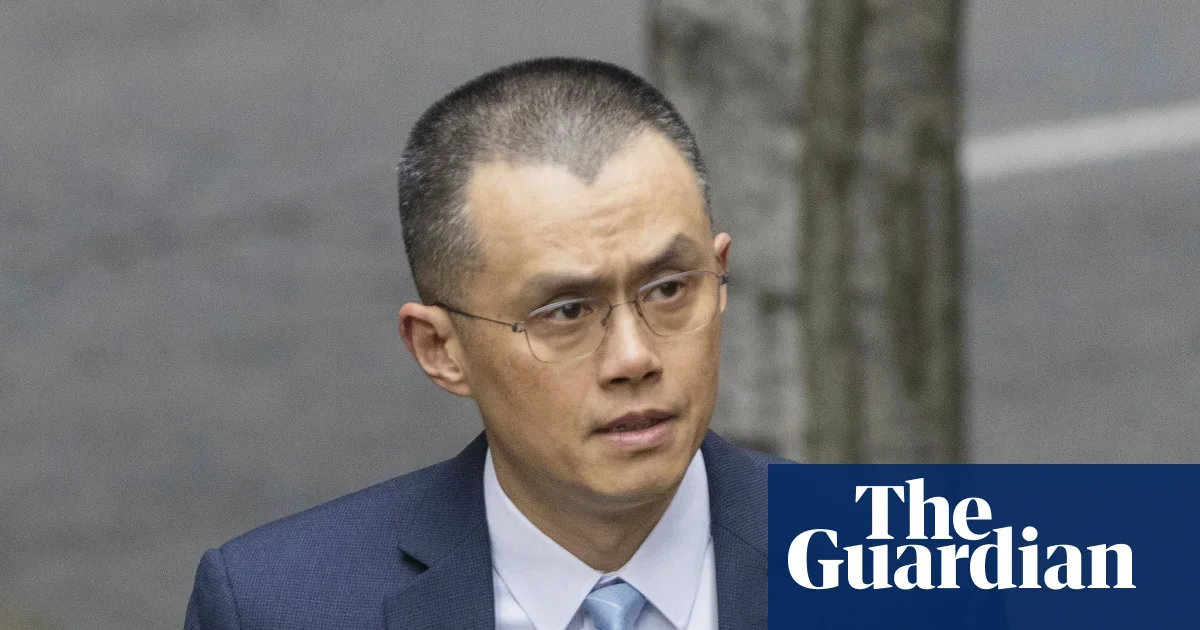
Experts believe Venezuela may hold billions in Bitcoin, accumulated as a means to bypass sanctions and financial restrictions, with potential implications if these assets are sold, seized, or transferred amid political upheaval. The exact amount and location of these holdings remain uncertain due to the privacy features of cryptocurrencies, but their existence could influence global markets and U.S. policy actions.
Iran faces widespread protests driven by economic hardship, with rising living costs, a strained budget focused on security and military spending, and ongoing international sanctions contributing to public discontent. Despite significant resource potential, economic management and allocation issues persist, fueling unrest and challenging the regime's stability amid external pressures and internal dissatisfaction.
President Trump indicated readiness to send more US troops to Venezuela if interim president Rodriguez does not cooperate, and discussed potential sanctions relief, while US officials outlined demands for her to crack down on drug flows, expel hostile operatives, and stop selling oil to adversaries, with plans for a future free election.
The US is pressuring Venezuela's new leader, Delcy Rodriguez, with demands including cooperation and sanctions relief, while considering various strategies to influence her and the Venezuelan government amidst ongoing political tensions.
Iran's strategic investments in Venezuela's oil sector, aimed at circumventing US sanctions and fostering political influence, are now at risk following Maduro's downfall and the potential shift in Venezuelan government policies, which could lead to asset expropriation, operational displacement, and a disruption of Iran's broader sanctions-evasion model, with significant implications for global oil markets and Iran's geopolitical strategy.