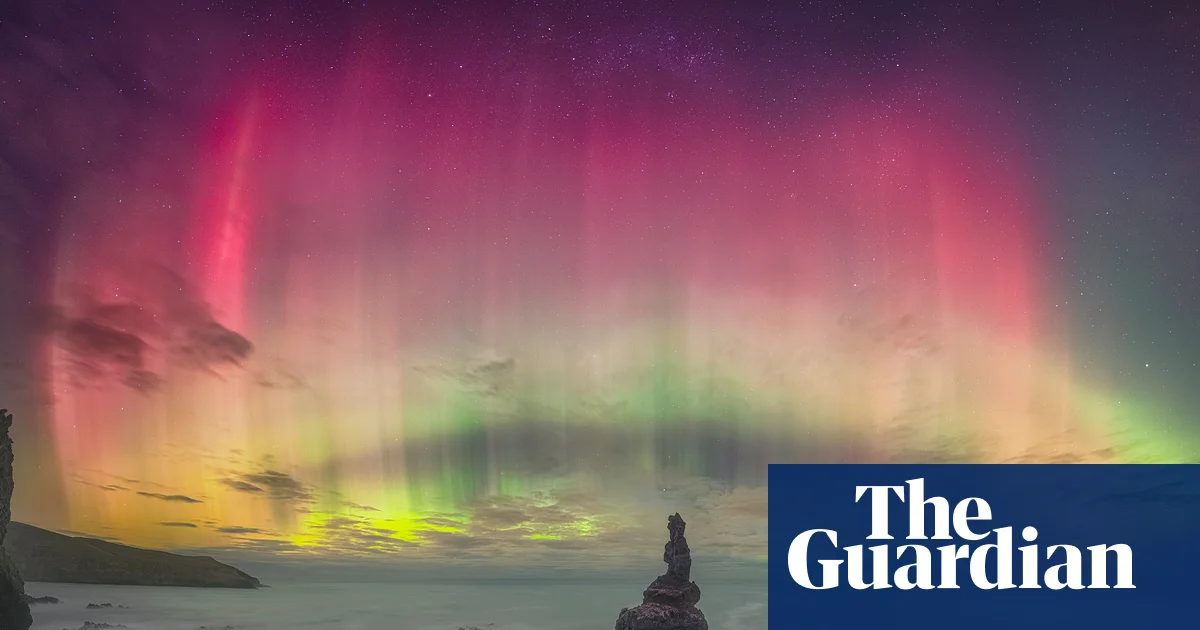
The 2025 David Malin astrophotography awards showcase stunning images of celestial phenomena, including supernovas, satellites, and solar sprites, with winners in various categories such as deep sky, solar system, and nightscapes, highlighting the beauty and diversity of the universe.
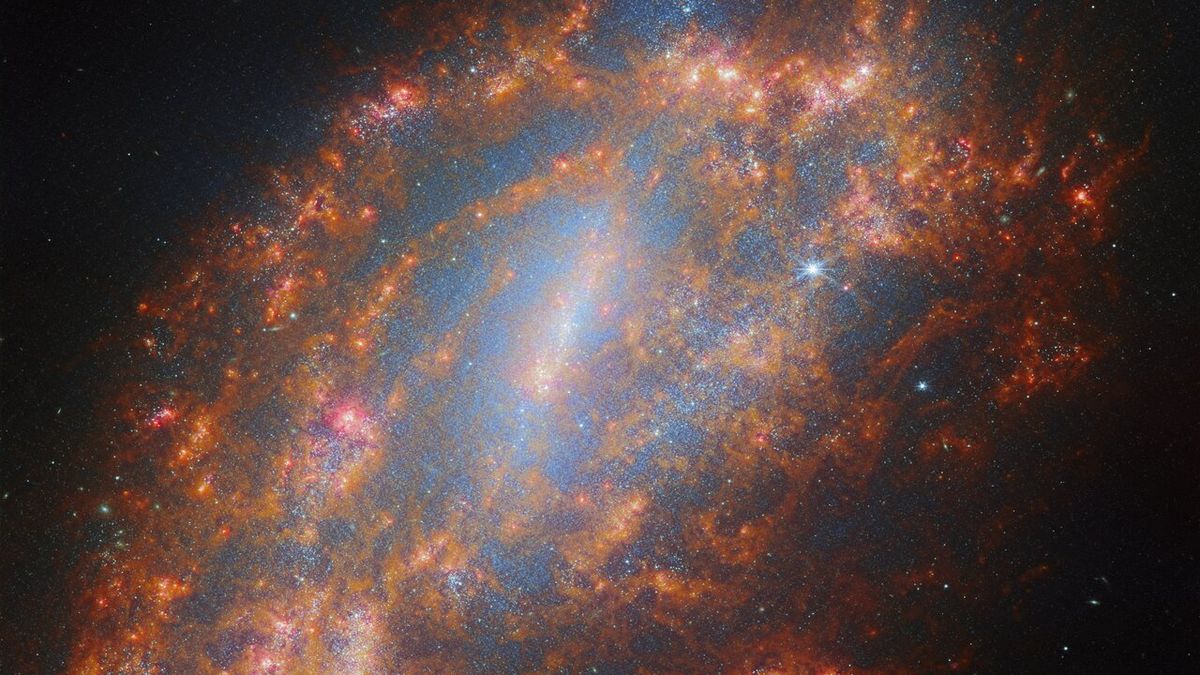
The James Webb Space Telescope's infrared vision has provided a new view of the barred spiral galaxy NGC 1559, revealing its dust skeleton and star-forming regions. The telescope's image is part of the PHANGS project, aiming to understand the life cycle of stars and their interaction with galaxies. NGC 1559, located in a remote area, has been the site of four supernovas, aiding in distance calculations and contributing to the study of the universe's expansion. Additionally, the galaxy hosts ultra-luminous X-ray sources, including a suspected compact binary ULX, making it a significant target for astronomical research.
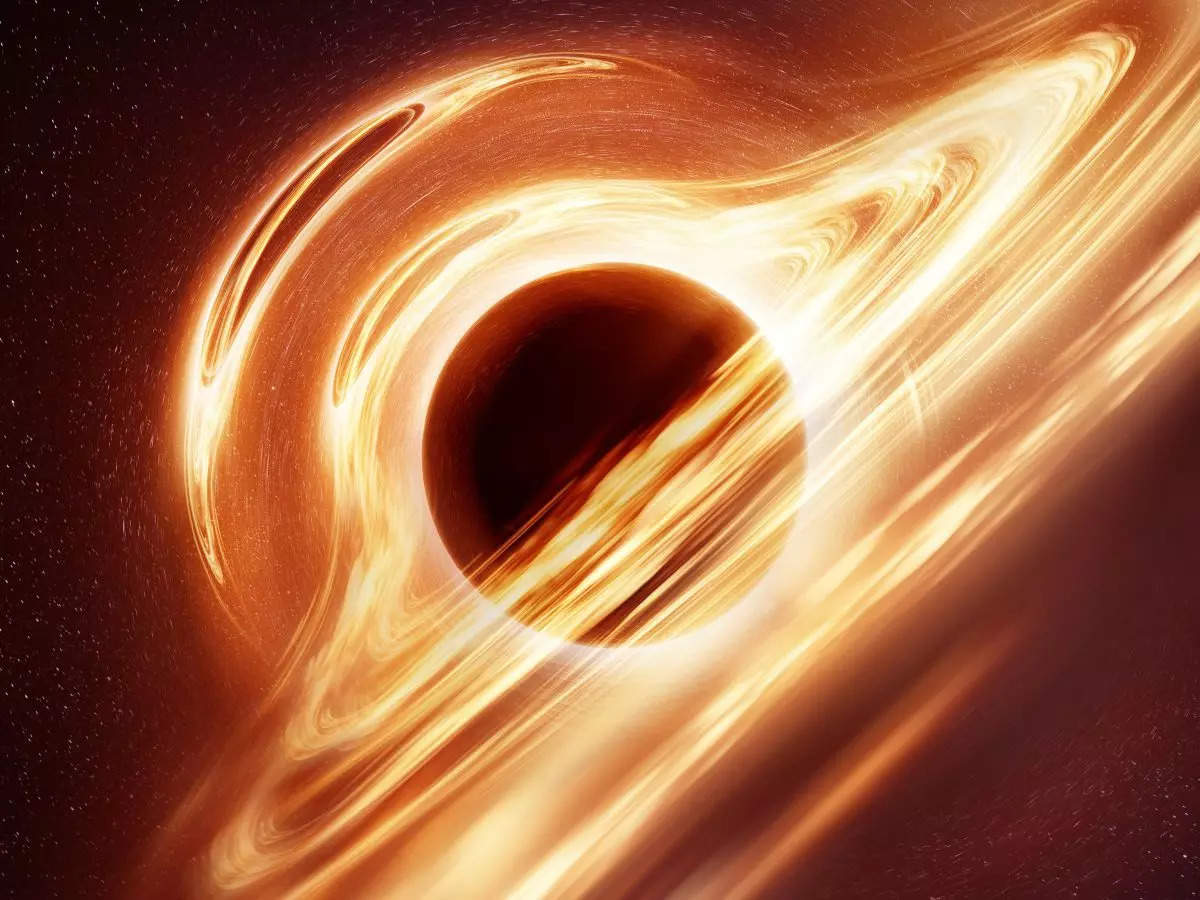
The universe is home to incredibly destructive forces, including supernovas, gamma-ray bursts, quasars, hypernovas, rogue planets, black holes, and the hypothetical Big Rip. These phenomena can unleash immense energy, destroy nearby celestial bodies, and even pose existential threats to the universe itself. From the explosive deaths of massive stars to the relentless expansion of dark energy, the universe showcases its capacity for chaos and devastation.
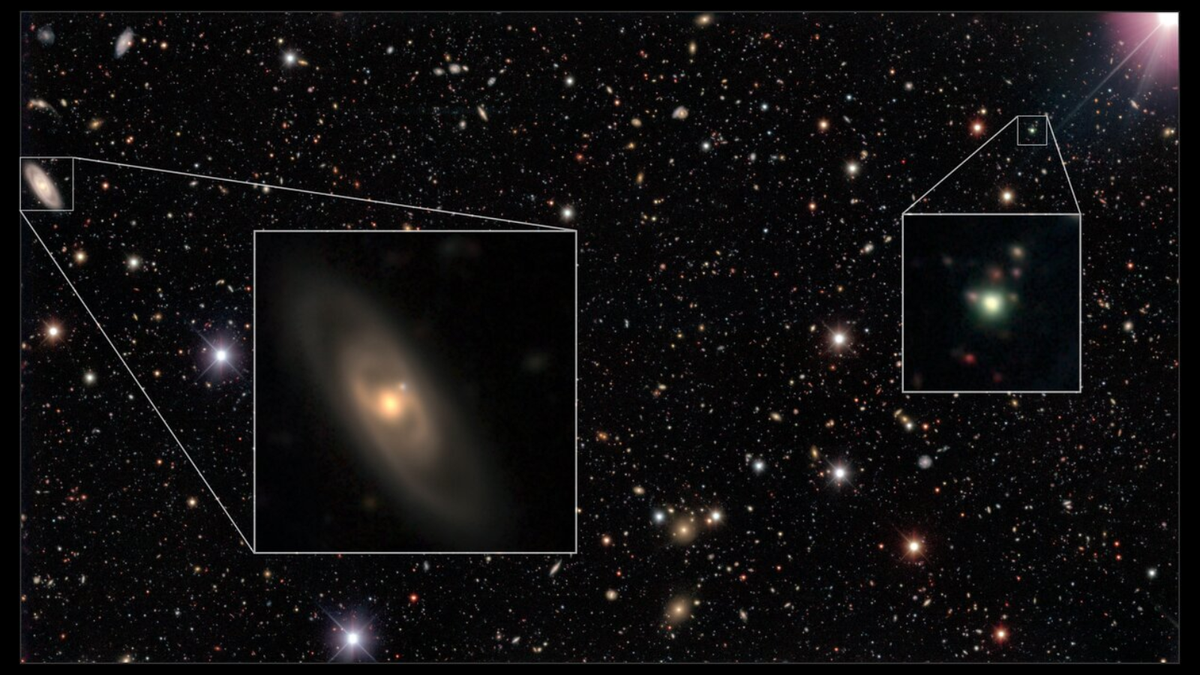
The Dark Energy Survey, conducted over a decade, has provided new insights into the accelerating expansion of the universe. By observing over 1,500 supernovas, the survey suggests that dark energy, the force driving this expansion, may vary in density over time, challenging the standard model of cosmology. The results, presented at the American Astronomical Society meeting, indicate that the universe's expansion may not be constant, potentially requiring a more complex explanation than the current model. The survey's findings, based on the observation of Type Ia supernovas, triple the known number of supernovas at certain distances, shedding light on the nature of dark energy and its role in cosmic evolution.
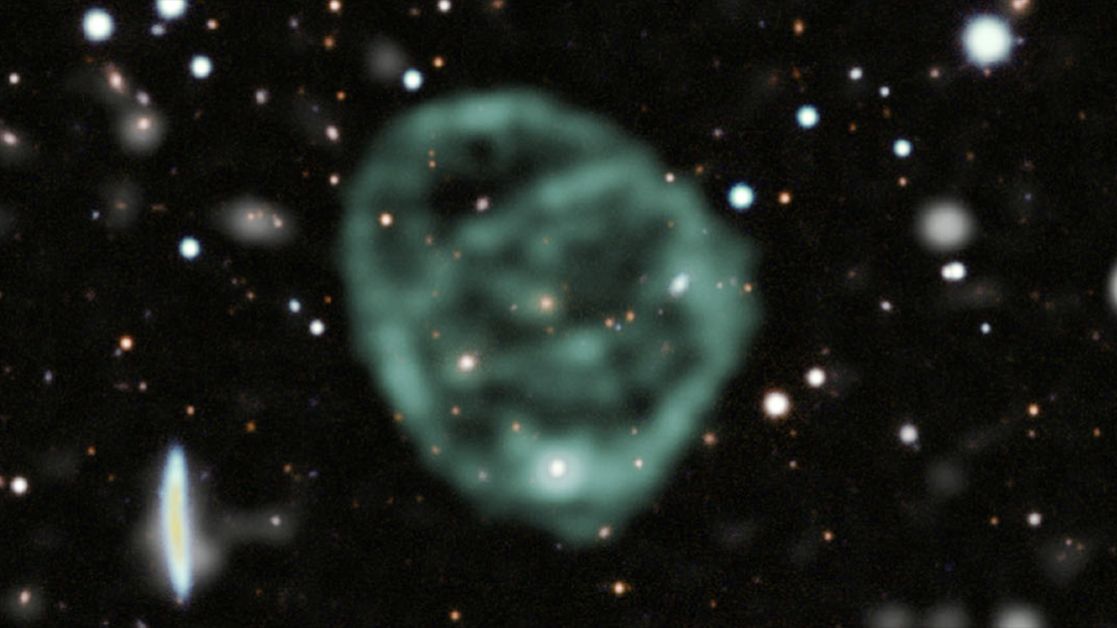
Scientists may have solved the mystery of cosmic ORCs, vast odd radio circles that can encompass entire galaxies, by pointing to powerful winds erupting from bursts of exploding stars as the cause. These winds, driven by simultaneous supernova explosions in starburst galaxies, create shockwaves that generate the ORCs, which can spread out for hundreds of thousands of light-years. This discovery could provide insights into galactic evolution and the prevalence of extreme outflowing galactic winds.
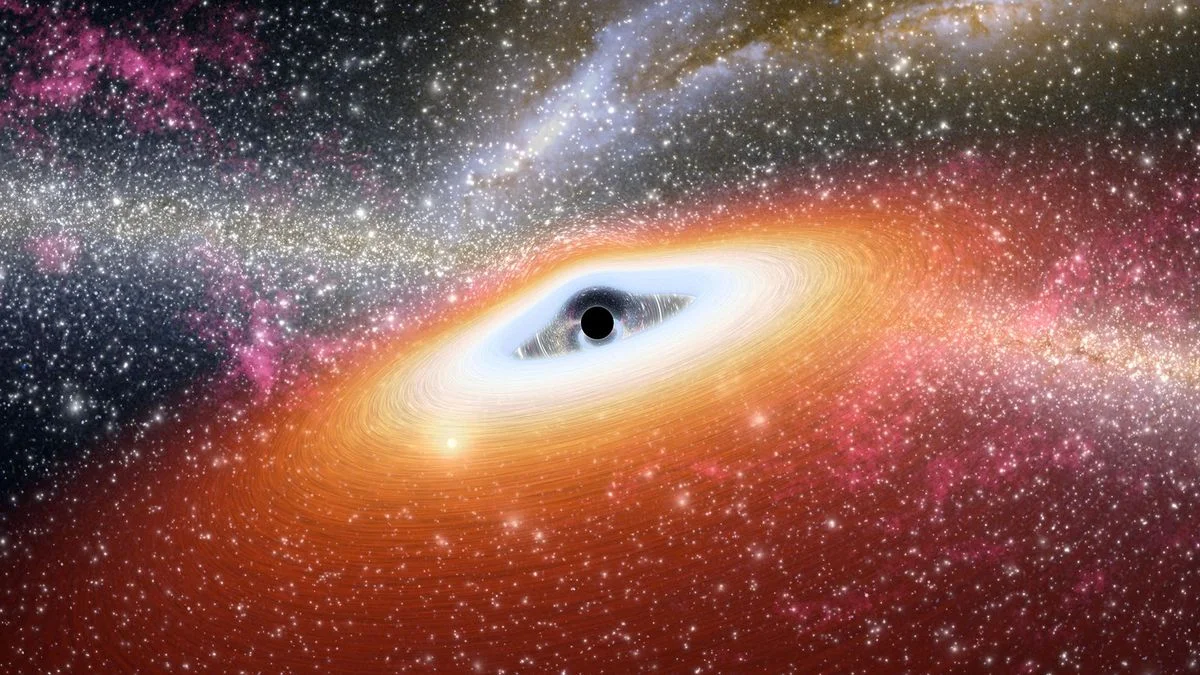
Astronomers have used simulations to study the violent birth of black holes and neutron stars, finding that the properties of the parent star prior to the explosion determine the resulting object's characteristics. They discovered that massive, compact progenitors lead to asymmetrical explosions, producing fast-moving, kicked neutron stars, while smaller progenitors result in slow-moving neutron stars. The research also revealed two pathways for black hole formation, shedding light on the enigmatic first moments of a black hole's life and providing important insights into the stellar life cycle.
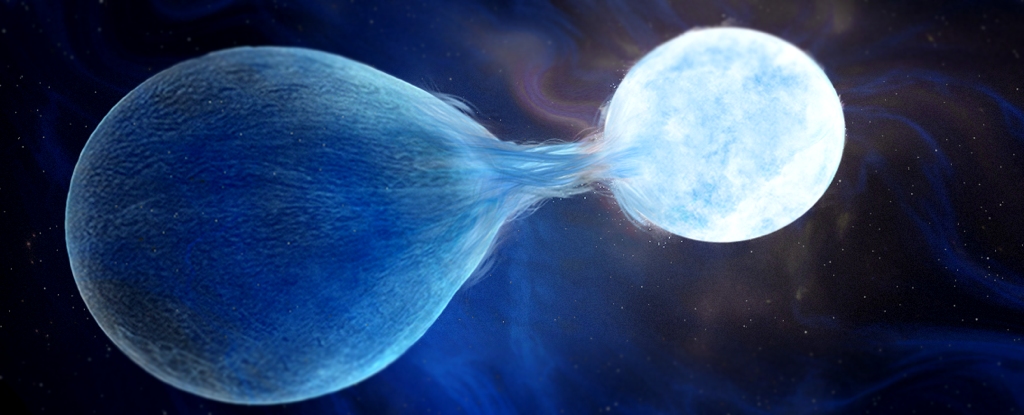
Scientists have identified a population of hydrogen-poor stars that are the progenitors of stripped-envelope supernovas. These stars, known as intermediate-mass helium stars, have been elusive to find due to their stripped outer material and the presence of a brighter companion star. However, a dedicated survey using ultraviolet light has successfully identified 25 of these stars, confirming their existence. The discovery has important implications for our understanding of supernovas, gravitational waves, and the light from distant galaxies. Further research is underway to study these stars in more detail and expand the search for more helium stars.
Scientists have discovered that some of the largest and most intense regions of star formation are found in the smallest of galaxies, known as dwarf galaxies. This is because stars in dwarf galaxies are more likely to turn into black holes rather than explode in supernovas, resulting in a delay in blowing away their star-forming material. This delay allows star-forming regions in dwarf galaxies to grow in size and intensity, producing more stars. The presence of metals in stars also plays a role in their evolution, with high-metallicity stars more likely to produce powerful supernovas. These findings provide insights into star formation in early galaxies and the conditions during the "Cosmic Dawn" period after the Big Bang.
Researchers have developed an AI tool called the Bright Transient Survey Bot (BTSbot) that can identify and confirm supernovas, streamlining the process that usually involves both machines and human scientists. The BTSbot successfully observed, identified, and communicated with another telescope to confirm the discovery of a supernova, freeing up scientists to conduct more in-depth examinations. This AI-based system can help analyze observations, develop hypotheses, and classify the type of supernova, contributing to a better understanding of the universe and its origins.
New research suggests that invisible stars made of dark matter, known as boson stars, may be dying in massive explosions called "bosenovas." These explosions would be completely invisible but could be detected through ultralight dark matter detectors. Boson stars, made of a type of particle called a boson, would slowly gain mass over time until reaching a critical tipping point where they collapse, releasing energy in the form of high-energy particles. The researchers hope that experiments searching for lightweight dark matter will find traces of these bosenova explosions.
Astronomers have discovered a class of space explosions called luminous fast blue optical transients (LFBOTs) that are brighter and hotter than supernovas. These explosions, nicknamed after animals, including the Cow, Koala, Tasmanian devil, and now the Finch, have raised questions about their origin. The latest discovery, the Finch, was found outside any galaxy, challenging current theories. Possible explanations include failed supernovas as black holes form, tidal disruption events caused by black holes consuming companion stars, or the merger of neutron stars. Astronomers hope that upcoming telescopes will provide more insights into these mysterious space explosions.
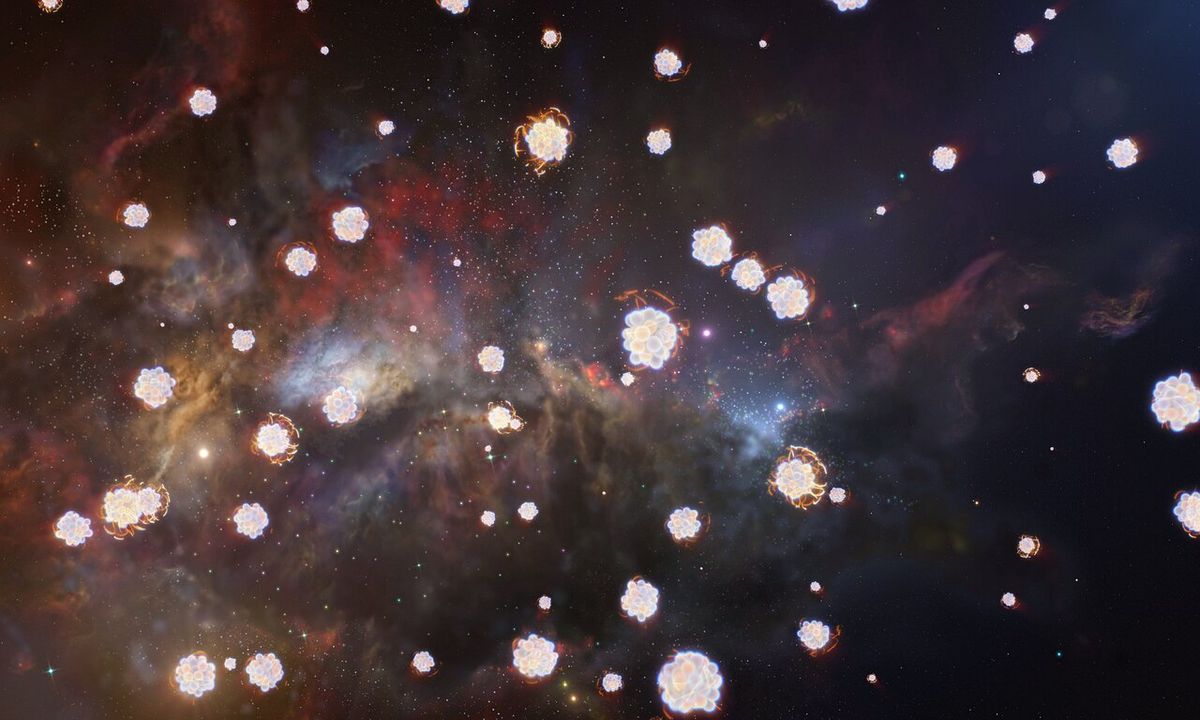
Astronomers have discovered the chemical remains of the universe's first stars in distant gas clouds using the Very Large Telescope (VLT) in Chile. The find could help scientists better understand the conditions of the universe shortly after the Big Bang, when the universe was just around 300,000 years old and the first stars were being born. The first generation of stars that formed 13.5 billion years ago was very different from the stellar bodies we see in the universe today. The team's research was published in The Astrophysical Journal.
The first stars in the universe were 10,000 times larger than the sun and significantly brighter, but died young compared to stars today, according to a new study by Cornell University. Astrophysicists used computer simulations of the Dark Ages to discover interactions that preceded the formation of the first-ever star. Once supernovas occurred, the stars would break apart with heavier elements, which prevented these stars from ever reforming.