Tag

Luminous Fast Blue Optical Transients

All articles tagged with #luminous fast blue optical transients

astronomy2 years ago

"The Enigma of Massive Space Explosions Unveiled"

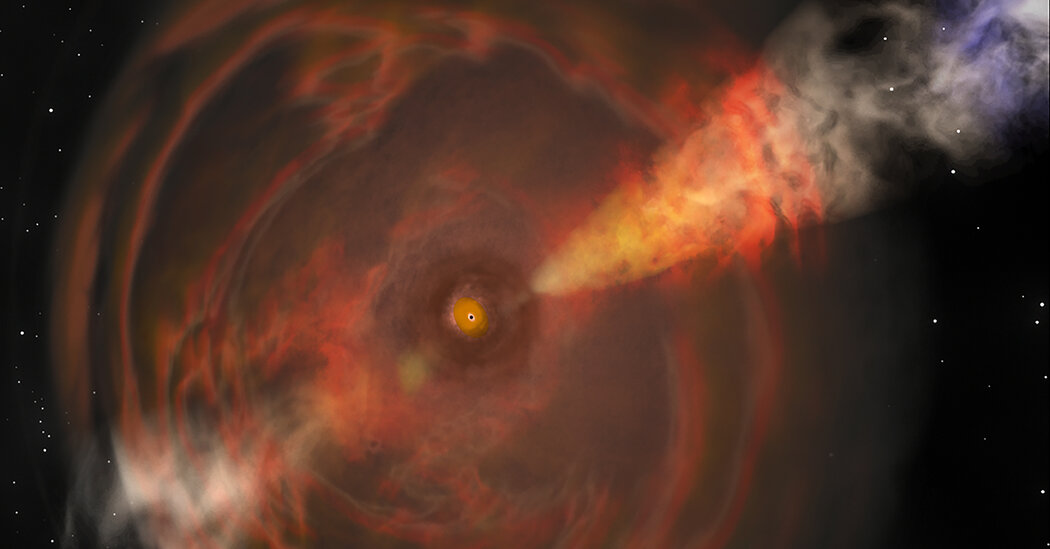
Astronomers have observed mysterious cosmic explosions known as luminous fast blue optical transients (LFBOTs), which are 10 billion times more powerful than the sun and occur in the aftermath of a celestial event. A recent study published in Nature suggests that these extraordinary blasts are driven by the presence of a dense stellar corpse, either a black hole or a neutron star left behind after the death of a large star. The discovery has left researchers worldwide captivated and motivated, as it stretches the understanding of violent phenomena in space. The exact cause of these explosions remains a mystery, but they represent the discovery of important astronomical phenomena.
astronomy2 years ago

Mysterious Repeated Explosions Baffle Scientists in Nearby Galaxy

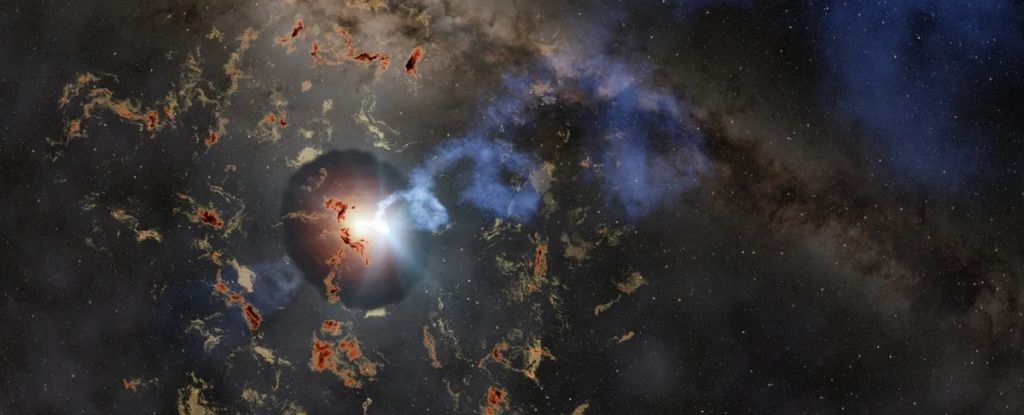
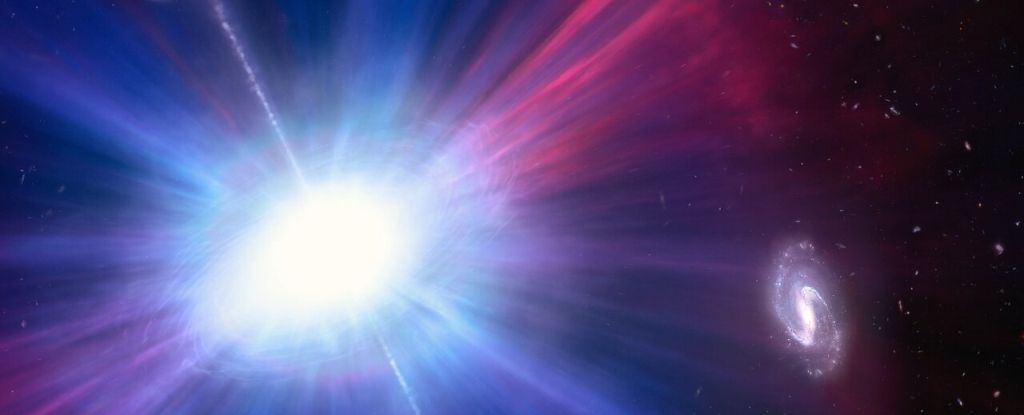
The Tasmanian Devil (AT2022tsd), an explosion observed a billion light-years away, has been repeatedly flaring with the same power as the initial explosion for months, making it a rare and peculiar event. Luminous fast blue optical transients (LFBOTs) like the Tasmanian Devil are incredibly bright and hot, but brief, and their cause remains a mystery. The new analysis suggests that the Tasmanian Devil may be linked to the formation of a neutron star or black hole. The flares observed after the initial explosion were as bright as the Tasmanian Devil itself but lasted only a few minutes. This discovery provides insights into LFBOTs, black holes, and the life cycles of stars.

astronomy2 years ago

Unexplained Space Explosion Baffles Astronomers

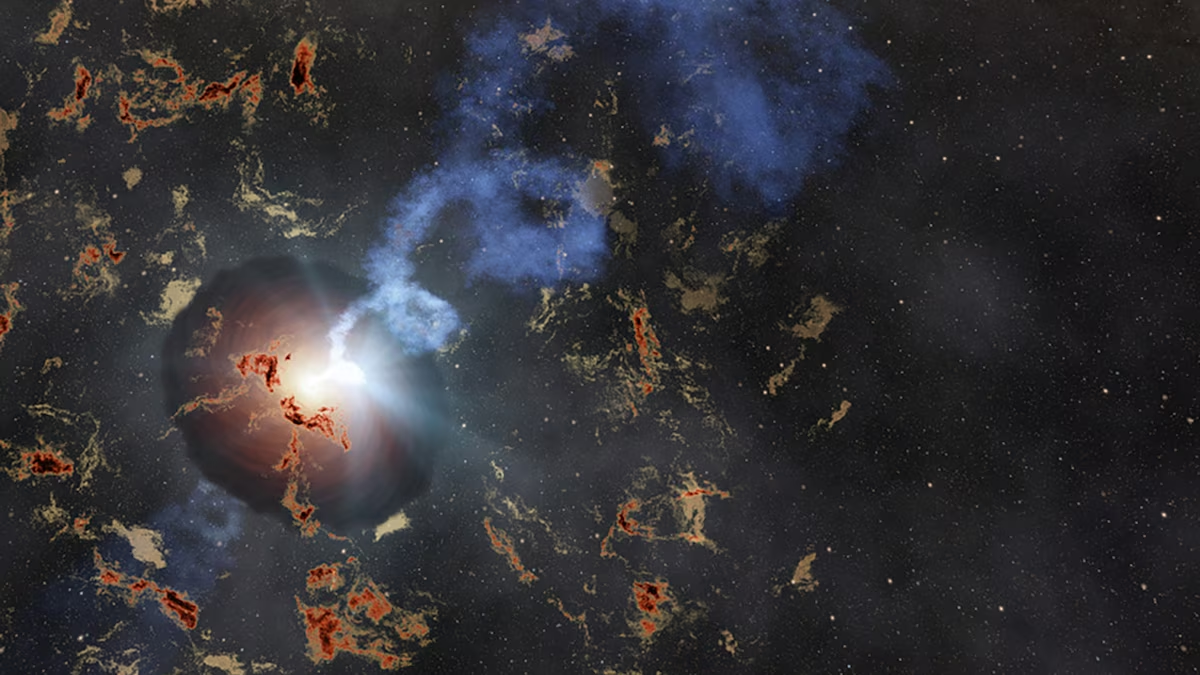
Astronomers have discovered a luminous fast blue optical transient (LFBOT) explosion, nicknamed the Finch, in intergalactic space, far from any galaxy. LFBOTs were previously thought to only occur within galactic borders, leading to the belief that they were a type of massive supernova. However, the Finch's location challenges this hypothesis. LFBOTs are extremely bright and brief, at least 10 times brighter than a normal supernova, and are thought to be caused by a dying star's core collapsing into a neutron star or black hole. Another possibility is a collision between two neutron stars. Further research is needed to determine the true nature of LFBOTs.

astronomy2 years ago

Cosmic Catastrophe: Unraveling the Space Explosion Mystery

Astronomers have discovered a class of space explosions called luminous fast blue optical transients (LFBOTs) that are brighter and hotter than supernovas. These explosions, nicknamed after animals, including the Cow, Koala, Tasmanian devil, and now the Finch, have raised questions about their origin. The latest discovery, the Finch, was found outside any galaxy, challenging current theories. Possible explanations include failed supernovas as black holes form, tidal disruption events caused by black holes consuming companion stars, or the merger of neutron stars. Astronomers hope that upcoming telescopes will provide more insights into these mysterious space explosions.