Tag

Dark Ages

All articles tagged with #dark ages

space2 years ago

2025 Mission: Radio Telescope to Explore Moon's Dark Ages

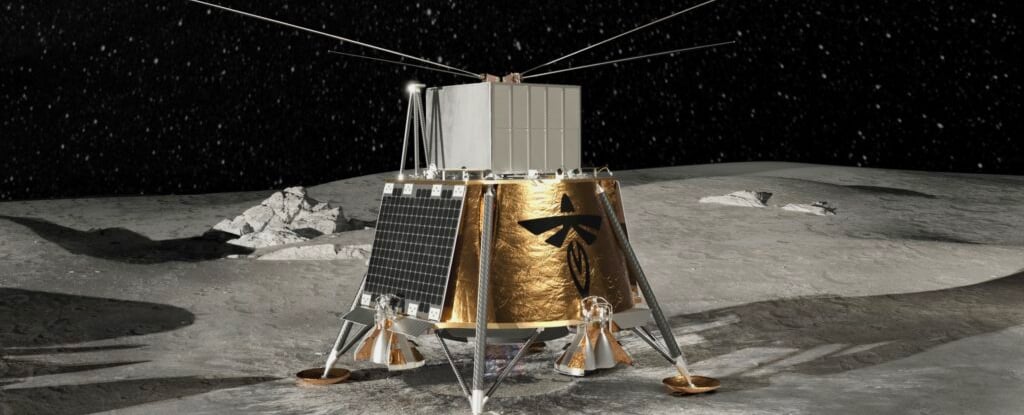
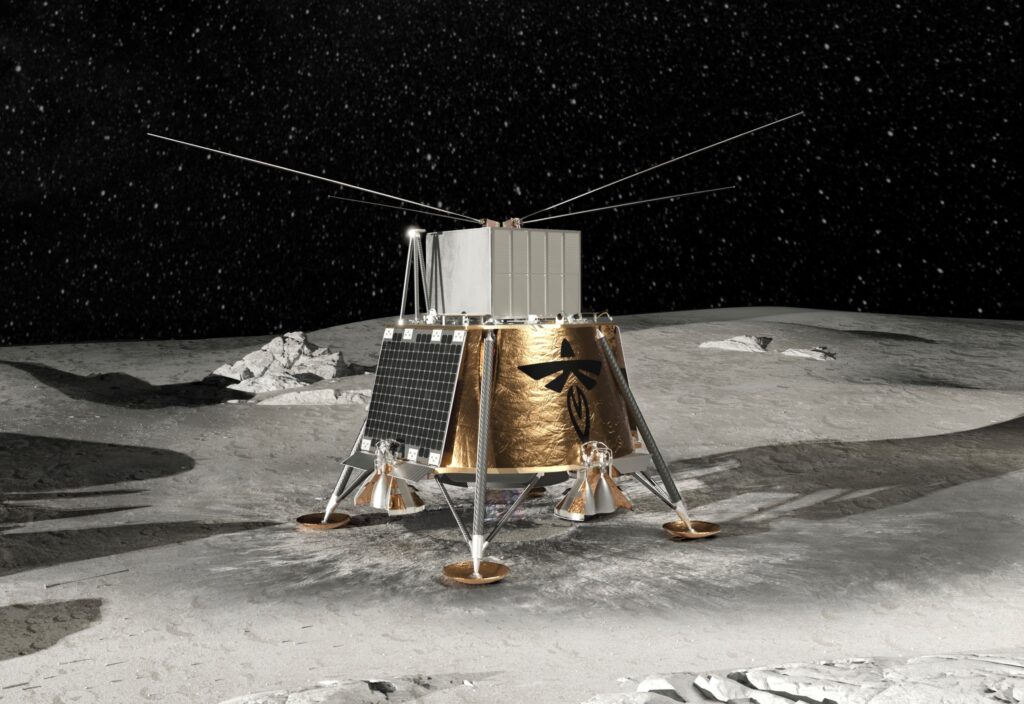
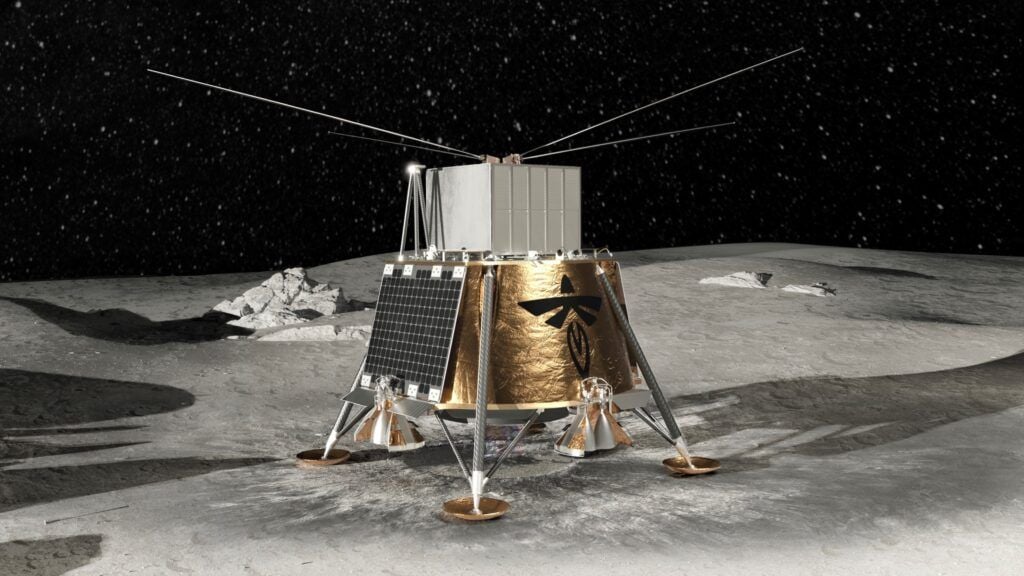
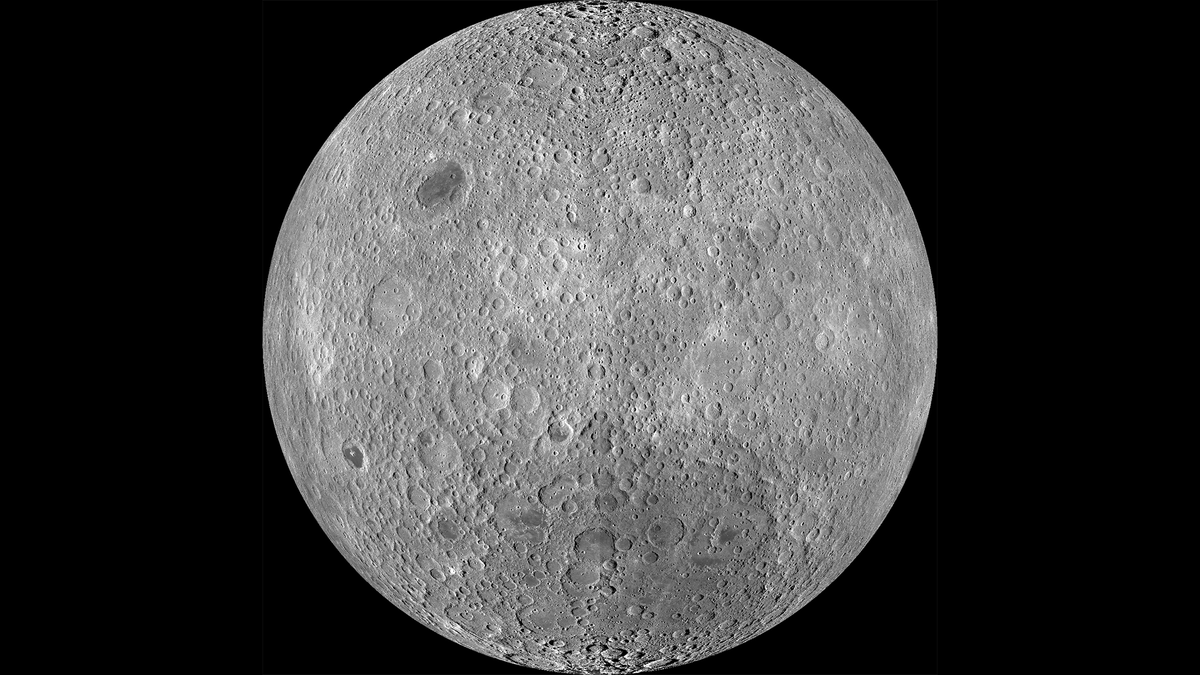
NASA and the Department of Energy are collaborating on a project called LuSEE-Night, which aims to put a radio telescope on the far side of the Moon by 2025. The telescope will be able to detect radiation from the "Dark Ages" of the Universe, a period shortly after the Big Bang when the first stars and galaxies formed. The Moon's far side provides a radio-quiet environment free from interference, allowing sensitive antennas to gather data during lunar nights. The project faces challenges such as extreme temperature variations and the need for communication through a relay satellite.

space2 years ago

2025 Mission: Radio Telescope to be Placed on the Far Side of the Moon

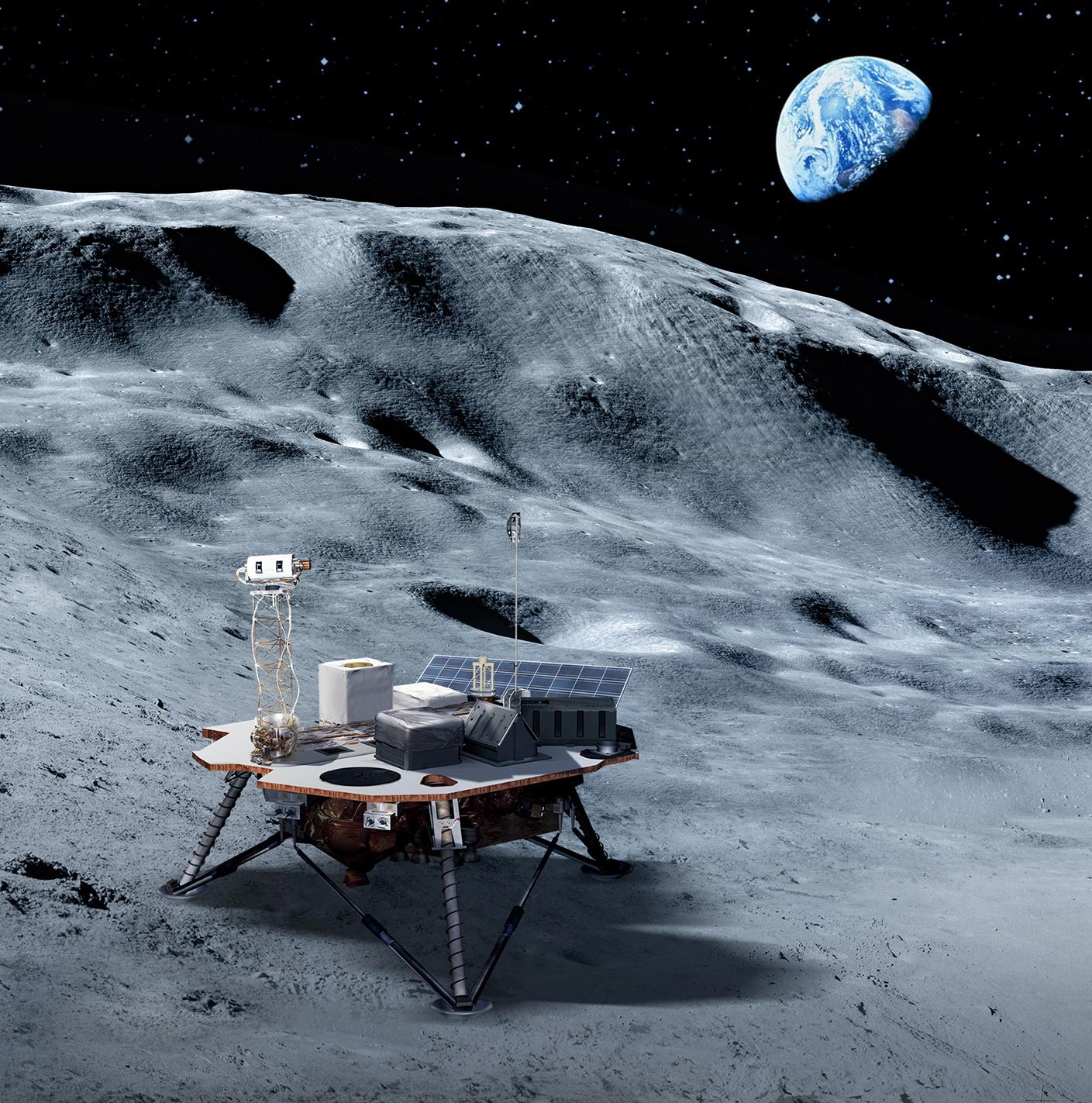
Astronomers are working on a project called LuSEE-Night, a collaboration between NASA and the Department of Energy, to put a radio telescope on the far side of the Moon by 2025. This lunar radio observatory will provide a pristine, radio-quiet environment free from terrestrial interference, allowing astronomers to study the "Dark Ages" of the Universe and track the evolution of cosmic structures from the beginning. The experiment will rely on two pairs of antennas that measure six meters in length and will be deployed using a spring-loaded mechanism. The completed experiment will be launched as part of NASA's Commercial Lunar Payload Services program.

space2 years ago

"2025 Moon Mission: Radio Telescope to Unveil Cosmic Dark Ages"

NASA and the U.S. Department of Energy are funding the Lunar Surface Electromagnetic Experiment-Night (LuSEE-Night), a small radio telescope that will be launched to the far side of the moon in 2025. LuSEE-Night aims to detect radio waves from the cosmic Dark Ages, a period after the Big Bang when the first stars and galaxies were forming. By going to the far side of the moon, where there is no atmospheric interference, LuSEE-Night will search for a dip in radio wave intensity caused by neutral hydrogen gas absorbing radiation from the cosmic microwave background. This mission will test technologies and pave the way for future lunar radio telescopes.

science-and-astronomy2 years ago

Moon exploration advancements: Inflatable telescope and China's space race.

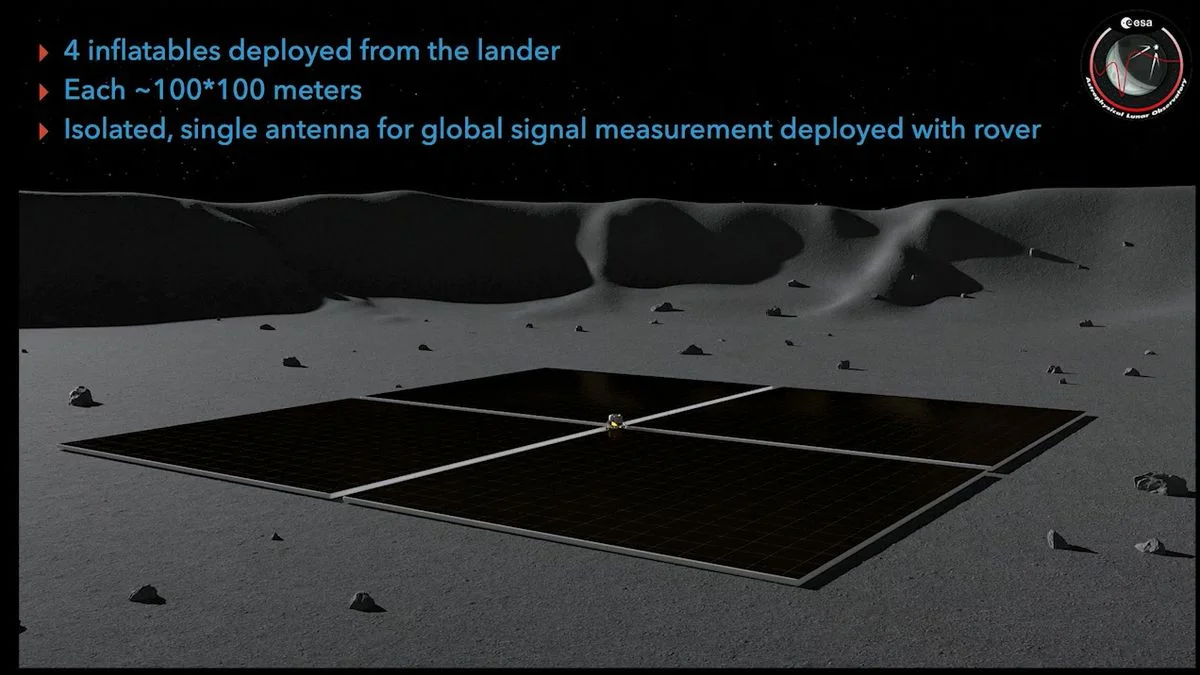
European scientists are developing an inflatable radio telescope concept that could do groundbreaking science on the moon. The idea proposes an array of radio antennas printed on the superlight space-blanket material kapton that would travel to the moon folded inside the planned European Large Logistics Lander, also known as Argonaut. Astronomers are interested in building a radio telescope on the far side of the moon, as the region is free of the radio noise generated by technology on Earth. A telescope placed in this region would therefore be able to detect signals that cannot be studied from Earth's surface, including the 21 centimeter emission line produced by atomic hydrogen, which permeated the universe in the first hundreds of millions of years after the Big Bang.

science-and-astronomy2 years ago

China Plans Moon-Orbiting Telescope Array by 2026.

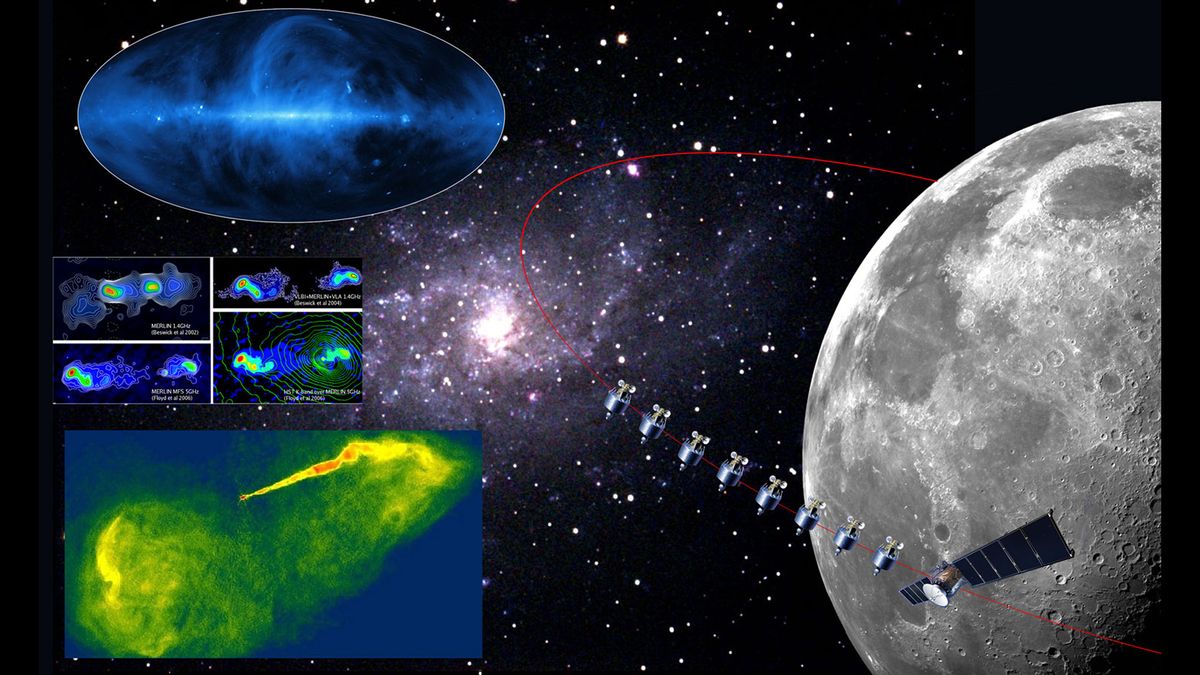
China plans to launch a constellation of satellites around the moon to create a radio telescope that would allow astronomers to study cosmic radiation in the electromagnetic spectrum below 30 MHz, which is impossible to study from Earth's surface. The proposed "Discovering Sky at the Longest Wavelength" project could orbit the moon as early as 2026 and would consist of one "mother" satellite and eight mini "daughter" craft. The moon's far side is the most radio-quiet place in the solar system and would provide an ideal environment for this kind of measurement.

science-and-technology2 years ago

Giant Telescope to be Built on the Moon

NASA has awarded a grant to researchers to develop a plan for a sprawling array of antennae on the moon's far side, using minerals mined from the moon. The proposed radio telescope, called the FarView Observatory, would allow astronomers to see what no other instrument today can: A period of time before the stars, called the universe's "Dark Ages." The telescope would be free of noise and interference, and nearly all the metallic materials needed are available on the moon. The project is ambitious and costly, but NASA and Congress have been historically committed to spending billions on scientific endeavors.

science2 years ago

Moon-based Telescopes: A Transformative and Achievable Goal for Astronomy

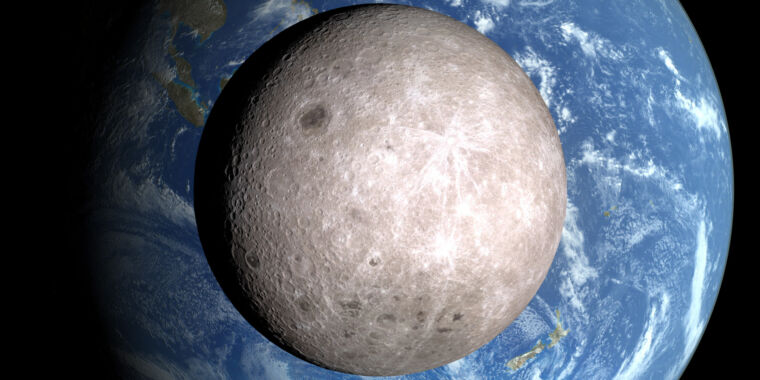
Lunar exploration is on the rise, with multiple space agencies and commercial companies planning missions to the Moon. The Moon's far side is an ideal location for radio astronomy, as it is permanently shielded from Earth's radio signals and is the most "radio-quiet" location in the solar system. Low-frequency radio astronomy can probe the structure of the early Universe, including the cosmic "dark ages," and the lunar far side may be the only place where we can study this.

astronomy2 years ago

Moon-based Telescopes: The Future of Astronomy?

Building telescopes on the Moon could revolutionize astronomy, particularly in the field of radio astronomy, which can be conducted from the far side of the Moon, the most "radio-quiet" location in the solar system. The Moon's low gravity and stable environment may also enable the construction of larger infrared telescopes and provide natural shielding for them in the form of permanently shadowed craters. The Moon's rich record of solar wind and cosmic rays could also yield insights into the evolution of the Sun and the Milky Way. However, human activities on the lunar far side and plans to extract water-ice from shadowed craters may create unwanted interference and hinder astronomical observations.

science2 years ago

The Evolution of Stars: A Study of Brightness, Size, and Density.

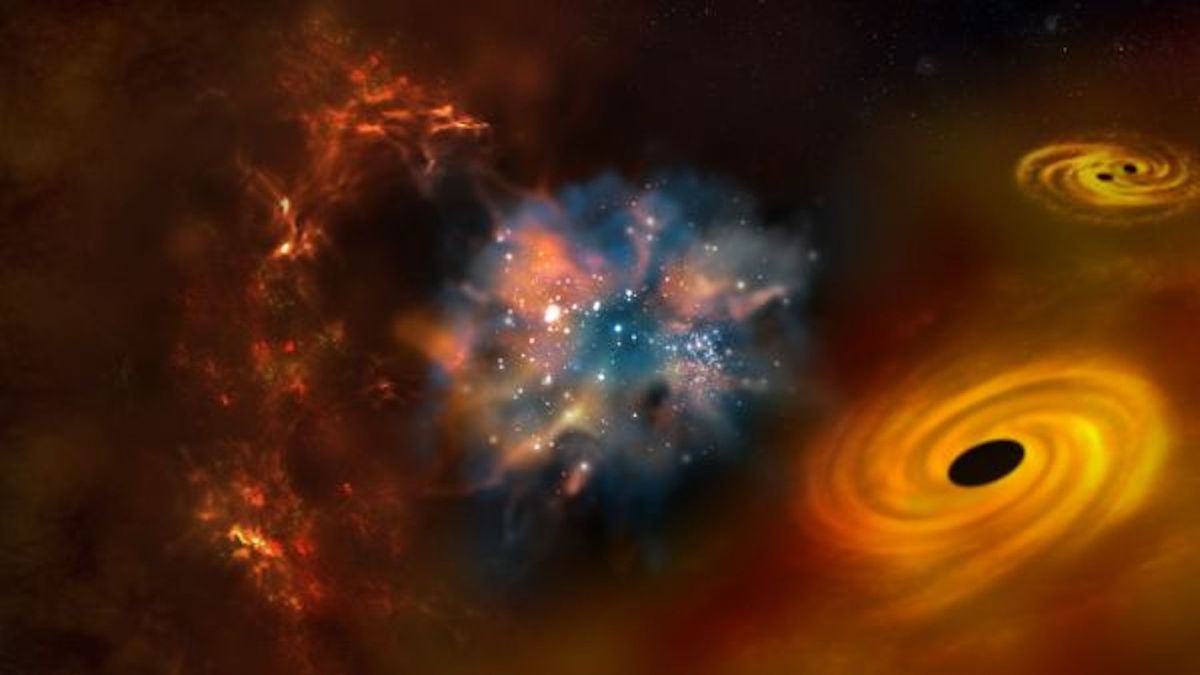
The first stars in the universe were 10,000 times larger than the sun and significantly brighter, but died young compared to stars today, according to a new study by Cornell University. Astrophysicists used computer simulations of the Dark Ages to discover interactions that preceded the formation of the first-ever star. Once supernovas occurred, the stars would break apart with heavier elements, which prevented these stars from ever reforming.

science-and-astronomy2 years ago

Early Universe Packed with Massive Stars, Study Finds.

The first stars in the universe may have been over 10,000 times the mass of the sun, according to a new study. The early universe lacked elements heavier than hydrogen and helium, which are necessary for the rapid release of heat that allows dense clumps to collapse and trigger nuclear fusion. The first stars had to form under much different and more difficult conditions, resulting in gigantic clumps of neutral gas igniting their fusion cores all at once, skipping the stage where they fragment into small pieces. These stars would have been incredibly bright and would have lived extremely short lives, less than a million years, before dying in supernova explosions.

science-and-technology2 years ago

NASA Plans Telescope on Moon's Far Side to Study Universe's Dark Ages

NASA and the Department of Energy are partnering to develop and deploy a radio telescope called LuSEE-Night on the far side of the Moon to study the Dark Ages of the universe. LuSEE-Night will use four antennas to collect radio signals in the 0.1 to 50 megahertz range, and its primary objective is to test the feasibility of installing future telescopes on the lunar far side. The Moon's strategic position and lack of a strong ionosphere make it the perfect place to collect radio waves, which are the only evidence of the Dark Ages. LuSEE-Night may launch as soon as 2025 on a Commercial Lunar Payload Services mission.

science-and-technology2 years ago

Lunar Telescope to Unveil Universe's Dark Ages from Far Side of the Moon

NASA and the Department of Energy are collaborating to develop an instrument called the Lunar Surface Electromagnetics Experiment – Night (LuSEE-Night), which will survive the harsh environment of the far side of the Moon during the night and conduct first-ever measurements of the Dark Ages of the Universe. The Dark Ages occurred before the first luminous stars and galaxies appeared, and LuSEE provides an opportunity to learn how the first non-luminous matter evolved into the stars and galaxies that we see dominating the observable Universe today. LuSEE-Night will be delivered to the far side of the Moon on a future Commercial Lunar Payload Services (CLPS) flight and will utilize deployable antennas and radio receivers to potentially observe these sensitive radio waves from the Dark Ages for the first time.