
The Surprising Power of Tiny Galaxies: Unveiling the Largest Star Factories
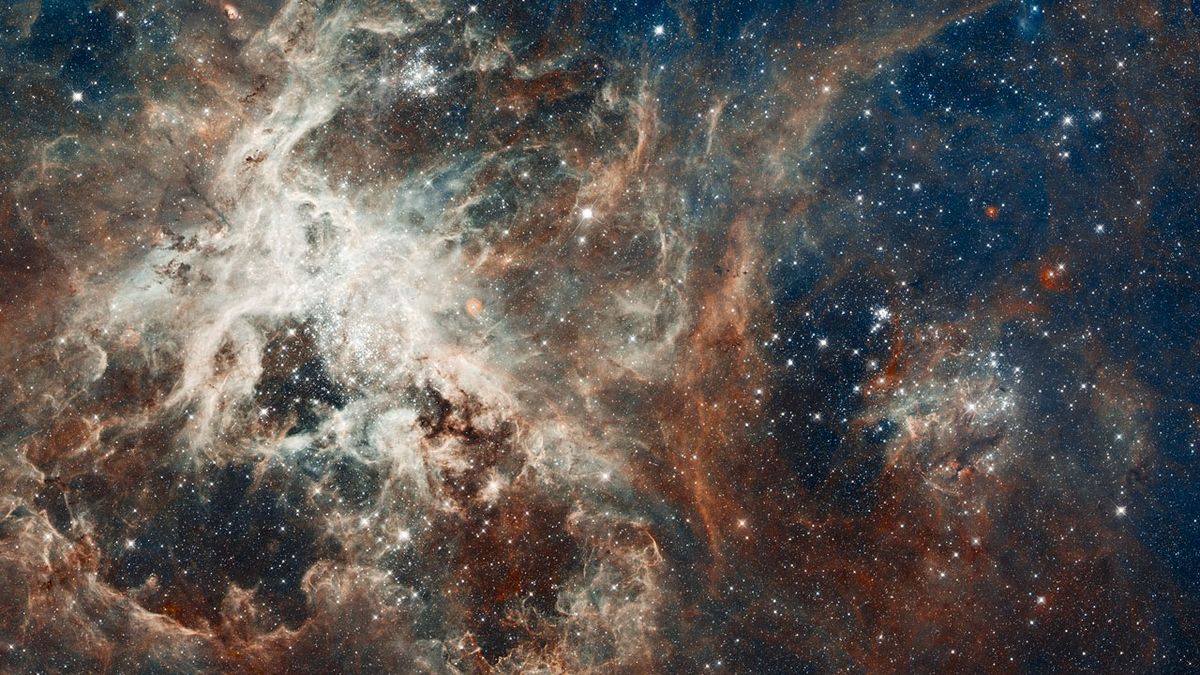
Scientists have discovered that some of the largest and most intense regions of star formation are found in the smallest of galaxies, known as dwarf galaxies. This is because stars in dwarf galaxies are more likely to turn into black holes rather than explode in supernovas, resulting in a delay in blowing away their star-forming material. This delay allows star-forming regions in dwarf galaxies to grow in size and intensity, producing more stars. The presence of metals in stars also plays a role in their evolution, with high-metallicity stars more likely to produce powerful supernovas. These findings provide insights into star formation in early galaxies and the conditions during the "Cosmic Dawn" period after the Big Bang.
Reading Insights
0
7
5 min
vs 6 min read
89%
1,061 → 117 words
Want the full story? Read the original article
Read on Space.com