The article explores various astronomical explanations for the 'Christmas Star,' including a bright comet from 5 BCE, a supernova observed in 4 BCE, and planetary conjunctions, but concludes that the true nature of the star remains uncertain, possibly a symbolic story rather than a real event.
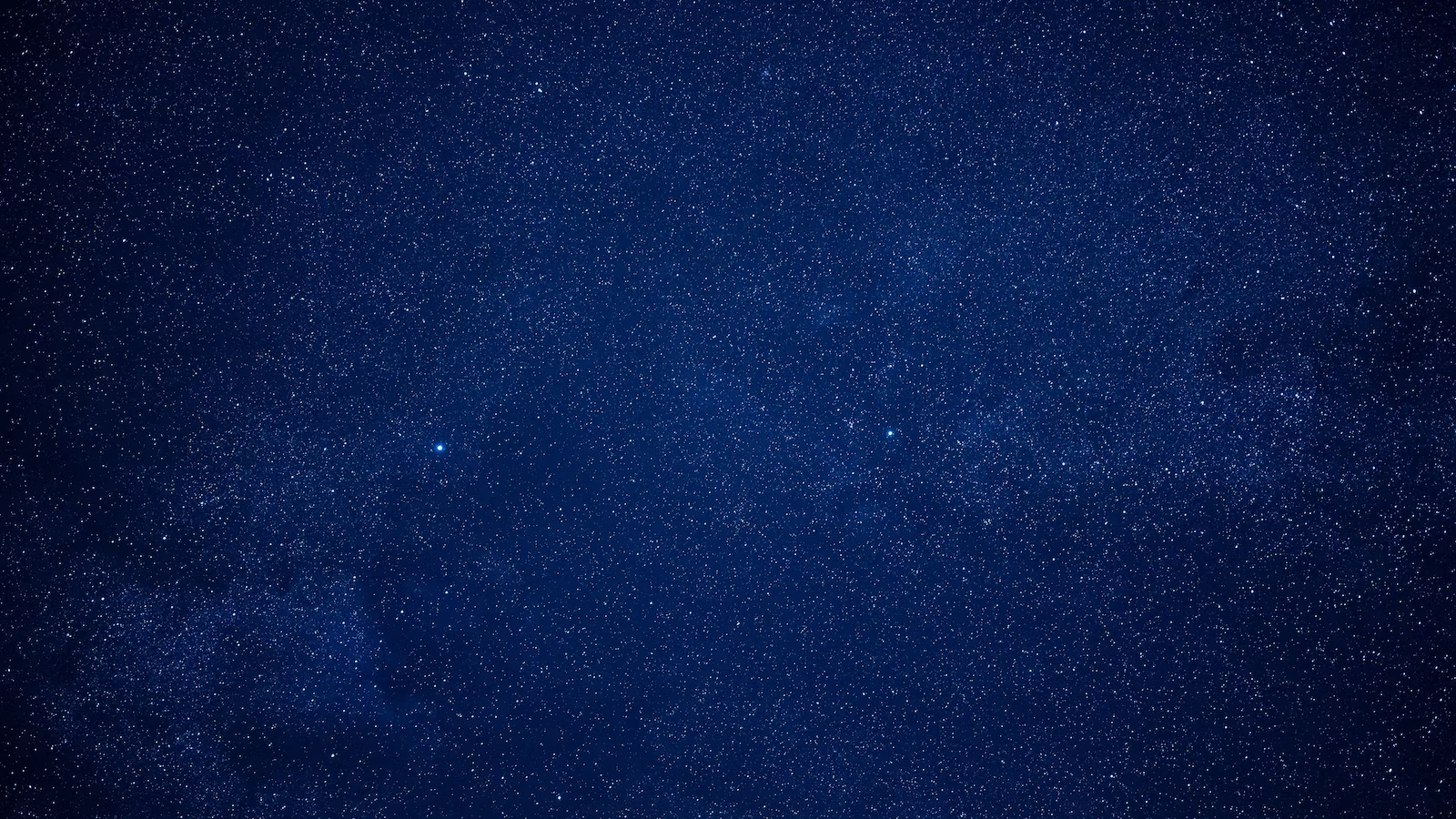
This weekend offers a unique stargazing opportunity with Venus shining brightly and Jupiter entering opposition, making it appear larger and brighter in the night sky. These celestial events coincide with the historical 'Christmas Star,' which may have been a conjunction of planets like Jupiter and Saturn or Jupiter and Venus. Observers can enjoy these sights with the naked eye, as Jupiter will be visible near sunset, adding to the spectacle alongside the crescent moon and potential Northern Lights displays.
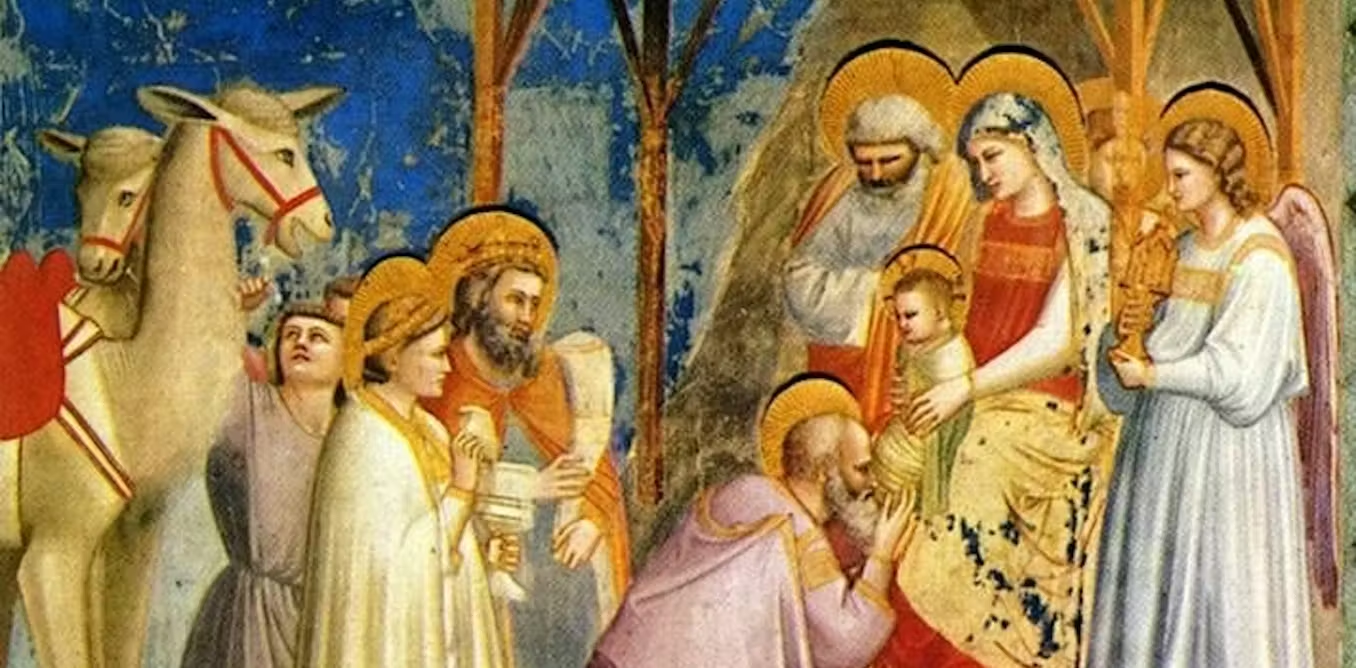
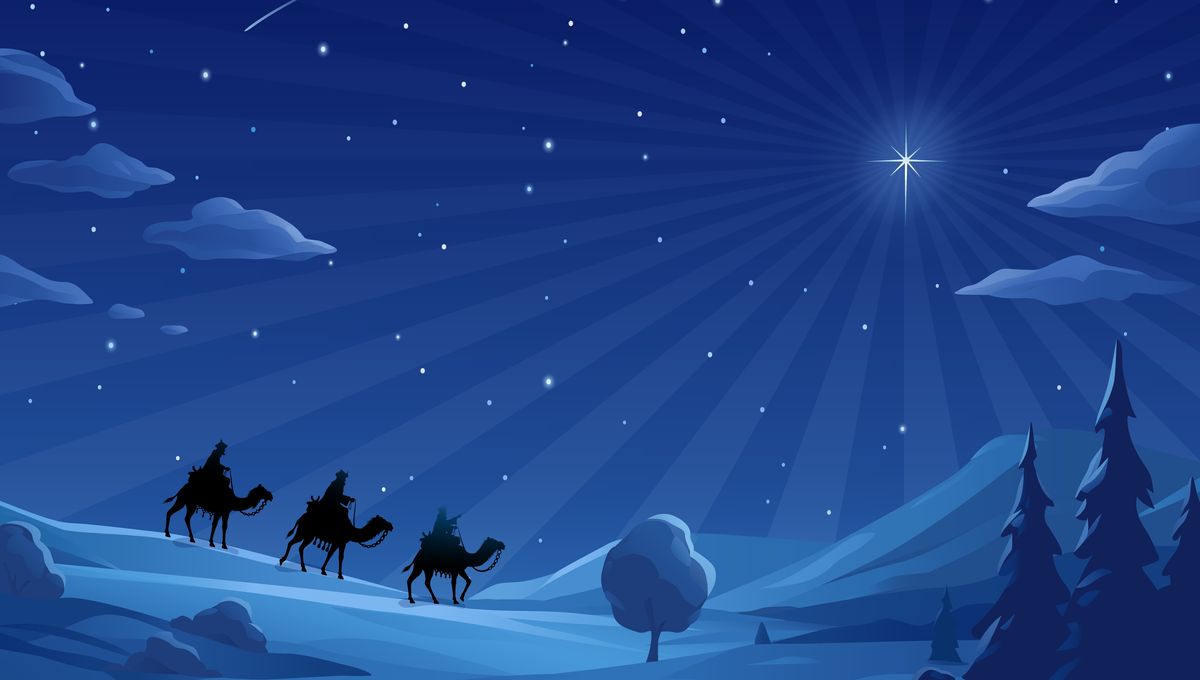
The existence of the Christmas Star, as described in the Bible, has long been debated by religious scholars and astronomers. While it is uncertain whether the event actually occurred, possible explanations include a supernova, comet, or planetary alignment. If the star was real, it may have been a temporary brightening of a white dwarf known as a nova. Alternatively, it could have been a celestial configuration such as a planetary conjunction or appulse. However, most celestial events are not suitable for providing direction, making it unlikely that the star served as a literal guide. Some scholars believe the wise men were astrologers who interpreted the star as a sign of the birth of a new king.