Tag

Sunspot

All articles tagged with #sunspot

Giant Sunspot AR4366 Turns Toward Earth — See It Safely
stargazing29 days ago

Giant Sunspot AR4366 Turns Toward Earth — See It Safely

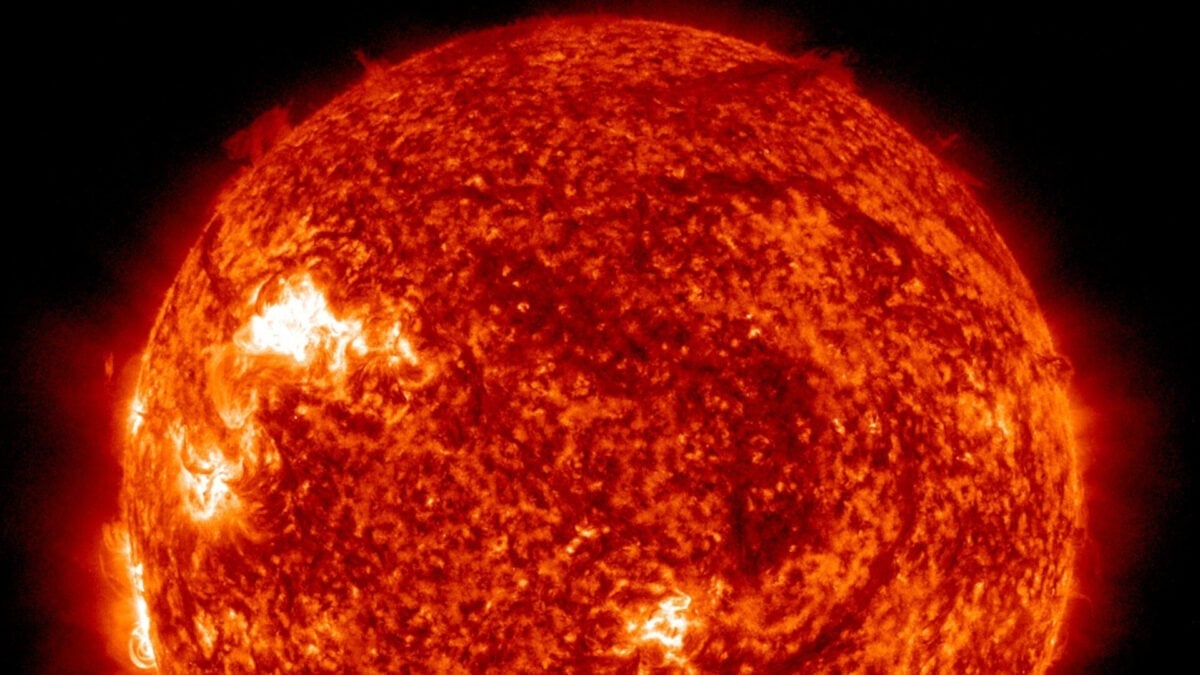
Astronomers report sunspot AR4366, about 15 times the width of Earth, is facing our planet and has already produced multiple strong M- and X-class solar flares that can disrupt radio signals. The piece explains how to view the sunspot safely with proper solar eclipse glasses or filtered optics, noting AR4366 will remain visible for several days and could spawn more flares and geomagnetic activity.
Massive Solar Flare Triggers Global Radio Blackouts
science8 months ago

Massive Solar Flare Triggers Global Radio Blackouts

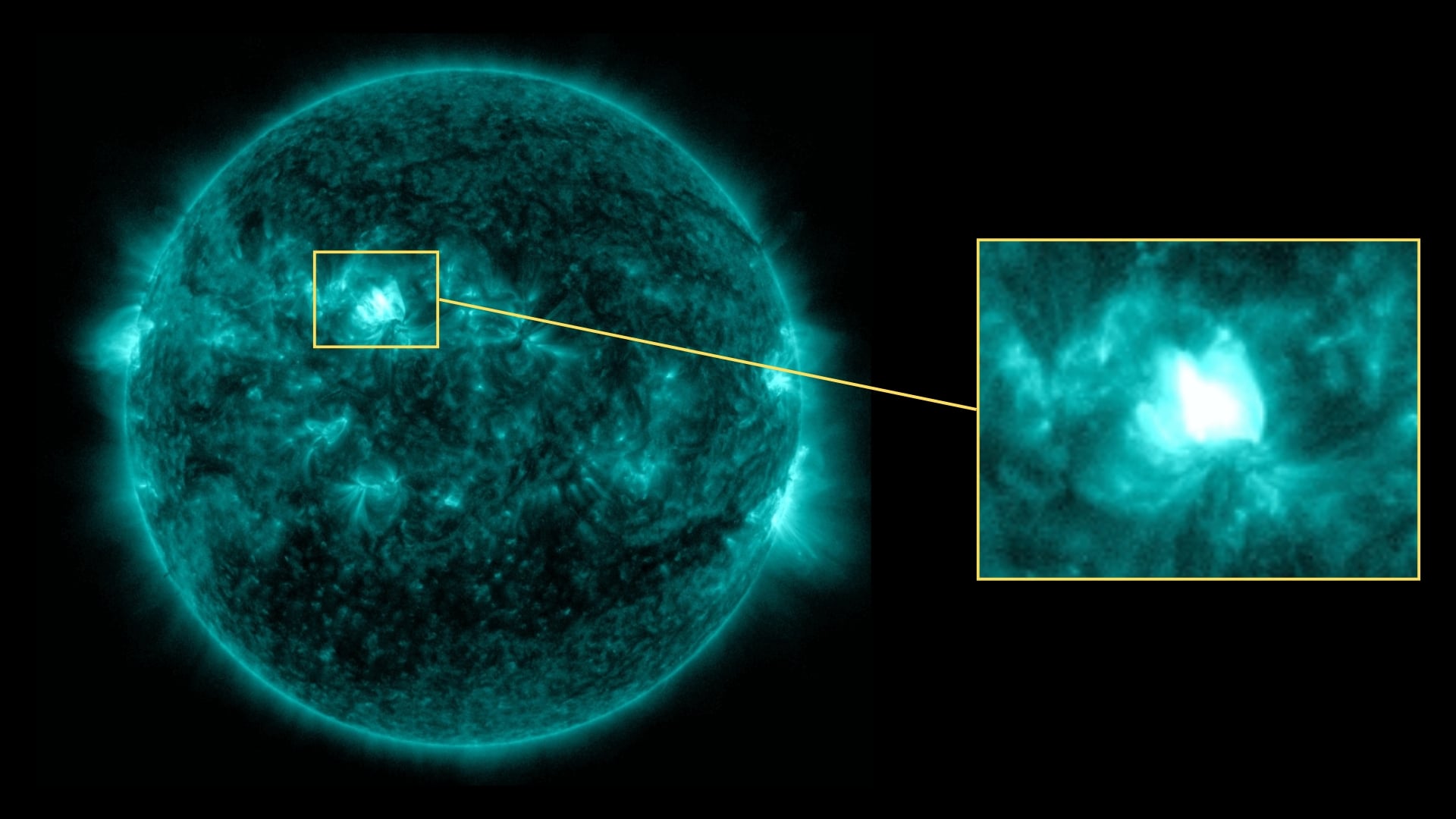
A large, unstable sunspot (region 4114) facing Earth has emitted its strongest flare yet, an X.12 class solar flare, causing radio blackouts and disruptions, with more eruptions expected as the Sun is in its solar maximum phase. The flare was electromagnetic, not accompanied by a coronal mass ejection, and the region is predicted to remain active until it rotates out of view.

Massive Solar Flares Cause Radio Blackouts Across the US
science1 year ago

Massive Solar Flares Cause Radio Blackouts Across the US

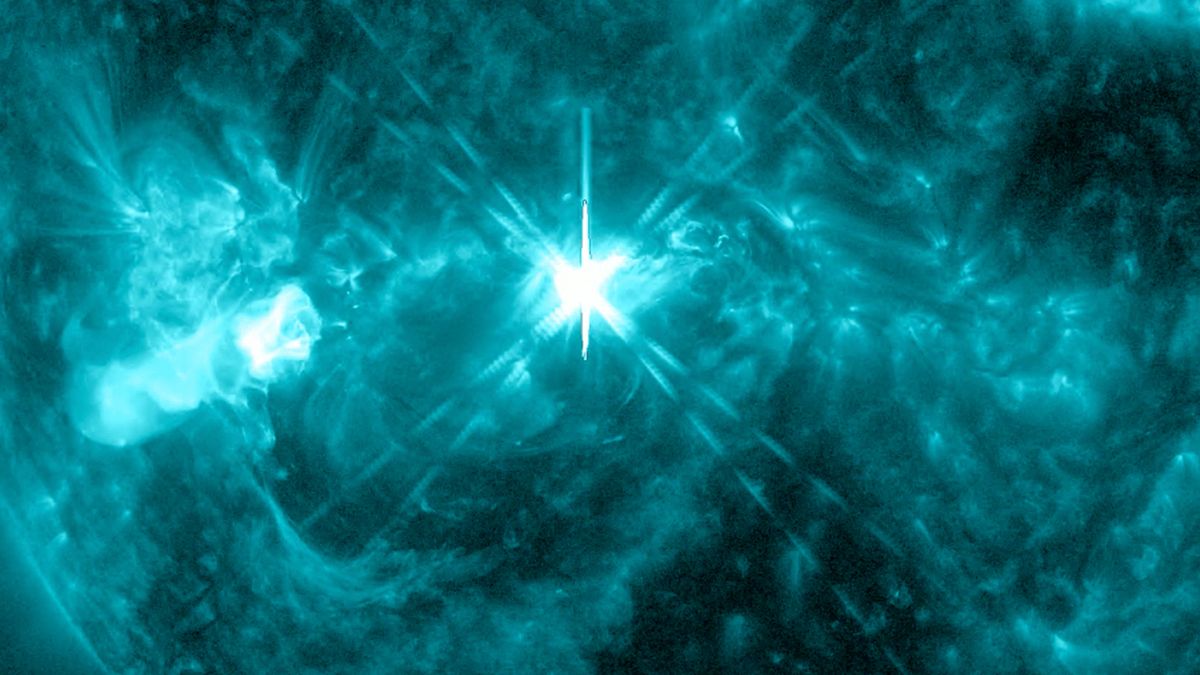
A powerful X2.3-class solar flare erupted from sunspot region AR 3883 on November 6, 2024, causing radio blackouts over parts of the Atlantic Ocean, South America, and Africa. Scientists are awaiting data to determine if a coronal mass ejection (CME) will impact Earth, potentially causing geomagnetic storms and auroras. The flare was classified as R3-Strong on the Space Weather Scale, indicating significant radio disruption. More solar flares are expected, with potential impacts ranging from minor to strong.

"Sun Unleashes Second X-Class Flare, Causing More Radio Blackouts"
space-news1 year ago

"Sun Unleashes Second X-Class Flare, Causing More Radio Blackouts"

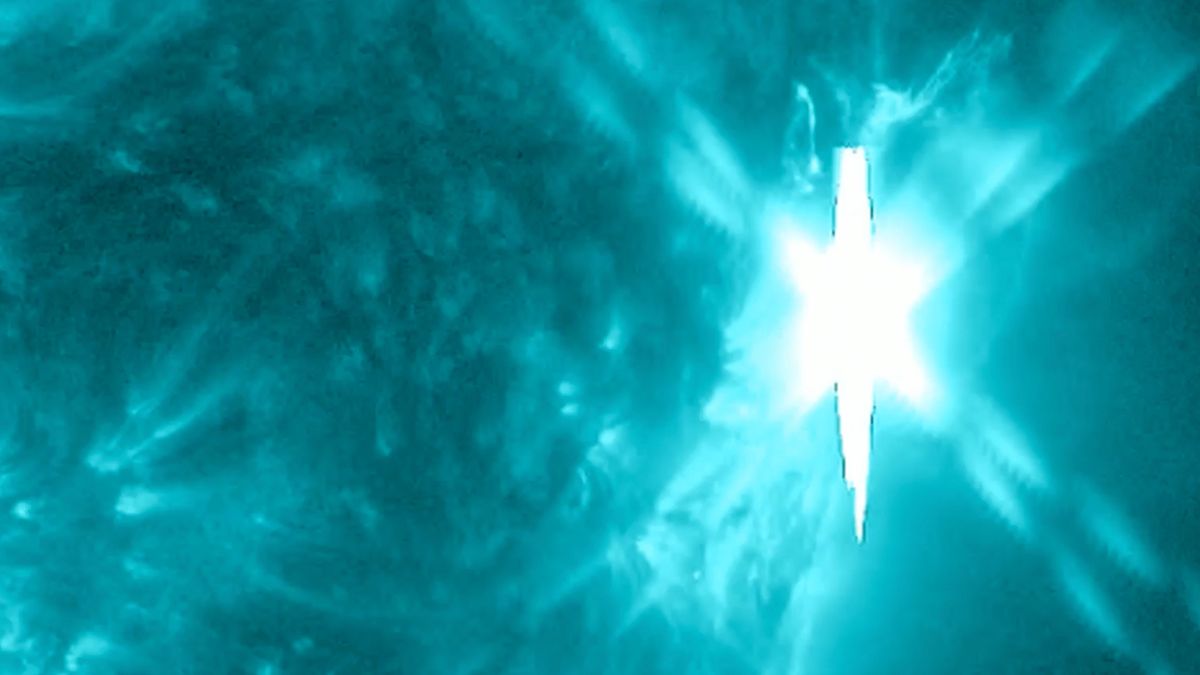
The sun has emitted its second powerful X-class solar flare this week from sunspot AR3738, causing shortwave radio blackouts over the Atlantic Ocean, Africa, Europe, and parts of the Americas. The flare, which occurred on July 16, 2024, may have also triggered a coronal mass ejection, though it is not expected to impact Earth directly. The sunspot is nearing a "danger zone" that could potentially send more charged particles toward Earth.

"Active Sunspot Threatens Earth's Satellites"
science1 year ago

"Active Sunspot Threatens Earth's Satellites"

A massive sunspot named AR3738 is moving into a position where it could send a proton storm toward Earth, potentially damaging satellites and disrupting communications. The sunspot's volatile magnetic field could release solar flares or coronal mass ejections, posing risks to astronauts and high-altitude flights. If the sunspot doesn't explode soon, Earth will avoid these dangers.

"Stunning Northern Lights Expected This Week Amid Increased Solar Activity"
space1 year ago

"Stunning Northern Lights Expected This Week Amid Increased Solar Activity"

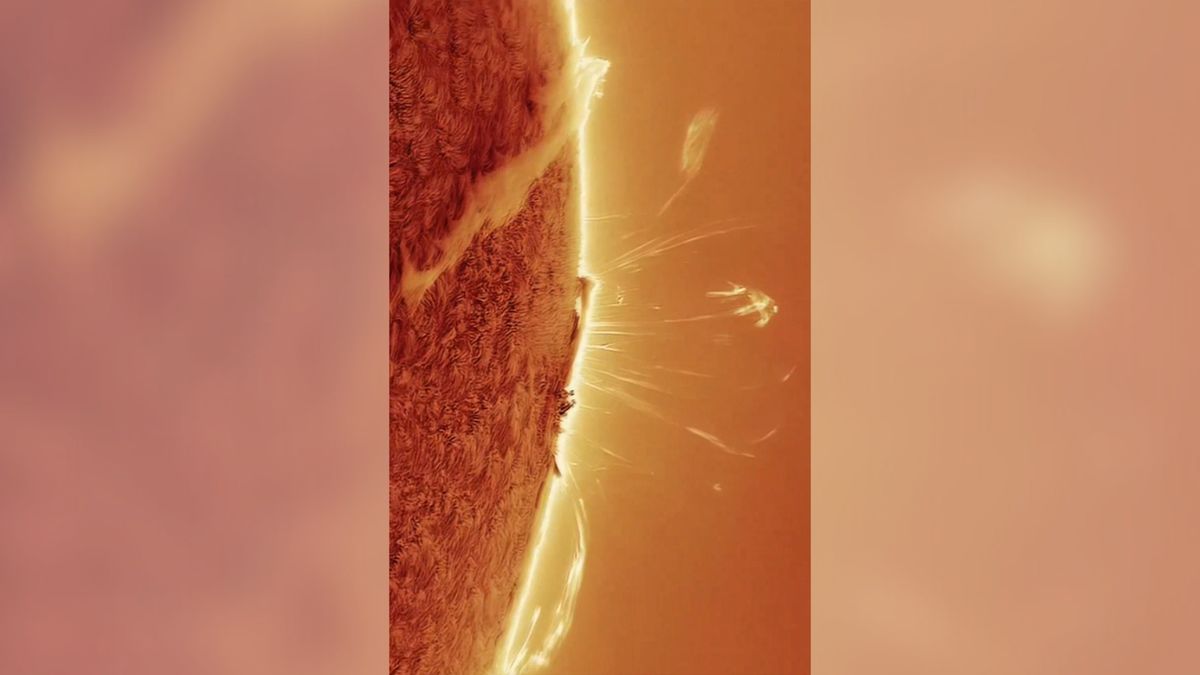
Astrophotographer Andrew McCarthy captured detailed images and timelapses of sunspot region AR3697, which recently caused significant auroras on Earth. His observations from Arizona reveal the dynamic nature of the sunspot, including plasma loops and solar flares. As AR3697 rotates to face Earth again, it may trigger more geomagnetic storms and auroras. McCarthy shares his work on social media, showcasing the intricate process behind his stunning solar images.

Sun Unleashes Intense X-Class Solar Flares, Northern Lights Expected
space-news1 year ago

Sun Unleashes Intense X-Class Solar Flares, Northern Lights Expected

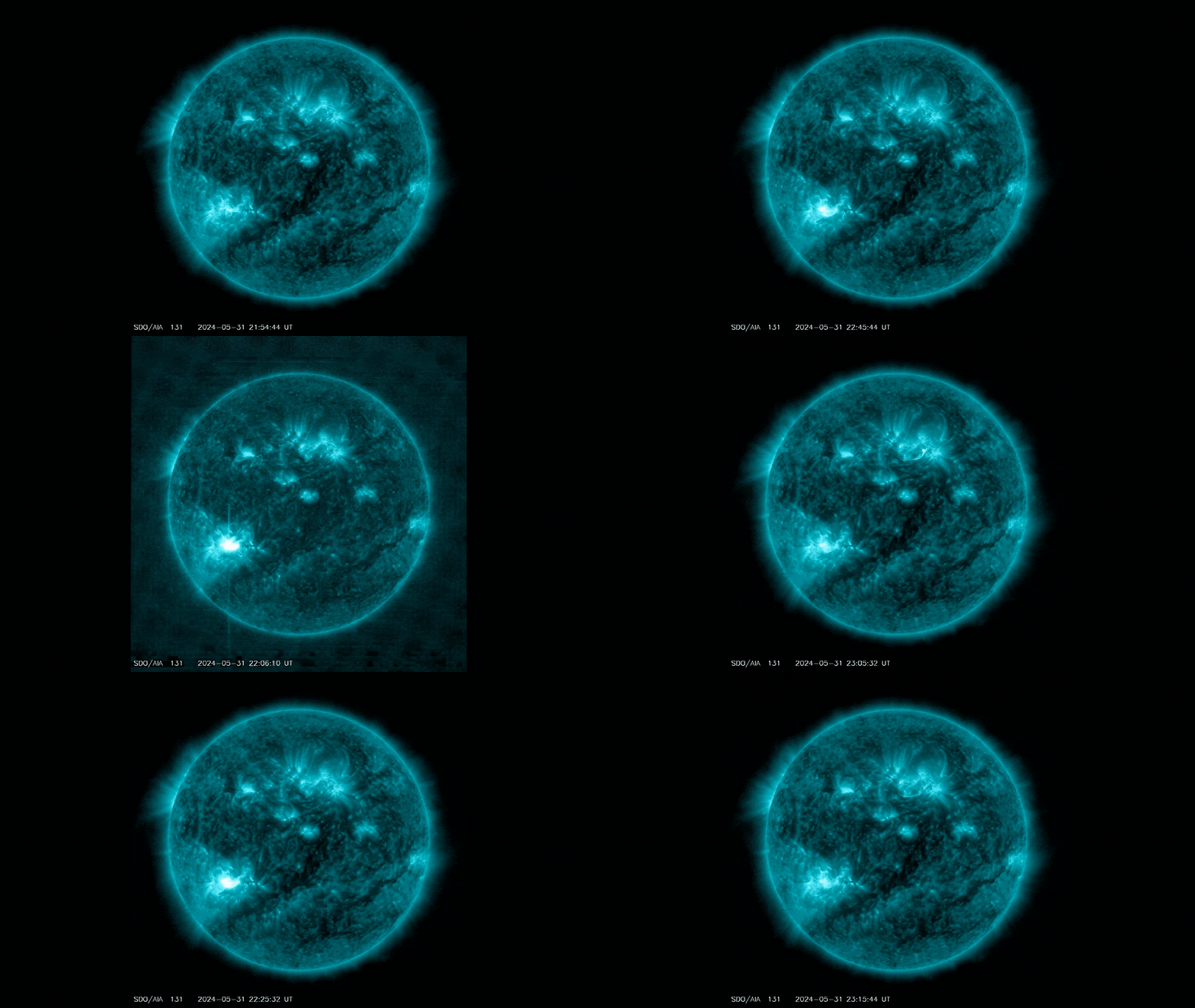
The hyperactive sunspot region AR3664 has unleashed two powerful X-class solar flares within 12 hours, causing radio blackouts across parts of the Earth. These flares, categorized as X1.18 and X1.43, resulted from magnetic reconnection in the sunspot's complex core. The flares impacted the Western U.S., Pacific, Europe, Africa, and Asia, disrupting shortwave radio communications.

"June Brings Rare Northern Lights Due to Solar Storms"
science-and-environment1 year ago

"June Brings Rare Northern Lights Due to Solar Storms"

A coronal mass ejection from a massive sunspot cluster could make the northern lights visible over parts of New England on Friday night. Although the geomagnetic storm is weaker than the one earlier this month, it may still allow for aurora sightings in some northern and upper Midwest states. Massachusetts skies are expected to be clear, but the aurora's visibility is uncertain. However, the sunspot can be seen as a dark dot on the sun using solar eclipse glasses.