X Flare Erupts from Active Region 4274
Active Region 4274 produced an X1.2 solar flare, following an earlier X1.7 flare, with ongoing potential for more flares and radio disruptions, impacting HF radio and navigation signals.

All articles tagged with #radio blackouts
Active Region 4274 produced an X1.2 solar flare, following an earlier X1.7 flare, with ongoing potential for more flares and radio disruptions, impacting HF radio and navigation signals.
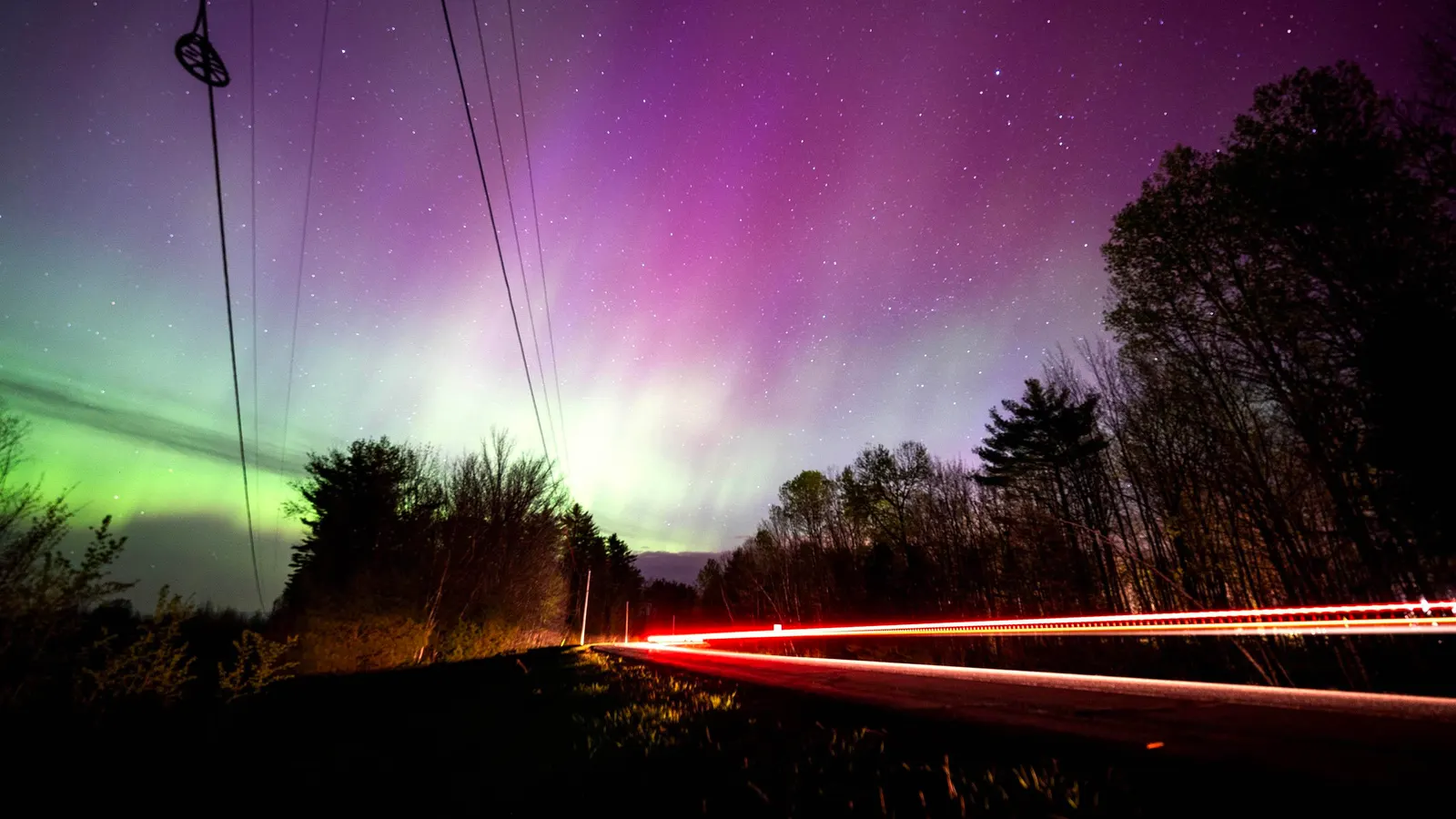
The northern lights may be visible in parts of the northern U.S., including North Dakota, Minnesota, and Michigan, on Friday night due to solar radiation, according to NOAA. A Kp index of three is forecast, indicating the auroras will be visible further south than usual. Minor solar radiation storms could disrupt radio frequencies, and weaker auroral activity is expected over the weekend. The best viewing time is between 10 p.m. and 2 a.m. in areas away from light pollution.
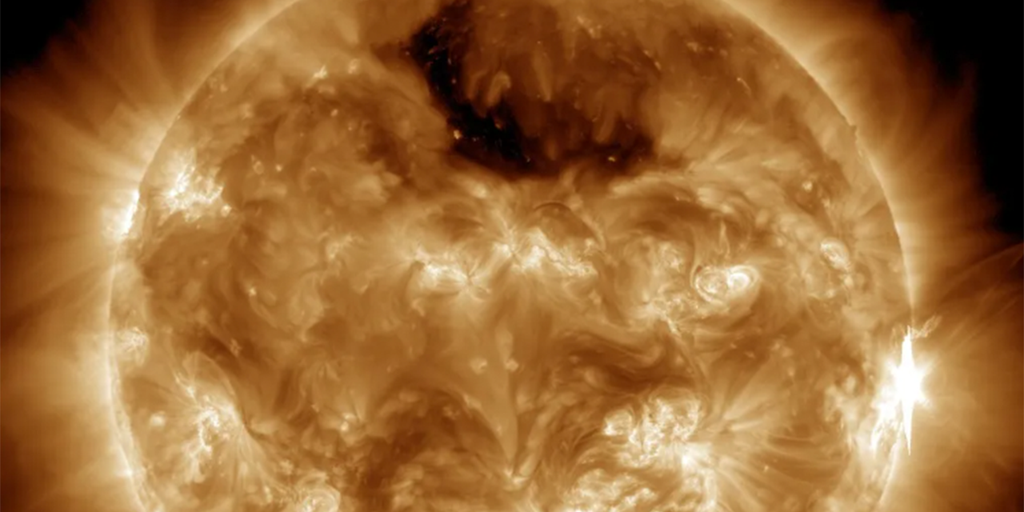
Multiple sunspot regions on the Sun are currently active, producing strong solar flares that have caused radio blackouts on Earth. NOAA's space weather forecasters are monitoring these regions closely as the Sun approaches its Solar Maximum. The new GOES-19 satellite, set to be operational by spring 2025, will enhance solar storm forecasting capabilities.
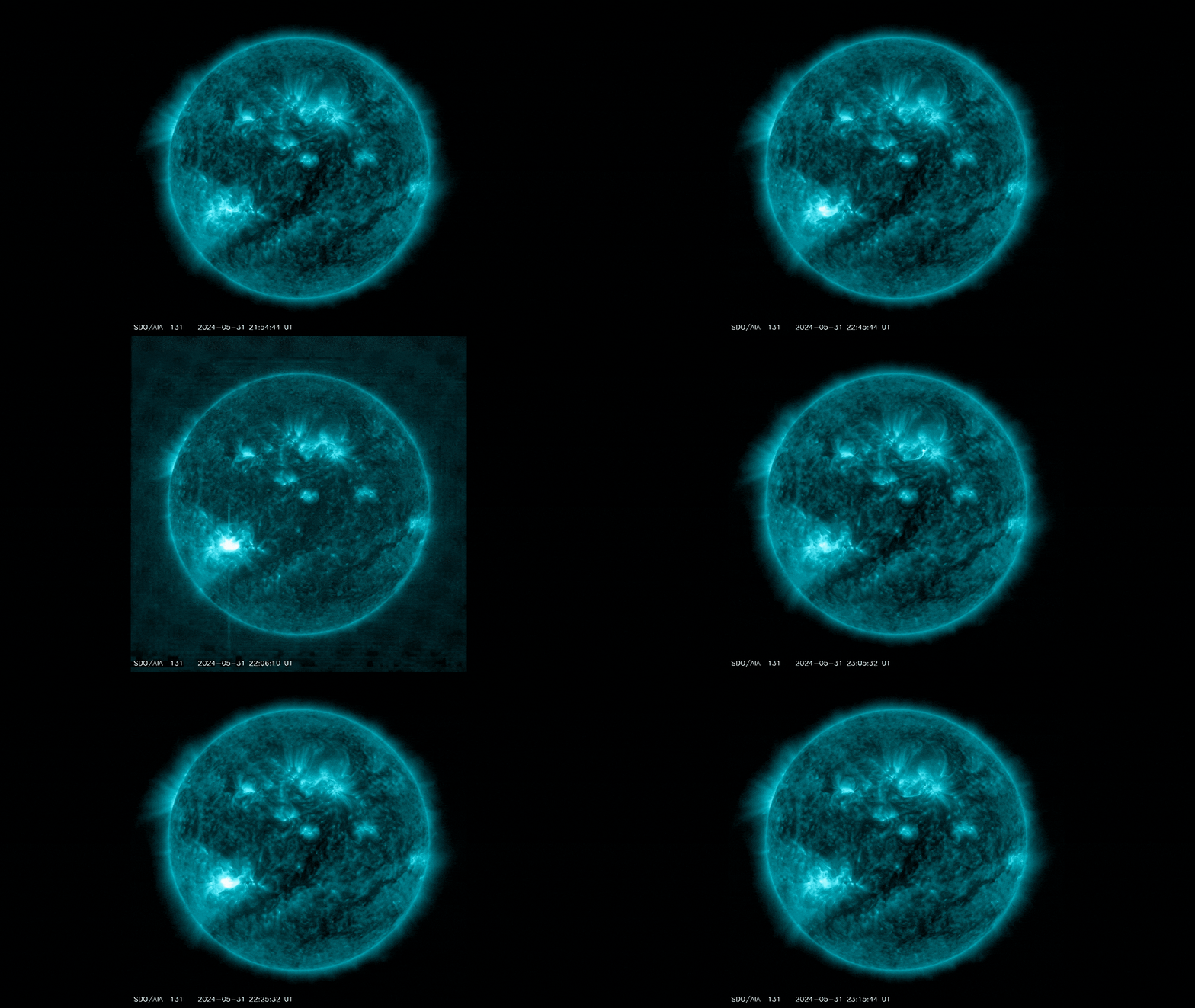
The hyperactive sunspot region AR3664 has unleashed two powerful X-class solar flares within 12 hours, causing radio blackouts across parts of the Earth. These flares, categorized as X1.18 and X1.43, resulted from magnetic reconnection in the sunspot's complex core. The flares impacted the Western U.S., Pacific, Europe, Africa, and Asia, disrupting shortwave radio communications.
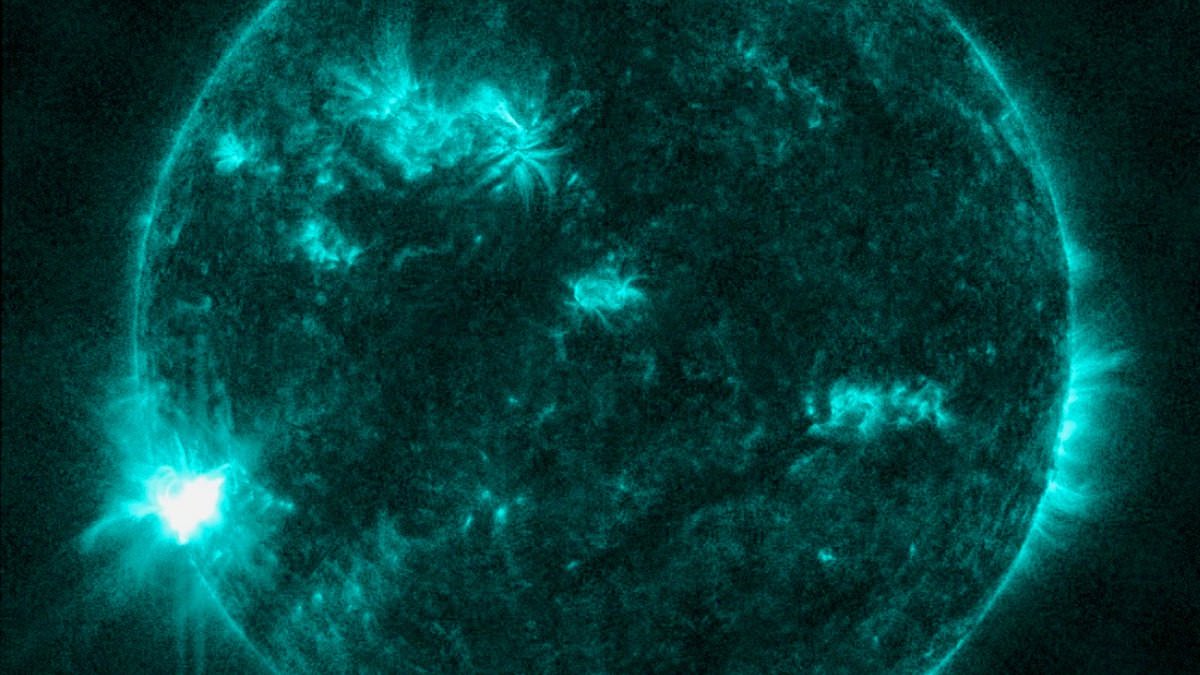
The US experienced radio blackouts due to a powerful solar storm, with NOAA reporting disruptions in the Midwest and eastern regions. The storm, caused by a sunspot, has impacted GPS, radar, and satellite communications. NOAA predicts a 60% chance of continued blackouts through the weekend, with potential for solar radiation storms and visible auroras in the northern hemisphere.
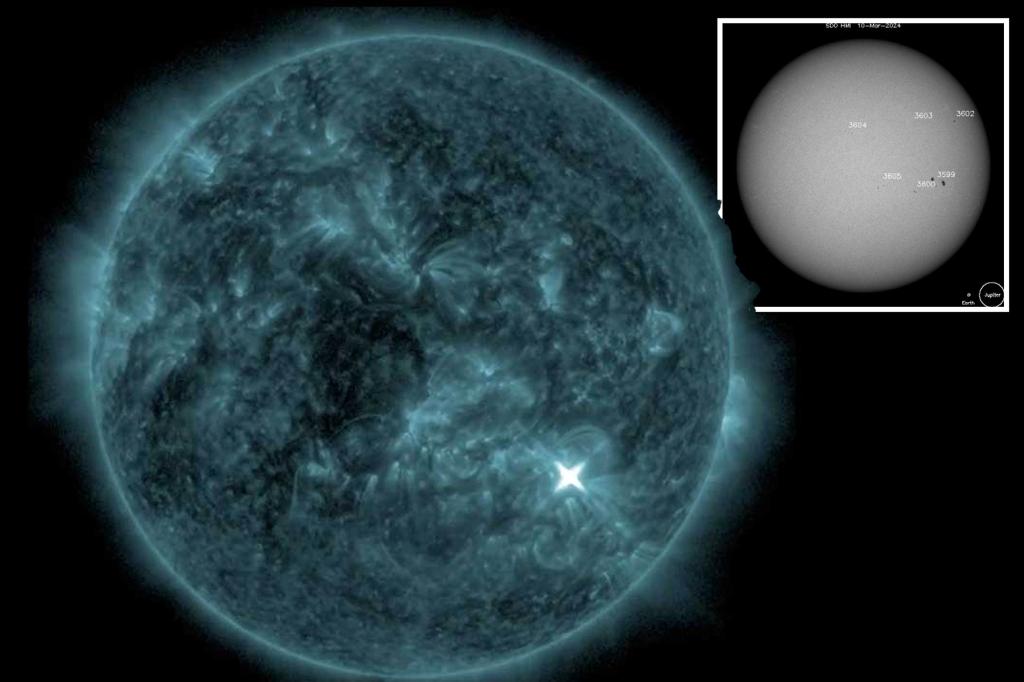
A strong M-Class solar flare erupted from the sun on Sunday, potentially causing limited radio blackouts in parts of North and South America. The flare, classified as an M7.4, was captured by NOAA's GOES East satellite and originated from Active Region 3599. While powerful solar flares can disrupt high-frequency radio communications and pose risks to space activities, the general public is not directly affected as the energetic particles do not reach low enough into Earth's atmosphere. NOAA's Space Weather Prediction Center is predicting moderate radio blackouts, lasting "tens of minutes," in affected regions.
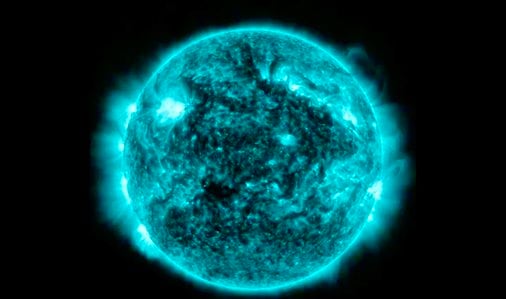
The sun recently emitted three powerful X-class solar flares within 24 hours, disrupting high-frequency radio communications on Earth and potentially causing radio blackouts over the Pacific and Indian oceans. While the first two flares did not release coronal mass ejections (CMEs), the impact of the third flare is still being assessed. Despite speculation, the solar flares are unlikely to have caused the recent AT&T cellular network outage. Skywatchers may miss out on northern lights displays due to the absence of CMEs, but there are still chances for more solar flares and CMEs as the active sunspot region continues to be active.
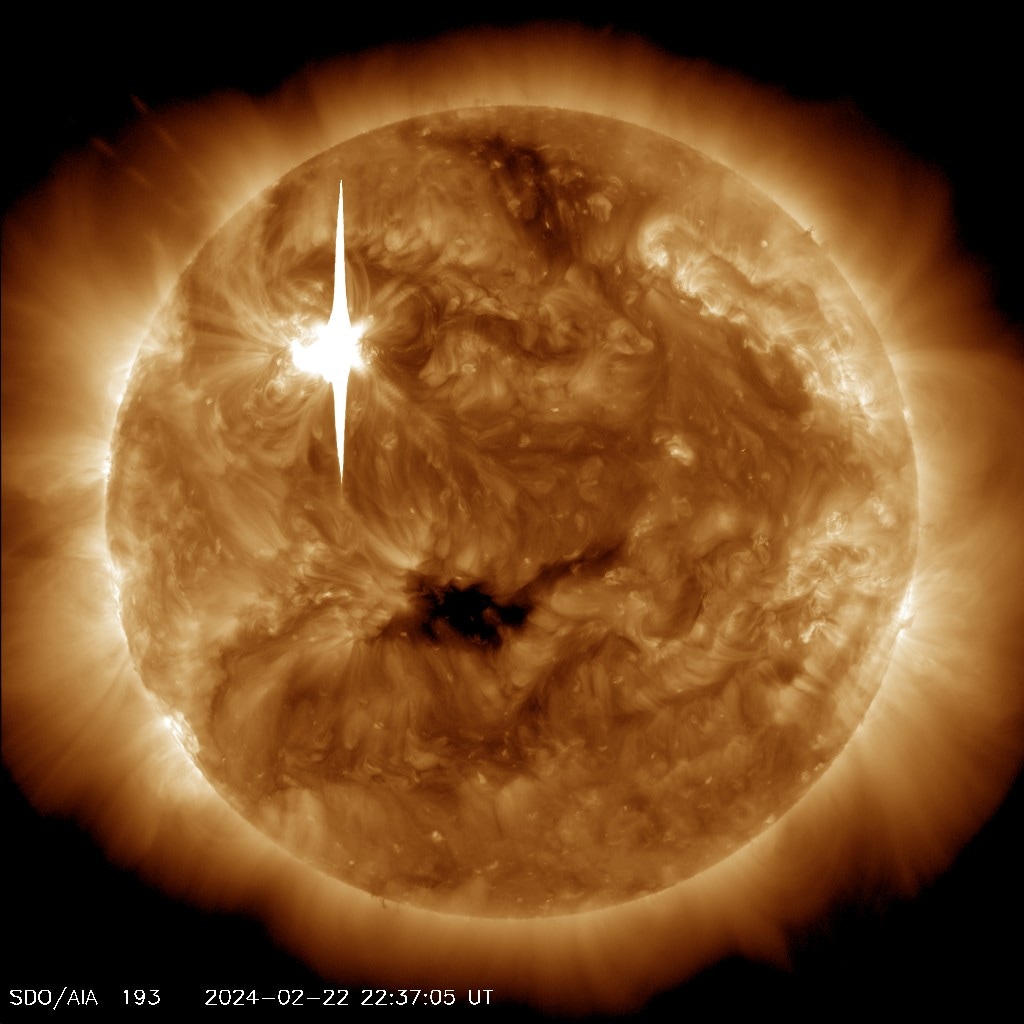
The sun has recently launched three powerful X-class solar flares, disrupting shortwave radio communications on Earth and potentially causing radio blackouts over the Pacific and Indian oceans. While the first two flares did not release a coronal mass ejection (CME), the impact of the third flare is still being determined. Speculation that the solar flares caused a widespread AT&T cellular network outage has been dismissed, as solar flares typically do not affect cellphone frequencies. Skywatchers may miss out on displays of the northern lights due to the lack of CMEs from the first two flares, but there are still possibilities for more X-class flares and CMEs in the days ahead.

A massive solar flare erupted from a sunspot, causing radio blackouts in Australia and Southeast Asia as the radiation ionized the upper atmosphere, disrupting shortwave radio communications. The flare also produced coronal mass ejections (CME), which can lead to geomagnetic storms and disruptions to Earth's technology and satellites. The event, which began on February 5th, highlights the potential impact of space weather on modern conveniences and communication systems.
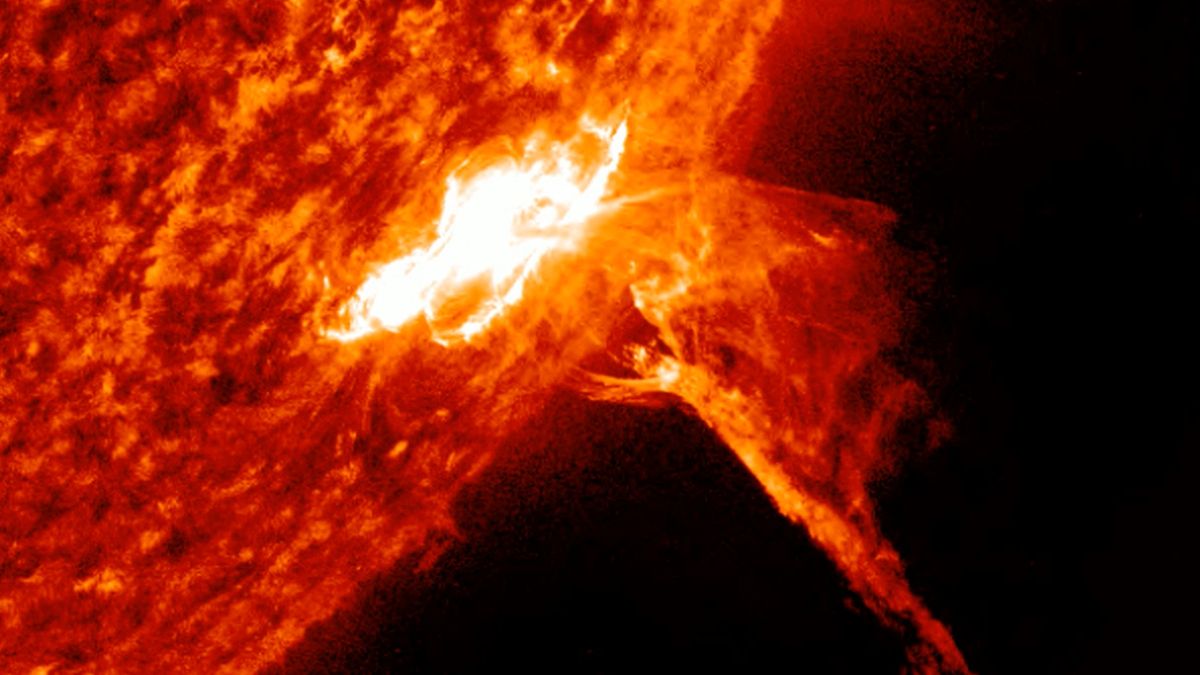
A powerful solar flare erupted from a giant unstable sunspot, triggering radio blackouts on Earth and firing a hot plasma plume through the sun's atmosphere at speeds of 900,000 mph. The eruption also released a coronal mass ejection, but it is unlikely to strike Earth. The flare caused extensive radio blackouts in the South Pacific due to the strong pulse of X-rays and extreme ultraviolet radiation. NASA captured stunning images and video of the solar flare, and more solar activity could be on the horizon as another unstable sunspot region comes into view.
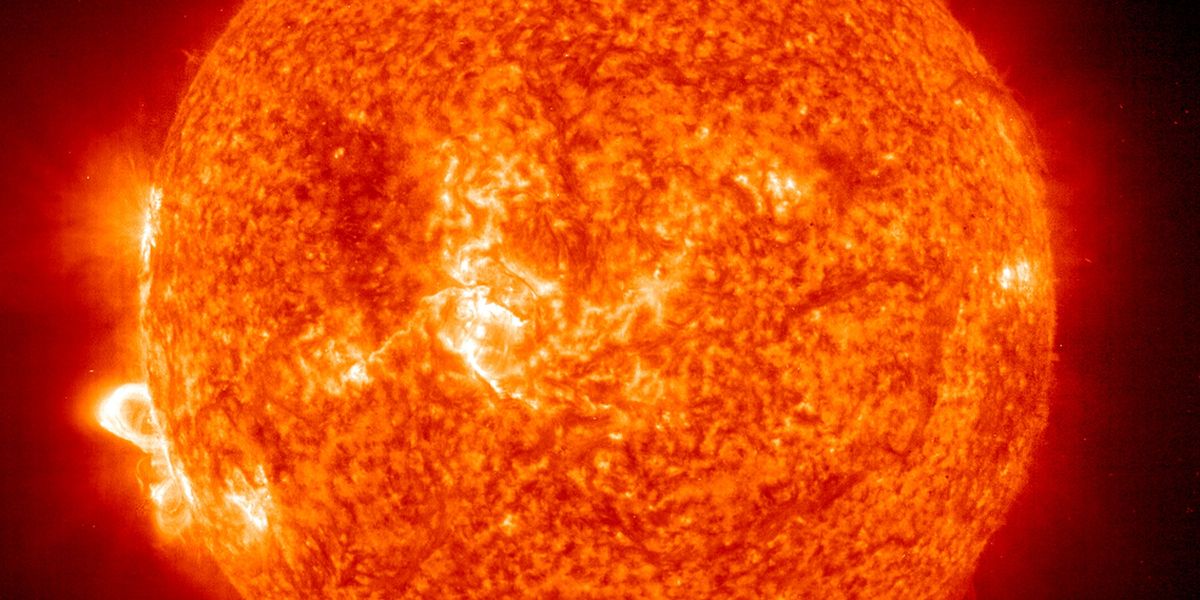
Two powerful solar storms are set to strike Earth this week, with a 75% chance of causing radio blackouts on Tuesday and Wednesday. The storms, released by two active sunspots, have the potential to disrupt communications and are the largest seen in weeks. The first storm, which hit on Monday, already disrupted radio communications over the Pacific Ocean, Fiji, and the northeast coast of Australia. The second storm is predicted to be a glancing blow to the south of Earth, potentially causing minor issues for high-frequency radio communications near the equator and South American regions.
Earth is set to experience two solar storms with a 75% chance of causing radio blackouts, following two powerful streams of energized particles released by the sun. The disturbances are expected to be felt south of the equator, with potential impacts on high-frequency radio and GPS signal reception. The solar storms are associated with two active sunspots, 3559 and 3561, and may result in minor disruptions to power grids and satellite operations.

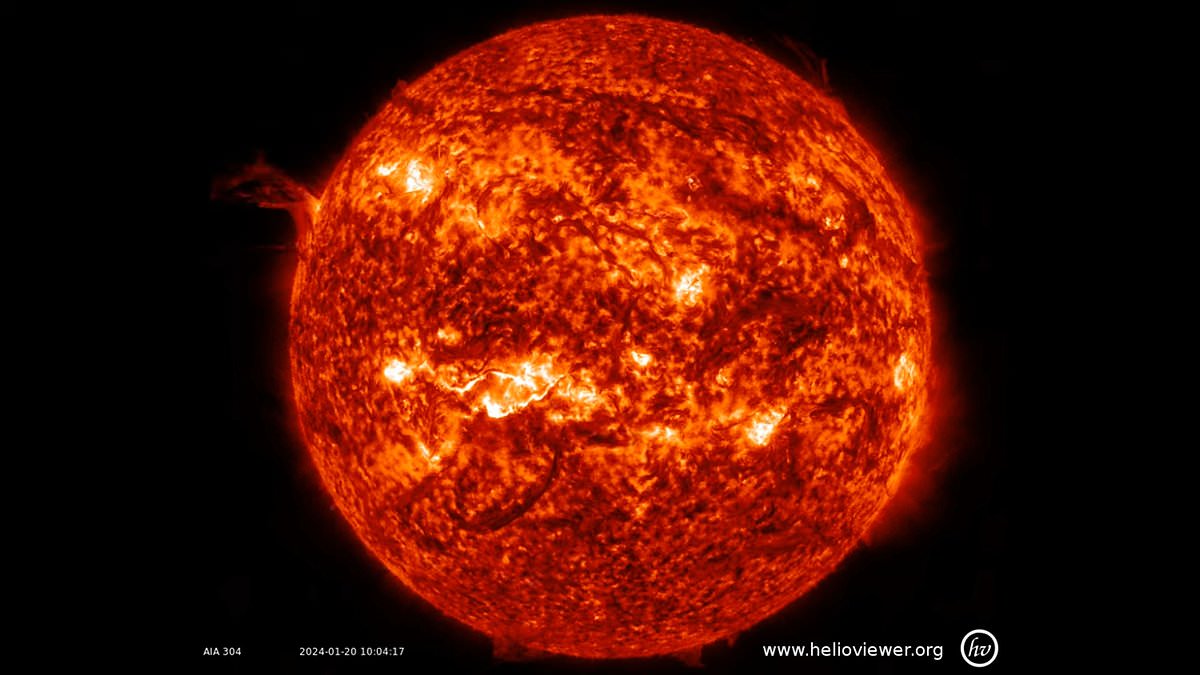
Earth is currently experiencing solar storms, leading to concerns about potential technological disruptions such as radio blackouts and grid impact, with a 60 percent chance of power grid disruption. Physicist Tamitha Skov highlighted the increasing risk of radio blackouts due to M-class flares, with a series of storms expected to hit through January 25. While these storms may affect radios, aviation communication, and satellite operations, they are not expected to be powerful enough to impact critical infrastructure. The solar storms are also expected to create stunning auroras visible as far south as Wyoming, South Dakota, Iowa, Wisconsin, Michigan, and New York.
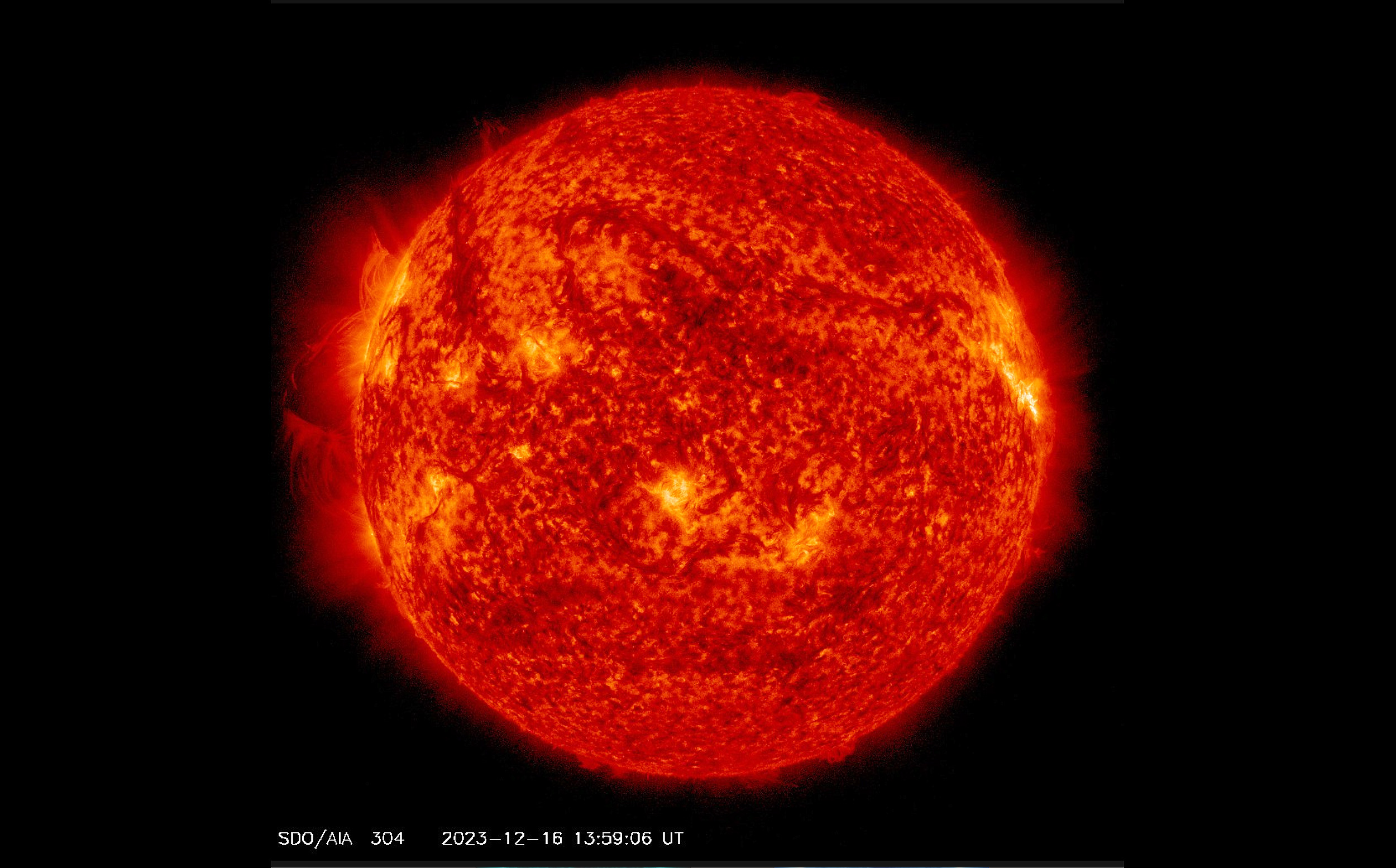
The sun unleashed its most powerful solar flare in over six years, causing widespread radio blackouts, interference with aircraft radio communications, and potential disruptions to power grids. The flare, classified as an X2.8, is one of the largest solar radio events ever recorded. Scientists are closely monitoring a potential Earth-directed coronal mass ejection (CME) associated with this event, which could lead to geomagnetic storms and the creation of auroras visible in the U.S. states. Preparedness for space weather events and ongoing research in solar physics are emphasized.
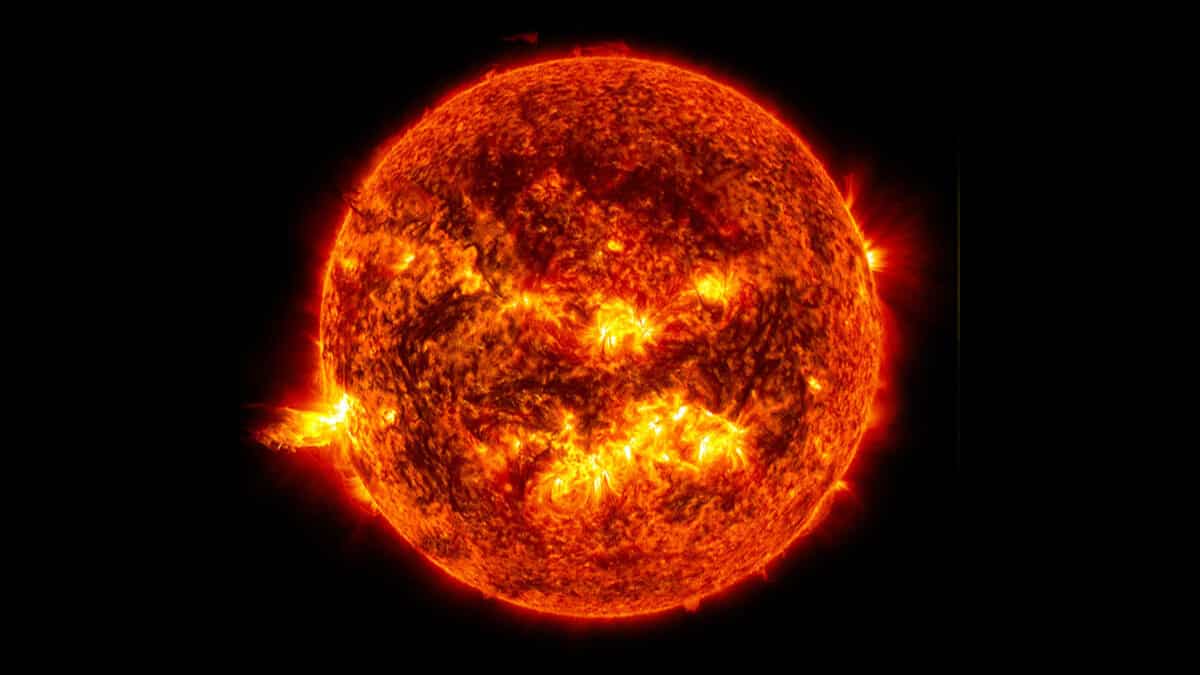
NASA has warned of a solar storm hitting Earth due to increased activity and fiery eruptions on the Sun. The surge in sunspots on the Sun's surface has led to the release of several coronal mass ejections (CMEs) daily. One of these CMEs is expected to hit Earth's magnetic field and atmosphere on November 25, causing geomagnetic storms and potential disruptions to infrastructure such as power grids and radio communications.