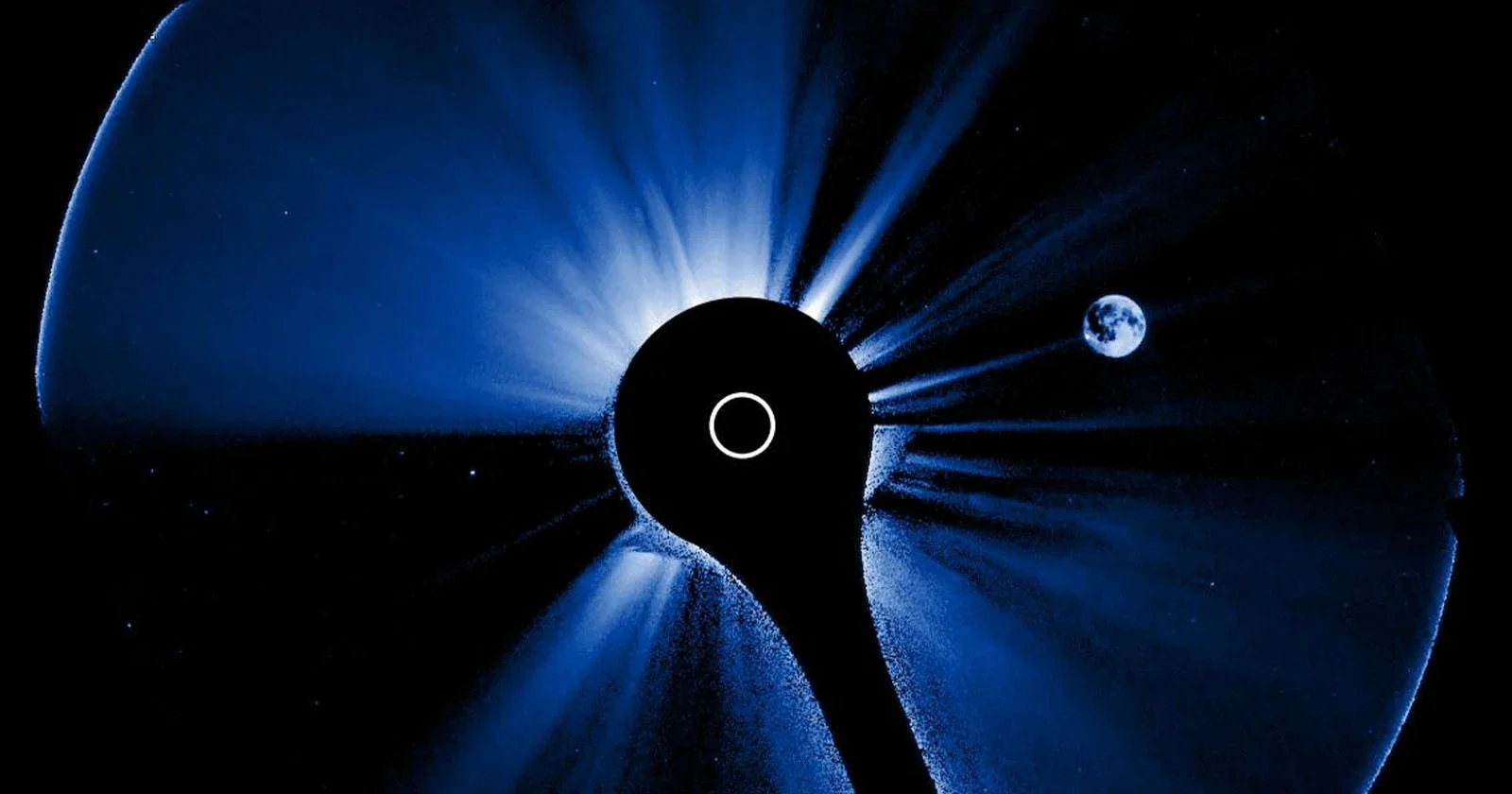
A NOAA coronagraph on the GOES-19 satellite captured a stunning image of the Moon crossing the Sun, illuminated by Earthshine, highlighting the intersection of space weather monitoring and beautiful astronomical phenomena.
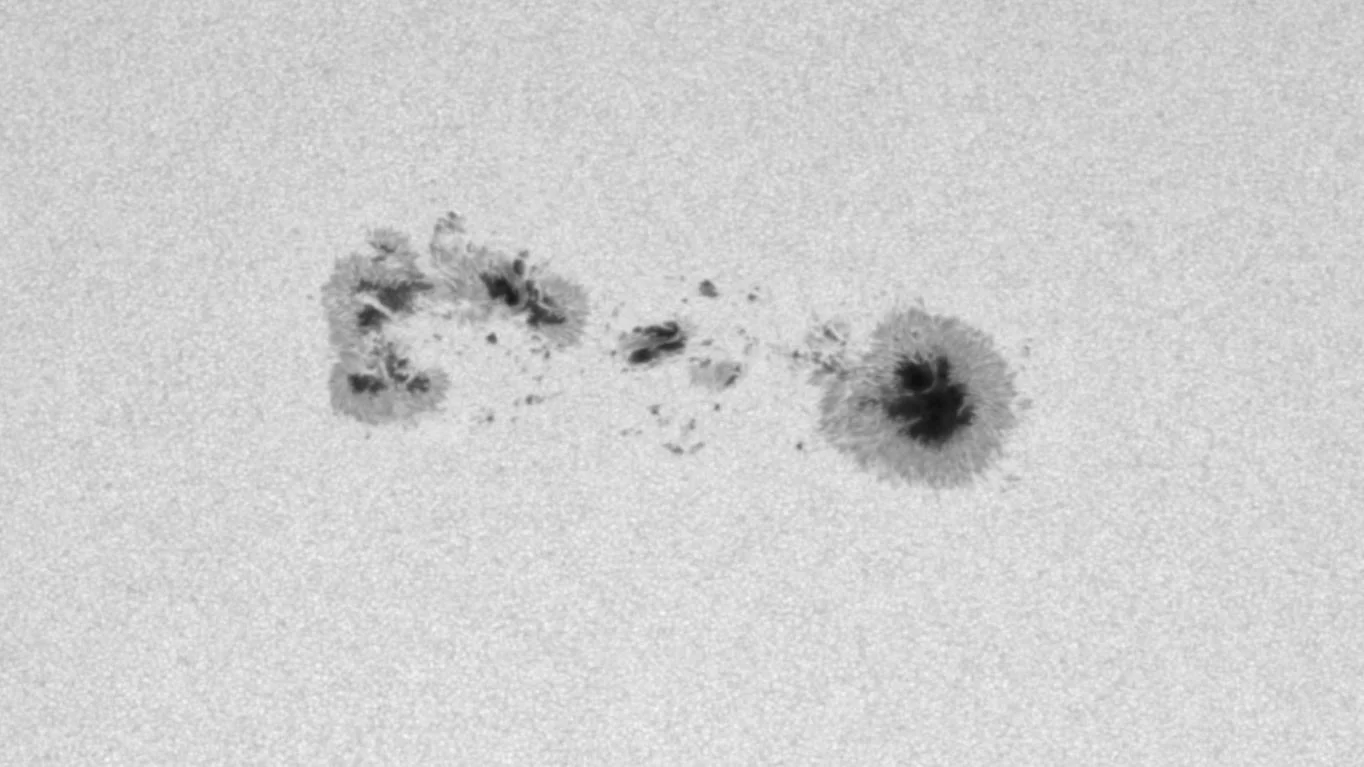
The ESA and NASA's Solar Orbiter has captured the most detailed images of the Sun's surface, revealing sunspots, granules, and magnetic fields with unprecedented clarity. These observations enhance understanding of the Sun's dynamic processes, including plasma flows and solar wind origins, which are crucial for predicting space weather that affects Earth. The mission highlights the capabilities of modern space exploration technologies in studying the Sun's complex mechanisms and their impact on the solar system.
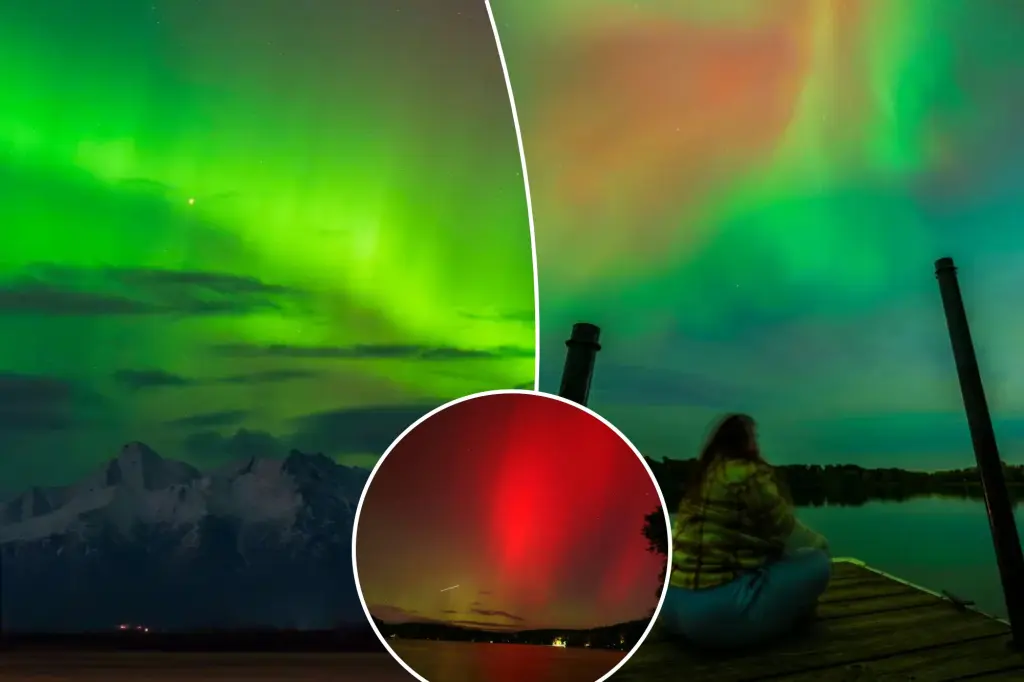
A geomagnetic storm is providing a rare opportunity for several U.S. states, including parts of New York, to witness the northern lights early this week. The National Oceanic and Atmospheric Administration has rated the storm as moderate, with the best viewing times between 10 p.m. and 2 a.m. on Monday and Tuesday. While cloud cover may obstruct views in some areas, states like Alaska, North Dakota, and Minnesota are in prime positions for sightings. The aurora borealis could extend into the northernmost parts of New York by Tuesday night.
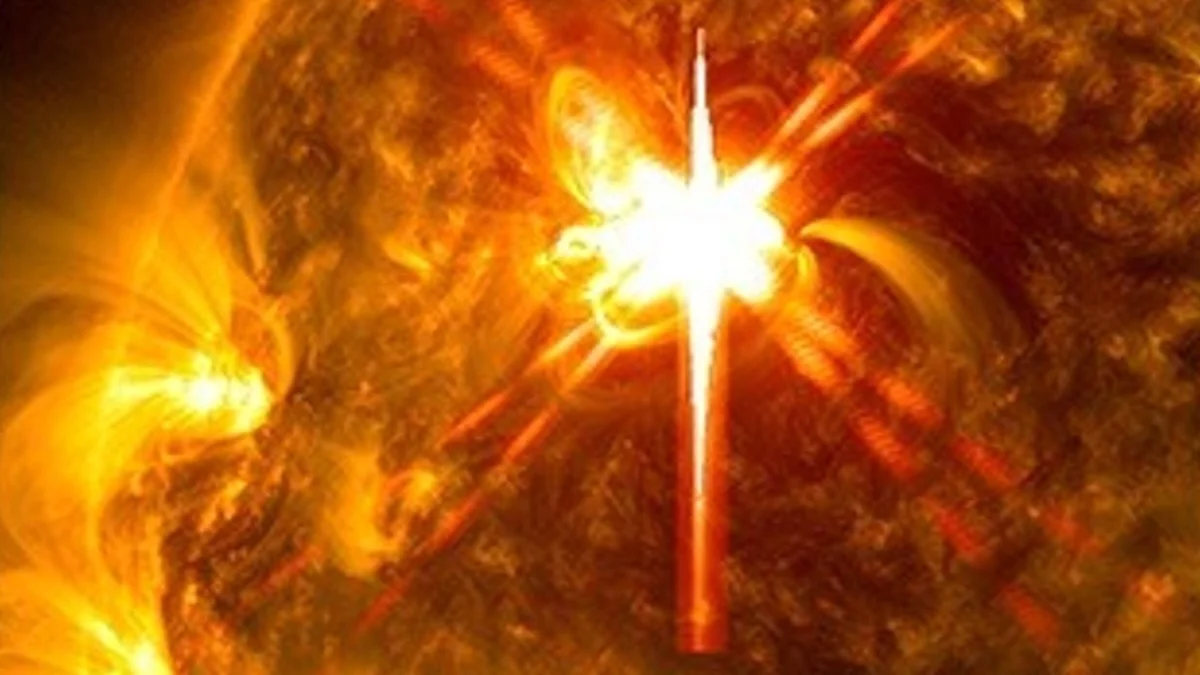
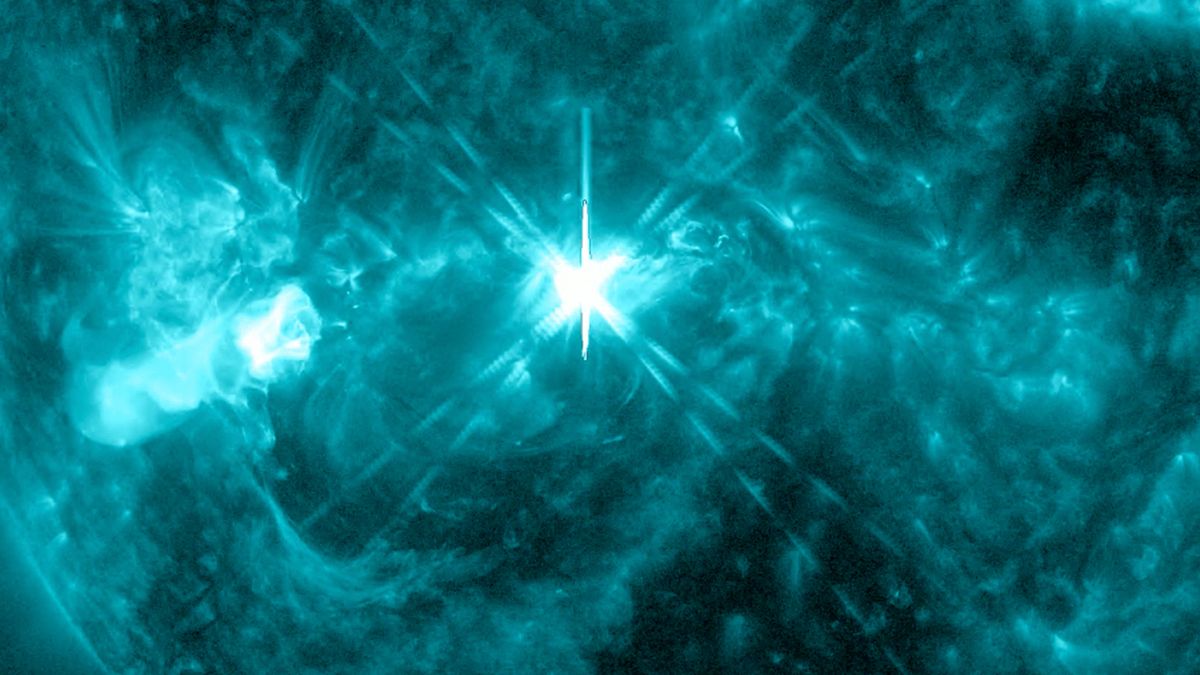
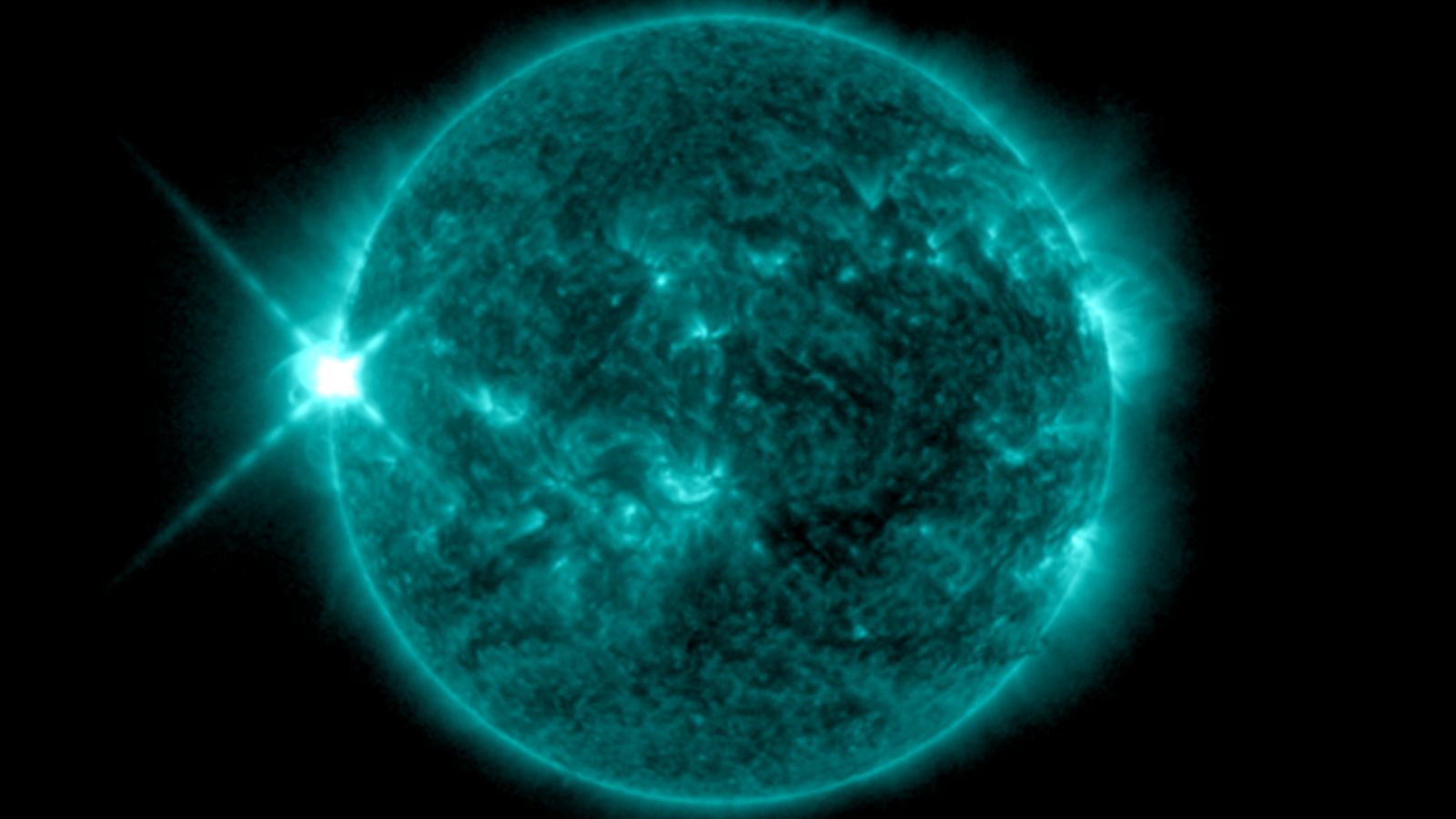
A powerful X2.3-class solar flare erupted from sunspot region AR 3883 on November 6, 2024, causing radio blackouts over parts of the Atlantic Ocean, South America, and Africa. Scientists are awaiting data to determine if a coronal mass ejection (CME) will impact Earth, potentially causing geomagnetic storms and auroras. The flare was classified as R3-Strong on the Space Weather Scale, indicating significant radio disruption. More solar flares are expected, with potential impacts ranging from minor to strong.
NOAA's GOES satellites detected a severe solar storm on March 23–24, 2024, including a powerful X-class solar flare and a coronal mass ejection (CME) that triggered a G4-class geomagnetic storm, the most potent since 2017. Geomagnetic storms can disrupt power grids, radio signals, communications systems, and affect satellite operations and GPS navigation. NOAA's Space Weather Prediction Center issued alerts and warnings, and the agency's satellites monitor solar activity to provide forecasts and predictions. The upcoming Solar Cycle 25 is expected to peak between January and October of 2024, with increased solar activity, and NOAA's newest satellite, GOES-U, will carry a new instrument to study the solar corona.
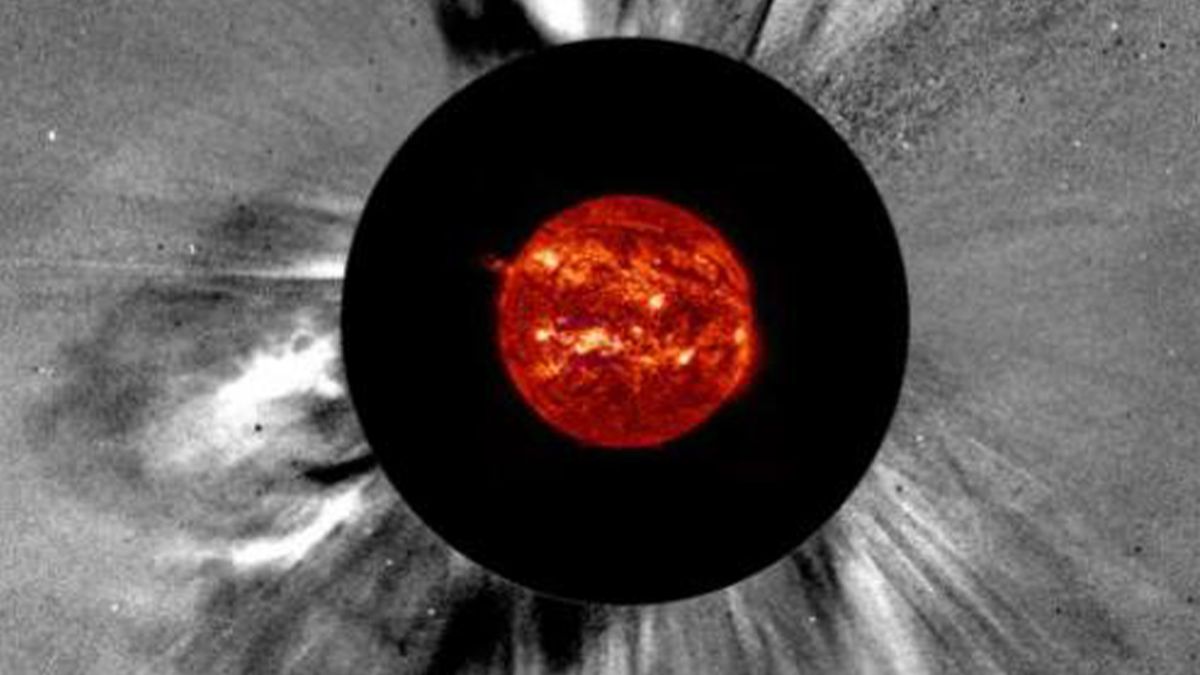
A solar eruption has launched a blob of plasma toward Earth, expected to trigger a geomagnetic storm and stunning aurora displays across the northern and Midwest U.S. today and tomorrow. The storm is expected to be a G2 category, with auroras likely to be seen in Alaska and Canada, but states like Vermont, Minnesota, and Wisconsin also have a chance of spotting the auroras. This event comes as the sun is rapidly approaching the peak of its current cycle, Solar Cycle 25, which could fuel strong space weather events triggering radio and satellite blackouts.
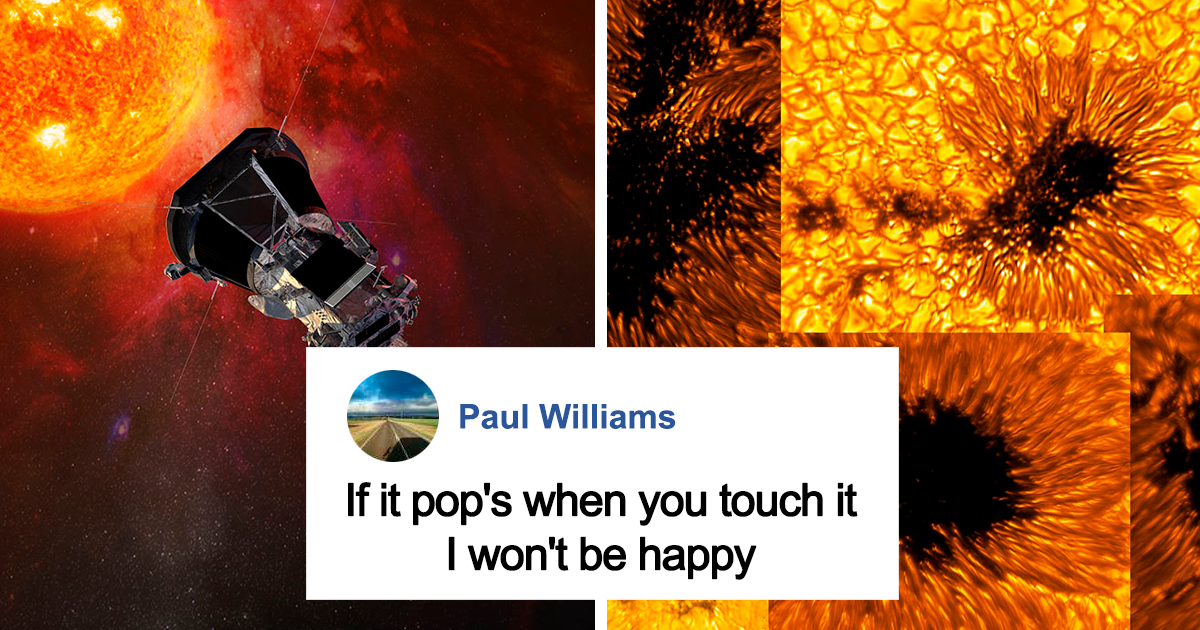
NASA's Parker Solar Probe is poised to make history by becoming the fastest human-made object and getting the closest to the Sun than any other spacecraft before. On December 24, 2024, it will pass the Sun at a record-breaking speed and proximity, aiming to gather critical data on the Sun's corona and solar wind. This mission is expected to enhance our understanding of solar processes, improve space weather predictions, and inform future space endeavors, potentially impacting lunar missions and the safety of astronauts and technology on Earth.
NASA's Parker Solar Probe is set to make history by reaching speeds of 435,000 mph and approaching within 3.8 million miles of the Sun's surface, aiming to study the Sun's corona and improve our understanding of solar processes and space weather. This mission, likened to the Moon landing of 1969, will help protect Earth's infrastructure and future astronauts from solar phenomena. The probe's close approach and record-breaking speed are scheduled for December 24 next year, with significant scientific breakthroughs anticipated.
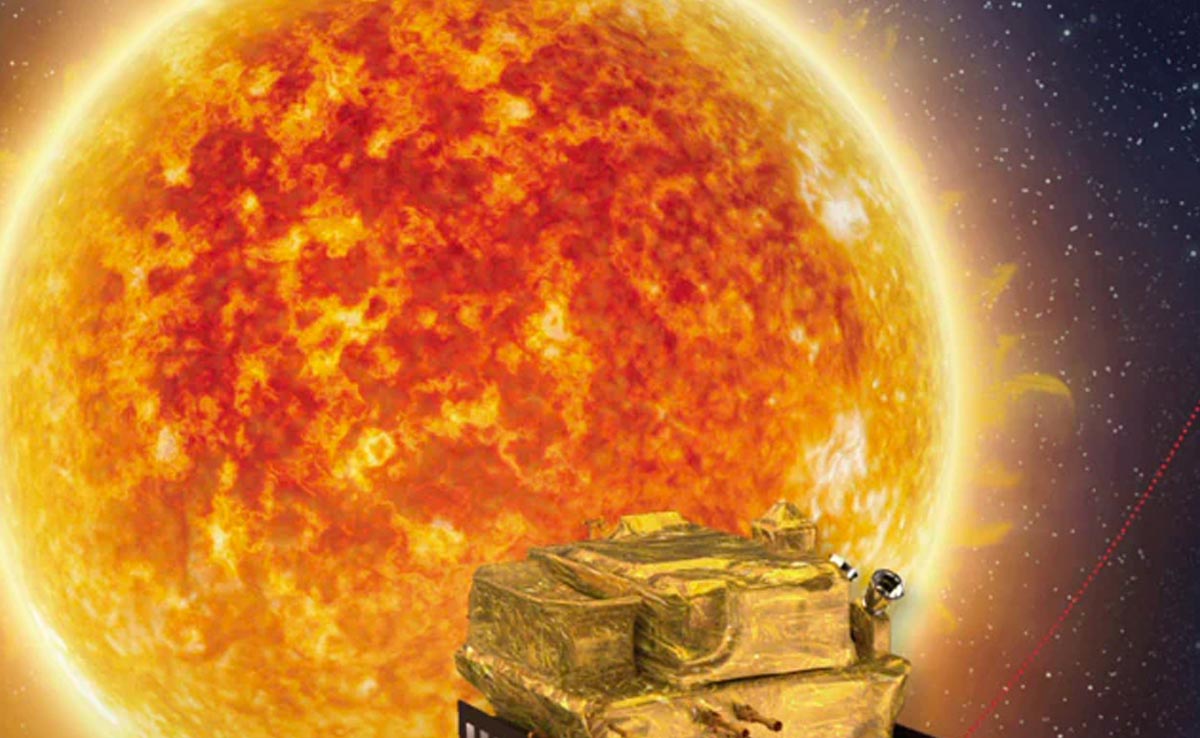
ISRO's Aditya-L1 satellite, India's first space-based solar observatory, is set to reach its destination orbit on January 6, completing a 126-day journey. Positioned at the Lagrangian Point-1, 1.5 million kilometers from Earth, it will study the Sun to better understand solar dynamics and space weather. The satellite will provide continuous monitoring of the Sun, offering early warnings for solar storms to protect satellites and other infrastructure in space worth over Rs 50,000 crores. The mission's scientific objectives include studying the solar atmosphere, coronal mass ejections, and the solar wind, contributing valuable data for space weather prediction and research.
The strongest solar explosion since 2017, an X5 flare, released on New Year's Eve, was expected to impact Earth but has been delayed due to slower solar wind speeds, described by physicist Dr. Tamitha Skov as being 'stuck in traffic.' The solar storm has caused minor disruptions in radio frequencies, affecting marine radios, possibly Starlink, and certain television broadcasts. NOAA's Space Weather Prediction Center (SWPC) warns of potential radio frequency disturbances and minor impacts on polar high-frequency radio propagation. The general public is not at risk, but there have been temporary disruptions to satellite signals like GPS due to the intense solar activity.
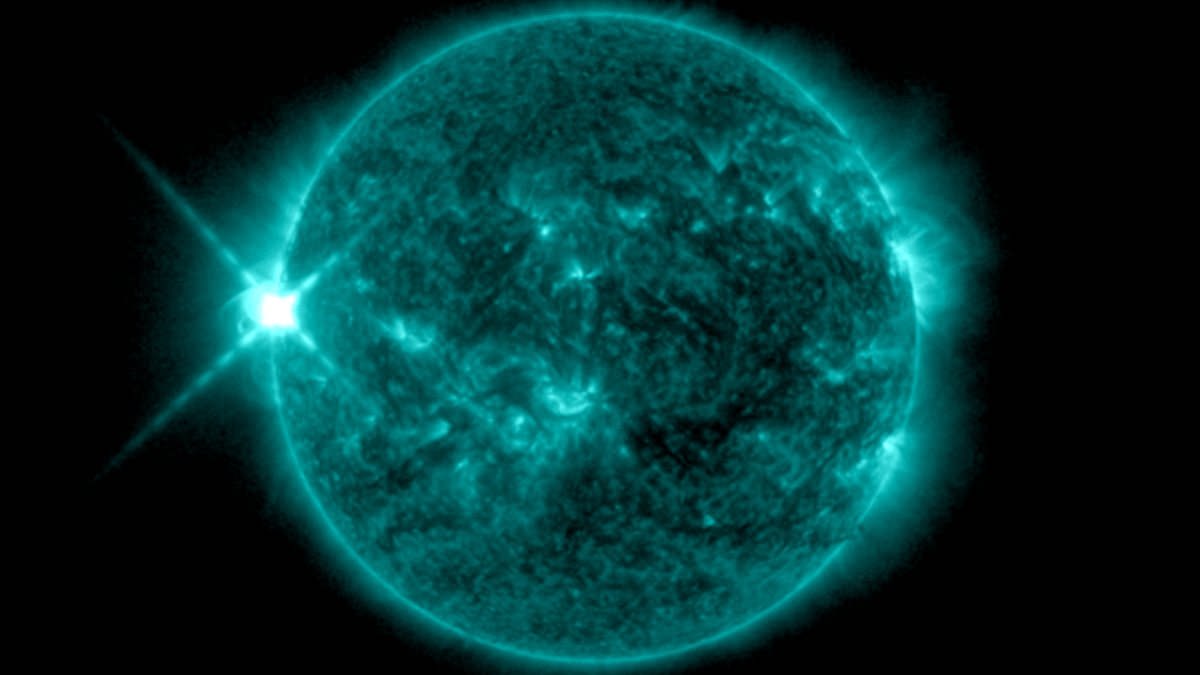
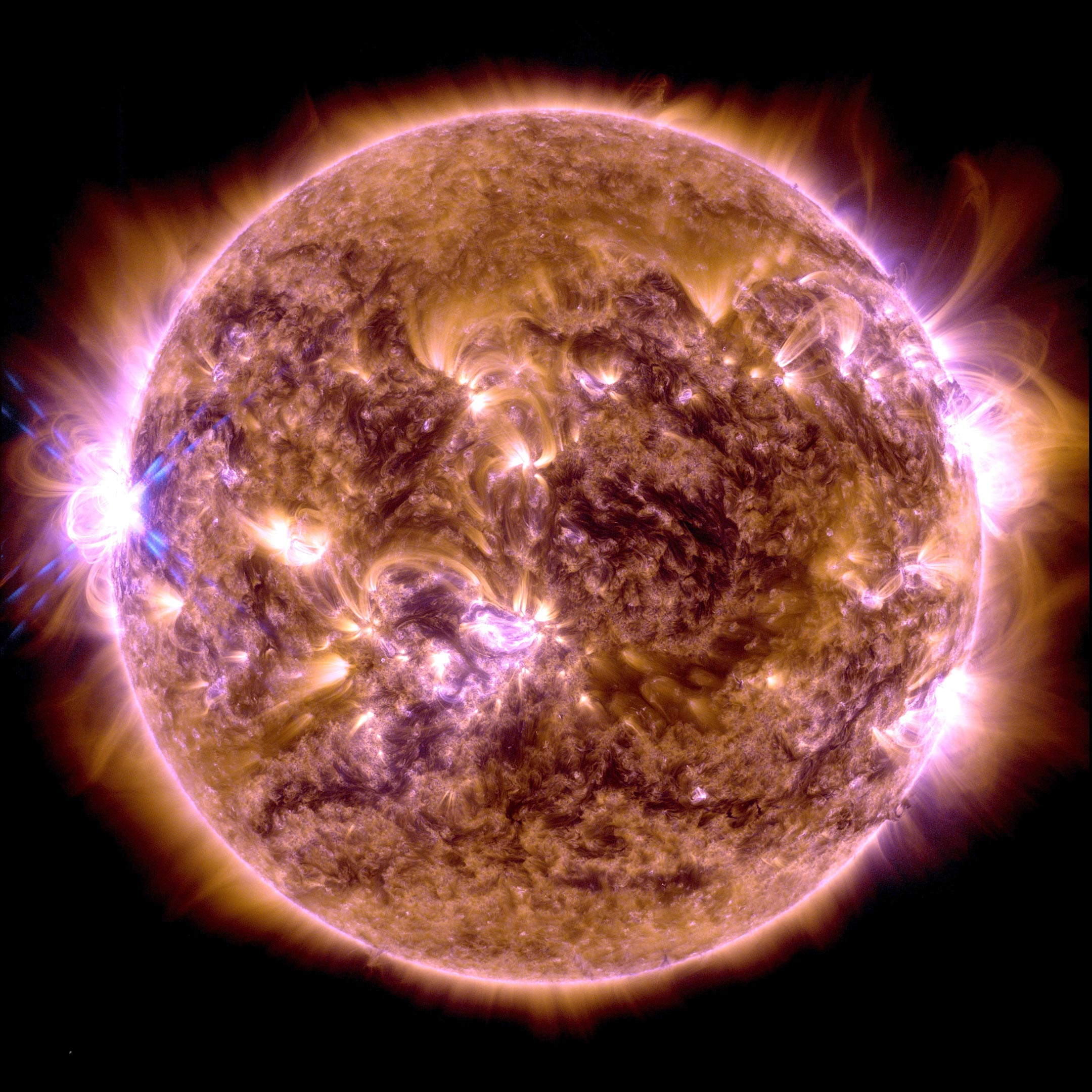
NASA's Solar Dynamics Observatory recorded a significant solar flare, classified as an X5.0, on December 31, 2023, marking the strongest solar activity observed since 2017. This intense burst of radiation from the Sun can disrupt radio communications, power grids, and pose risks to space operations. The event is part of the Sun's natural activity cycle, and the SDO continues to monitor these occurrences to better understand their impact on Earth and space weather forecasting.
The Sun emitted its strongest solar flare since 2017, an X5.0 class, which may lead to visible auroras, including the northern lights, around January 2. Observers in favorable locations like Norfolk, UK, with clear northern horizons, are in a good position to witness the event. Solar flares are massive bursts of energy from the Sun that can cause the Earth's atmosphere to light up when charged particles interact with it. The potential for auroral displays depends on the interaction of these particles with Earth's magnetic field, and updates from space weather prediction services like NOAA can provide the latest information on visibility.
Earth celebrates Perihelion Day on Tuesday, reaching its closest point to the Sun at about 91.4 million miles away, which is 3 million miles nearer than at aphelion. This event occurs annually around two weeks after the winter solstice. Despite being 7% closer to the Sun, Earth's temperature remains relatively stable due to its axial tilt affecting seasonal weather. Additionally, 2024 will witness a total solar eclipse on April 8 and is expected to be near the peak of the Sun's 11-year solar cycle, potentially enhancing space weather phenomena like the Northern Lights.
Solar storms in 2023 have caused the thermosphere to shift upwards and heat up, increasing the risk for satellites in low Earth orbit. The heated-up air will be more prone to drag and can push around the satellites, resulting in collisions and damage to instruments. NASA's TIMED satellite has recorded the thermosphere to be at a 20-year high. With the peak of the Solar Cycle approaching, more solar storms are expected, which can further worsen the condition for Earth's low-orbit satellites.