Tag

Space Policy

All articles tagged with #space policy

Moon Gateway: Debating the case for an orbital lunar outpost
space7 days ago

Moon Gateway: Debating the case for an orbital lunar outpost

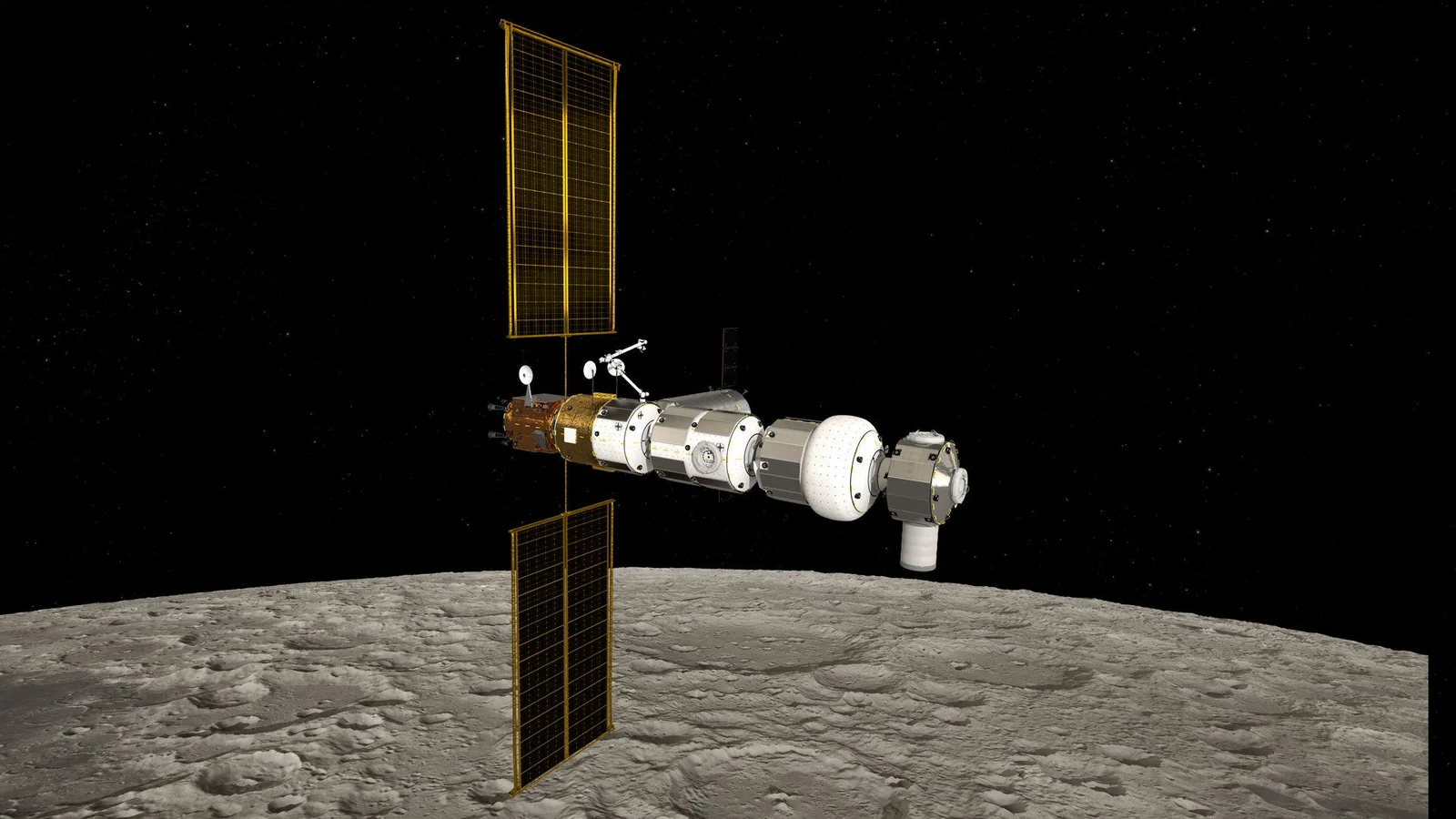
The Lunar Gateway—NASA's planned Moon-orbiting space station developed with international partners—is meant to help test deep-space technology and serve as a staging post for Artemis missions. Its high cost and funding uncertainties spark a debate: supporters say the outpost enables sustainable, international Moon exploration, while critics question its necessity. Even if Gateway is canceled, much of its hardware could be repurposed, but abandoning it could weaken U.S. leadership and international trust in future deep-space cooperation.
NASA to Rebuild Core Competencies by Bringing Work In-House
space-policy22 days ago

NASA to Rebuild Core Competencies by Bringing Work In-House

NASA unveils a workforce directive to restore internal engineering, operations, and scientific capabilities by auditing which work should be brought back in-house, converting critical roles to civil service, speeding onboarding, strengthening the talent pipeline (including OPM TechForce and internships), and enabling rapid prototyping with makerspaces, while adding right‑to‑repair provisions and removing restrictive clauses to reduce external dependencies—aimed at saving up to $1B annually and advancing the President’s space policy.

NASA weighs Mars telecom orbiter plan as 2026 deadline looms
space28 days ago

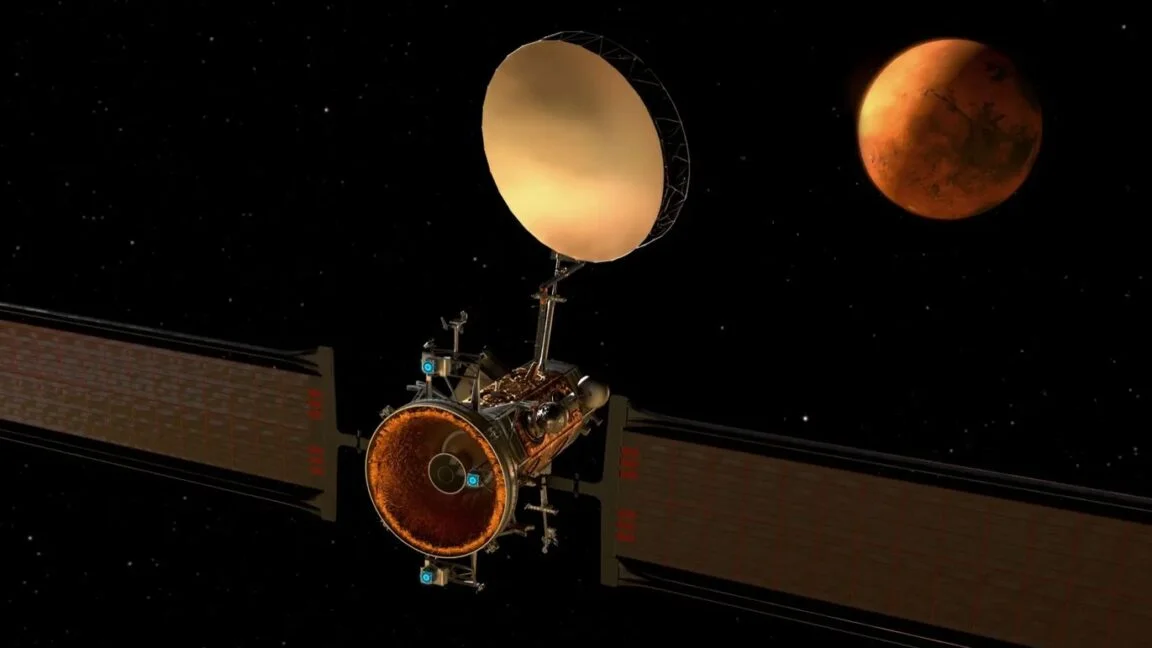
NASA weighs Mars telecom orbiter plan as 2026 deadline looms

NASA faces a funding-driven fork: choose and award a Mars Telecommunications Orbiter by Sept. 30, 2026, to restore deep-space comms after MAVEN’s loss, with a possible 2028 launch window. Options range from a pure communications relay to a bus that includes scientific instruments, and a competitive procurement is complicated by a Cruz-led bill and potential JOFOC constraints. Bidders include Blue Origin, SpaceX, Rocket Lab, Lockheed Martin, Northrop Grumman and others, with administrator Jared Isaacman weighing whether to add science payloads or keep the mission strictly telecom.

NASA Shrinks Planetary Science Advisory Groups Amid Budget Constraints
policy1 month ago

NASA Shrinks Planetary Science Advisory Groups Amid Budget Constraints

NASA will end funding for eight planetary science advisory groups by the end of April as part of a broader squeeze on advisory structures and a tight Planetary Science Division budget. The groups may continue to operate on their own, potentially under new names, with NASA offering limited support (e.g., travel for students). NASA also plans to replace multiple advisory bodies with a single all-discipline science advisory committee, reflecting a wider federal effort to reduce advisory panels.

NASA Bets on a New Golden Era With Artemis II and Lunar Ambitions
space1 month ago

NASA Bets on a New Golden Era With Artemis II and Lunar Ambitions

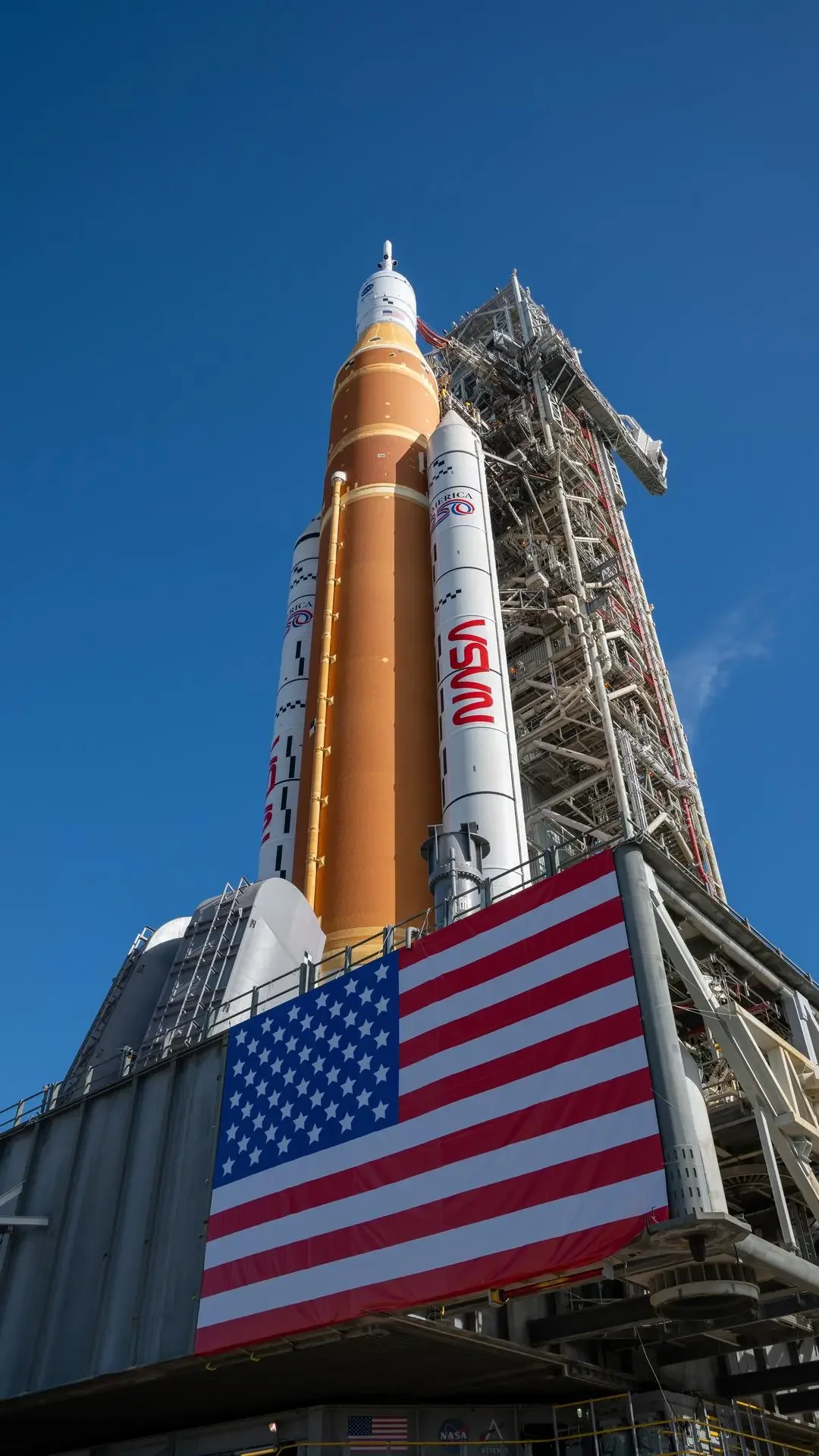
NASA says its first year under Trump’s second term delivered rapid progress across human spaceflight, science, and aeronautics, advancing Artemis II toward a crewed lunar flyby, logging two human missions and 15 science missions, test-flighting a new X-plane, and accelerating work on lunar exploration, Earth science, planetary defense, and nuclear propulsion to enable a sustained Moon presence by 2028, while keeping the Nancy Grace Roman Space Telescope on track and strengthening international partnerships under a clarified national space policy and funding from the Working Families Tax Cut Act.

Senate pressure to replace the ISS with private space stations gains momentum
science1 month ago

Senate pressure to replace the ISS with private space stations gains momentum

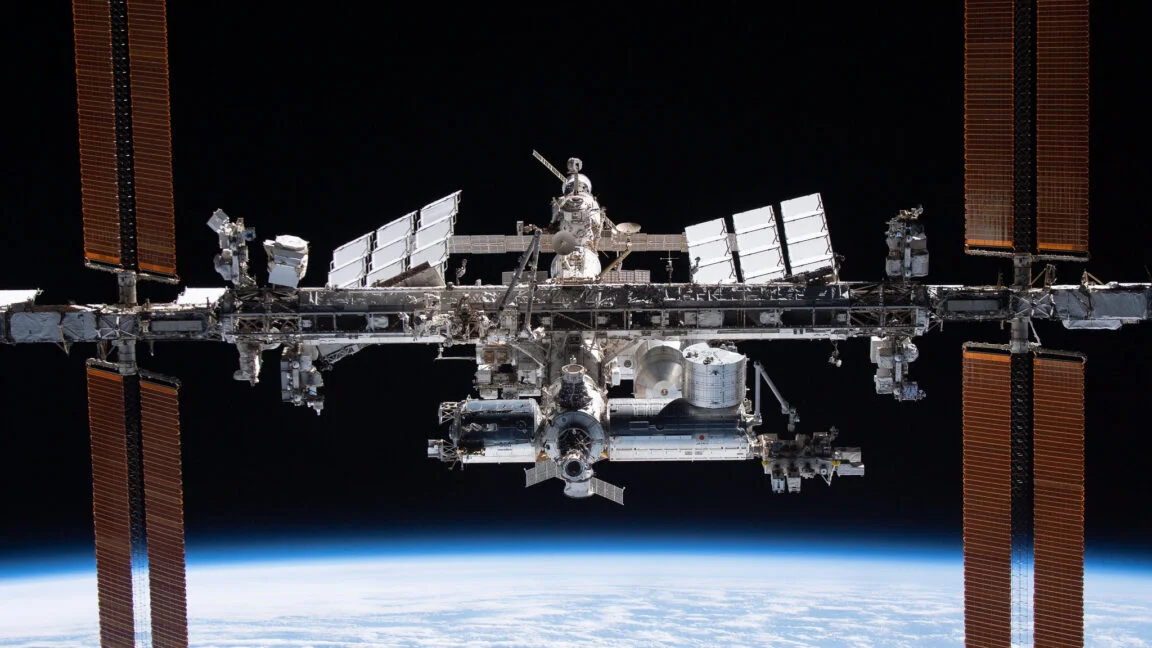
A Cruz staffer says NASA must accelerate the Commercial LEO Destinations program to ensure continuous human presence in low-Earth orbit and potentially extend the ISS beyond 2030 if CLDs aren’t ready. The effort has been slowed by leadership changes and shifting directives, with NASA delaying the RFP and funding rounds; a decision on an ISS extension would depend on CLD readiness and the private stations’ progress.

Global Race for Lunar Gold Sparks Urgent Calls for Space Mining Rules
space-exploration1 month ago

Global Race for Lunar Gold Sparks Urgent Calls for Space Mining Rules

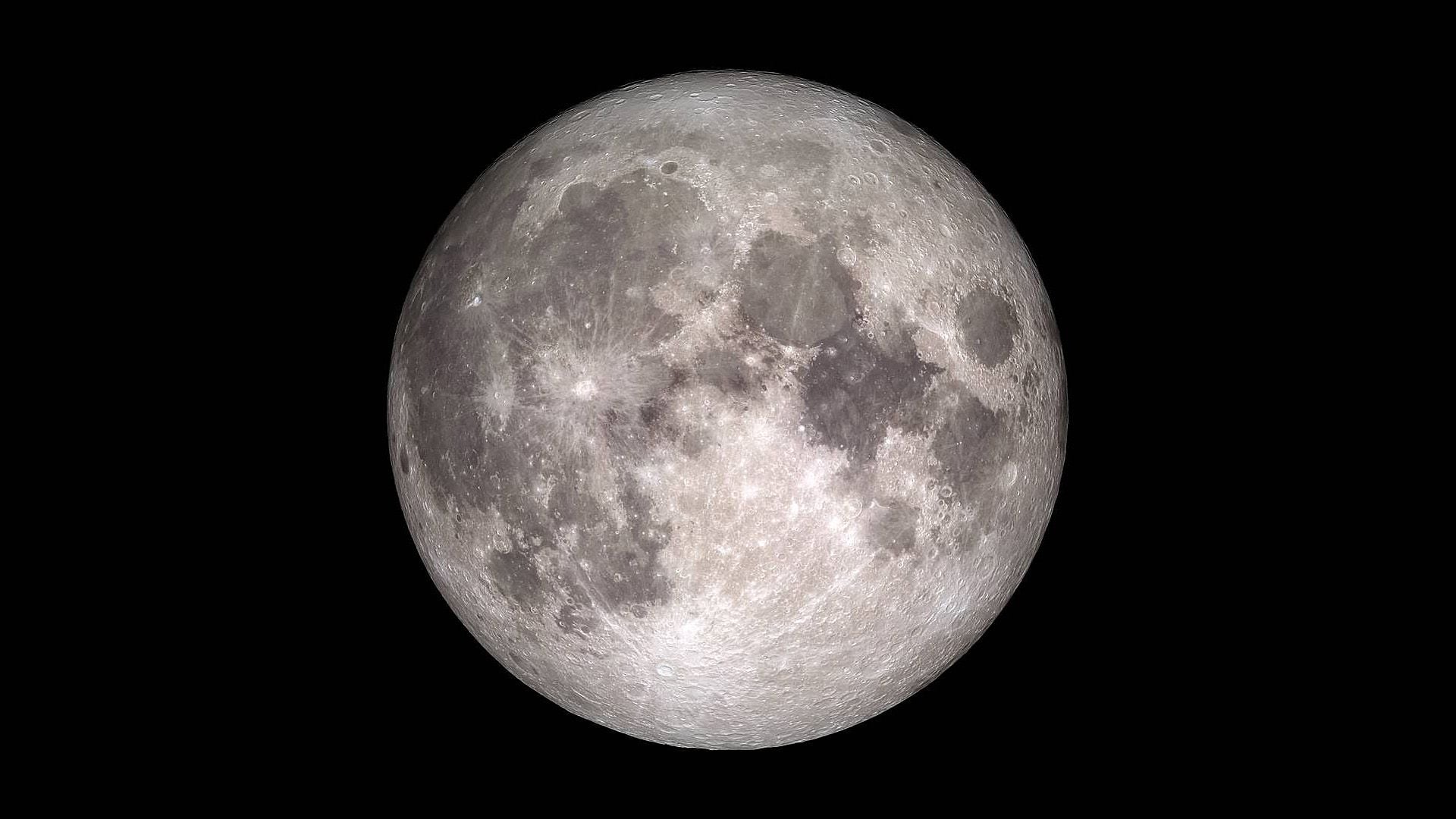
The race to mine the moon is accelerating with new technological developments and international players, but the legal framework remains outdated and fragmented, raising concerns about equitable benefit-sharing, environmental impact, and potential conflicts. Urgent international cooperation and updated governance are needed to ensure responsible and sustainable lunar resource exploitation.

NASA's New Leadership Unveils Bold Plans for Lunar Return and Permanent Moon Base
science-and-space2 months ago

NASA's New Leadership Unveils Bold Plans for Lunar Return and Permanent Moon Base

President Trump has issued an executive order prioritizing the return of Americans to the moon by 2028, with plans for a nuclear lunar outpost by 2030, and NASA, under new leadership, aims to accelerate the timeline, including a crewed lunar mission in 2028 and establishing a lunar base, amidst international competition and commercial sector involvement.

President Trump Initiates New Era in American Space Exploration
space-exploration2 months ago

President Trump Initiates New Era in American Space Exploration

President Donald Trump signed an executive order outlining a bold American space strategy, including returning to the Moon by 2028, establishing a lunar outpost by 2030, deploying nuclear reactors in space, and promoting private sector investment, all aimed at maintaining U.S. leadership in space exploration, security, and commerce.

NASA unveils plans for next phase of commercial space station development
space-exploration5 months ago

NASA unveils plans for next phase of commercial space station development

NASA plans to invest up to $1.5 billion in a new phase of its Commercial Low Earth Orbit Development Program, supporting at least two companies to develop crew-tended space stations with the goal of demonstrating capabilities by 2030, shifting from fixed contracts to Space Act Agreements to foster more flexible development and competition.

UK Space Agency's Restructuring and Future in Space Innovation
science-and-technology6 months ago

UK Space Agency's Restructuring and Future in Space Innovation

The UK government is dissolving the UK Space Agency after 15 years and integrating it into the Department for Science, Innovation and Technology, a move driven by cost-cutting and strategic realignment concerns, which raises questions about the UK's future role and influence within the European Space Agency and its domestic space ambitions.