The article discusses concerns among investors about former President Trump's policies and actions that threaten the US defense industry, potentially affecting national security and market stability.
The NSA announced Timothy Kosiba as its new Deputy Director, a role in which he will oversee strategy, policy, and operations, leveraging over 30 years of experience in cybersecurity and signals intelligence to support U.S. national security efforts.
President Trump and his administration are considering using the U.S. military to acquire Greenland, citing strategic and security interests in the Arctic region, with ongoing discussions about potential options.
The article argues that Donald Trump's foreign policy is not truly isolationist but rather an assertive internationalist focused on maximizing American power, similar to historical U.S. presidents, and emphasizes that American assertiveness on the global stage has been a consistent theme throughout history.
The article describes how Mar-a-Lago has become a hub for high-stakes, secret military and national security operations under Trump, including the capture of Venezuela's leader, with the club's secure facilities facilitating these activities amidst a backdrop of regular social events.
The article describes how Mar-a-Lago has become a hub for high-stakes, secret military and intelligence operations under Trump, including the capture of Venezuela's leader, with enhanced security measures and a mix of social and strategic activities at the club.
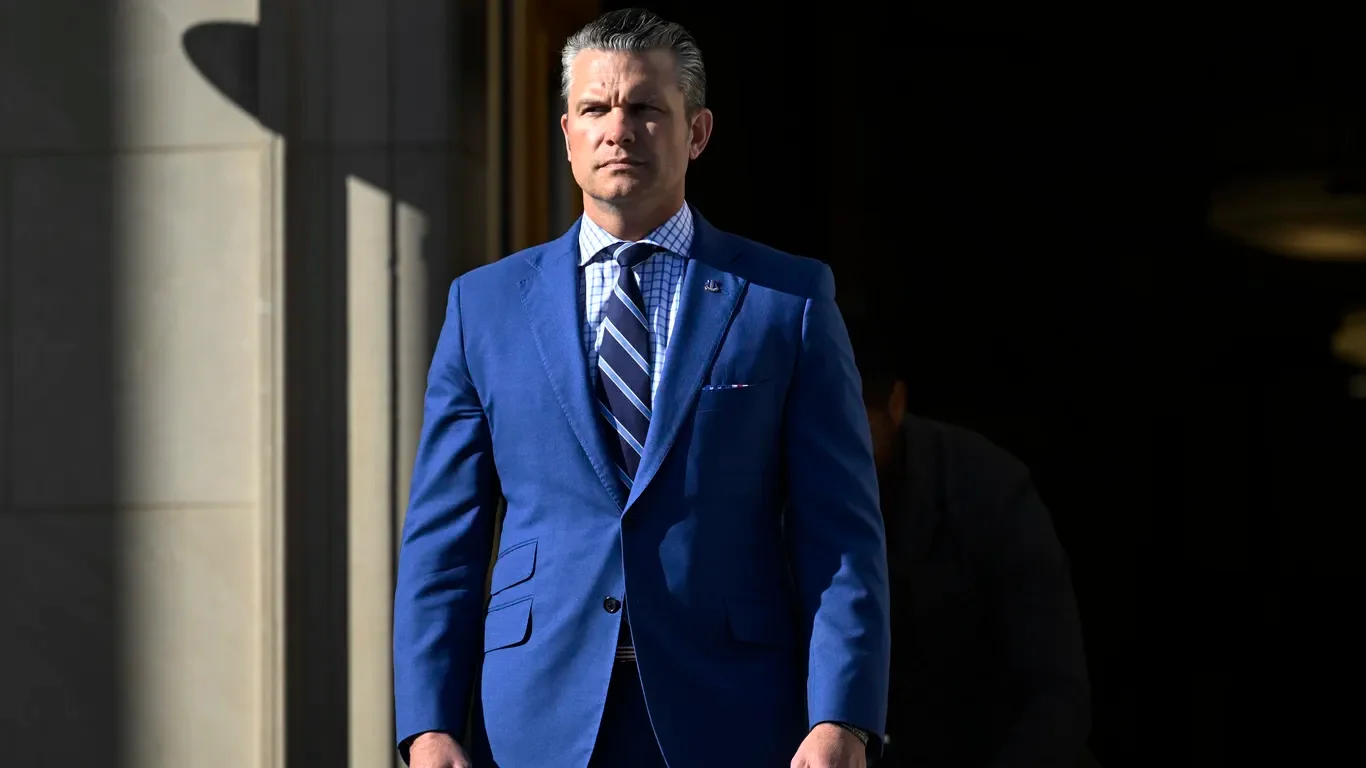
Secretary of War Pete Hegseth's 'Arsenal of Freedom' tour aims to revitalize America's manufacturing sector and strengthen national security by emphasizing the importance of a robust Defense Industrial Base, promoting faster, innovative defense acquisition processes, and rallying the American workforce to support the peace through strength agenda.
US export controls on chips are effectively slowing China's technological progress and maintaining America's military and AI edge, which is crucial for deterrence and preventing conflict with China. Recent relaxations, like the sale of Nvidia's H200 chips, threaten this advantage, potentially enabling China to catch up in AI capabilities and increasing geopolitical risks. The article argues that maintaining strict export controls is vital for US strategic interests and global stability.
President Trump ordered Chinese-controlled HieFo Corporation to divest its $2.9 million acquisition of chip assets from Emcore due to national security concerns, citing risks related to technology transfer and potential impact on U.S. semiconductor supply chains.
President Trump blocked the $3 million acquisition of Emcore's assets by Chinese-controlled HieFo, citing national security and China-related concerns, and ordered HieFo to divest its interests within 180 days.
President Donald Trump blocked the $3 million acquisition of Emcore's assets by Chinese-controlled HieFo Corp, citing national security and China-related concerns, and ordered HieFo to divest its interests within 180 days, amid ongoing US-China trade tensions.
President Donald Trump signed an executive order blocking a $2.92 million semiconductor deal between U.S. and Chinese companies, citing national security concerns, and requiring HieFo Corp. to divest from EMCORE within 180 days.
The U.S. President has ordered that Hiefo Corporation, controlled by a Chinese citizen, divest its interests in certain assets of Emcore Corporation due to national security concerns, prohibiting the transaction and requiring divestment within 180 days, with strict oversight and compliance measures enforced by CFIUS.
The article discusses the Trump administration's repeated attempts to halt offshore wind projects citing national security concerns, which have largely been challenged and dismissed in court, revealing that the supposed emergency is unfounded and that offshore wind development continues despite political and legal obstacles.
The US has implemented new travel restrictions affecting individuals from seven countries, along with ongoing bans on others, citing national security concerns, and has introduced a weighted system for H1-B visa applications to prioritize higher-wage earners, which may limit opportunities for lower-wage foreign workers and impact international students.