The US military intervention in Venezuela to arrest Nicolas Maduro has surprised and unsettled many European populist and nationalist leaders, exposing their limited support and the fragile nature of their alliances with Trump, while highlighting concerns over international law and sovereignty in the region.
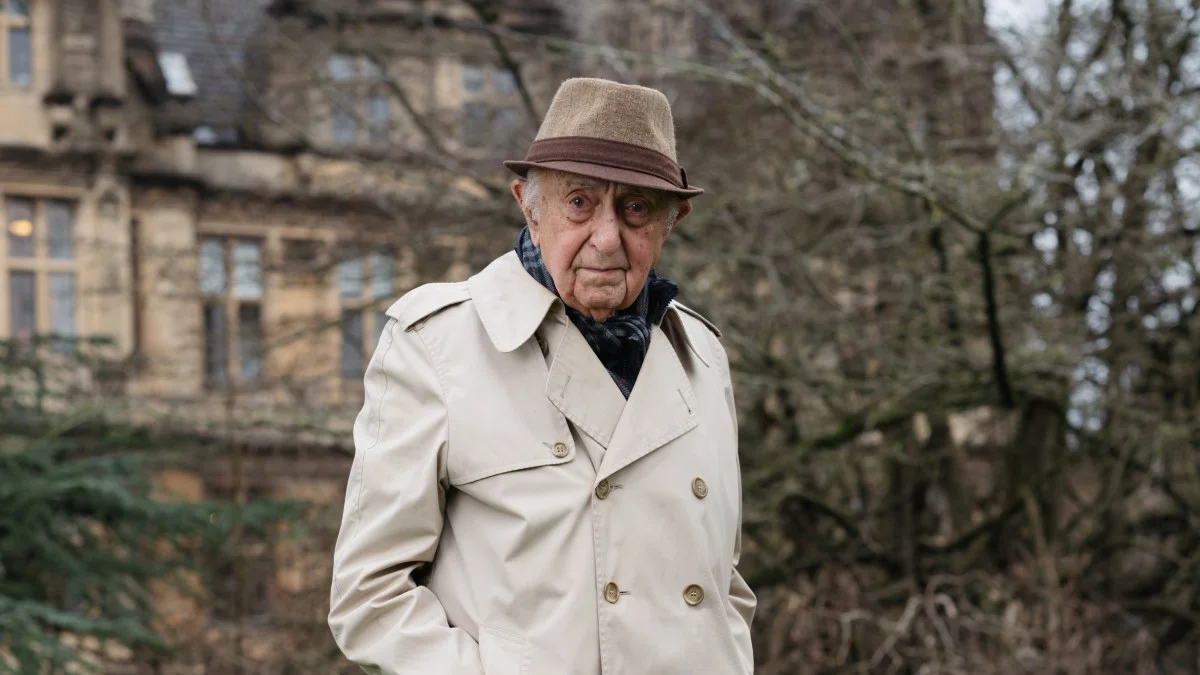
The article discusses former President Trump's stance of disregarding international law, describing it as a 'Wild West' approach that impacts European perspectives and relations, with commentary from Romanian President Nicușor Dan on the need for better understanding between the US and EU.
The Dutch government will not condemn the US for its actions in Venezuela, emphasizing dialogue and strategic interests over public condemnation, while also discussing regional security concerns including Greenland and Caribbean islands.
In a New York Times interview, President Trump claimed his personal morality is the only limit to his global power, dismissing the need for international law, while acknowledging some adherence depending on its definition. His comments come amid recent controversial actions, including military operations in Venezuela, discussions about acquiring Greenland, criticizing NATO, and withdrawing from multiple international organizations.
Welsh First Minister Eluned Morgan urges Labour leader Keir Starmer to stand up to US President Trump over Venezuela and Greenland, emphasizing the importance of upholding international law and criticizing US interventions, while also addressing internal Welsh Labour politics ahead of the upcoming Senedd election.
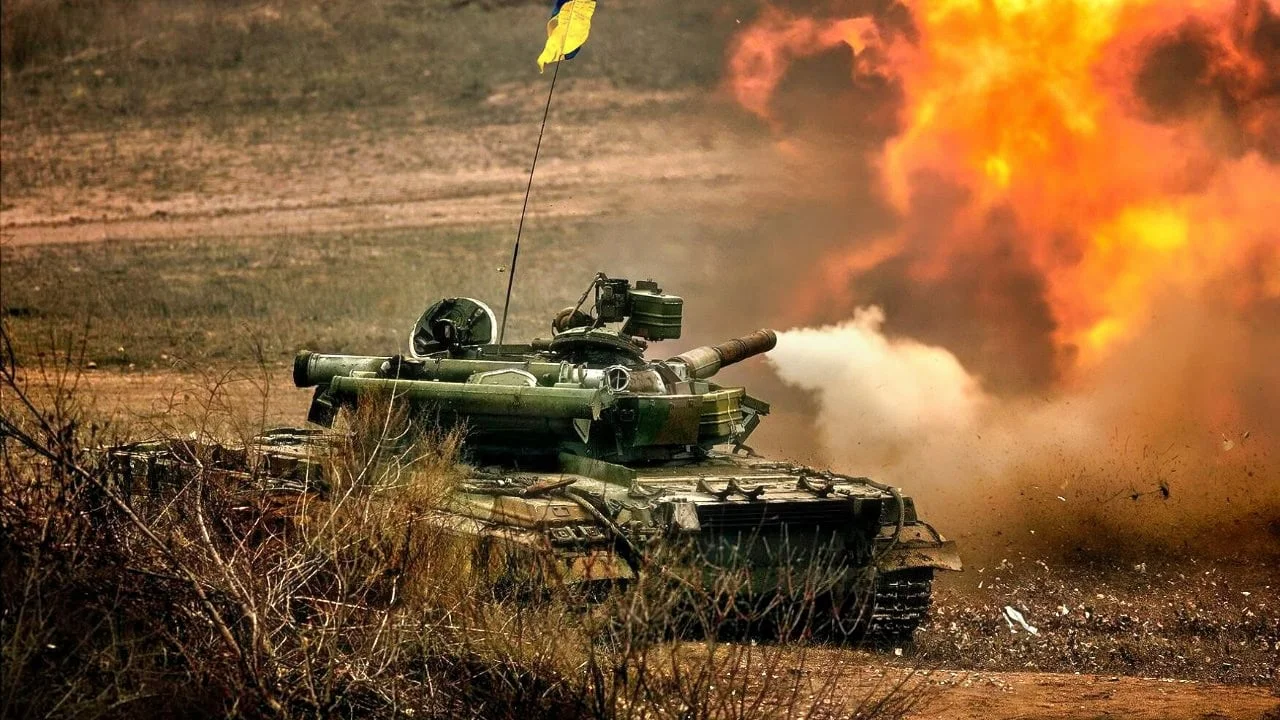
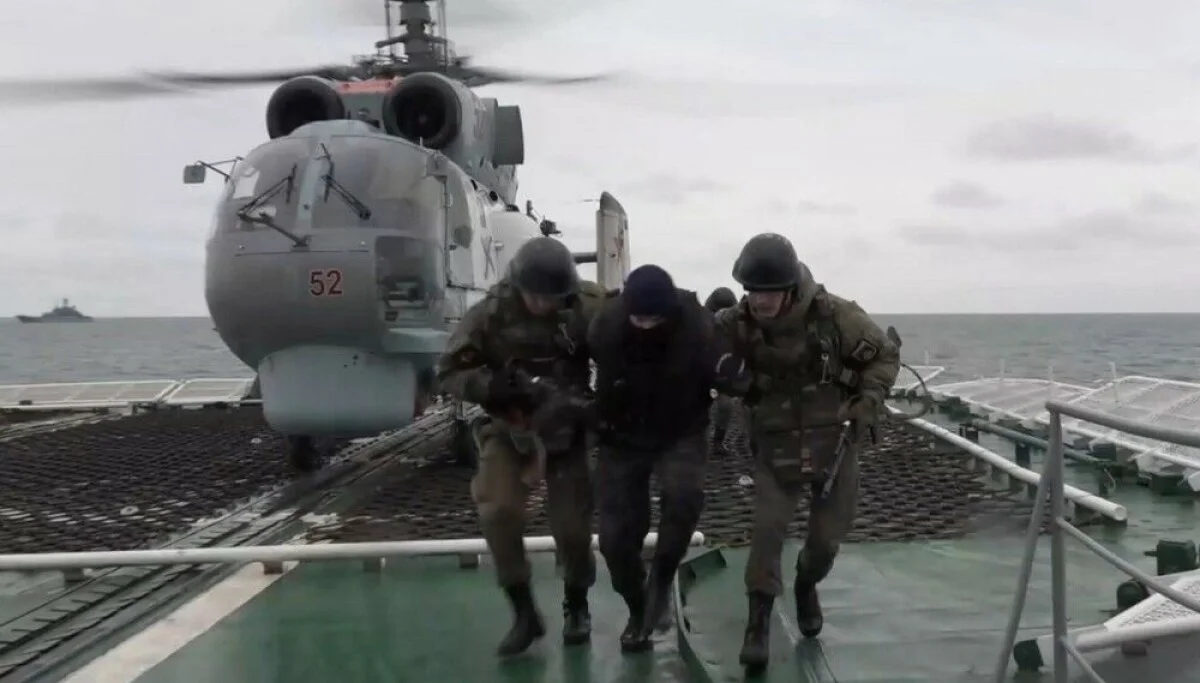
The U.S. military conducted a raid in Caracas to capture Nicolás Maduro, resulting in at least 56 deaths including Venezuelan security officers, Cuban personnel, and civilians, with injuries to U.S. servicemembers. The operation has sparked international controversy, political upheaval in Venezuela, and debates over U.S. foreign policy and military intervention.
The article discusses the recent U.S. operation to capture Venezuelan President Nicolás Maduro, the political and diplomatic reactions from various countries, and the implications for international law and regional stability, with ongoing tensions and strategic considerations in Venezuela and beyond.
The article reports on President Trump's aggressive military actions and threats against multiple countries including Venezuela, Cuba, Colombia, Mexico, Greenland, and Iran, highlighting a shift from his campaign promises of ending wars to a more interventionist foreign policy, with potential for further conflicts and territorial ambitions.
The article criticizes Europe's muted response to the U.S. abduction of Venezuela's Maduro, highlighting the erosion of international norms and the influence of U.S. sphere-of-influence strategies, emphasizing the need for Europe to uphold democratic principles and strengthen global alliances.
The article discusses the shift in U.S. foreign policy under President Trump towards autocratic tendencies, exemplified by the military intervention in Venezuela, and highlights the decline of traditional American values like democracy promotion, international cooperation, and respect for international law, which may lead to increased global conflict and instability.
Kemi Badenoch expressed moral support for the US military action in Venezuela, criticizing Maduro's regime but raising questions about the legality and rules-based order, while the UK maintains a cautious stance amid international debate.
The US's capture of Nicolás Maduro raises concerns about the erosion of international legal norms and the potential for increased unilateral military actions by powerful nations, threatening global stability and the post-World War II international order.
Venezuelan ex-president Nicolás Maduro pleaded not guilty in a US court following his capture during a US military operation, which has sparked global condemnation and accusations of illegal aggression, amid broader geopolitical tensions and US actions in Latin America.
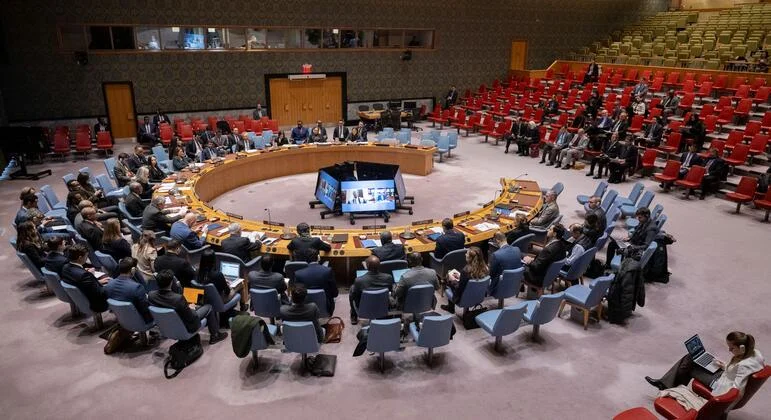
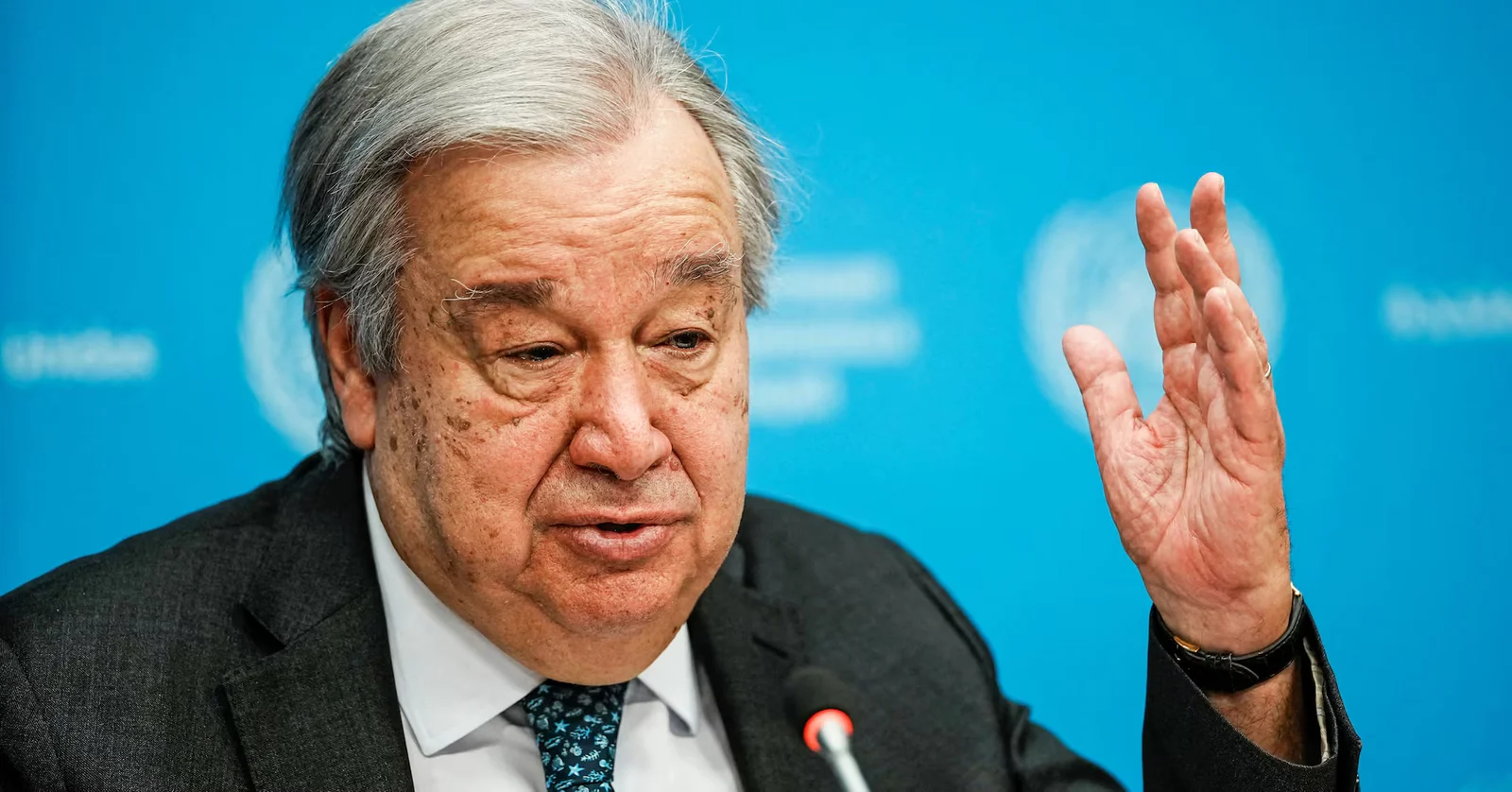
At a UN Security Council emergency meeting, the US was condemned by allies and the UN Secretary General for violating international law through the capture of Venezuelan President Nicolas Maduro and military actions in Venezuela, with critics arguing it undermines international order.
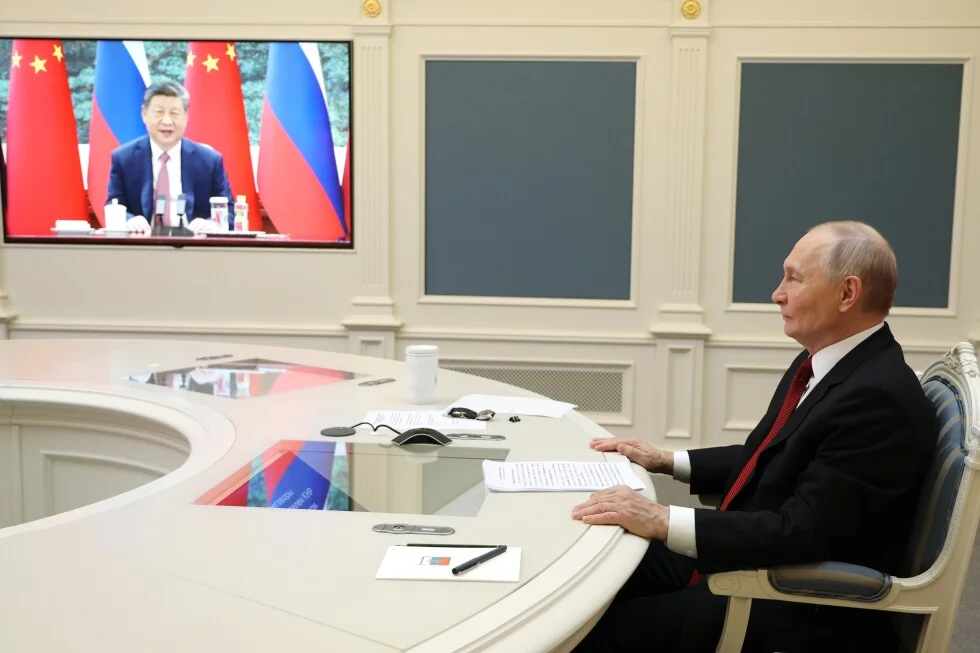
The US's surprise raid to capture Venezuela's leader highlights regional power dynamics, with comparisons drawn to potential conflicts over Taiwan. While China views Taiwan as a domestic issue and emphasizes coercion over violence, the military balance and US support serve as deterrents. The incident may cause China to reconsider its strategies, but global norms remain fragile amid varying international responses.