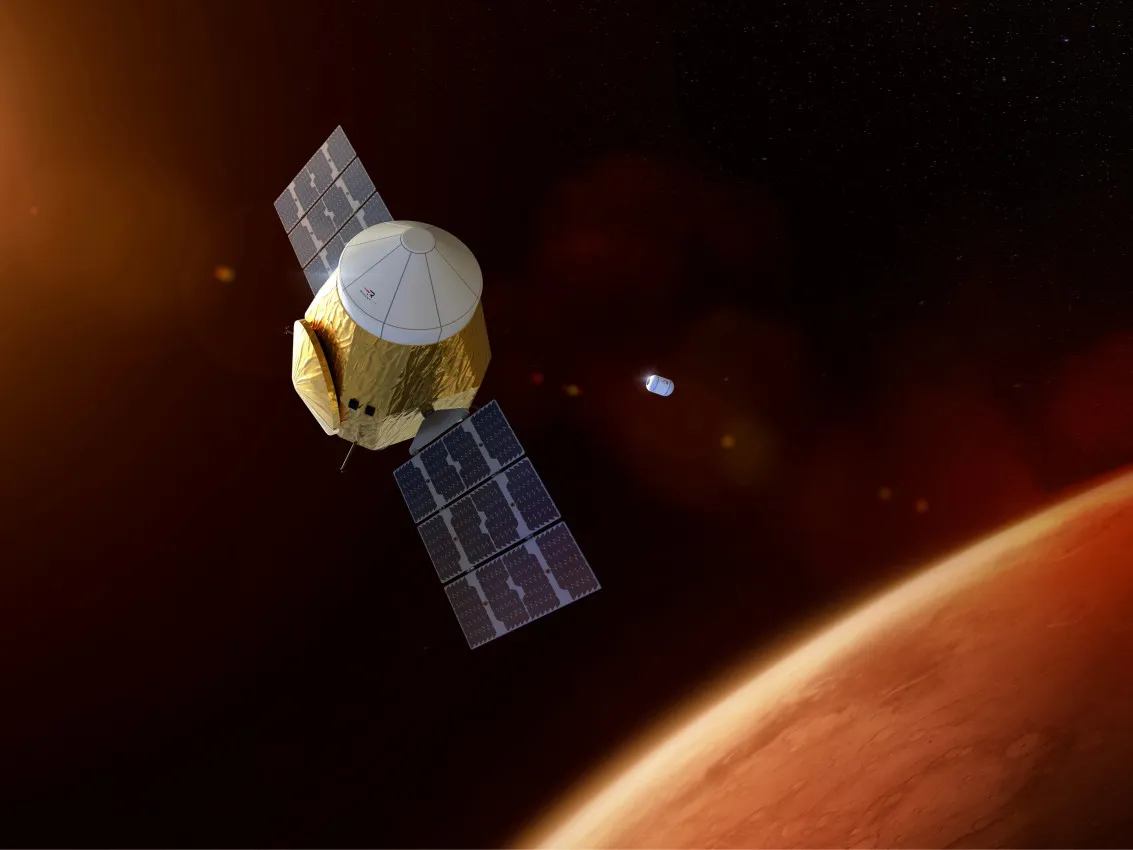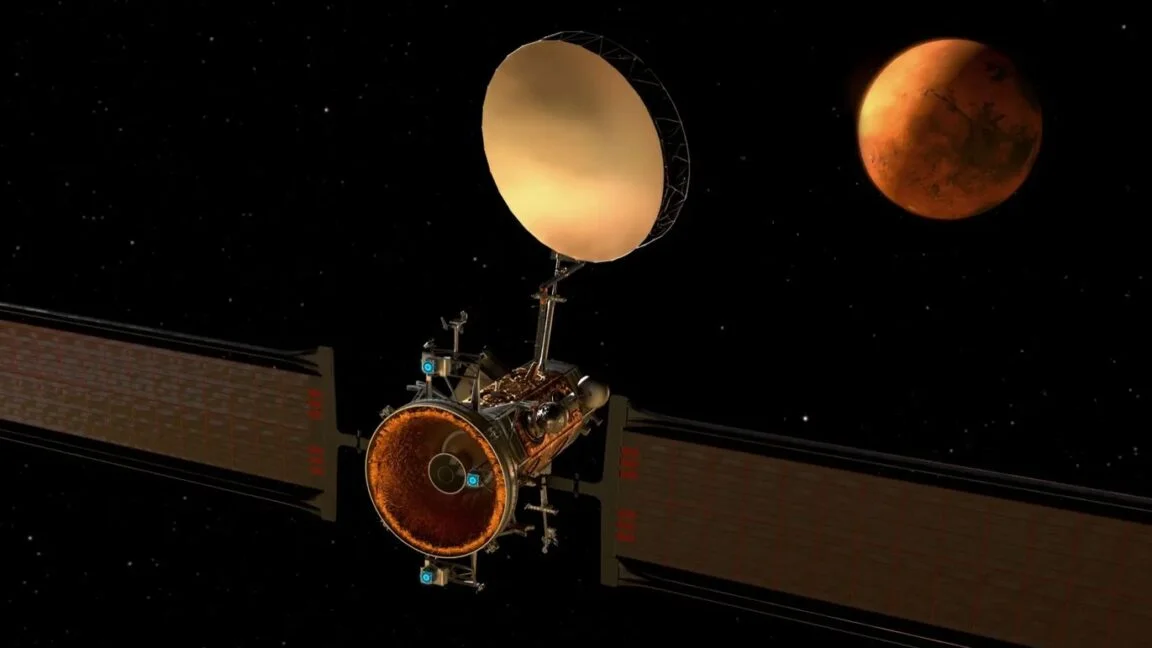
The article advocates for shifting planetary exploration from costly, slow government-led missions to a more agile, industry-led operational model that leverages commercial capabilities, enabling faster, more frequent, and affordable missions to advance science and U.S. leadership in space by 2026.
The order outlines a comprehensive U.S. space policy focusing on leading space exploration with plans to return Americans to the Moon by 2028, establish a lunar outpost, enhance space security, grow the commercial space sector, and develop advanced space capabilities, all supported by coordinated agency reforms and international cooperation.
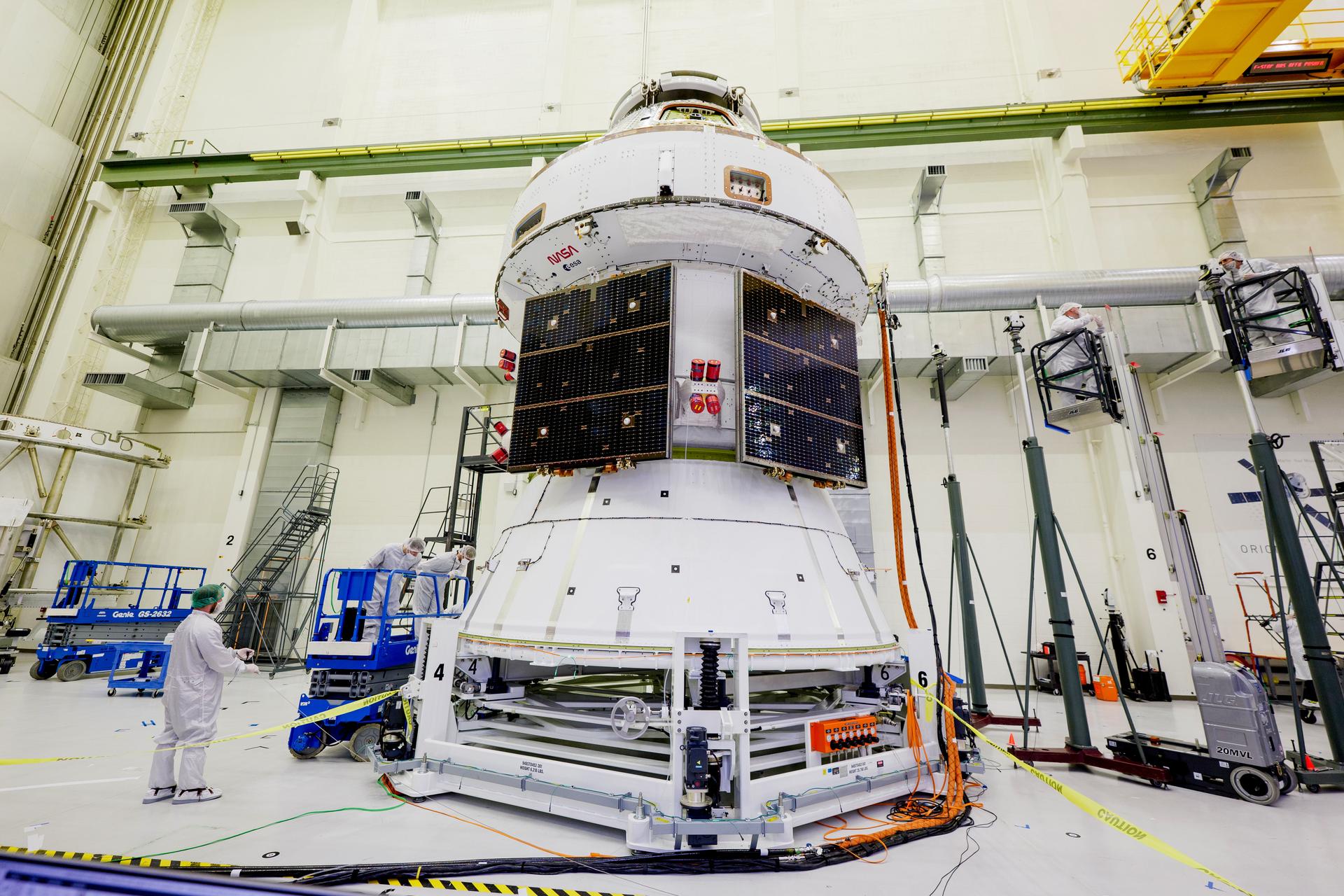
Lockheed Martin is exploring offering the Orion spacecraft as a commercial service, starting with a study of a private deep space mission with BioAstra to perform biomedical research, which could pave the way for future non-NASA missions and a broader space economy.
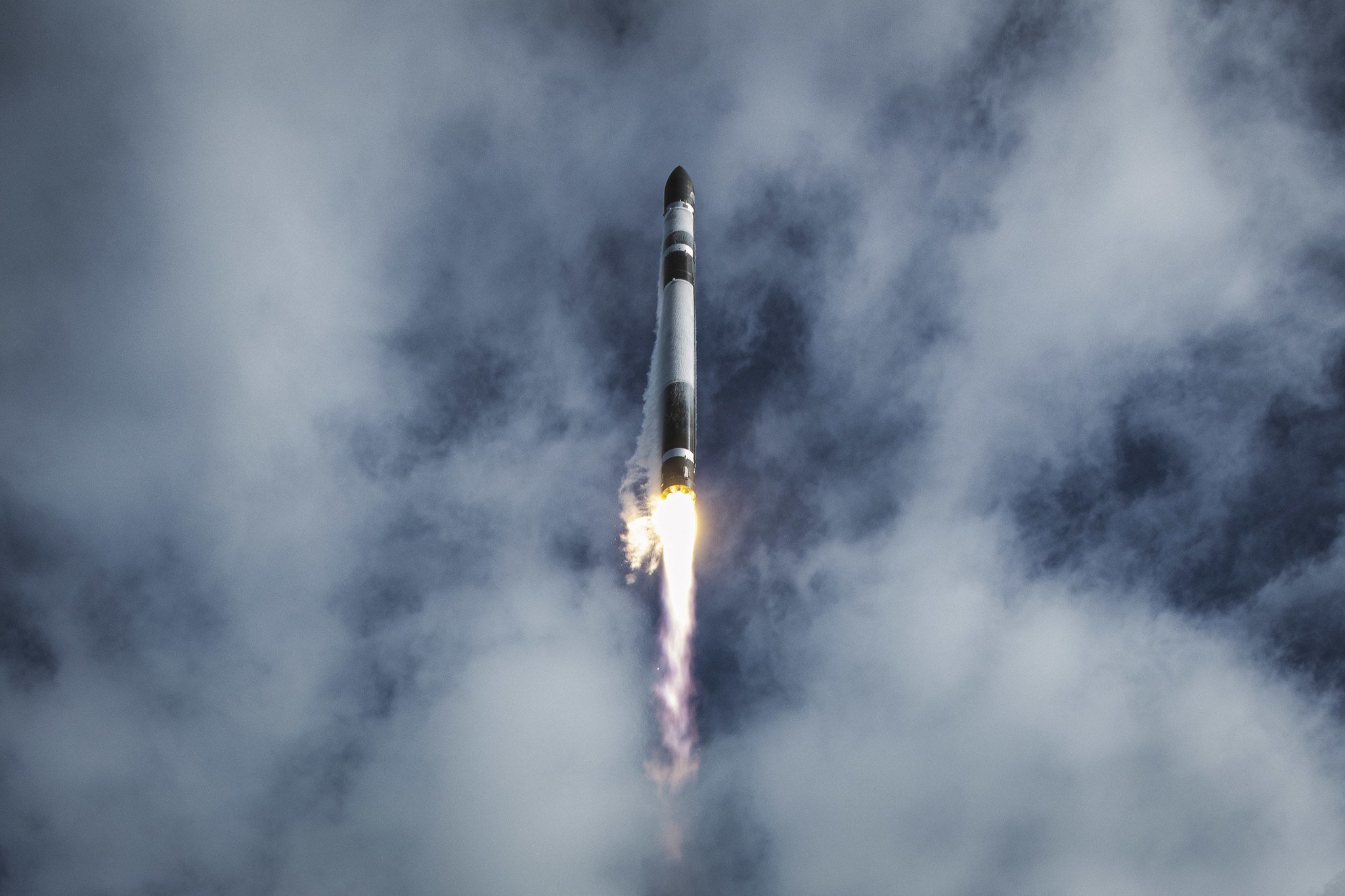
Rocket Lab's Electron rocket successfully launched five satellites for an undisclosed commercial customer into orbit on August 23, highlighting ongoing commercial space activities.
President Trump signed an executive order to accelerate U.S. commercial space activities by streamlining regulations, expanding launch infrastructure, and shifting some authority from NASA to other federal agencies, aiming to boost innovation and maintain American leadership in space, though it raises concerns about environmental impacts and NASA's authority.
President Donald Trump signed an executive order to streamline regulations and promote competition in the U.S. commercial space industry, aiming to maintain American leadership in space exploration and technology by reducing regulatory barriers, expediting licensing processes, and fostering innovation, building on previous space policy initiatives and achievements like the establishment of the Space Force and commercial crew missions.
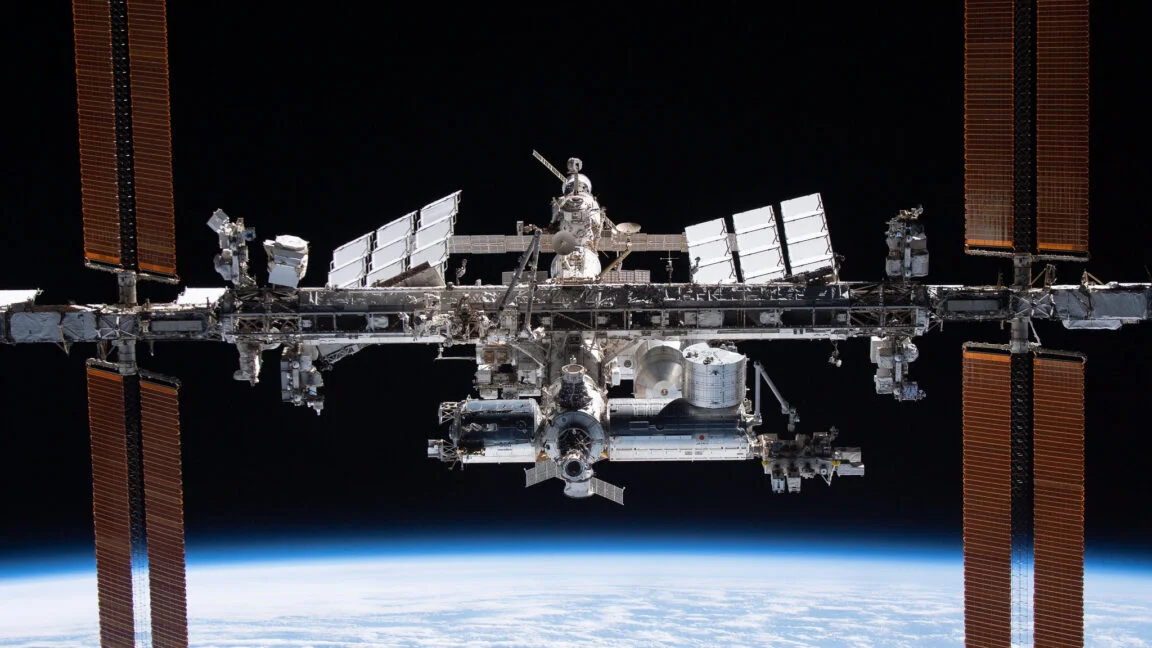
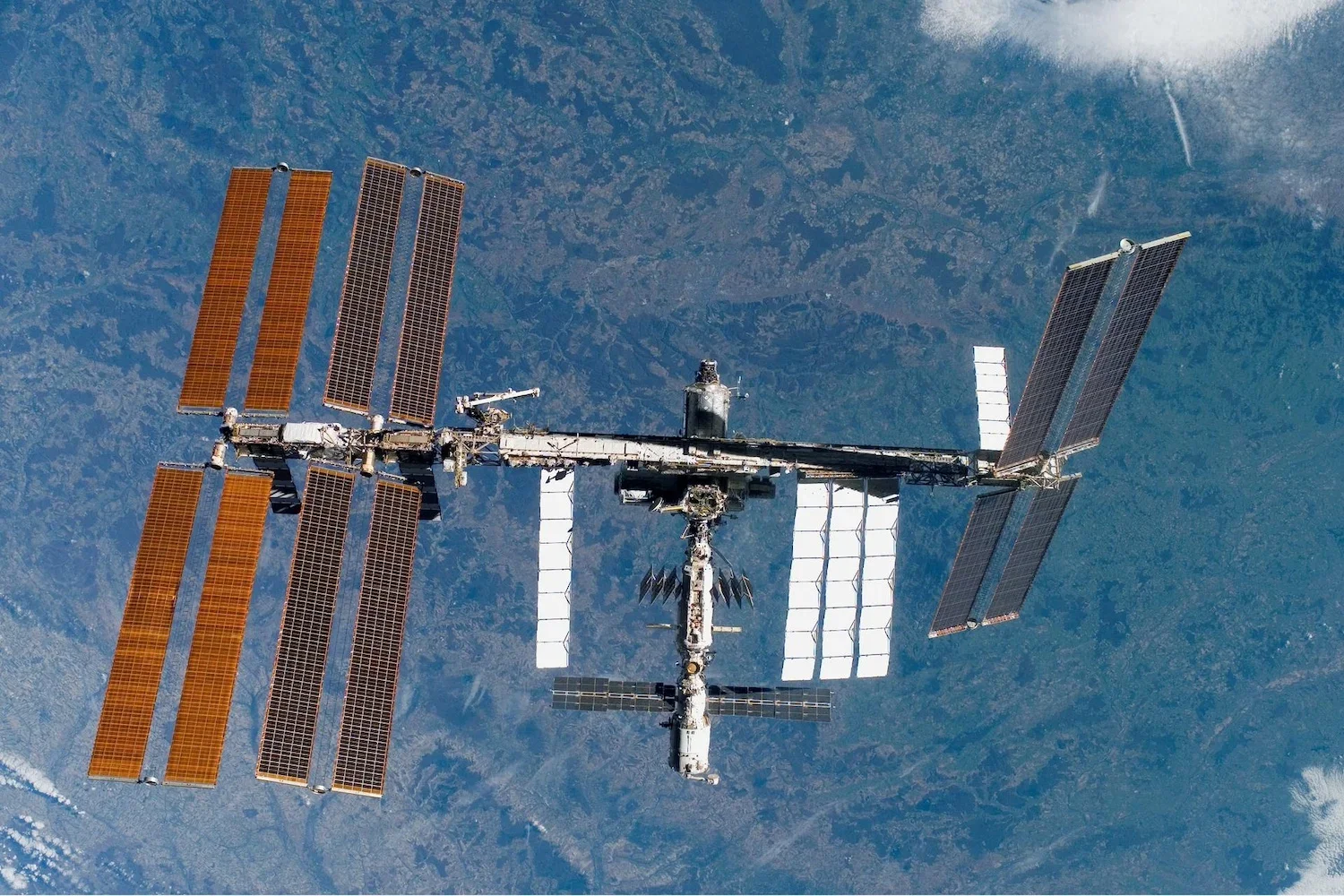
NASA is overhauling its plans to replace the ISS with a privately-operated station, lowering capability requirements and shifting to a less expensive, more flexible approach due to budget constraints, aiming for a more achievable timeline and increased commercial partnerships.
NASA has selected six companies to study cost-effective methods for launching and transferring spacecraft to various orbits, aiming to enhance science capabilities and reduce mission costs, with studies to be completed by September.
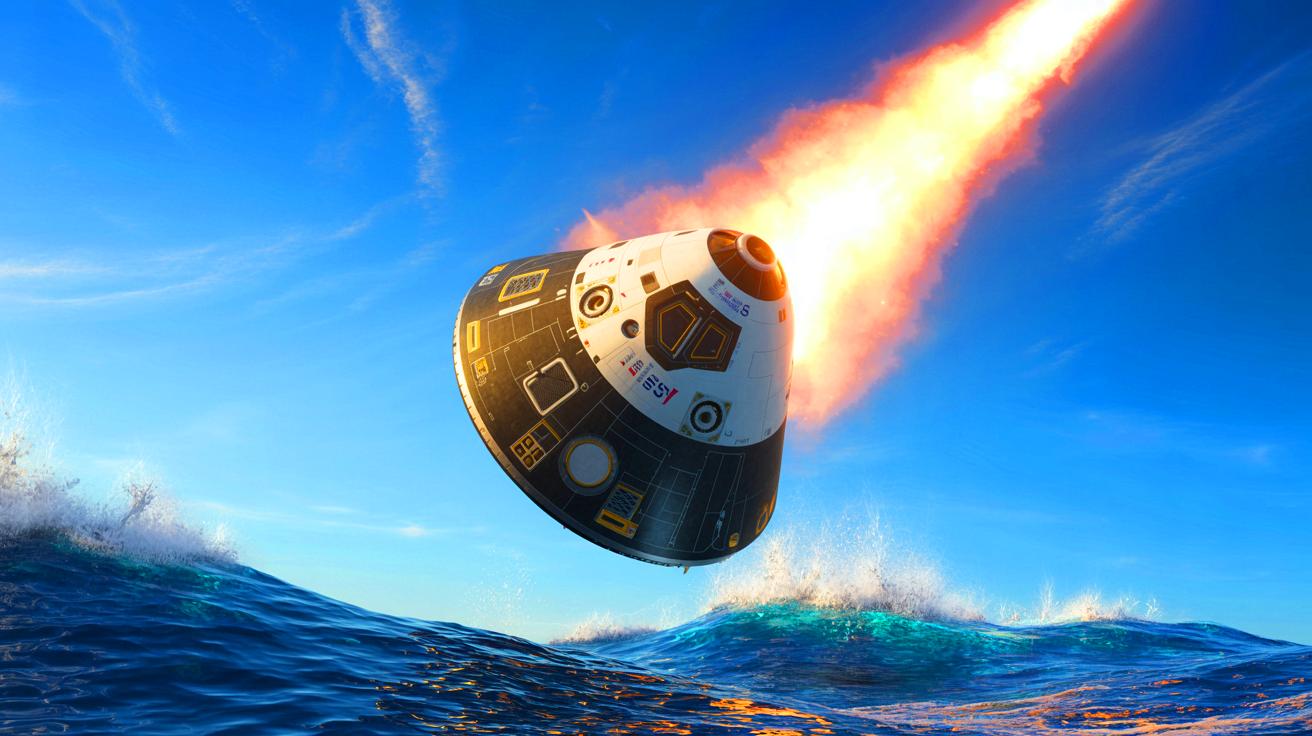
The Exploration Company's Nyx capsule, carrying human remains and cannabis seeds for scientific research, failed to safely reenter Earth after reaching orbit, resulting in the loss of cargo in the Pacific Ocean. Despite the setback, the mission aimed to study microgravity effects on plants and expand commercial space activities, highlighting both the potential and risks of private space ventures.
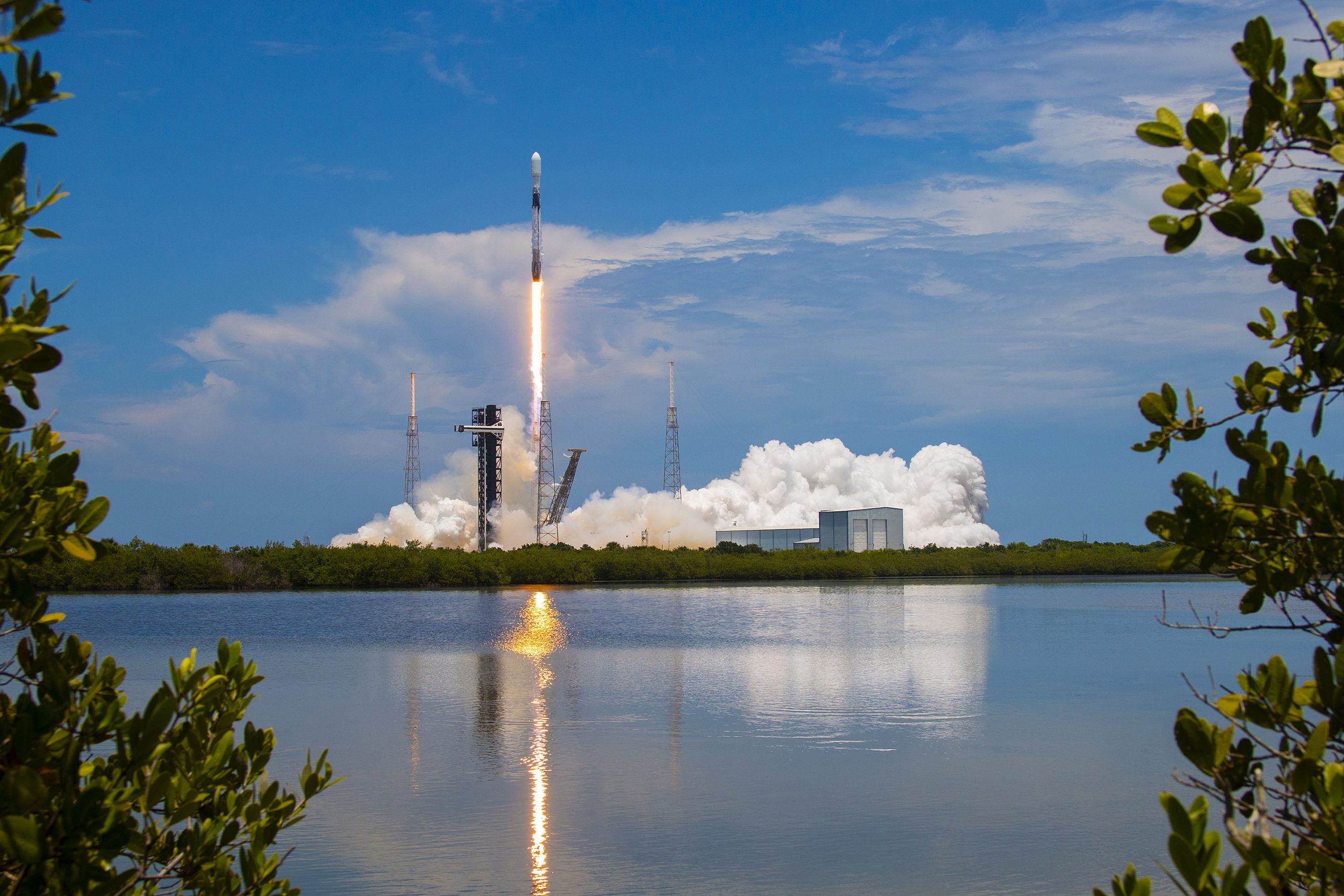
The U.S. Space Force awarded Jacobs Technology a up to $4 billion contract over 10 years to modernize and maintain launch ranges, allowing commercial providers to fund upgrades directly, reflecting industry growth and the need for increased launch capacity.
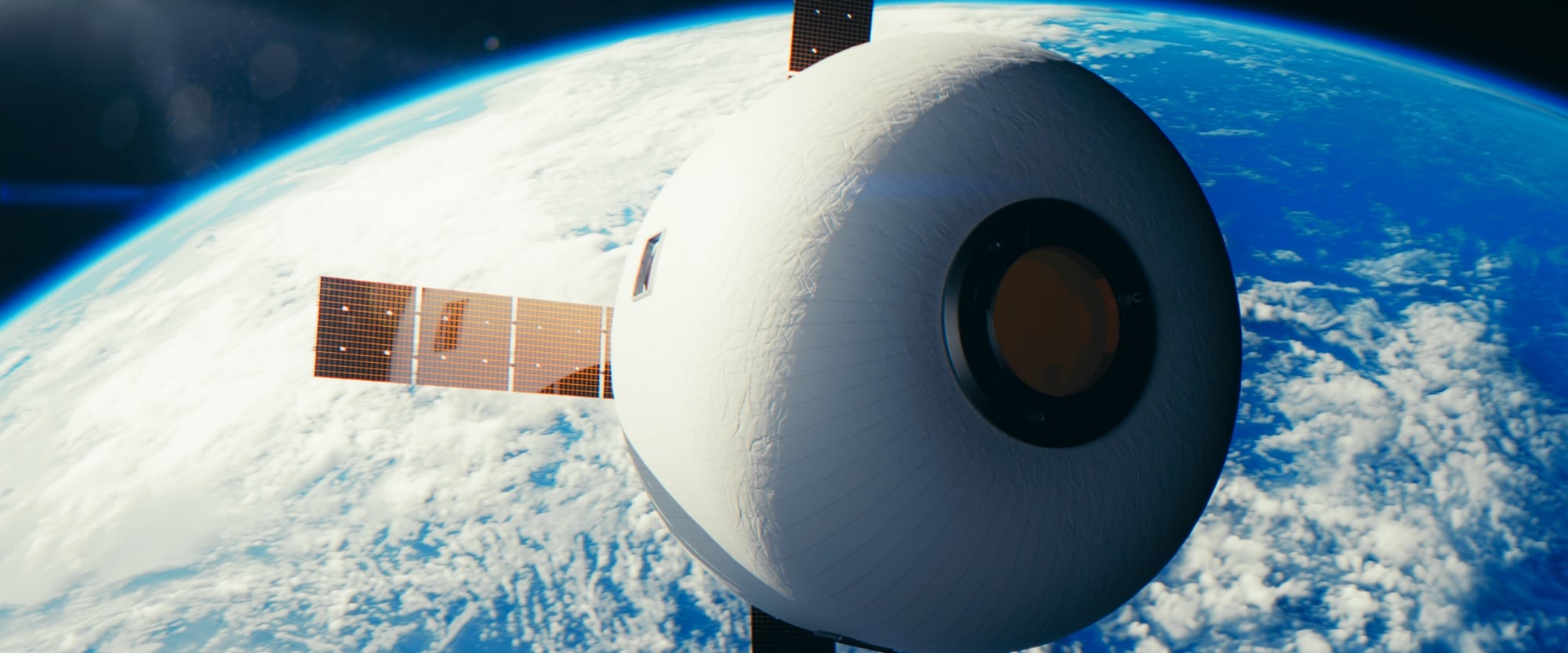
Max Space, a startup, plans to develop inflatable modules for space stations and other applications, with the first module scheduled to launch on a SpaceX mission in 2025. The company's expandable modules are designed to be larger and less expensive than alternatives, with a focus on scalability and cost-effectiveness. Max Space aims to supply modules to other companies developing commercial space stations and is currently focused on developing the technology, having raised a "sub-$10 million" seed round to fund the initial module's development and launch.
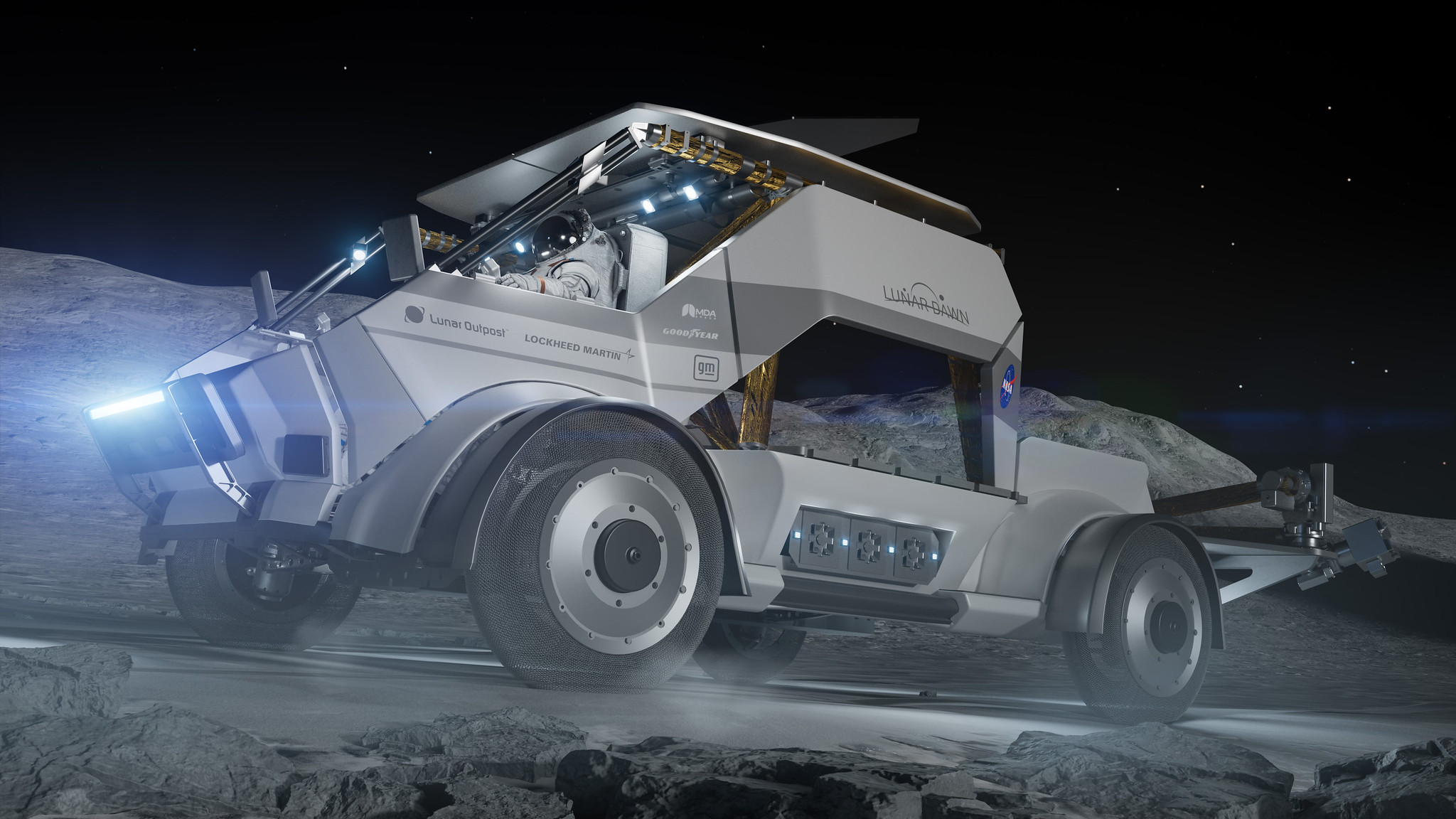
NASA has selected three companies, Intuitive Machines, Lunar Outpost, and Venturi Astrolab, to develop lunar rover concepts for Artemis missions, with the rovers to be provided as a service. The rovers will transport astronauts and conduct scientific investigations on the lunar surface, with the goal of continued exploration and science after astronauts depart. The companies, including automotive and aerospace industry partners, will refine their designs over the next year, with NASA expecting to select one company for a demonstration task order. The contract emphasizes competition and flexibility, with potential for commercial use of the rovers beyond NASA missions.
China provides updates on its lunar exploration plan, including upcoming missions like Chang'e-6 and Chang'e-7, while private companies like LandSpace and Space Pioneer make progress on their rockets. The commercial launch complex in Wenchang is also gearing up to support private Chinese rockets, and China plans to launch roughly 100 rockets in 2024, including new debuts like Chang Zheng 12. Additionally, recent Chinese rocket launches include the successful deployment of satellites and communication technology tests.
China's state-owned contractor, CASC, plans to conduct test flights for two new large reusable rockets, a 4-meter and 5-meter diameter, in 2025 and 2026 respectively. The rockets are part of China's efforts to develop reusable launch vehicles and support commercial ecosystems. Additionally, several Chinese commercial rocket makers are also working towards developing small-scale hop tests for larger, reusable launch vehicles, with companies like Landspace, iSpace, and Galactic Energy planning their first flights in the near future.
NASA will broadcast the departure of the Axiom Mission 3 private astronaut flight from the International Space Station as the crew prepares to return to Earth. The four-member crew is set to undock from the station's Harmony module in a SpaceX Dragon spacecraft and splash down off the coast of Florida. The coverage will be available on various platforms, and the mission aims to foster a commercial market in low Earth orbit, expanding human spaceflight opportunities and access to the International Space Station.