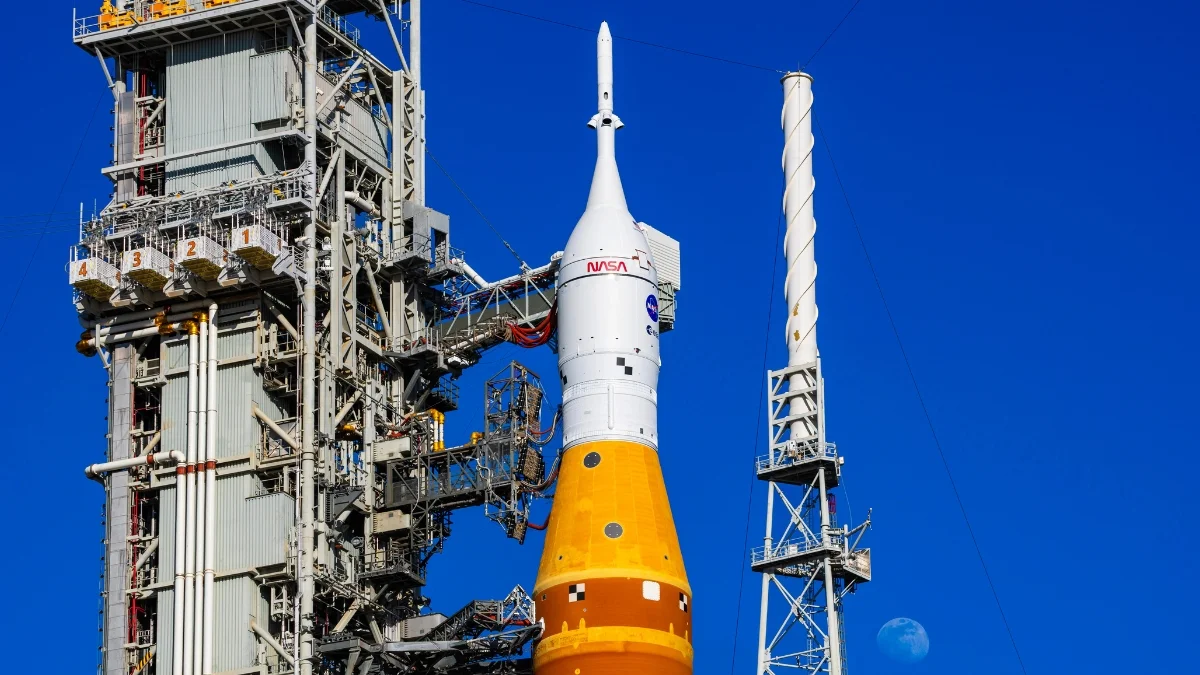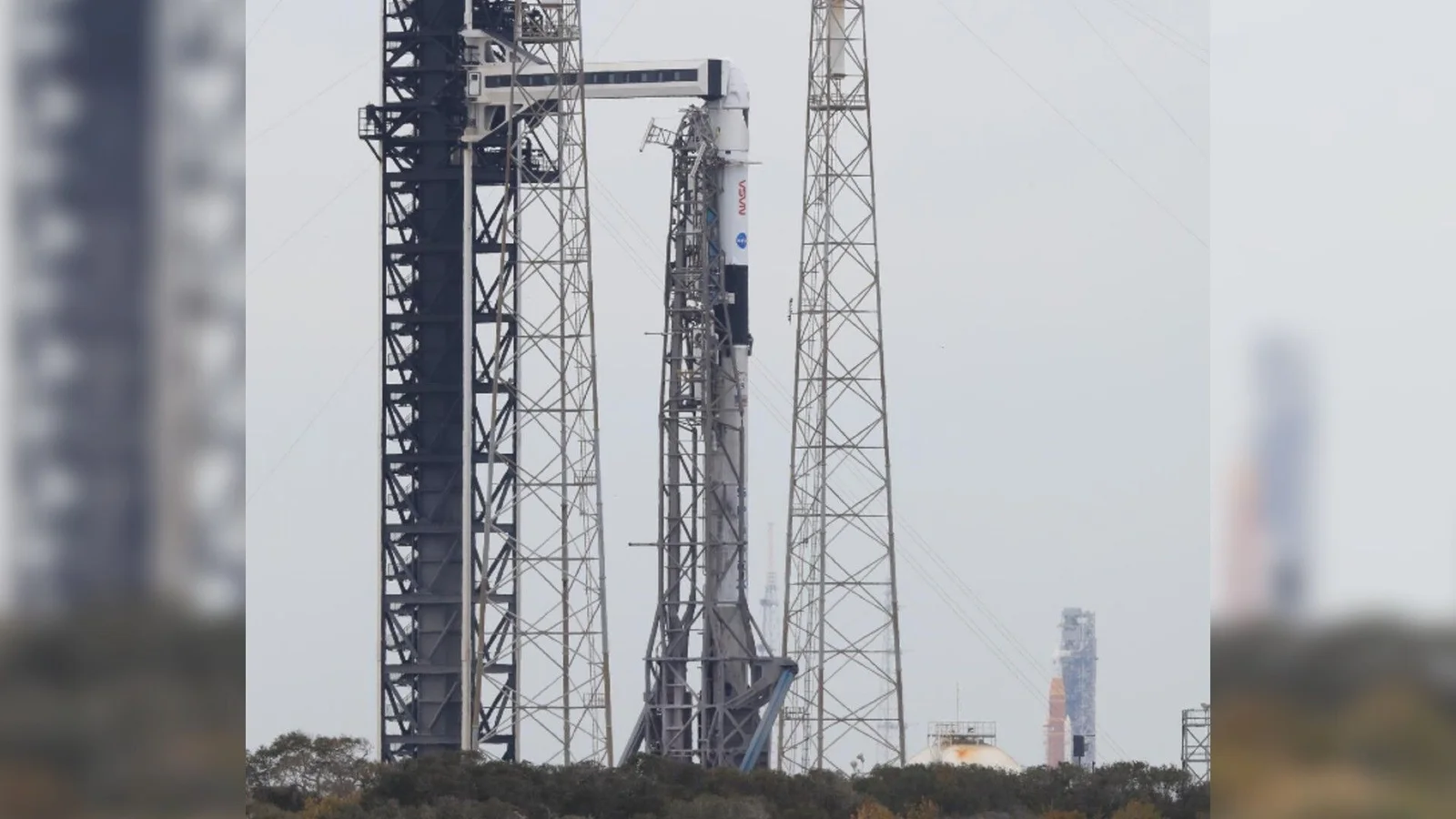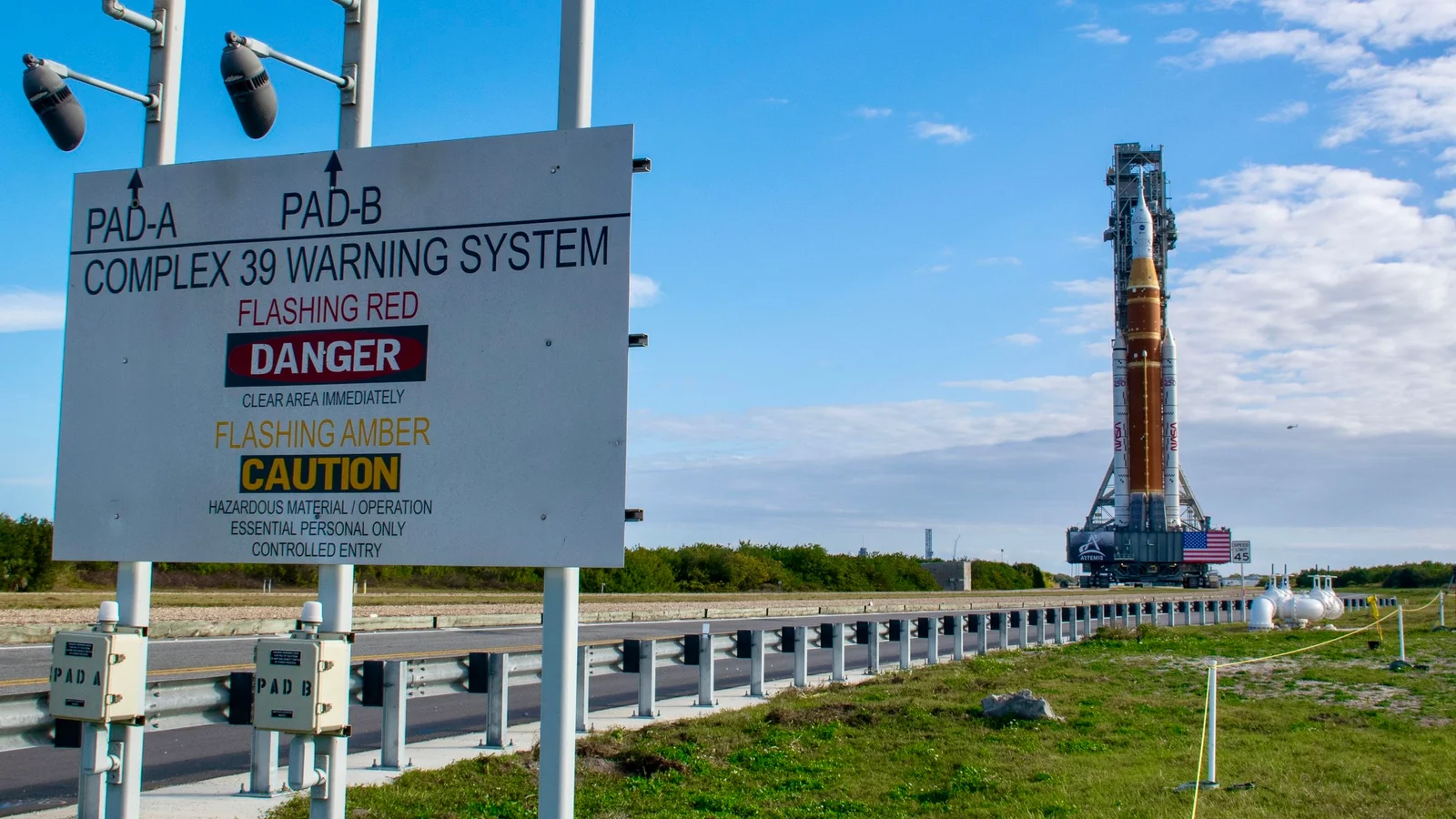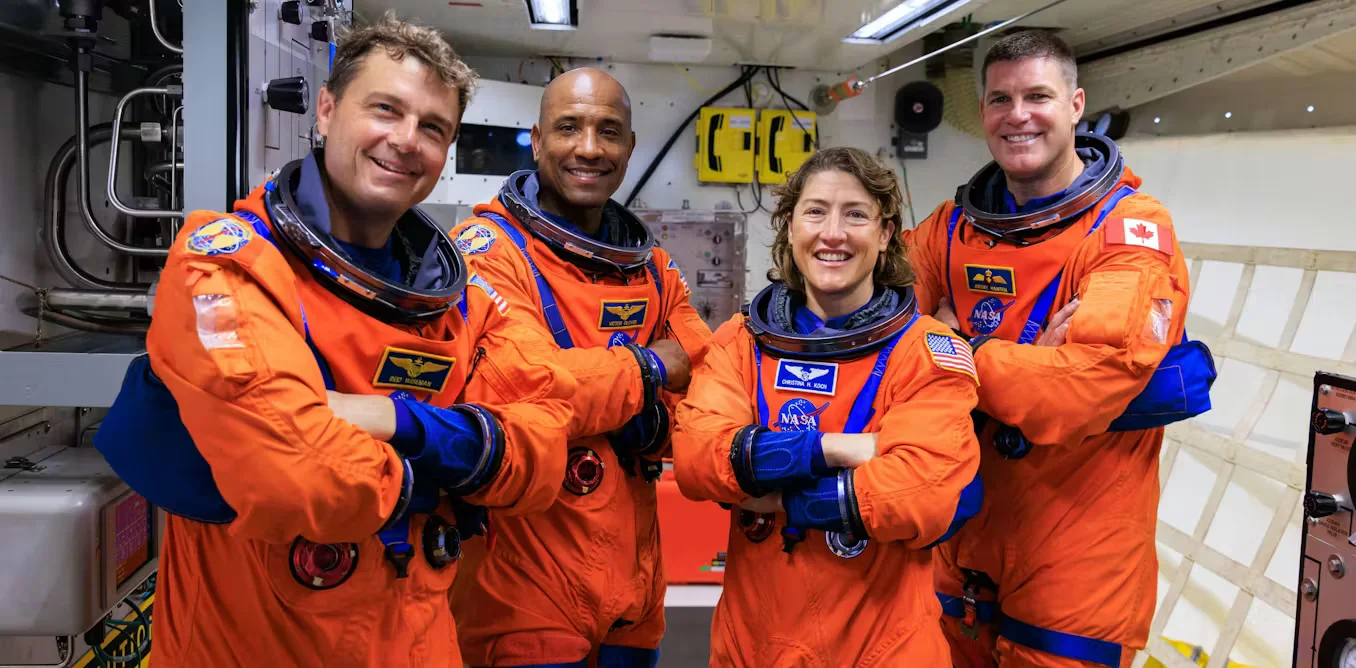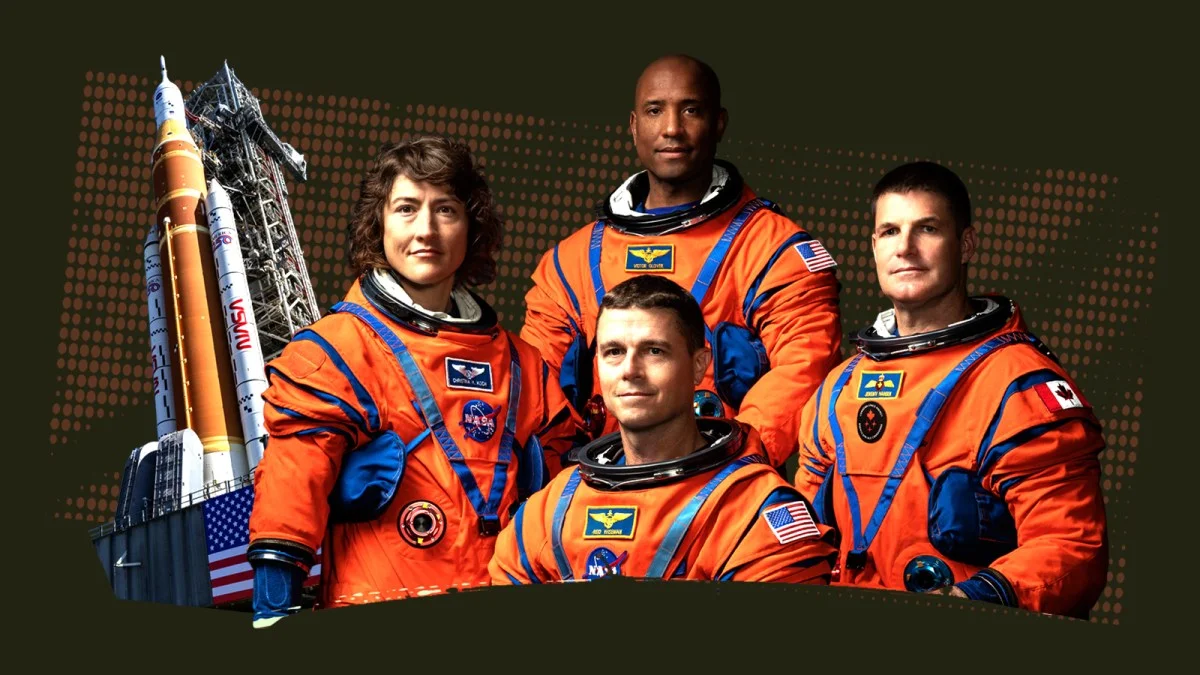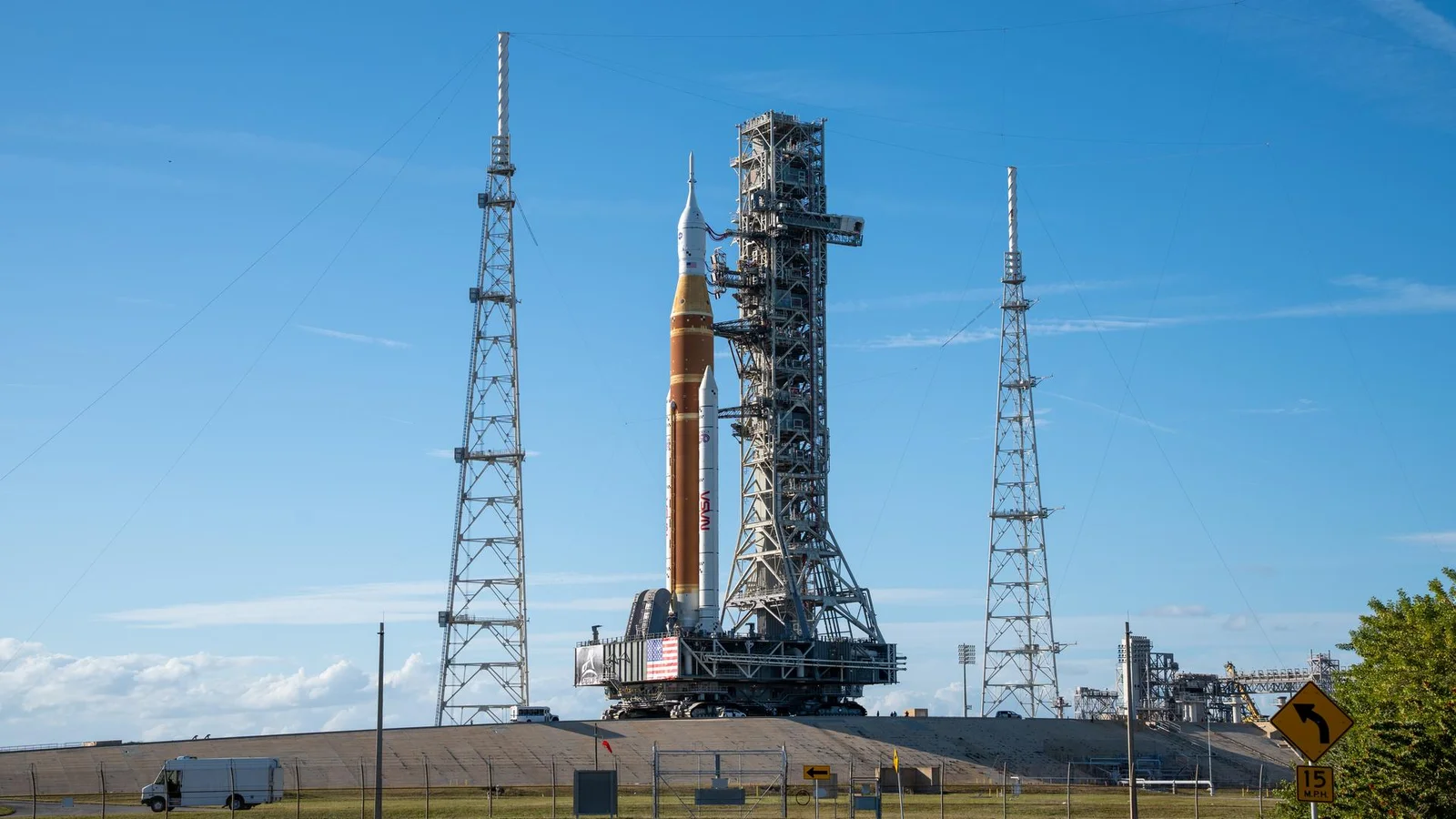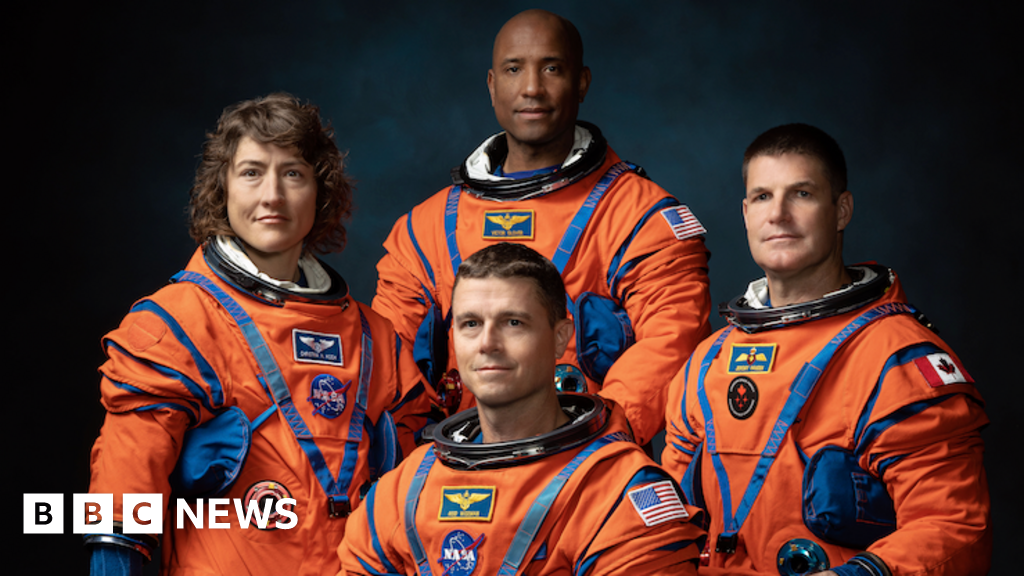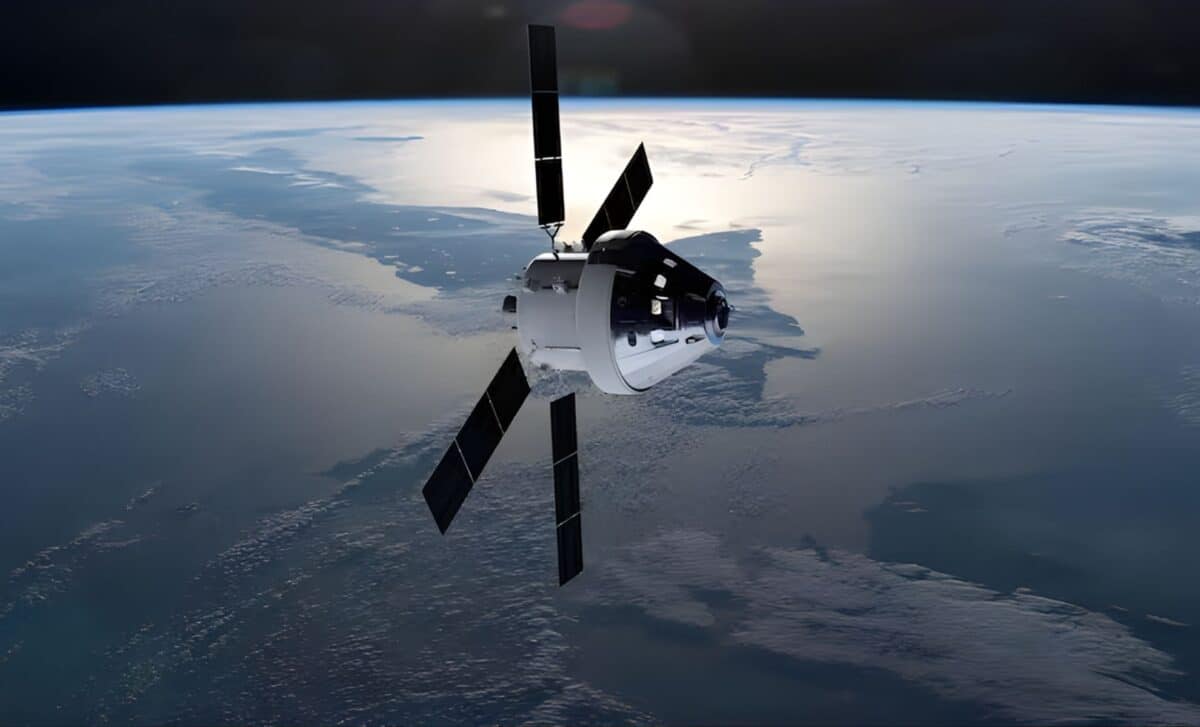
NASA's Artemis II mission, the first crewed Moon mission in over 50 years, is scheduled to launch between February 6 and April 2023 from Kennedy Space Center, with a crew of four astronauts testing spacecraft systems and preparing for future lunar landings, but it will not land on the Moon itself.
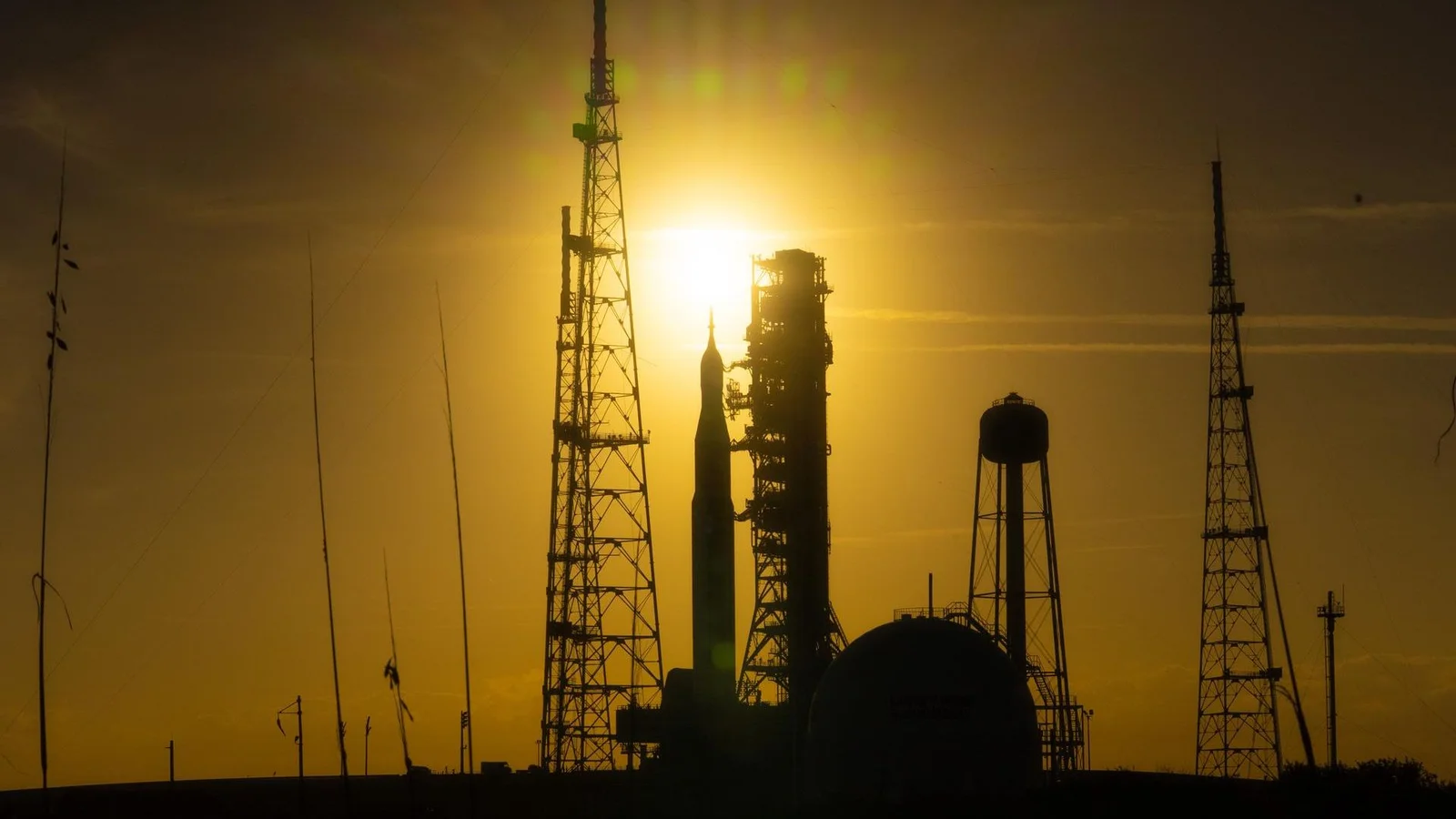
NASA is preparing for the Artemis 2 mission, aiming for a February launch window, with key milestones like rocket rollout scheduled for mid-January. Despite limited public updates, recent tests and internal preparations suggest the mission is progressing, marking the first crewed lunar trip since 1972.
NASA's Artemis 2 mission, set for launch in 2026, will send four astronauts on a 10-day lunar flyby to test systems for future lunar landings, marking a significant step toward establishing a sustained human presence on the Moon, with European contributions playing a key role.
China's upcoming Chang'e 7 lunar mission, scheduled for 2026, aims to explore the moon's south pole, search for water ice, and support future lunar base plans, featuring international payloads and advanced scientific instruments.
The article highlights six major space events in 2026, including NASA's Artemis II moon mission, India's Gaganyaan-1 crew capsule, the Pandora exoplanet hunter, the Haven-1 space station, the Boeing Starliner return to flight, and lunar rover missions, marking significant advancements in human space exploration and scientific discovery.
President Trump has outlined a series of ambitious projects with a 2028 deadline, including a return to the moon, a new White House ballroom, upgraded Air Force One jets, and a missile shield, aiming to leave a lasting legacy despite the challenges of project delays and costs.
NASA is preparing for the Artemis 2 mission in 2026, which will be the first crewed lunar flyby since 1972, marking a significant step towards establishing a permanent lunar presence and advancing human space exploration beyond low Earth orbit.
NASA's Artemis II mission, set to launch as early as February 2023, will send four astronauts on a lunar flyby to test spacecraft systems and gather scientific data, marking a significant step toward returning humans to the moon and establishing a lunar base, amid technological challenges and geopolitical interest.
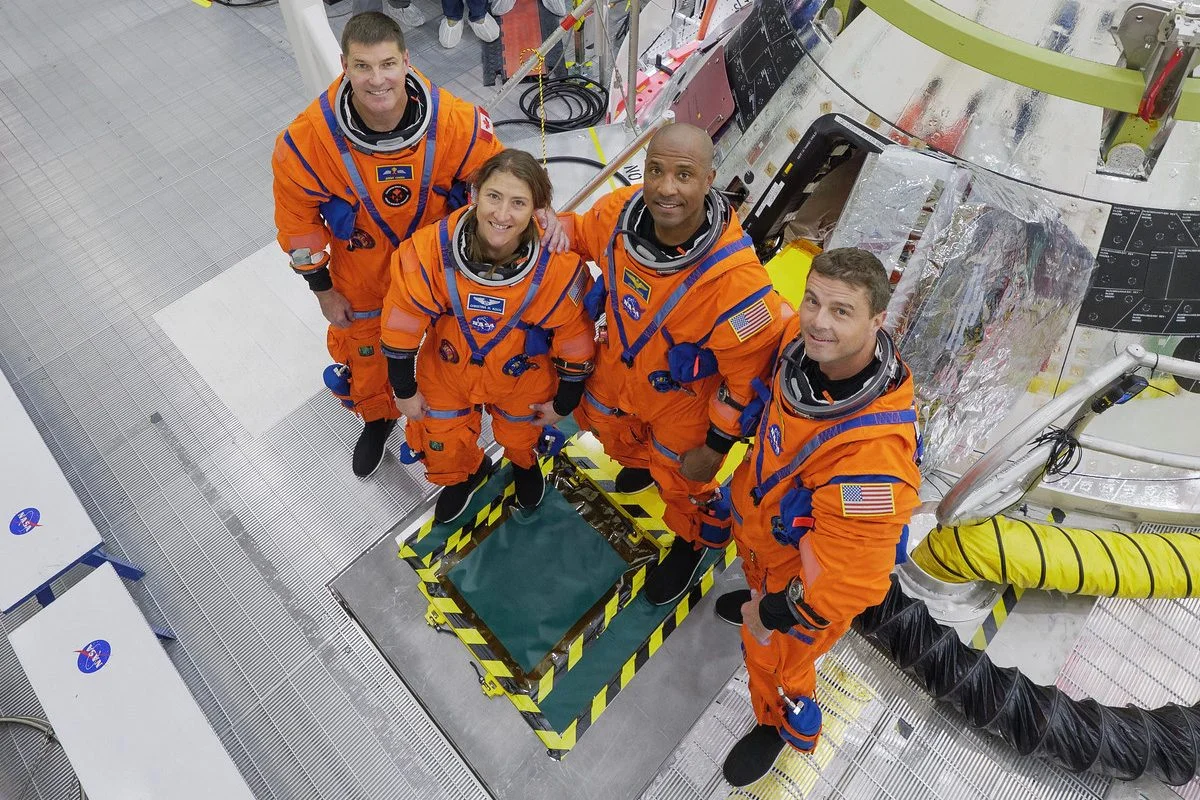
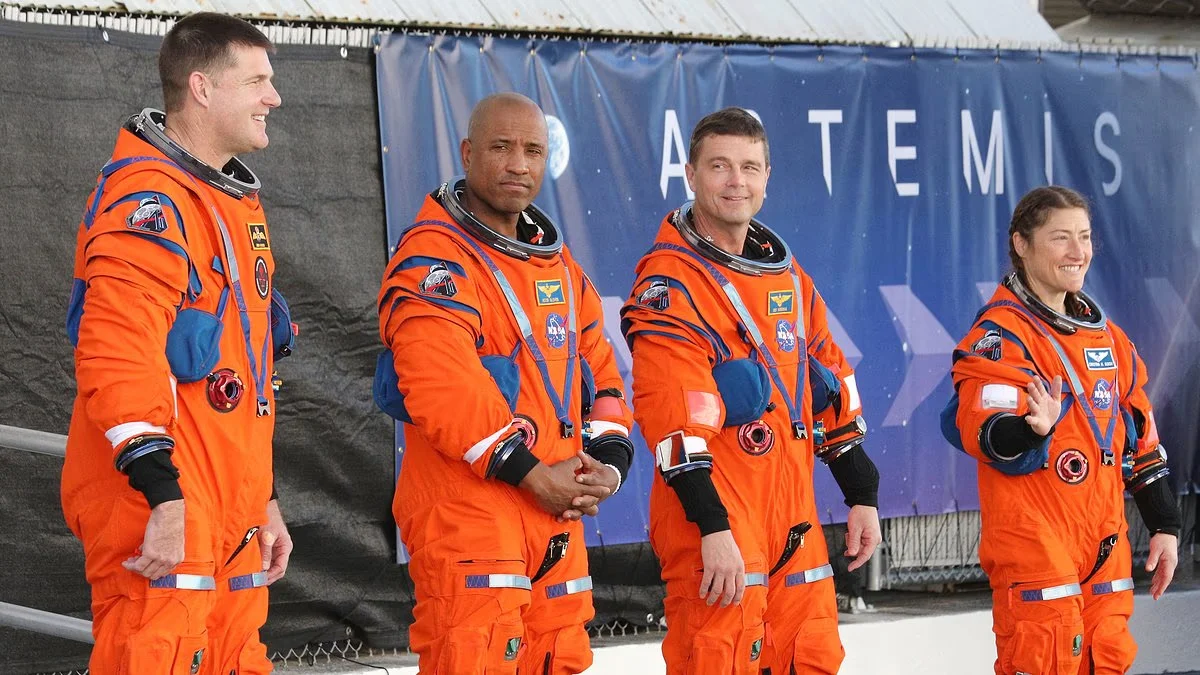
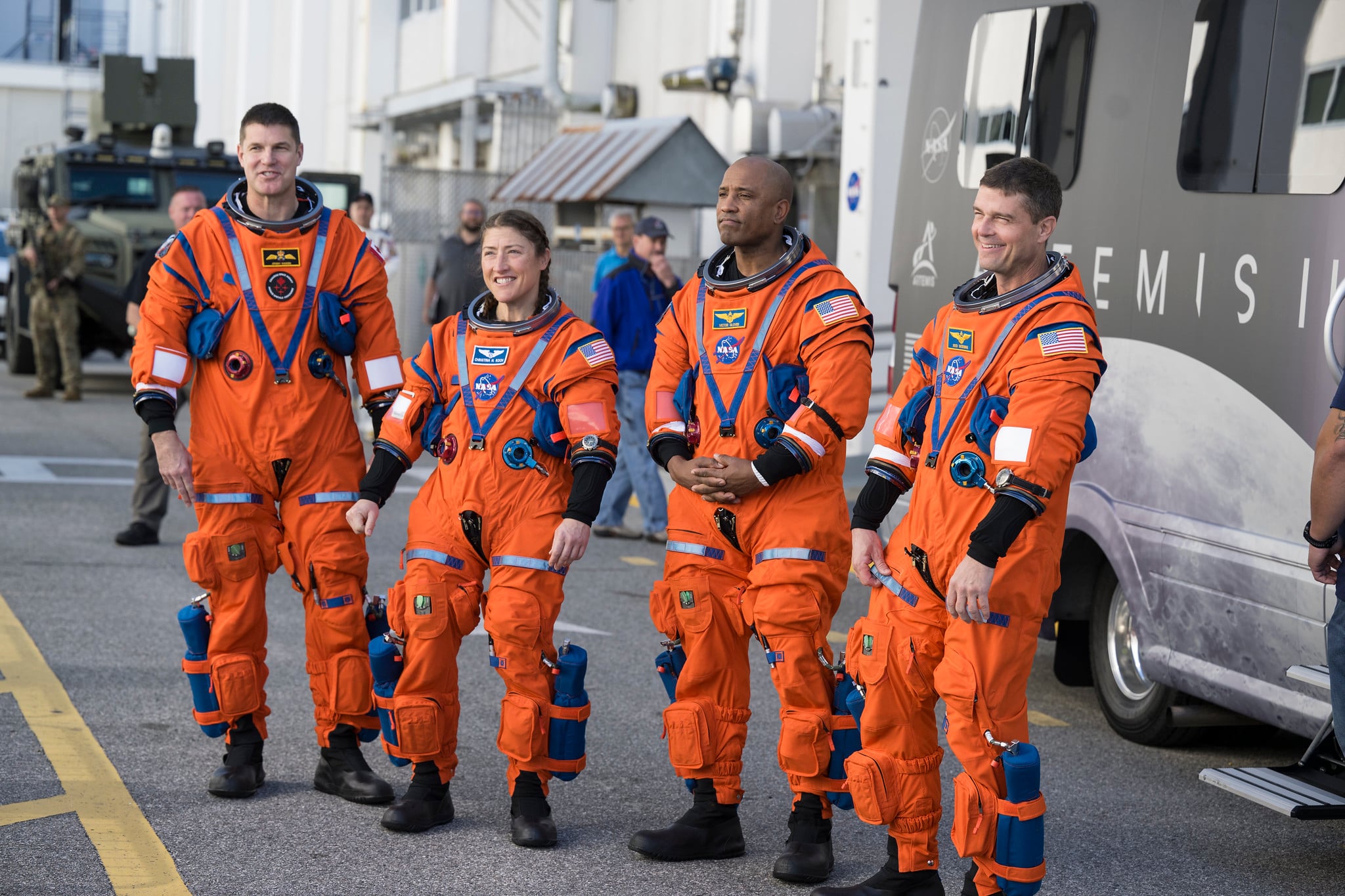
NASA's Artemis 2 astronauts completed a full launch day dress rehearsal at Kennedy Space Center, marking a key step towards their upcoming mission around the moon in early 2026, with launch expected no earlier than February 2026.
NASA plans to launch Artemis II in 2026, a crewed mission around the moon to test new spacecraft and systems, marking a significant step in returning humans to the lunar surface and advancing space exploration goals.
The article compares NASA's historic Apollo 8 mission in 1968, which famously saved 1968 and inspired the world, with the upcoming Artemis 2 mission in 2026, highlighting the challenges, historical significance, and the potential for renewed space leadership as NASA prepares to send humans around the moon again.
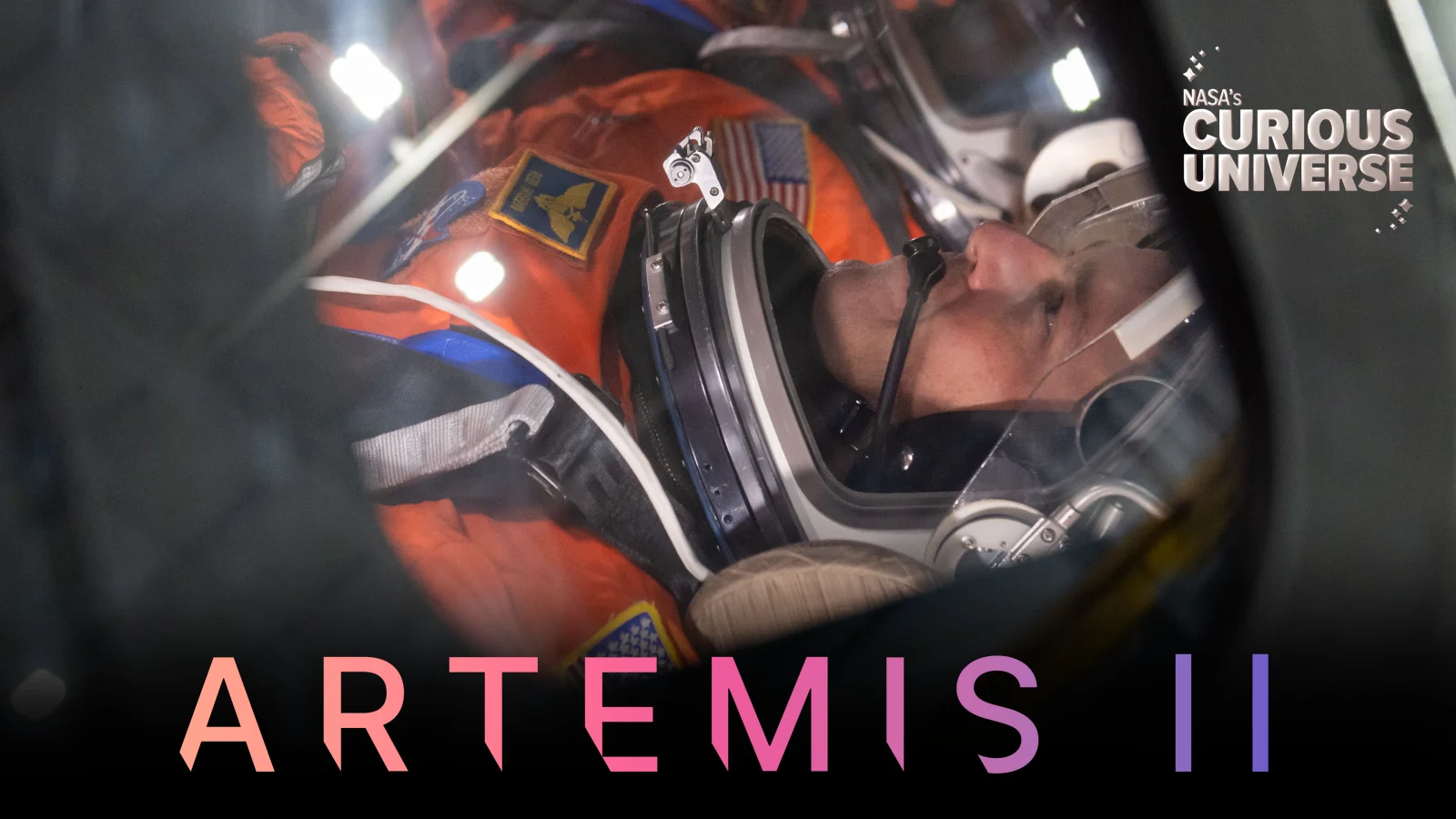
NASA's Artemis II closeout crew, acting as a 'pit crew,' prepares astronauts for launch by assisting with suit-up, securing inside the Orion spacecraft, and closing hatches, ensuring everything is ready for the lunar mission, which is a key step toward future Moon and Mars exploration.
NASA's Artemis II crew and teams conducted a comprehensive countdown demonstration test at Kennedy Space Center, practicing launch procedures and emergency protocols ahead of their upcoming Moon mission, marking a significant step in NASA's Artemis program for future lunar and Mars exploration.
NASA's Artemis 2 moon mission's boosters were painted with an 'America 250' emblem to celebrate the 250th anniversary of the Declaration of Independence, symbolizing a new era of exploration and technological progress as part of the broader Artemis program aiming to return humans to the moon and prepare for Mars.
NASA is preparing for the Artemis 2 mission, which aims to send four astronauts around the Moon and back, potentially as early as February 2024, marking the first human lunar journey since Apollo 17. The crew has completed a dress rehearsal, and final preparations are underway despite some delays caused by technical issues. The mission will not land on the Moon but will set the stage for future lunar exploration.