Tag

Commercial Space Stations

All articles tagged with #commercial space stations

space-exploration4 months ago

NASA unveils plans for next phase of commercial space station development

NASA plans to invest up to $1.5 billion in a new phase of its Commercial Low Earth Orbit Development Program, supporting at least two companies to develop crew-tended space stations with the goal of demonstrating capabilities by 2030, shifting from fixed contracts to Space Act Agreements to foster more flexible development and competition.

space-technology1 year ago

"Sierra Space Conducts In-Space Habitat Test Amid Commercial Space Station Development"

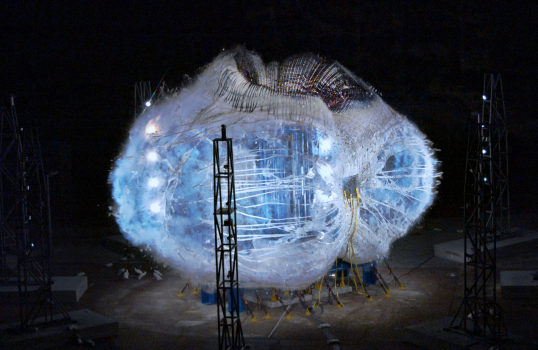
Sierra Space conducted an ultimate burst pressure test on its Large Integrated Flexible Environment (LIFE) habitat, which is designed to be launched encapsulated within any four-meter fairing, docked to a space station in orbit, and then inflated to a 9-meter by 16-meter structure. The test reached 77 pounds per square inch (psi) before bursting, exceeding NASA’s recommended level of 60.8 psi. Sierra Space plans to repeat the test for consistency and aims to have the LIFE habitats in operation by the end of the decade. Other commercial space station projects, such as Orbital Reef, Axiom Station, Haven-1, and Starmax, are also making progress in developing their space stations and modules.

space1 year ago

"NASA Considers Extending ISS Mission Beyond 2030"

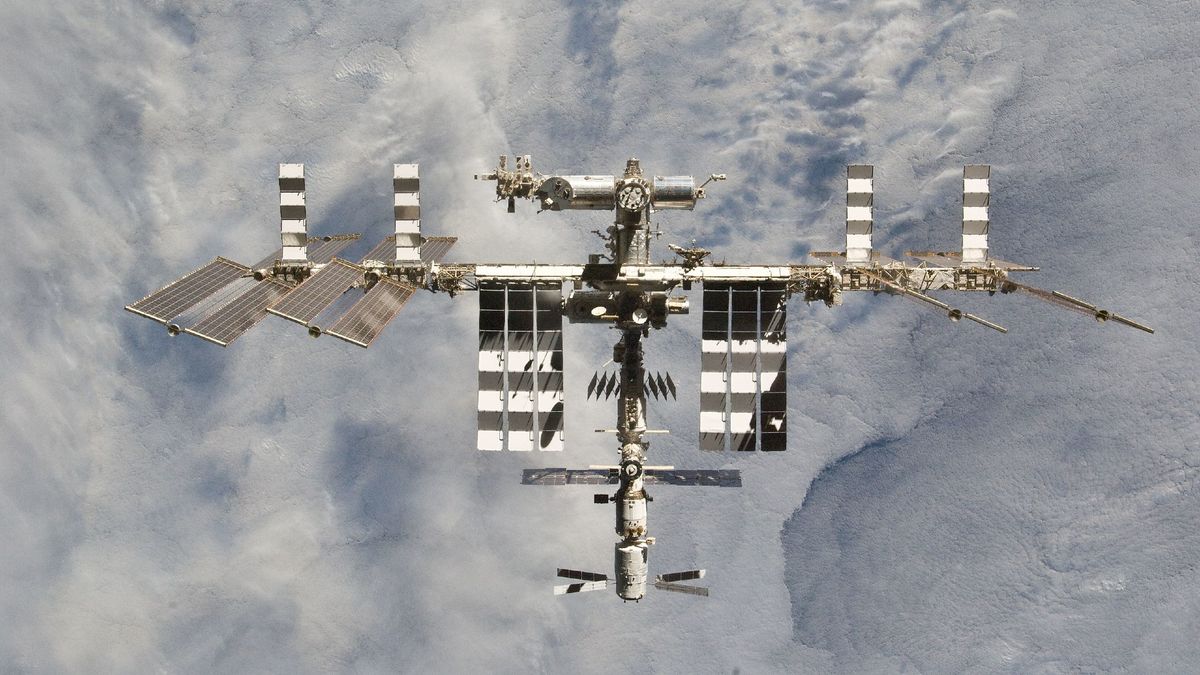
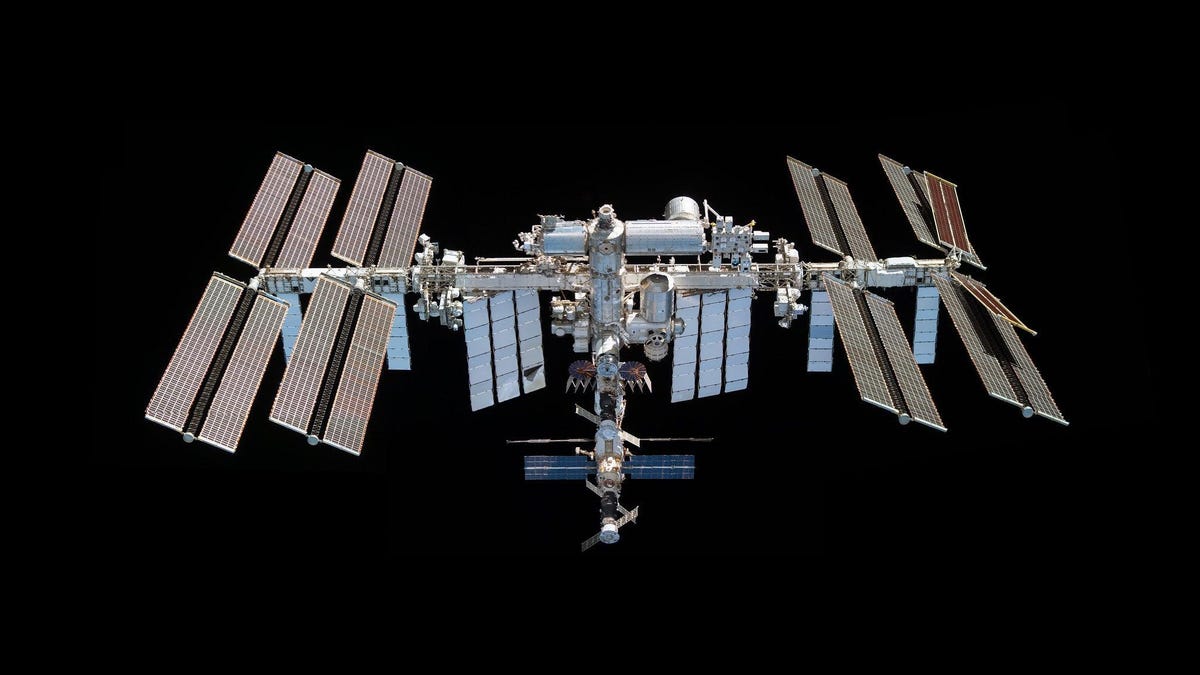
NASA is considering extending the operation of the International Space Station (ISS) beyond 2030, with a senior official stating that there is no specific reason to halt operations at that time. The potential extension depends on the station's health, funding, and international partnerships, particularly with Russia. NASA is also eyeing the development of commercial space stations to host agency astronauts and science in the 2030s, while emphasizing the future of low Earth orbit work post-ISS will be commercial. Discussions at senior agency levels have focused on preparing commercial vendors to safely bring astronauts on board, with ongoing early-stage work by U.S. teams and companies like Axiom Space.

space-technology2 years ago

"Sierra Space Successfully Tests Full-Scale Inflatable Module for Expandable Space Station"

Sierra Space has successfully conducted a burst test on a full-sized version of its Large Integrated Flexible Environment (LIFE) inflatable module, demonstrating that it exceeds NASA's safety requirements by bursting at a pressure of 77 psi, nearly 27% above the recommended level. The module is designed to fit within a five-meter payload fairing at launch and then inflate once in orbit, with plans for a larger version to fit into a seven-meter payload fairing. Sierra Space intends to use the module as part of the Orbital Reef commercial space station and has received an unfunded NASA Space Act Agreement to support its development. More tests, including work on the atmospheric barrier and flight hardware, are planned for this year.

space2 years ago

Advancements in New Space Stations by NASA's Commercial Partners

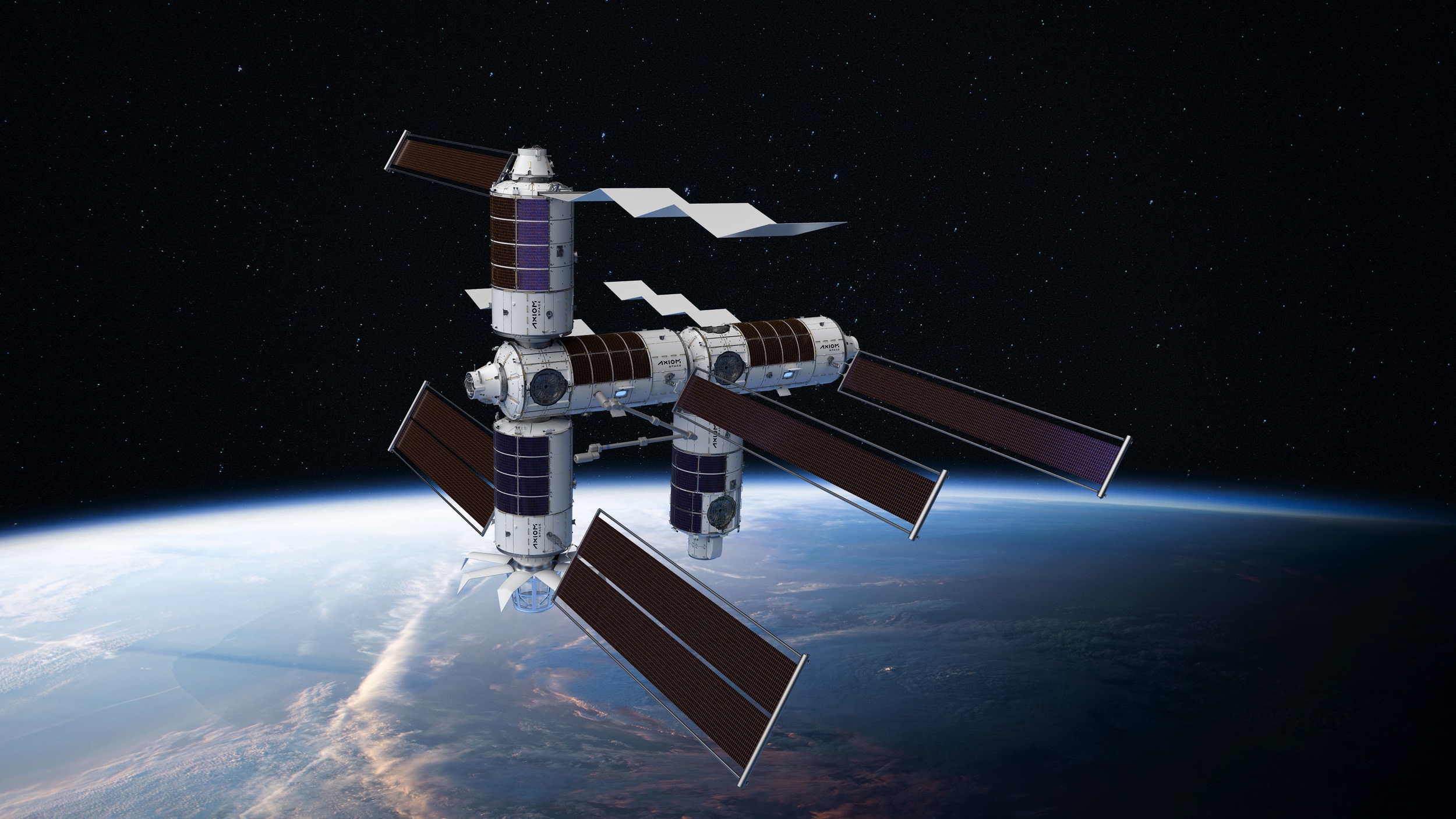
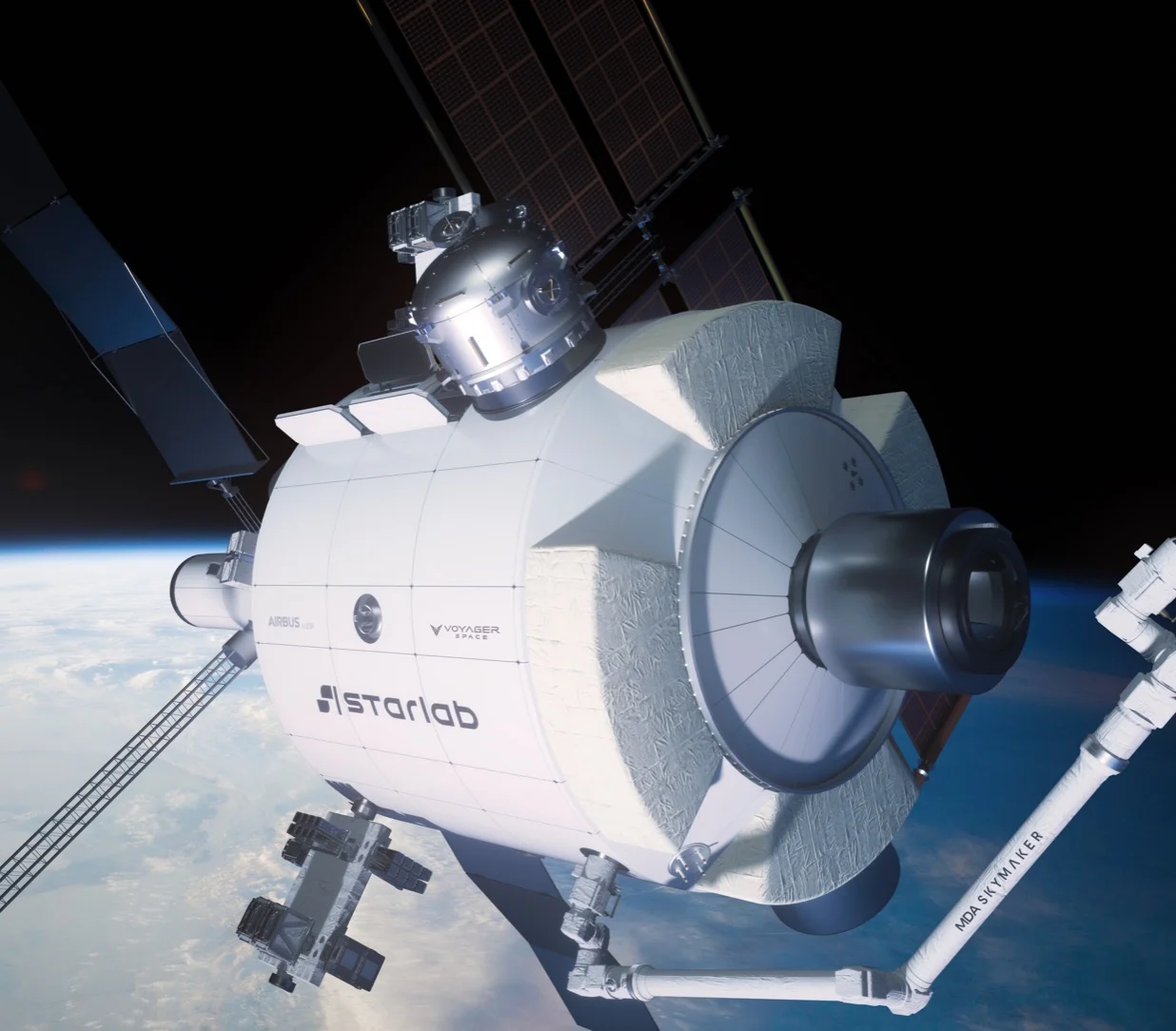
NASA's commercial space station partners, Axiom Space, Blue Origin's Orbital Reef, and Voyager Space's Starlab, are making progress in designing and developing their orbital destinations. Axiom Space is on track to launch its first module, Axiom Hab One, to the International Space Station in 2026, while Blue Origin recently completed tests for a window system and a structural demonstration for Orbital Reef. Voyager Space's Starlab completed milestones for an optical link demonstration and alternative urine processor demonstration. These developments are part of NASA's efforts to maintain a continuous human presence in low Earth orbit and provide services to NASA and others.

space-exploration2 years ago

NASA's Plan to Address the Impending Gap in Human Space Station Missions

NASA is facing the challenge of a potential gap in human space missions as the International Space Station (ISS) approaches its retirement. The space agency's private partners are working on building space stations to replace the ISS, but there is uncertainty about whether they will be ready in time. NASA is considering various options to maintain its presence in low Earth orbit, including extending the lifespan of the ISS or relying on short trips to low Earth orbit on SpaceX's crew Dragon and Boeing's Starliner. The agency is also at risk of budget cuts that could affect funding for commercial space station designs. Maintaining a presence in low Earth orbit is crucial for NASA's future missions to the Moon and Mars, as the ISS enables critical research on human spaceflight.

space2 years ago

NASA Considers $1 Billion Plan to Close International Space Station Gap

NASA acknowledges the possibility of a short-term gap between the International Space Station (ISS) and commercial successors, but assures that it would not be a safety risk. The agency is working with multiple companies to develop commercial space stations, aiming to have at least one ready by 2030 when the ISS is scheduled for retirement. The transition period between the ISS and commercial stations allows for flexibility, including the option to extend the ISS beyond 2030 if necessary. NASA is also exploring the use of commercial crew vehicles and other spacecraft to fill any potential gap. The agency expects to have a better understanding of commercial station development schedules after awarding Phase 2 contracts in 2026.

space2 years ago

NASA's Aging Space Station Faces Budget Cuts and Orbital Gap

As the International Space Station (ISS) ages, NASA is facing the possibility of a gap in capabilities for human spaceflight in low-Earth orbit (LEO) by 2030, as no private facilities may be ready to take over. NASA's plan is to continue flying the ISS until 2030 and then lease time on commercially operated stations. However, the development of these commercial LEO destinations (CLDs) may not be ready in time due to challenges in planning, funding, and schedules. While NASA does not want a gap, they believe it would not be unrecoverable and could leverage SpaceX's Crew Dragon and Boeing's Starliner to lessen the impact. Funding challenges and the potential extension of the ISS beyond 2030 could further hinder the development of commercial space stations.

space2 years ago

"NASA Considers Extending ISS Mission Beyond 2030"

NASA is open to extending the operation of the International Space Station (ISS) beyond 2030 if commercial space stations are not yet ready to take over by the end of the decade. The timeline for transitioning from the ISS to commercial stations is flexible and depends on the progress of companies developing these stations. NASA has been supporting the development of commercial low Earth orbit destinations (CLDs) and aims to have one or more certified for use by NASA astronauts by the late 2020s. However, concerns about funding and the readiness of commercial stations have raised uncertainties about the transition plan. NASA's Aerospace Safety Advisory Panel has called for full funding of the United States Deorbit Vehicle (USDV) to ensure a safe transition.

space2 years ago

"NASA Safety Panel Raises Concerns Over Risks During ISS Transition"

NASA's Aerospace Safety Advisory Panel has expressed concerns about the agency's plans to transition from the International Space Station (ISS) to commercial space stations, citing funding for an ISS deorbit vehicle as a key issue. The panel recommended that NASA develop a comprehensive understanding of the resources and timelines required for the transition, including specific metrics and deadlines for commercial station development. The panel is concerned about the tight schedule for developing commercial stations and the lack of a clear business case, which could pose programmatic and safety risks. Budget concerns also loom over the development of commercial space stations and the funding of the deorbit vehicle, with potential cuts and delays posing challenges. The panel emphasized the need for adequate funding to ensure the safe disposal of the ISS and urged NASA to make critical decisions to address potential budget shortfalls.

space2 years ago

Navigating the Future: ISS Transition Plans Evolving

NASA and industry officials are still working on plans to transition research from the International Space Station (ISS) to commercial space stations by the end of the decade. The exact process of this transition is still under discussion, with NASA and its international partners exploring how to facilitate the shift. NASA is currently developing specific requirements for commercial space station providers and plans to issue a request for information in the coming months. The goal is to establish top-level safety and service requirements that allow for flexibility and innovation. However, concerns have been raised about incorporating the needs of all users and ensuring compatibility among multiple stations. International participation, regulatory issues, and liability uncertainties also need to be addressed to avoid a gap in low Earth orbit.

space2 years ago

NASA Astronaut Joins Vast in Commercial Space Station Endeavors

Former NASA astronaut Garrett Reisman has been appointed as an adviser to Vast Space, a company working on developing commercial space stations. Reisman, who also worked at SpaceX, will assist Vast in its plans to develop a single-module station called Haven-1 as a precursor for larger space stations. He is particularly interested in the ability of Vast's space stations to create artificial gravity and hopes to answer questions about the effects of partial gravity on human physiology. Vast is working with SpaceX to launch Haven-1 and use Crew Dragon spacecraft to transport astronauts to the station.