Private companies and space agencies are rapidly advancing toward lunar mining, particularly for helium-3, with plans to start operations by 2029, but the lack of a comprehensive international legal framework raises concerns about disputes, environmental impact, and resource sharing.
The race to mine the moon is accelerating with new technological developments and international players, but the legal framework remains outdated and fragmented, raising concerns about equitable benefit-sharing, environmental impact, and potential conflicts. Urgent international cooperation and updated governance are needed to ensure responsible and sustainable lunar resource exploitation.
A mining company claims to have identified valuable helium-3 on the Moon's surface, fueling a growing interest among private companies and nations to extract lunar resources for energy and technological use, despite significant technical and economic challenges.
The Moon is being explored as a potential source of helium-3, a rare isotope crucial for quantum computing and clean fusion energy, with the US and China leading the race, raising significant technological and geopolitical implications.
Finnish tech firm Bluefors has purchased over $300 million worth of Helium-3 from the moon through Interlune, marking the largest resource purchase from space, to support the growing demand for quantum computing cooling technology. The deal highlights the potential for lunar resource extraction, particularly Helium-3, which is rare on Earth but abundant on the moon, and could be crucial for future technological advancements and energy solutions.
The article discusses the legal challenges of protecting lunar sites and resources, highlighting gaps in current space law, especially regarding heritage sites and resource extraction, and emphasizes the need for international frameworks to balance access, protection, and ownership as lunar exploration intensifies.
Research suggests that lunar craters may contain over a trillion dollars worth of precious metals like platinum, making the Moon a potential new frontier for mining. While lunar mining could be more accessible and economically viable than asteroid mining, legal issues surrounding ownership and resource sharing remain unresolved, requiring international cooperation and regulation.
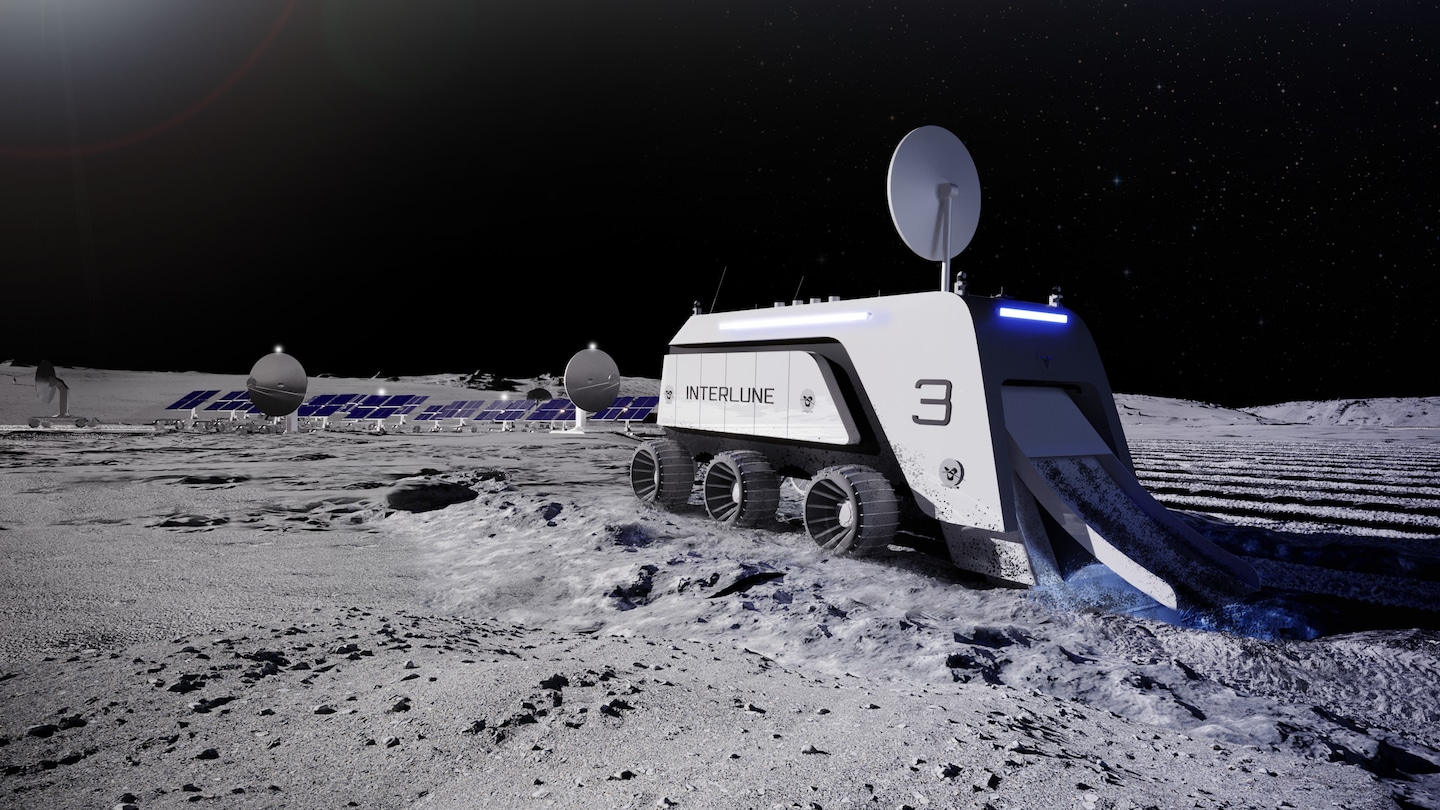
Startup company Interlune plans to mine the moon for helium-3, a rare and valuable isotope estimated to be worth $4 billion per ton. With plans to join a 2026 NASA mission for research and build a pilot plant by 2028, Interlune aims to begin shipping helium-3 back to Earth by 2030. This endeavor is part of a larger lunar rush, with NASA also intending to start mining on the moon by 2032, sparking discussions about the ethical and commercial implications of human interaction with the celestial body.
Interlune plans to mine helium-3 on the moon, as just 25 tonnes of this rare isotope could power the US for a year, but Earth's limited helium resources won't meet energy demands. The company has raised $15 million to extract helium-3 from the moon and bring it to Earth, aiming to address the energy needs through space exploration.
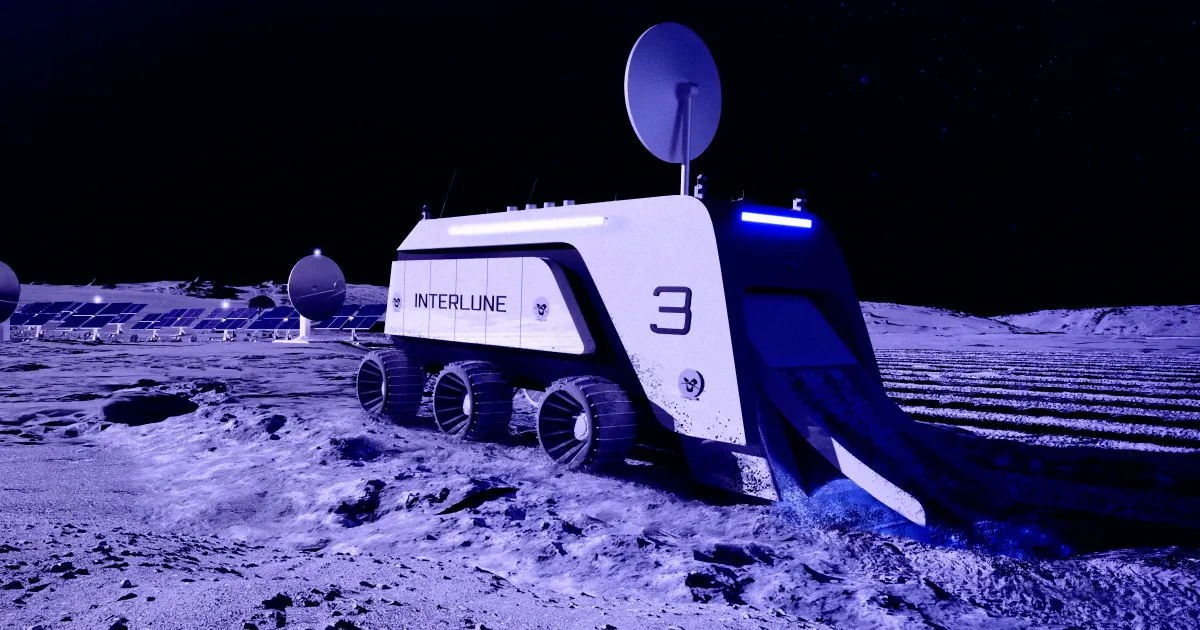
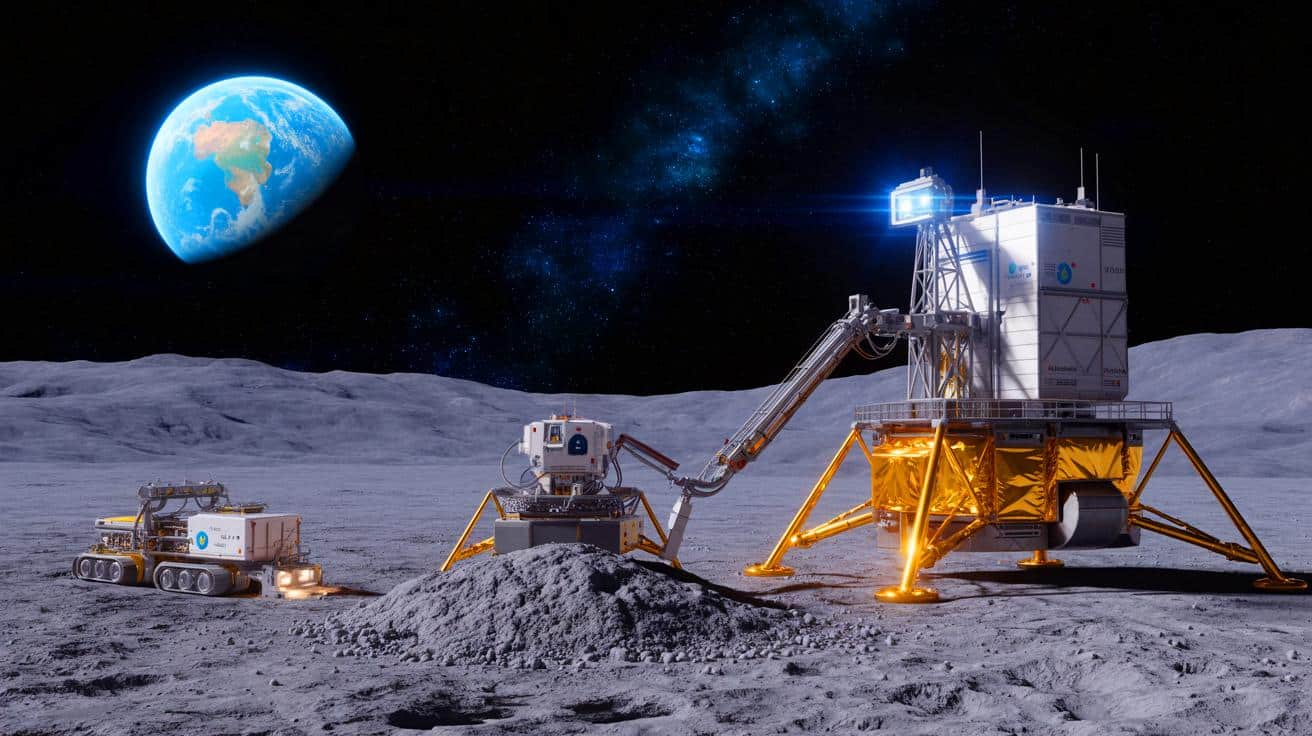
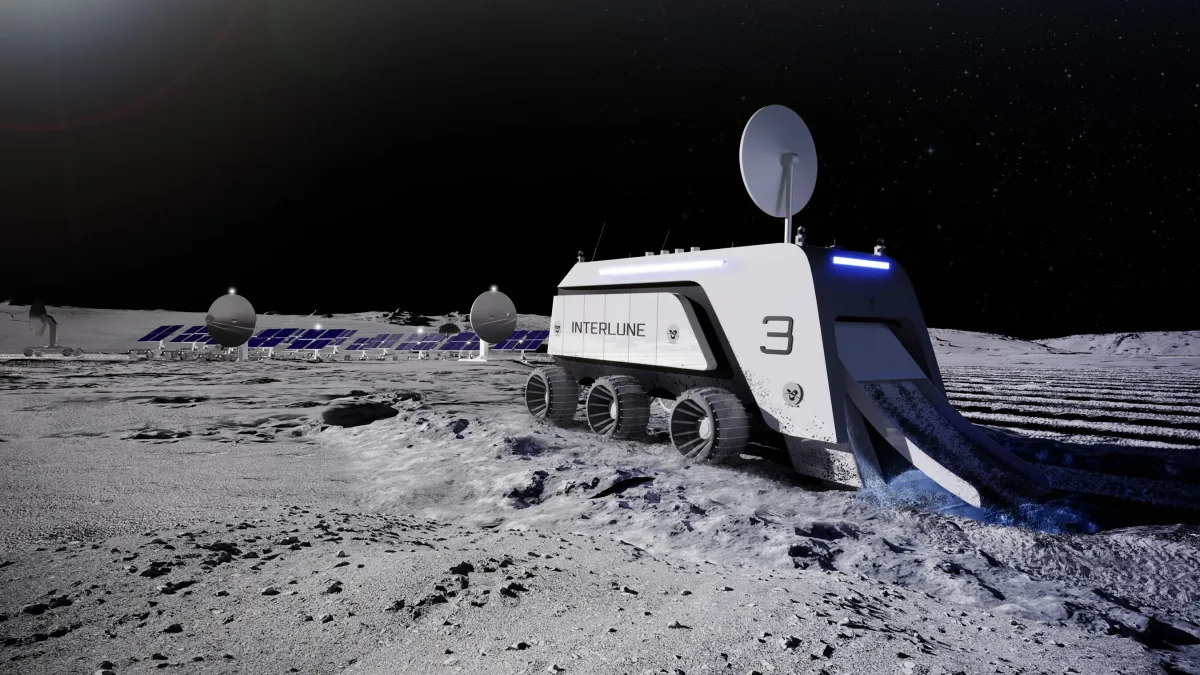
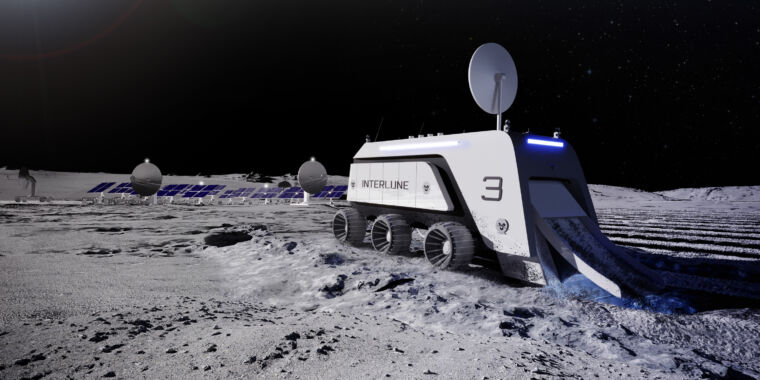
Interlune, a startup founded by former Blue Origin executives, aims to be the first private company to mine the moon for resources, starting with helium-3, which could be used for applications like quantum computing and medical imaging. The company plans to have a pilot plant on the moon by 2028 and begin operations by 2030, and has raised $18 million in funding, including $15 million in its most recent round led by Seven Seven Six. Interlune's goal is to excavate lunar soil, process it, and extract helium-3 gas for shipment back to Earth, with a robotic lander mission planned to assess the concentration of helium-3 at the selected location on the moon's surface.
Former Blue Origin employees have founded a company, Interlune, to mine helium-3 on the moon and sell it on Earth, raising $15 million in funding. Helium-3, a rare isotope, is abundant on the moon's surface and has potential applications in quantum computing and fusion energy. With NASA's Artemis Program investing in lunar exploration, Interlune aims to capitalize on the growing interest in space resources, although significant technical and market challenges remain.
Interlune, a private venture founded by former Blue Origin executives and an Apollo astronaut, has announced plans to mine the moon for Helium-3, a resource scarce on Earth but abundant on the moon. The company has raised $18 million and aims to develop technology to harvest and bring back lunar materials, with a focus on serving the quantum computing industry. Despite challenges and the need for new technologies, Interlune intends to conduct a prospecting mission by 2026 and hopes to begin full-scale operations by 2030. The company's funding round was led by venture capital firm Seven Seven Six, reflecting the growing appeal of the space sector to investors.
Former Blue Origin employees have founded Interlune, a company aiming to extract helium-3 from the lunar surface and sell it on Earth, with $15 million in funding. Helium-3 is rare on Earth but believed to be abundant on the Moon. The company faces challenges in extraction and transportation, but with NASA's Artemis Program investing in lunar exploration, the timing may be right for a lunar mining venture.
NASA's Artemis program aims to establish permanent bases on the Moon and utilize its resources, including water ice for sustaining astronauts and potential mining of rare-earth elements and helium-3. However, concerns have been raised about the environmental impact and potential disruption to lunar research efforts. The lack of clear regulations and protections for scientific areas on the Moon has prompted calls for international cooperation and the establishment of guidelines to preserve the Moon's untouched grandeur and scientific value before extensive human activities commence.
The US and China are engaged in a competitive space race to mine the moon and other celestial bodies for rare earth elements. While the US has a head start in lunar exploration, China has made significant advancements with its Chang'e missions, including soft landings and sample returns. Both countries are interested in establishing lunar bases to study and exploit lunar resources. Additionally, they are exploring the possibility of asteroid mining. However, challenges such as the high cost of bringing resources back to Earth and the potential risks of altering trajectories and causing collisions need to be addressed.