Tag

Southern Hemisphere

All articles tagged with #southern hemisphere

science1 year ago

Unusual Plutonium Isotopes Found in Southern Glaciers

Researchers from the Institute of Nuclear Physics PAN have discovered unprecedented plutonium isotope anomalies in cryoconite samples from Southern Hemisphere glaciers, potentially linked to the 1996 Mars-96 spacecraft crash. The study, which analyzed samples from 49 glaciers worldwide, found higher plutonium concentrations in the Northern Hemisphere, reflecting historical nuclear tests. The findings highlight the role of cryoconite in accumulating radioactive contaminants, posing ecological risks and offering insights into pollutant diffusion.

astronomy1 year ago

December 2024: Young Moon Aligns with Venus

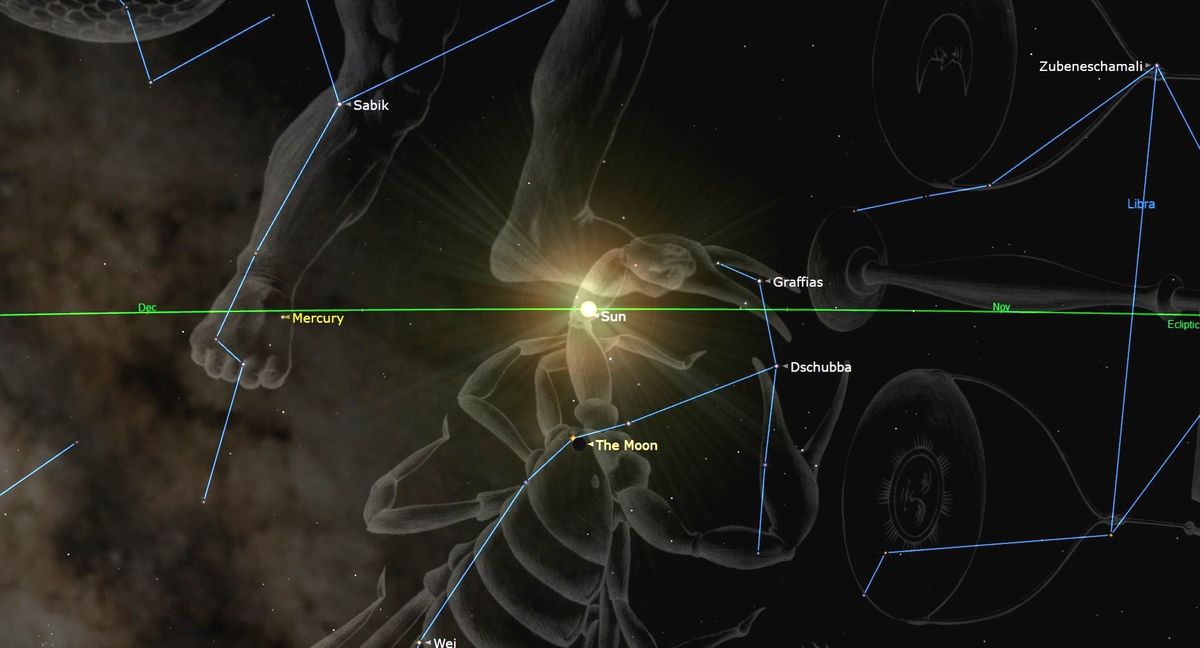
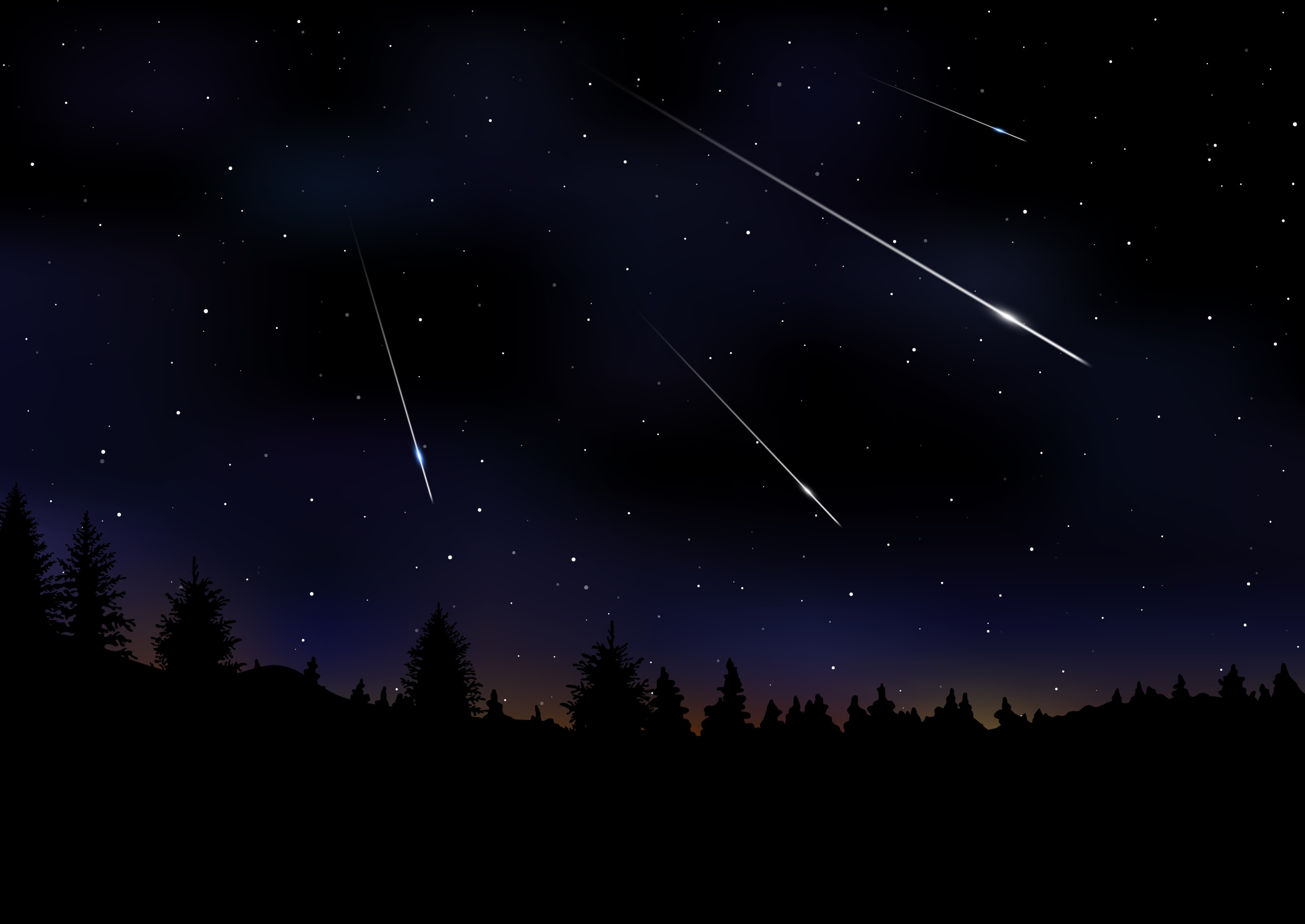
The new moon of December 2024 occurs on December 1, offering dark skies ideal for observing the Phoenicid meteor shower, which peaks on December 2. On December 4, the waxing moon will closely pass Venus in the evening sky, visible from various locations including New York and Buenos Aires. The Phoenicid meteor shower, best seen from the Southern Hemisphere, is associated with comet 289P/Blanpain and is known for its slow meteors. This period also offers opportunities to view other planets like Jupiter, Saturn, and Mars, along with prominent winter constellations.

science1 year ago

"Oldest Southern Hemisphere Sea Reptile Fossil Discovered"

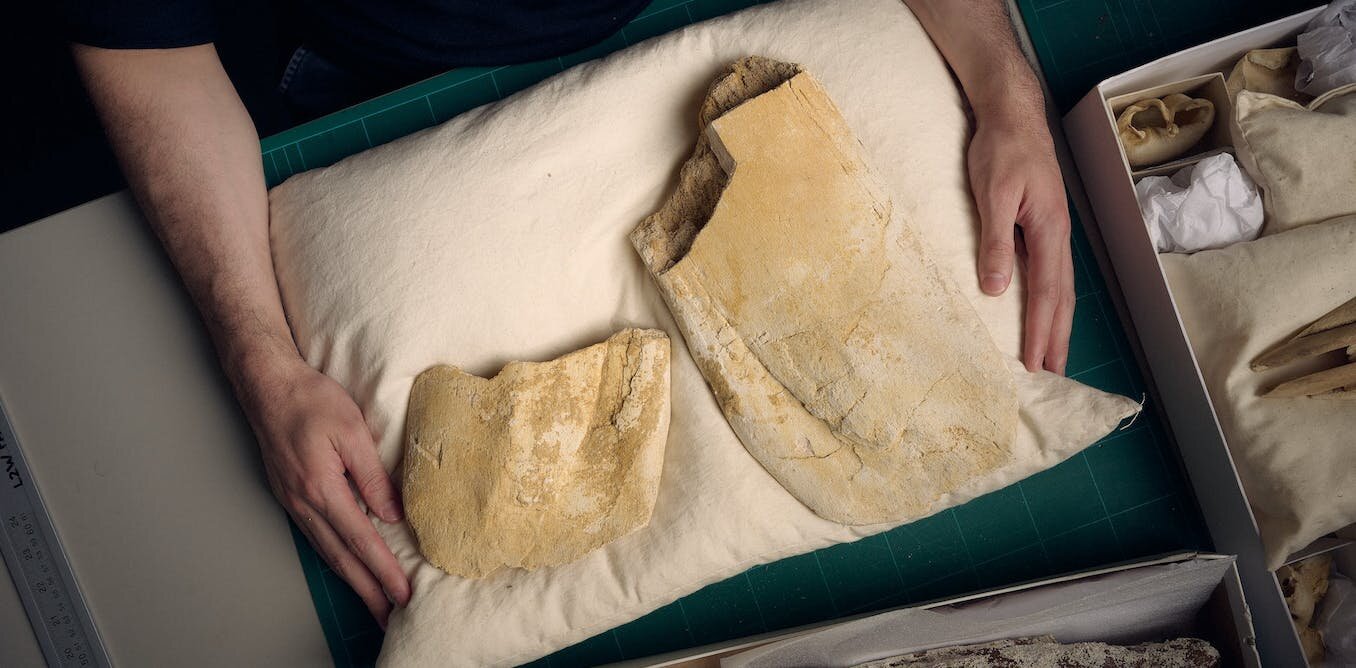
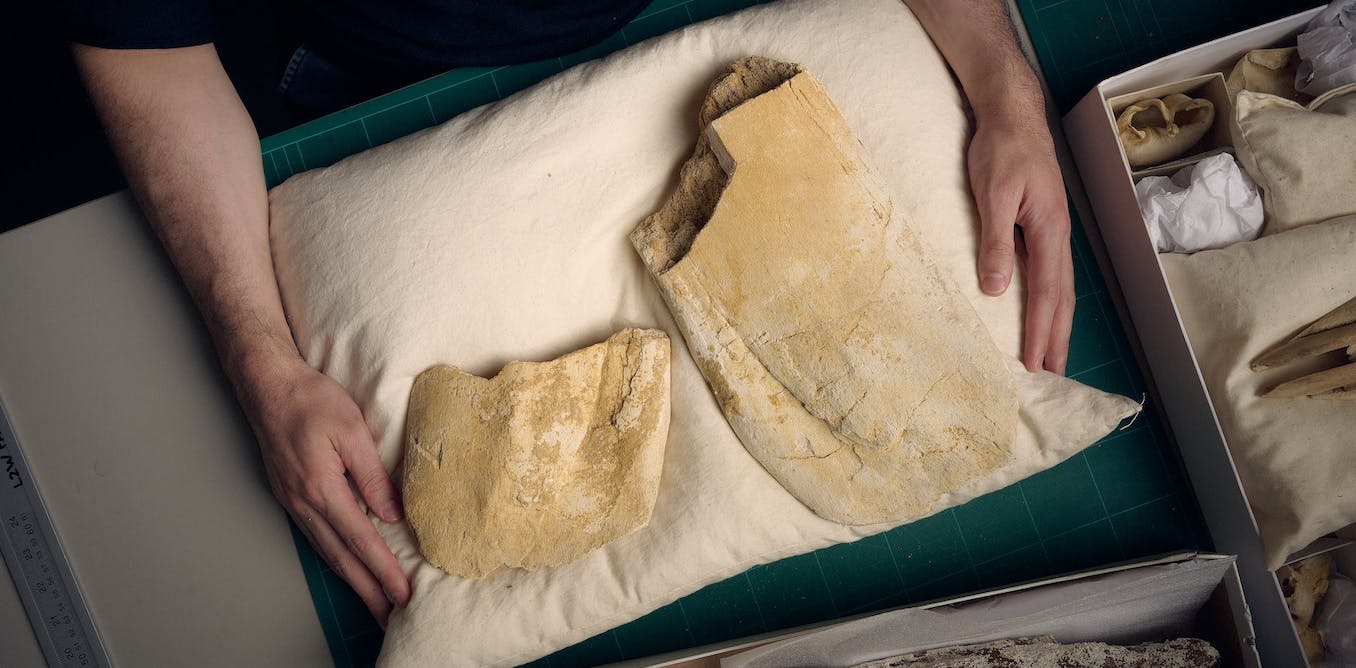
A 246 million-year-old nothosaur fossil discovered in New Zealand is the oldest marine reptile fossil found in the Southern Hemisphere. This finding, identified by Uppsala University’s Museum of Evolution, provides new insights into early sea reptiles' distribution and evolution following a mass extinction event. The fossil suggests that nothosaurs originated near the equator and spread rapidly, thriving in ancient polar regions due to extreme global warming.

science1 year ago

"Devil Comet Nears Closest Approach to Earth"

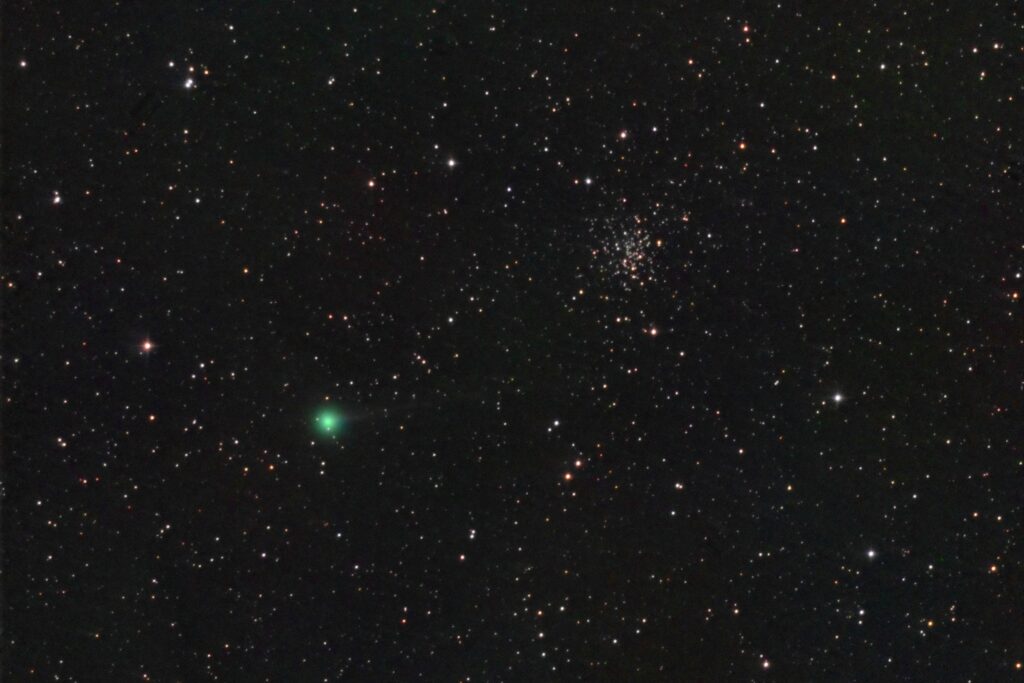
The "devil comet," officially known as Comet 12P/Pons-Brooks, will make its closest approach to Earth on Sunday at around 3 a.m. ET. This rare event offers a unique observation opportunity, especially for sky-gazers in the Southern Hemisphere. The comet, which has a horned appearance and has experienced multiple outbursts, will be more than 143 million miles away from Earth and poses no risk. Astronomers hope to gain insights into its behavior and characteristics during this once-in-a-lifetime event.

science1 year ago

"Greenland's Ice Loss Weakens Gravity, Spells Trouble for Southern Hemisphere"

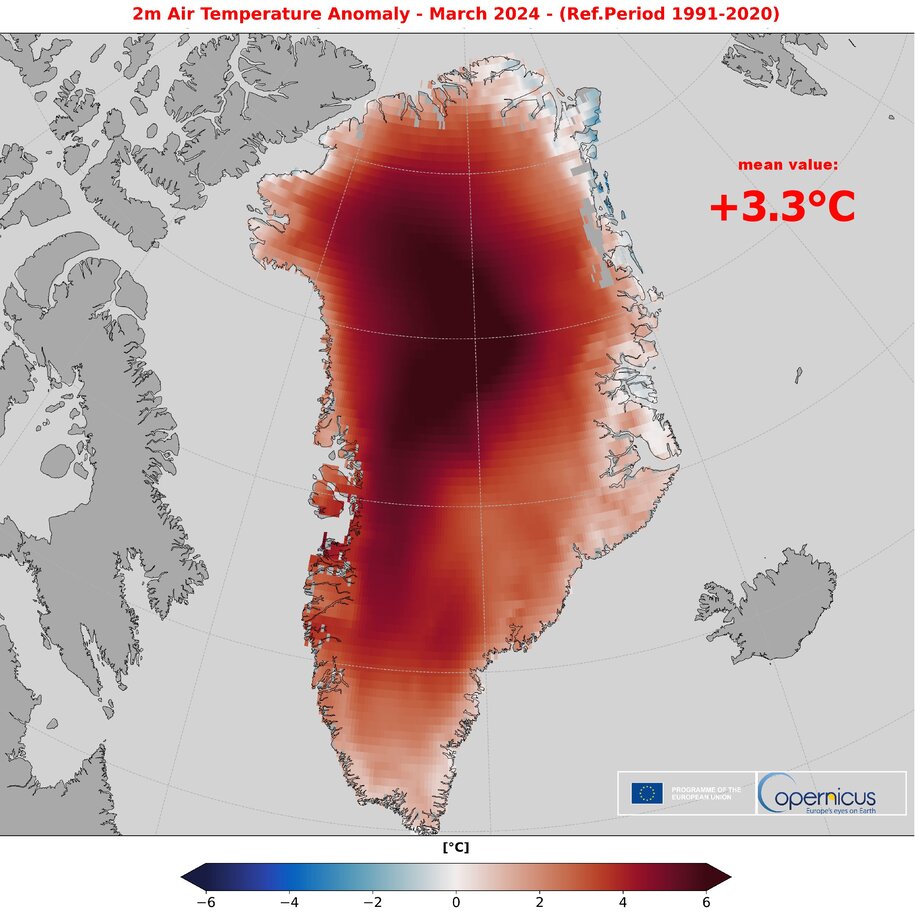
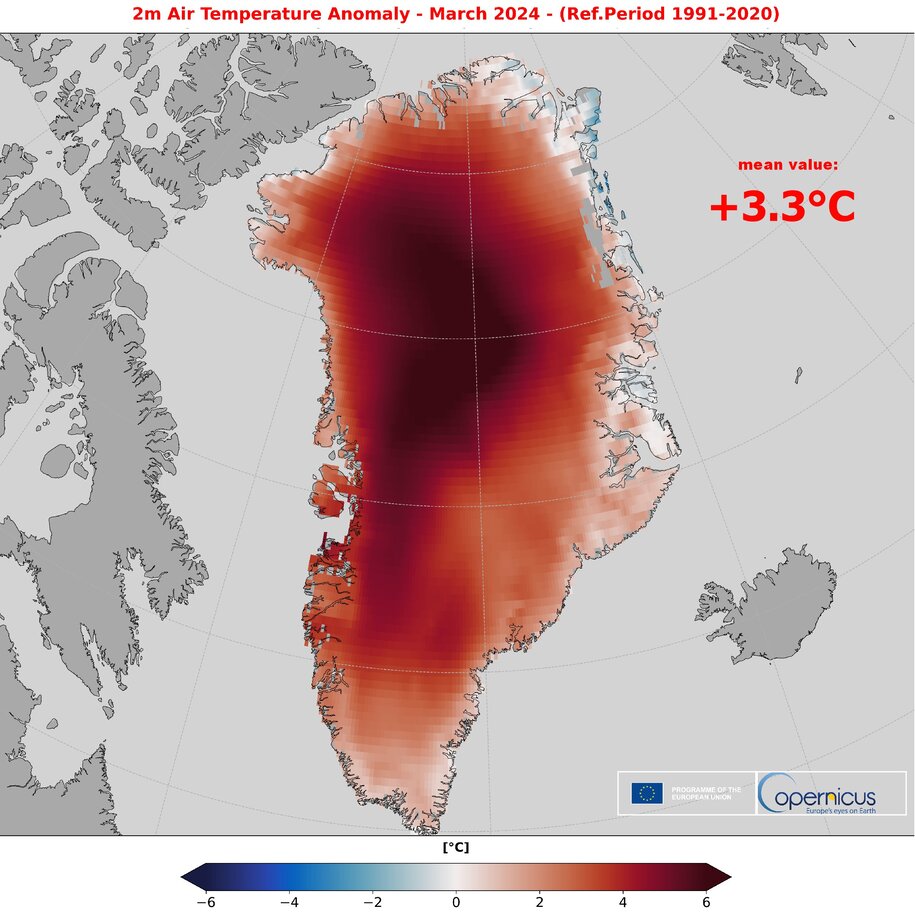
Due to significant ice loss, Greenland's gravity is weakening, which could have negative implications for the Southern Hemisphere. The loss of ice has caused a shift in the distribution of mass, affecting the gravitational pull in the region. This phenomenon has been linked to climate change and could potentially impact sea level rise and ocean currents in the Southern Hemisphere.

environment1 year ago

"Global Coral Reefs Facing Imminent Fourth Mass Bleaching Event, Scientists Warn"

The National Oceanic and Atmospheric Administration (NOAA) has warned that the world is on the brink of a fourth mass coral bleaching event, with the Southern Hemisphere reefs expected to bleach in the coming months due to record-breaking ocean heat fueled by climate change and the El Nino climate pattern. This event could result in widespread coral die-offs, including parts of Australia's Great Barrier Reef, and has the potential to be the worst bleaching event in the history of the planet. Scientists are closely monitoring the situation and conducting field inspections to assess the extent of the bleaching, with ominous signs pointing to a potentially devastating event for the ocean ecosystem and economies dependent on healthy reefs.

paleontology2 years ago

"Surprising Discovery: Ancient Jaw Bone Rewrites Evolutionary History of Largest Whales"

A 19-million-year-old fossil jaw bone discovered in South Australia suggests that the evolution of large baleen whales occurred much earlier than previously thought. The fossil, estimated to be from a nine-meter-long baleen whale, challenges the belief that baleen whales remained relatively small until the ice ages. Fossil finds from the Southern Hemisphere indicate that larger baleen whales may have emerged earlier in their evolutionary history, with the region potentially serving as the cradle of gigantic whale evolution. The findings shed light on the ancient role of whales in the ocean ecosystem and their potential response to global climate change.

paleontology2 years ago

Unexpected Discovery: Ancient Fossil Rewrites Evolutionary History of Baleen Whales

A 19-million-year-old fossil jaw bone discovered on the banks of the Murray River in South Australia suggests that the evolution of large baleen whales may have occurred much earlier than previously thought. The fossil, estimated to be from a nine-meter-long baleen whale, challenges the belief that baleen whales remained relatively small until the ice ages. The discovery, along with other fossils from the Southern Hemisphere, indicates that larger baleen whales may have emerged earlier in their evolutionary history. This finding suggests that the Southern Hemisphere played a significant role in the evolution of gigantic whales.

gaming2 years ago

Pokemon Go Winter Wishes event sparks backlash over misrepresentation

Pokemon Go players from the Southern Hemisphere are criticizing Niantic for the "misrepresentation" in the Winter Wishes event, which only caters to the Northern Hemisphere's winter season. Players are calling for future winter events to be inclusive of both hemispheres, expressing frustration at receiving winter-themed content during their summer months. There is a demand for Niantic to make alterations to address this issue.

astronomy2 years ago

Upcoming Meteor Shower Promises Spectacular Show in New Zealand

A new meteor shower, possibly named λ-Sculptorids, is predicted to appear in the night skies of the southern hemisphere on December 12, as the Earth passes through a cloud of debris left by Comet 46P/Wirtanen. Unlike other comets that cause annual meteor showers, Comet 46P/Wirtanen's irregular orbit makes this shower a rare occurrence. However, the shower is expected to be weak and may not be visible to the naked eye. There is a possibility that this meteor shower may become a regular event in the future, depending on the density of space debris along its orbital path.

paleontology2 years ago

Ancient Bird Tracks Found in Australia Rewrite History

Researchers have discovered the oldest bird footprints ever found in the Southern Hemisphere in Wonthaggi, Australia, dating back to around 120 million years ago. The tracks provide evidence that birds once lived in the southern polar regions of the supercontinent Gondwana. The findings shed light on how early birds dispersed across landmasses and biomes, suggesting that they may have migrated seasonally to and from other environments. The discovery of these tracks may inspire further exploration for evidence of Cretaceous birds in the Southern Hemisphere.

paleontology2 years ago

"Unearthed: Extraordinary Fossils from South America's Dinosaur Era"

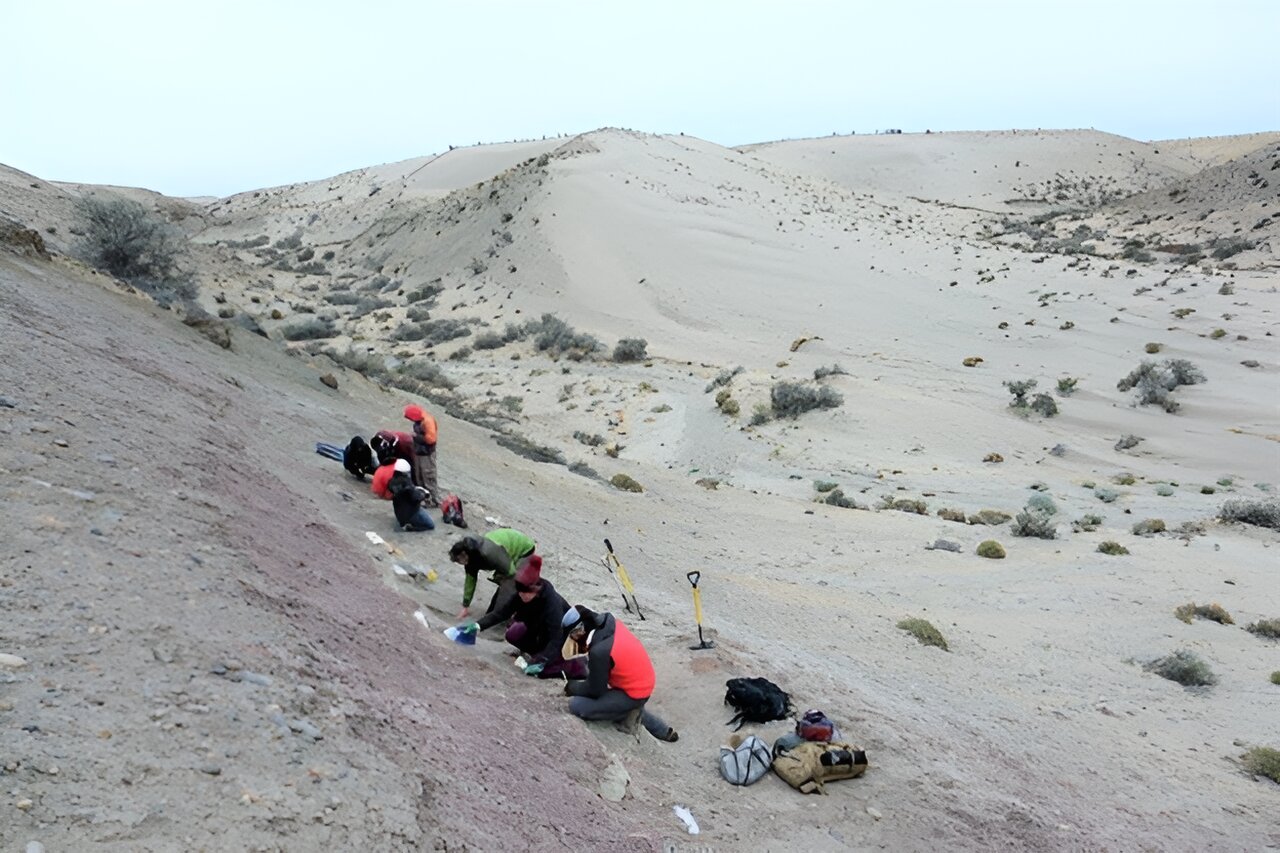
A fossil site known as the Cañadón Tomás Quarry in Argentina's Patagonia region is providing new insights into life at the end of the Cretaceous period. Excavations have uncovered numerous bones from hadrosaurs, as well as fossils from non-avian predatory dinosaurs, a snake, and a small mammal. The site has the potential to shed light on the biodiversity and evolution of Southern Hemisphere dinosaurs and contribute to our understanding of the Cretaceous-Paleogene boundary.

astronomy2 years ago

Rare Green Comet Nishimura Bids Farewell, Won't Return for 400 Years

Comet P1 Nishimura's visibility in the northern hemisphere has come to an end, and now it's the turn of southern hemisphere sky watchers to observe the comet before it fades from view. Although it didn't reach the predicted brightness to be seen with the naked eye, it was still observed and photographed by a small number of people. The comet is now visible in satellite images and shows no signs of disintegrating. Southern hemisphere observers will have the opportunity to see the comet low in their evening sky as it tracks past Mars, gradually growing fainter until it disappears for over 400 years. Despite the end of the Comet Nishimura show for northern observers, there are always other comets to see on clear nights, with dozens available for observation, although most require a telescope.