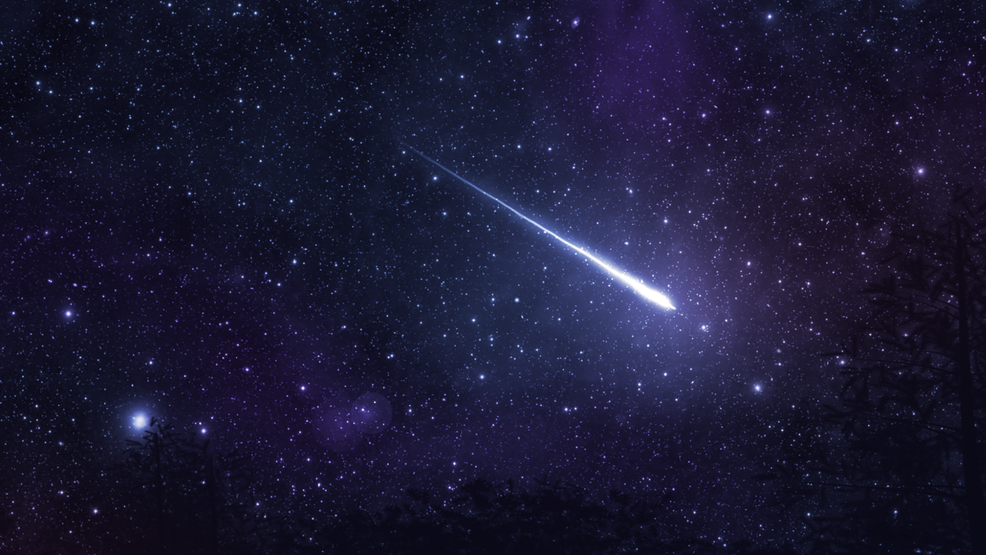
"Devil Comet's Closest Earth Flyby This Sunday"
The "Devil Comet" Pons-Brooks, known for its rare 71-year orbit and unique tail shape, will make its closest pass to Earth on June 2, 2024, but will only be visible in the southern hemisphere.

All articles tagged with #pons brooks
The "Devil Comet" Pons-Brooks, known for its rare 71-year orbit and unique tail shape, will make its closest pass to Earth on June 2, 2024, but will only be visible in the southern hemisphere.
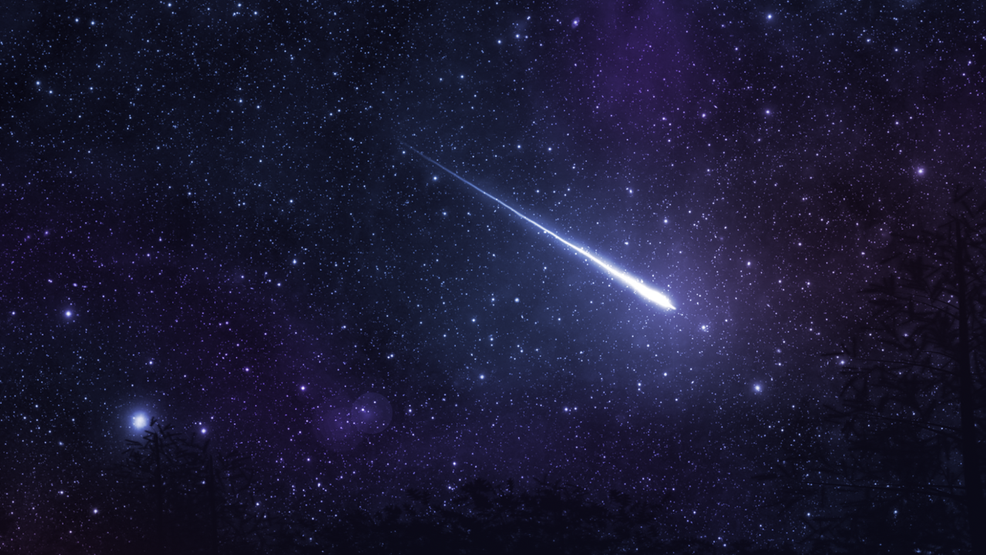
The "Devil Comet" Pons-Brooks will make its closest pass to Earth on June 2, 2024, but will only be visible in the southern hemisphere. This periodic comet, which appears every 71 years, is known for its unique outbursts that create a horseshoe shape.

The "devil comet," officially known as Comet 12P/Pons-Brooks, will make its closest approach to Earth on Sunday at around 3 a.m. ET. This rare event offers a unique observation opportunity, especially for sky-gazers in the Southern Hemisphere. The comet, which has a horned appearance and has experienced multiple outbursts, will be more than 143 million miles away from Earth and poses no risk. Astronomers hope to gain insights into its behavior and characteristics during this once-in-a-lifetime event.
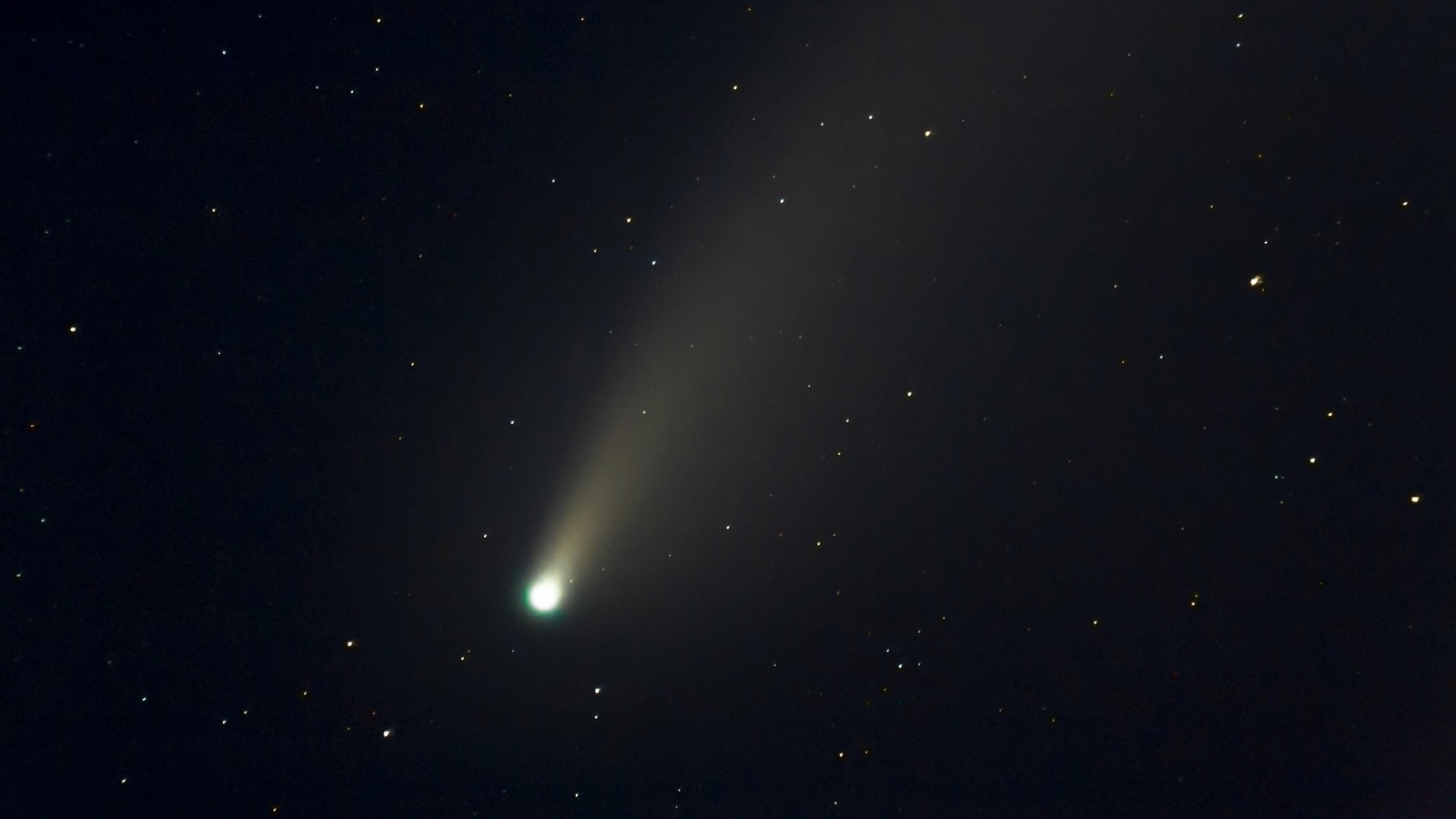
On April 8, during the total solar eclipse, sky gazers in the Northern Hemisphere may have the opportunity to see the bright green "Devil Comet," also known as Pons-Brooks, which is set to make its closest approach to the sun on April 21. The comet, named for its periodic eruptions that give it the appearance of devil horns, could potentially be visible to the naked eye, especially on April 8 when it is closest to Jupiter. Observers are advised to use binoculars during the brief period of totality to catch a glimpse of this celestial event.
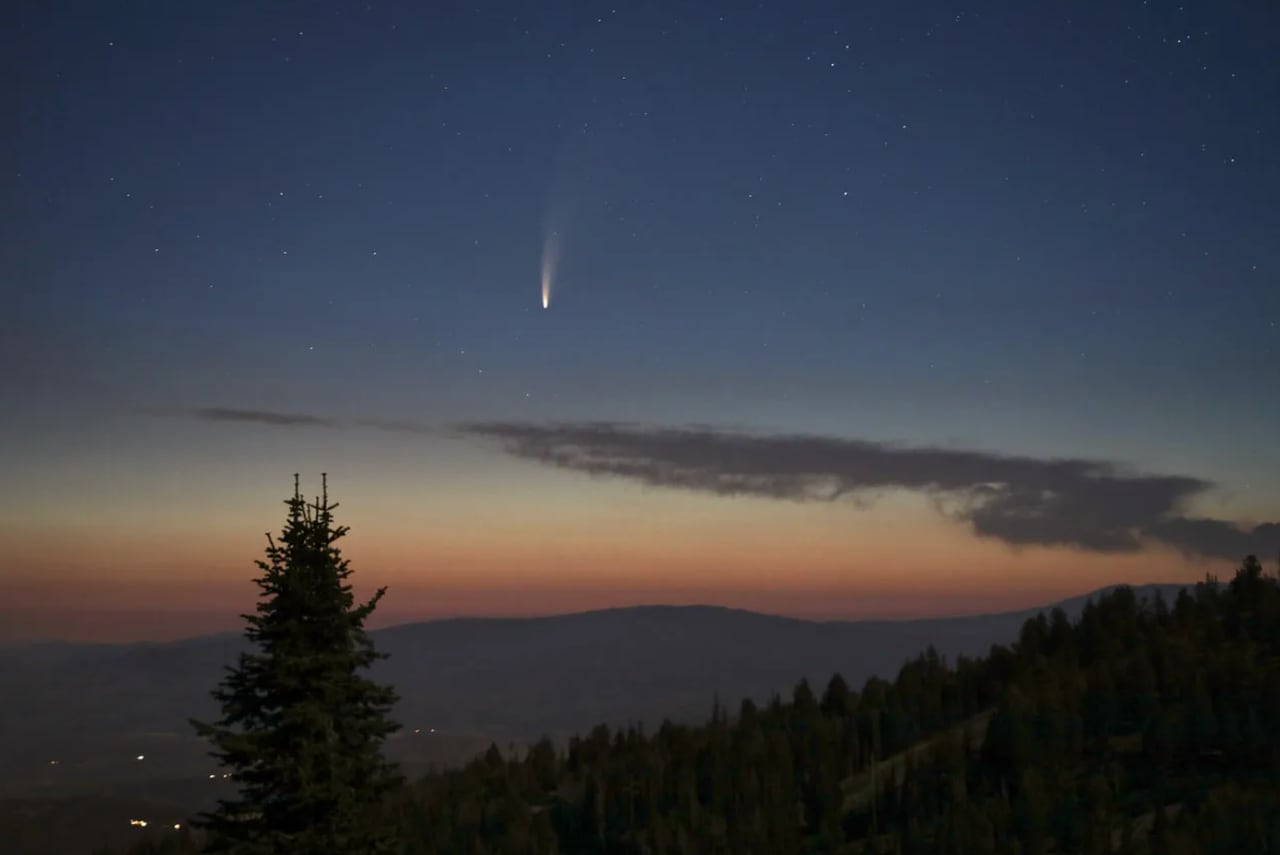
Stargazers can look forward to two rare comets gracing the skies in 2024: Comet Pons-Brooks, making its close approach to the sun in March-April and potentially visible with binoculars or the naked eye, and Comet Tsuchinshan-ATLAS, discovered in 2023 and expected to be visible in September-October, possibly becoming a naked-eye object for North American viewers. These celestial visitors offer an exciting opportunity for stargazers to witness these cosmic phenomena.
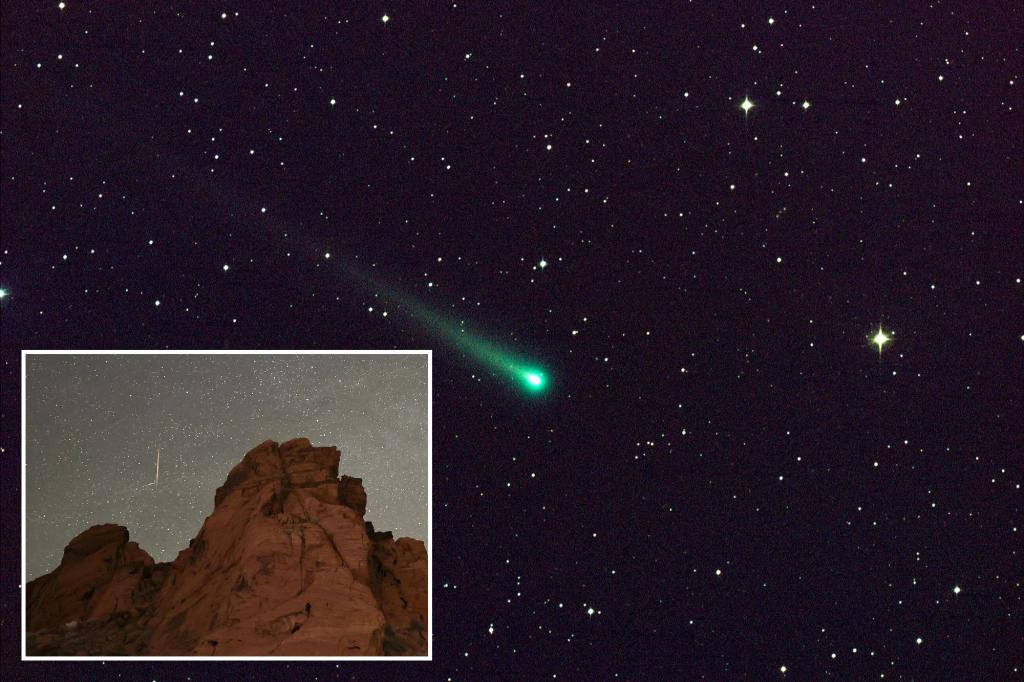
A massive "Devil Comet" known as 12P/Pons-Brooks, twice the size of Mount Everest, is approaching Earth and is expected to be visible to the naked eye or with binoculars in mid-April next year. The periodic comet, with an orbital period of 71 years, is one of the few comets with an active ice volcano. Astronomers have observed unusual outbursts from the comet, causing it to brighten rapidly before fading back to its original brightness. The comet's nucleus is estimated to be twice the size of Mount Everest. Sky-watchers are advised to stay updated on the comet's progress leading up to its appearance in the sky.
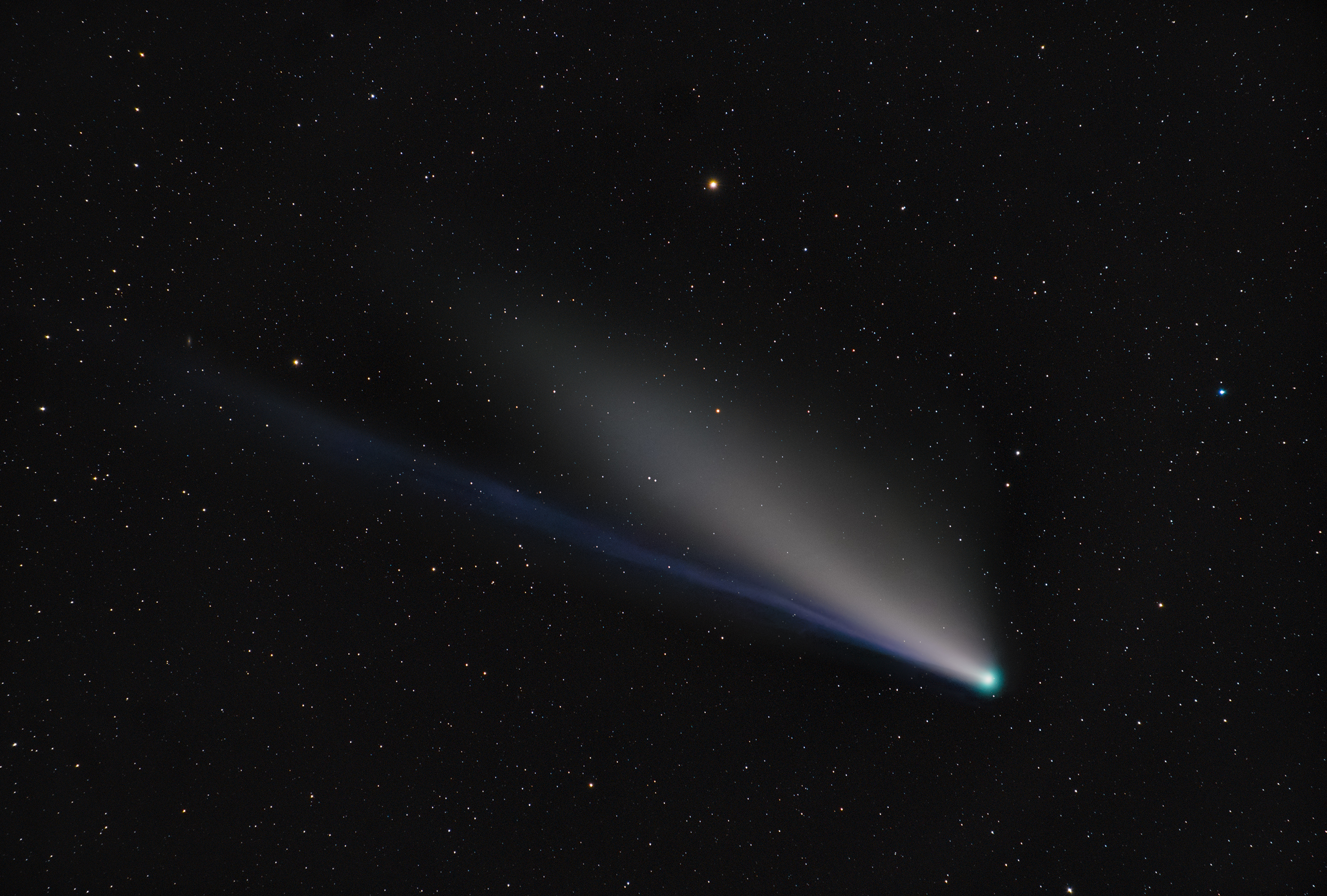
A massive comet named 12P/Pons-Brooks, also known as the "Devil Comet," is approaching Earth and will be visible in April 2024 for the first time in 71 years. Astronomers are excited about this rare event as the comet is known for its erratic outbursts, which cause it to shine brighter. The exact size of the comet is uncertain, but it is expected to be larger than most comets. Although it poses no threat to Earth, it offers a unique opportunity for stargazers to observe this rare giant through telescopes.

A colossal cryovolcanic comet, named 12P/Pons-Brooks, three times the size of Mount Everest, has exploded in space and is now heading towards Earth. Although it will not collide with our planet, it will be visible to the naked eye on April 21, 2024. This cryovolcanic comet, similar in size to Halley's comet, has a solid core and releases icy fragments through fissures when warmed by the sun. Sky watchers can currently spot it in the Hercules constellation, and further eruptions are expected as it continues its journey. Cryovolcanic comets offer insights into the solar system's outer realms and may have played a role in delivering water and organic compounds to Earth. Future missions aim to study cryovolcanic activity up close and potentially discover extraterrestrial organisms in these icy eruptions.
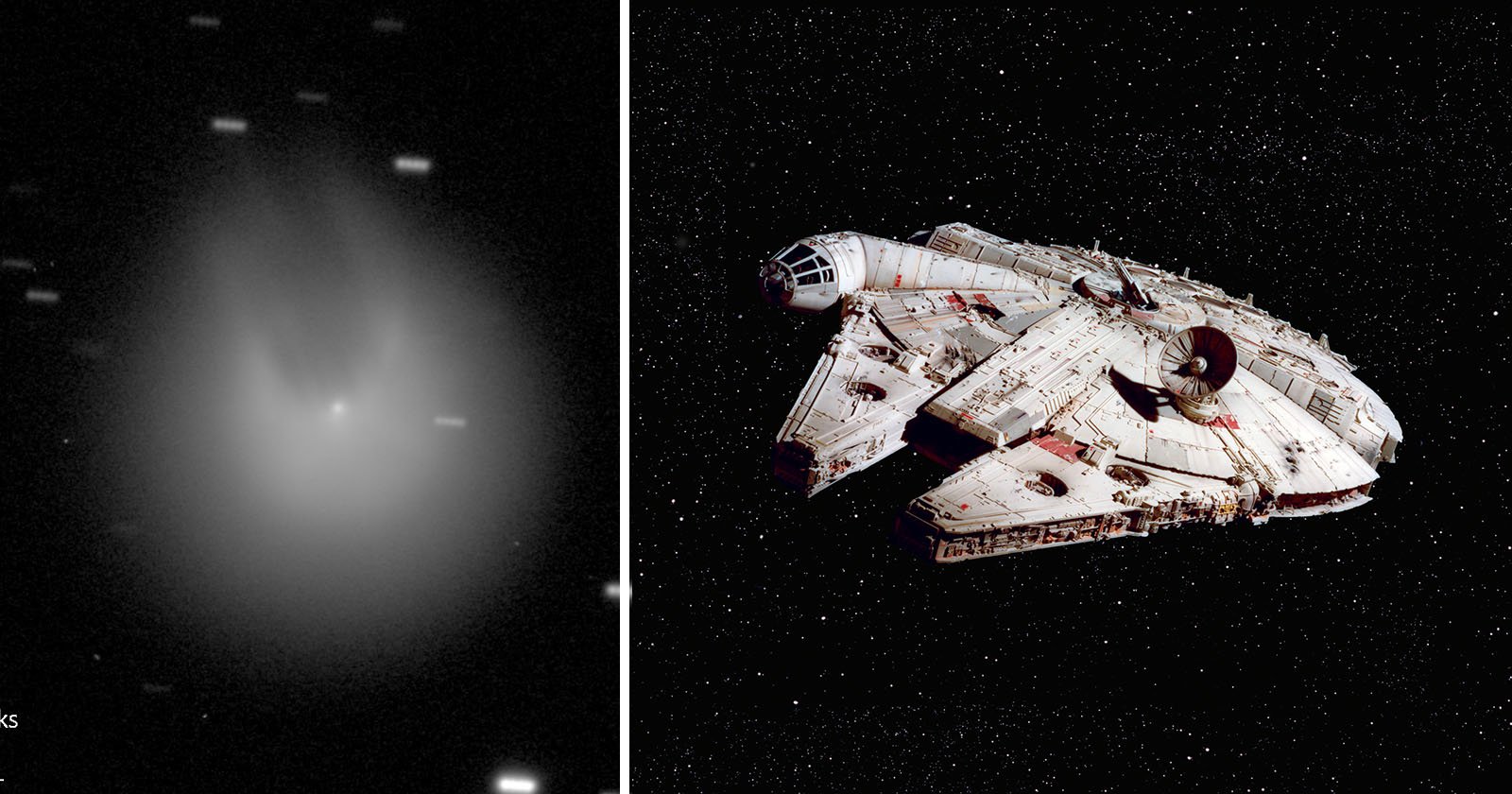
The Pons-Brooks comet, also known as Comet 12P/Pons-Brooks, has unexpectedly brightened and now resembles the Millennium Falcon starship from Star Wars. The comet's double plumes of debris give it the iconic shape, and it is currently shining with the same brightness as an 11th-magnitude star, making it visible with backyard telescopes. Astronomers speculate that the comet's increased brightness may be due to an active ice volcano on its surface. The comet is expected to become even brighter and visible to the naked eye in April, May, and June 2024, coinciding with a total solar eclipse. Amateur astronomers are encouraged to monitor the comet, which is currently located in the constellation of Draco.