Sweden will spend 15 billion Swedish crowns ($1.6 billion) on short-range air defence aimed at protecting civilians and critical infrastructure, a move tied to lessons from Russia's invasion of Ukraine; Defence Minister Pal Jonson says the systems will defend cities, bridges and power plants, while Prime Minister Ulf Kristersson criticizes U.S. rhetoric on Greenland and Denmark.
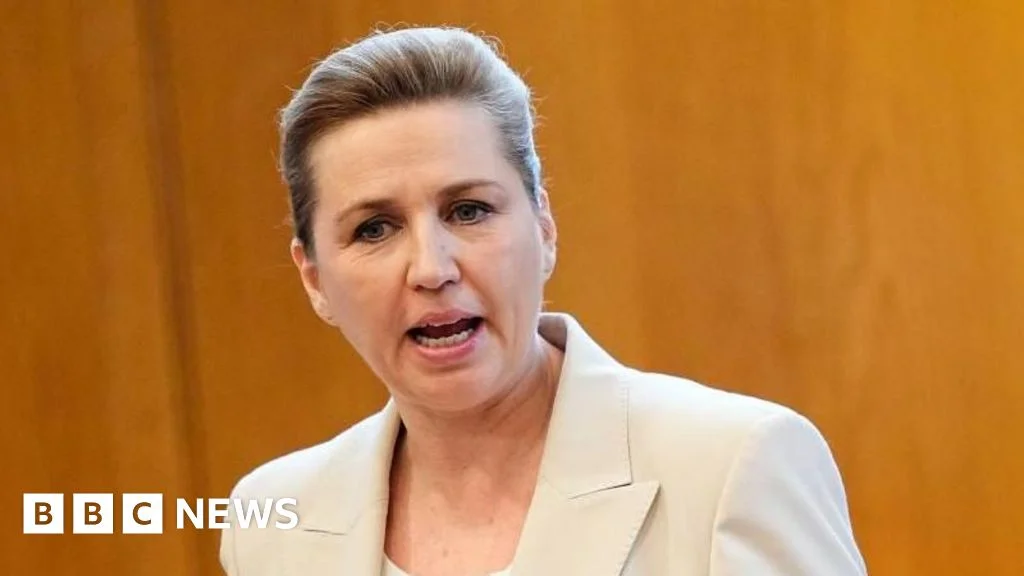
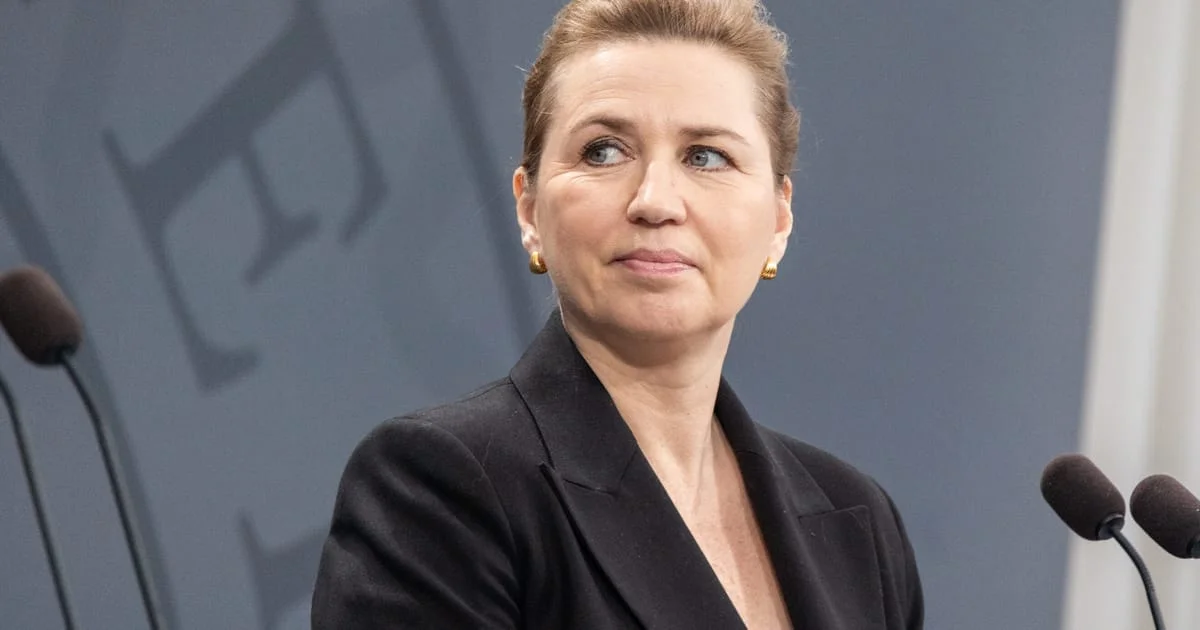
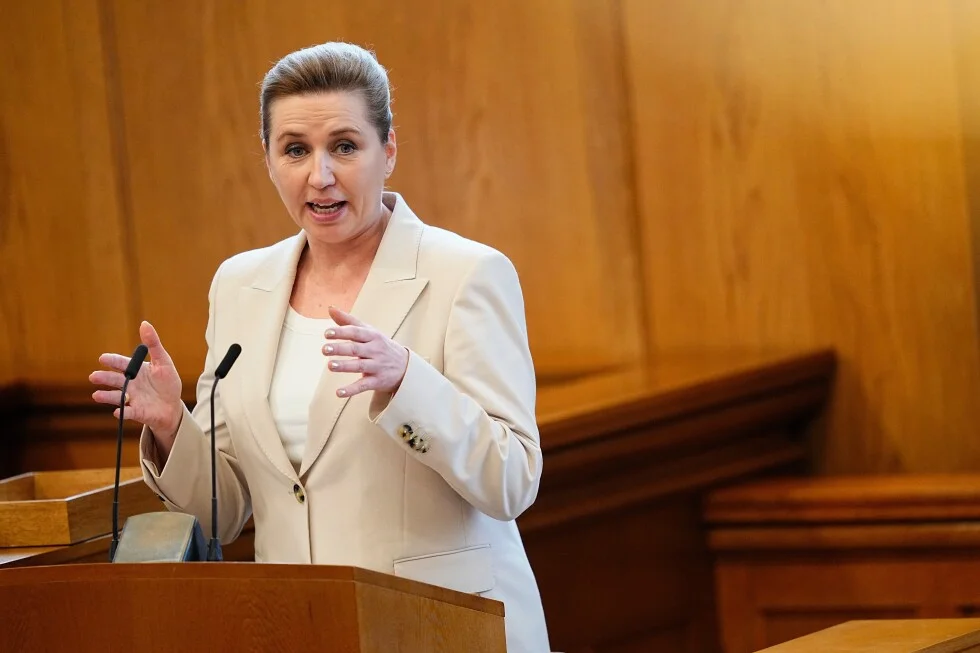
Danish Prime Minister Mette Frederiksen warns of a 'fateful moment' as Donald Trump’s threats to annex Greenland test NATO unity, with Denmark insisting on standing firm while Greenlanders push for self‑determination; talks with U.S. officials are expected, and regional leaders like Sweden voice support for Denmark and call for prudence amid broader geopolitical tensions.
Nordic diplomats with NATO intelligence say there is no evidence of Russian or Chinese ships near Greenland, undermining Trump’s justification for U.S. control and prompting sharp criticism from Nordic leaders; Greenland's parliament reaffirmed its desire to govern itself.
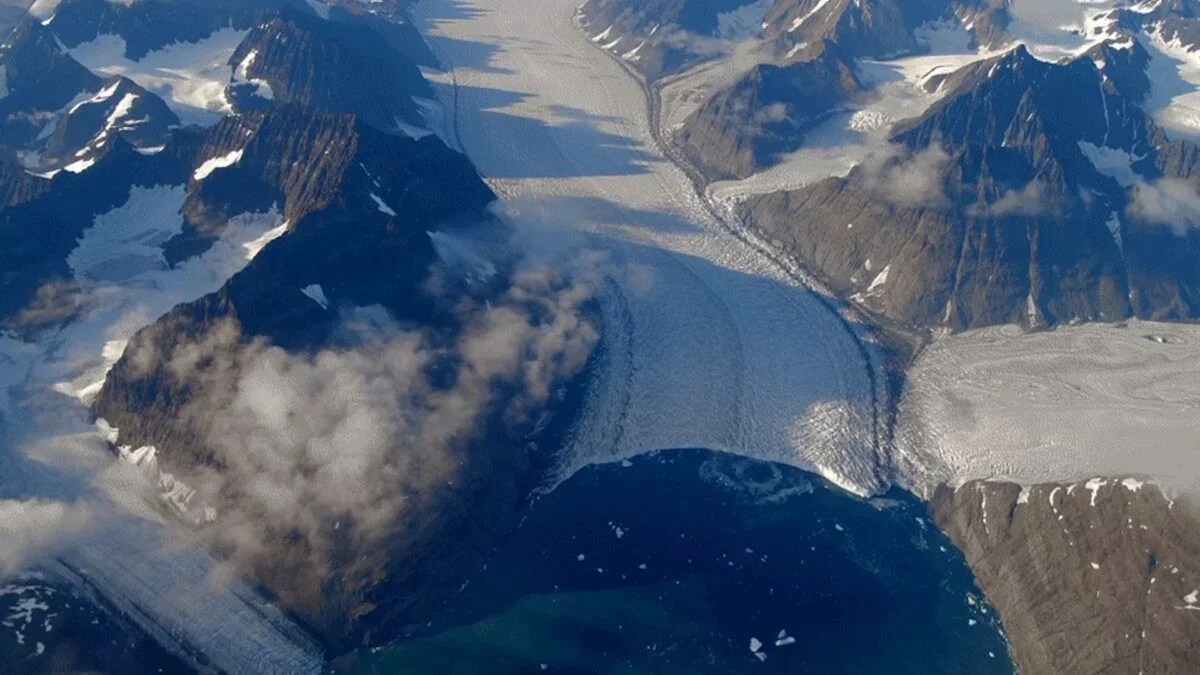
Greenland's harsh environment, lack of infrastructure, and complex geology make mining rare earth elements difficult, challenging Trump's idea of taking control of the island for resource security, and highlighting geopolitical motives over practical supply solutions.
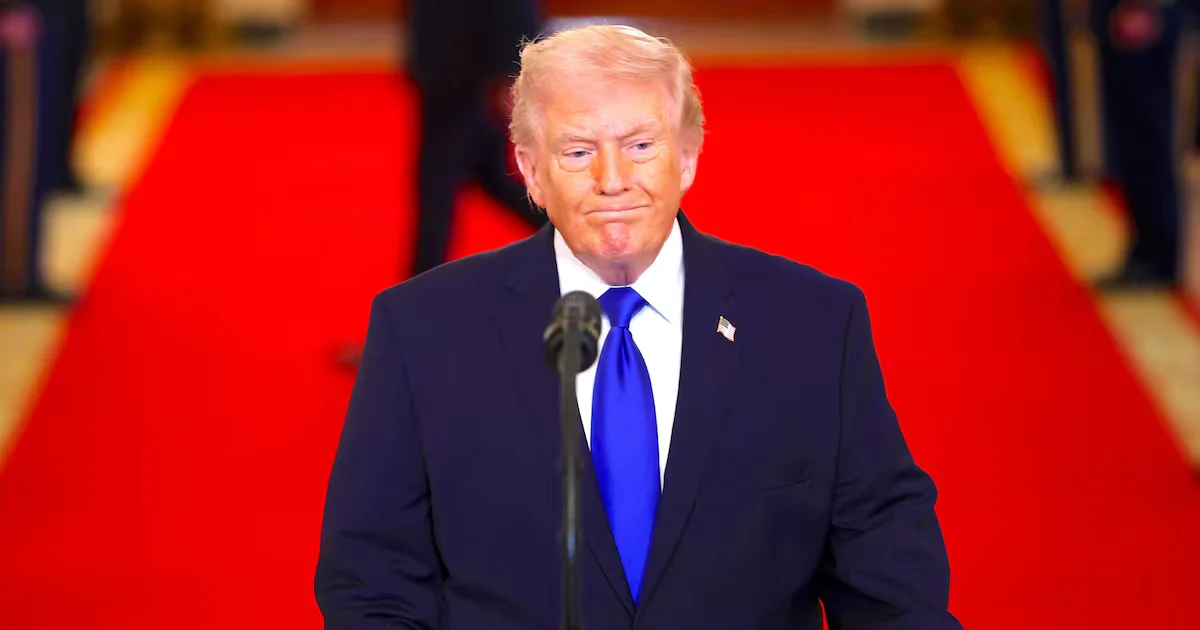
U.S. President Trump has expressed interest in acquiring Greenland, citing strategic and resource benefits, but experts warn that military force would risk NATO's stability and Greenlanders oppose U.S. control, favoring diplomacy and existing agreements instead.
NATO has remained silent on Donald Trump's threats regarding Greenland, causing concern among European allies about the potential geopolitical implications.
Greenland's party leaders have rejected U.S. President Trump's repeated calls for the U.S. to take control of Greenland, emphasizing that the island's future should be decided by its own people. The leaders condemned Trump's remarks and reiterated Greenland's desire for independence, while discussions continue among Greenland, Denmark, and the U.S. amid concerns about NATO and regional security.
Amidst global upheaval, Canada's fears of U.S. aggression have intensified due to Trump's threats towards Venezuela and Greenland, raising concerns over Canadian sovereignty and security, with experts advising increased civil defense and strategic preparedness.
Greenland's party leaders firmly rejected President Trump's repeated attempts to acquire the island, emphasizing that Greenland's future should be decided by its own people, and warning against interference from other countries, including the U.S., Russia, and China.
President Trump has expressed strong interest in acquiring Greenland, considering options like paying residents or even military action, despite Greenland's and Denmark's opposition, with historical precedents and strategic interests in the Arctic fueling the controversy.
Greenland's political parties have strongly opposed former US President Trump's interest in purchasing Greenland, emphasizing their desire to remain independent and not become part of the US, amidst broader international discussions and tensions.
President Trump reiterated his interest in acquiring Greenland, surprising European officials and prompting diplomatic tensions, with some suggesting negotiation as the best approach, while others questioned Greenland's sovereignty and Denmark's control.
The US has threatened to take control of Greenland, raising concerns about NATO unity, especially given the alliance's history of internal disputes and the potential implications for collective defense under Article 5. The situation tests NATO's cohesion as European and Canadian leaders prepare for possible US actions, which would be unprecedented in the alliance's history.
US President Donald Trump has threatened to take Greenland by force or through negotiations, citing concerns over Russian and Chinese influence, which has led to strong opposition from Greenlandic leaders and European countries emphasizing Greenland's right to self-determination and warning against military action. The situation has heightened tensions around US interests in Greenland amid broader geopolitical concerns.
President Donald Trump expressed interest in acquiring Greenland, citing national security concerns and potential geopolitical advantages, despite strong opposition from Greenland, Denmark, and European allies, with many officials dismissing the possibility of negotiations or military action.