New Mexico Fossils Show Dinosaurs Thrived Until the Asteroid Event
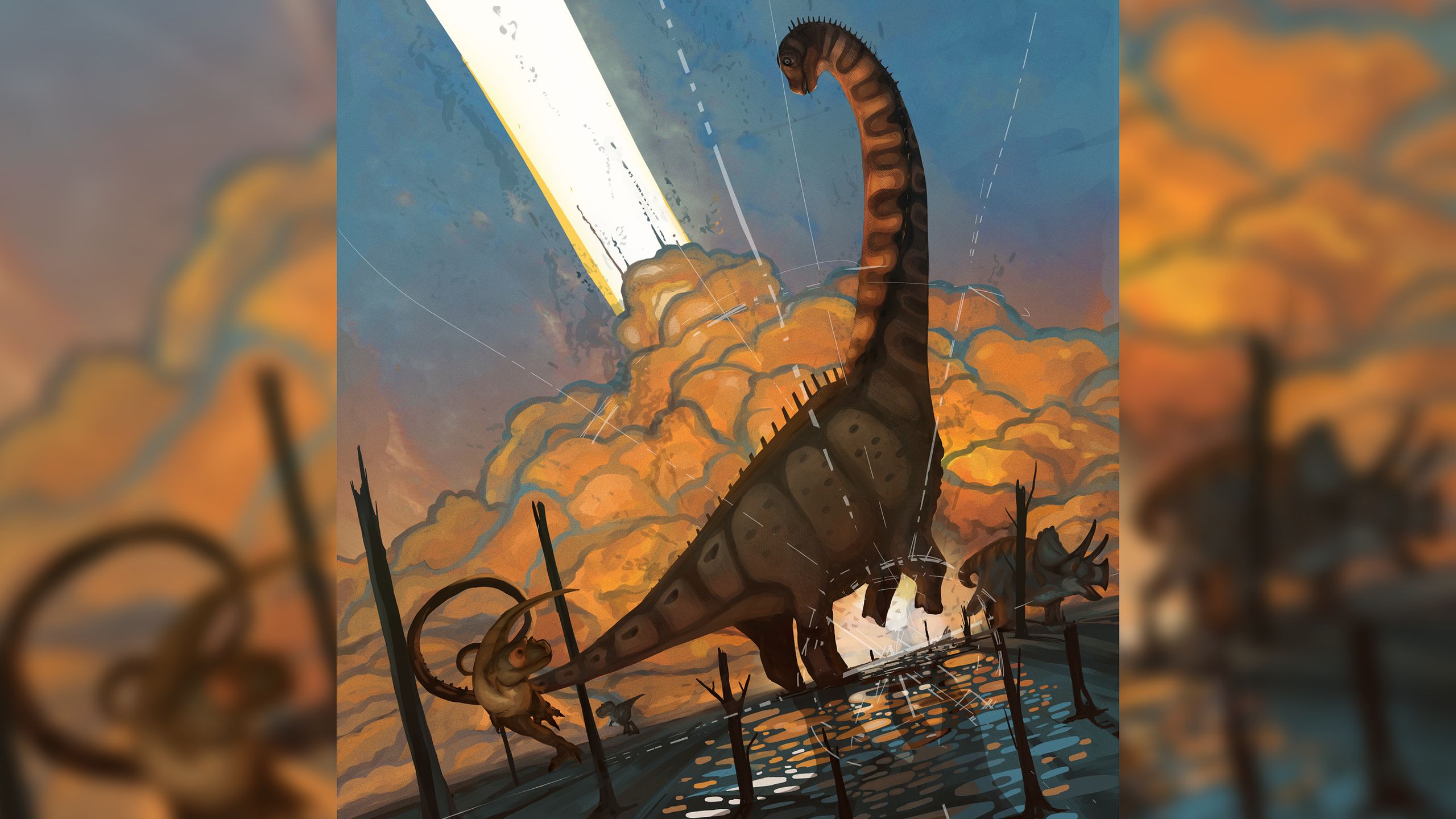
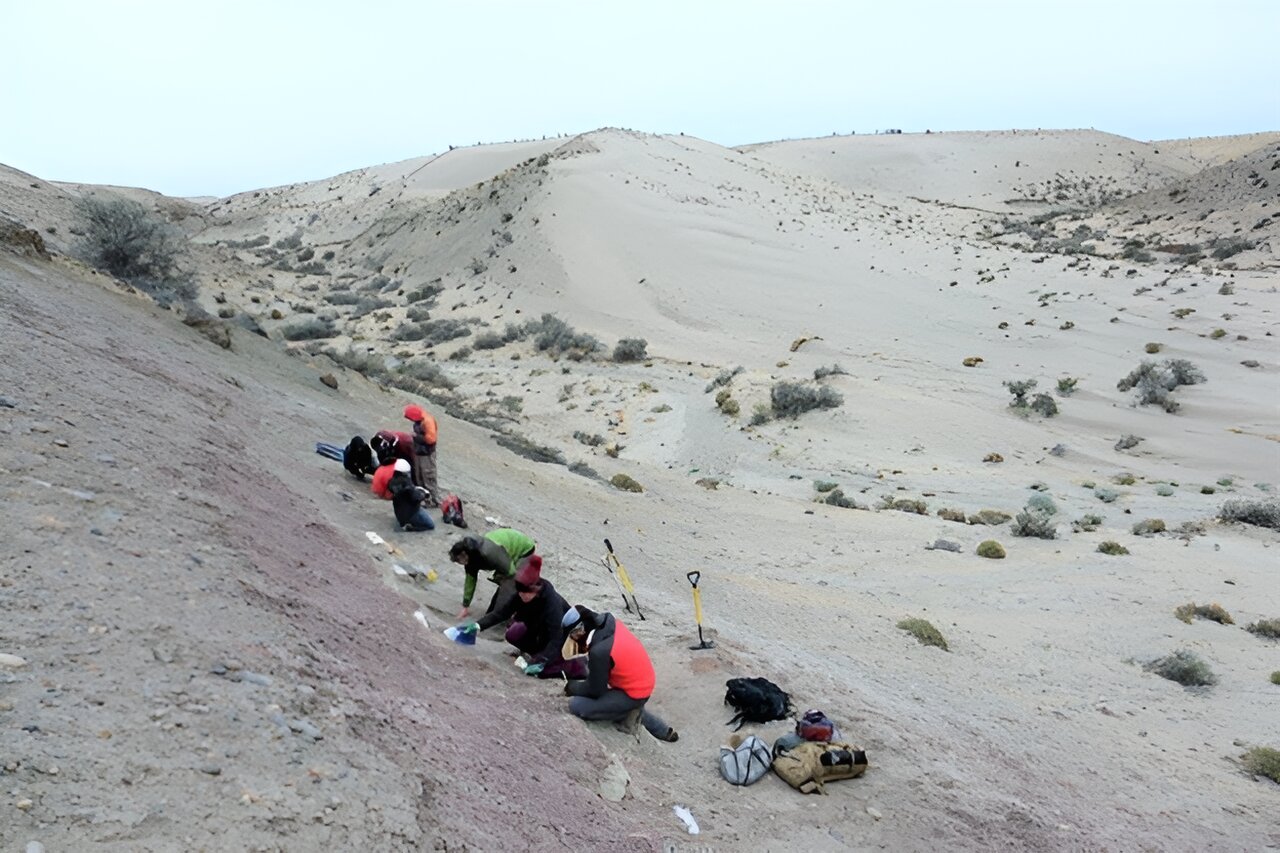
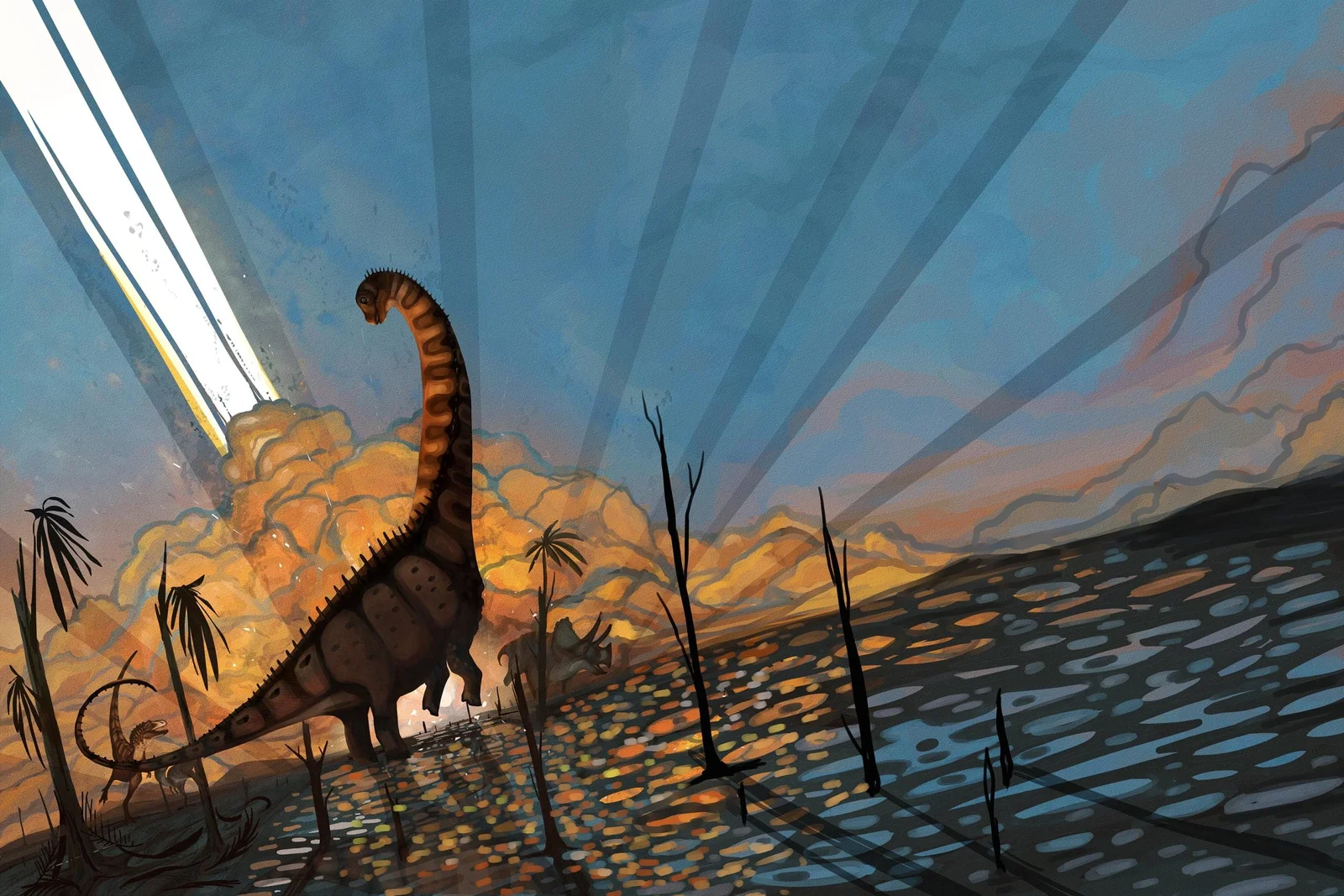
New research analyzing Naashoibito Member fossils from the Kirtland Formation in northwestern New Mexico shows dinosaurs were thriving in diverse, regionally distinct ecosystems up to about 66 million years ago, coexisting with Hell Creek taxa rather than declining. High-precision dating places these fossils at the Cretaceous–Paleogene boundary, indicating the asteroid caused a rapid end to a world still rich in dinosaur biodiversity. In the wake of the impact, mammals diversified quickly, with northern and southern bioprovinces persisting into the Paleocene, underscoring how temperature-driven regionalism shaped life before and after the mass extinction. The findings also highlight how protected public lands can illuminate ecosystem responses to rapid global change.