A new flu strain called 'Super-K' or subclade-K, a drifted version of H3N2, is spreading unusually in Australia outside the typical flu season, potentially increasing healthcare pressure. While not more severe, it is more transmissible and slightly less responsive to vaccines, prompting updates to the 2026 flu vaccine. Experts recommend vaccination and preventive measures to reduce infection risk.
A 4-year-old girl from Ogden, Utah, Elora 'Ellie' Rudd, died from complications related to influenza, including pneumonia and sepsis, after her condition worsened despite hospital care. Her death highlights the severity of the current flu season, which has caused significant illness and fatalities nationwide, especially among children.
An expert highlights key viruses to watch in 2026, including influenza A with pandemic potential, mpox spreading globally, insect-borne Oropouche virus, and ongoing risks from chikungunya, measles, and HIV, emphasizing the importance of vigilance, vaccines, and treatments.
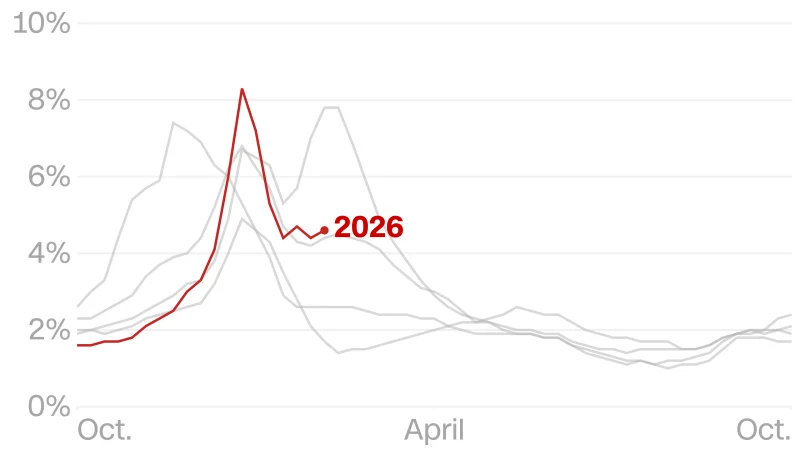
Flu activity in the US is expected to continue rising for several weeks, with a new dominant strain, subclade K of H3N2, emerging. Despite some mismatch with the current vaccine, it still offers protection, and health officials recommend vaccination for everyone 6 months and older. Antivirals are available for high-risk individuals, and it's not too late to get vaccinated.
The CDC reports very high influenza activity in the Tri-Cities region, with Tennessee at the highest nationwide level and Virginia also experiencing very high flu activity, leading to increased doctor visits for flu-like symptoms.
Flu cases in New Jersey have doubled compared to last year, likely due to a new influenza A(H3N2) variant, with most hospitalizations among seniors. The flu vaccine this season may be less effective, but vaccination still reduces severe illness. Public health officials continue to encourage vaccination and monitor other respiratory viruses.
The 2024-25 flu season in the US and UK is severe, driven by a new influenza A H3N2 variant called 'subclade K' that partially evades immunity, leading to early and widespread outbreaks. Despite the nickname 'super flu,' the virus's danger level is similar to previous strains, and existing vaccines remain effective in preventing severe illness. Preventive measures include vaccination, hand hygiene, masks, and good ventilation.
Flu cases are increasing in the U.S. due to a new strain that may reduce vaccine effectiveness, especially affecting older adults, but experts believe vaccines still provide protection against severe illness.
DeKalb County has issued an alert due to a 60% increase in flu-related 911 calls amid a severe flu season in Georgia, with health officials urging vaccination and precautions to prevent serious illness, especially among vulnerable populations.
Virginia is experiencing high levels of flu activity, with cases rising nationwide due to a new, more severe variant called subclade K, prompting health officials to urge precautions like vaccination, good hygiene, and staying home if sick.
A teenager from Greene County, Ohio, has died from the flu, marking the first pediatric death in the state for the 2025-26 flu season, amid rising flu activity nationwide and increased hospitalizations in Cuyahoga County. Health officials emphasize the importance of flu vaccination and preventive measures to protect against severe illness.
Flu cases are surging across the U.S., with record-breaking numbers and high activity levels in many states, driven by the spread of the H3N2 strain. The CDC reports over 7.5 million cases, 81,000 hospitalizations, and 3,100 deaths this season, with fewer people getting flu shots. Experts warn that the H3N2 strain makes the season particularly tough, especially for seniors, but vaccination remains a key tool in reducing severe illness.
Columbus Regional Health is implementing visitor restrictions due to increased respiratory infections, limiting visitors to those 18 and older, with specific guidelines for different units, including the Birthing Center and Pediatrics, to protect patients and staff.
Family physician Dr. Adrian Lorde urges Barbadians to take respiratory symptoms seriously amid a sharp rise in cases caused by influenza, RSV, and COVID-19, emphasizing the importance of vaccination, good hygiene, and seeking medical care for severe symptoms to prevent overwhelming the healthcare system.
New York State reported a record 71,123 flu cases for the week ending December 20, the highest since 2004, with over 15,000 lab-confirmed cases in New York City alone, highlighting a severe influenza season.