Tag

Early Cretaceous

All articles tagged with #early cretaceous

New Brazilian Sauropod Fossil Traces European Origins of South American Dinosaurs
science4 days ago

New Brazilian Sauropod Fossil Traces European Origins of South American Dinosaurs

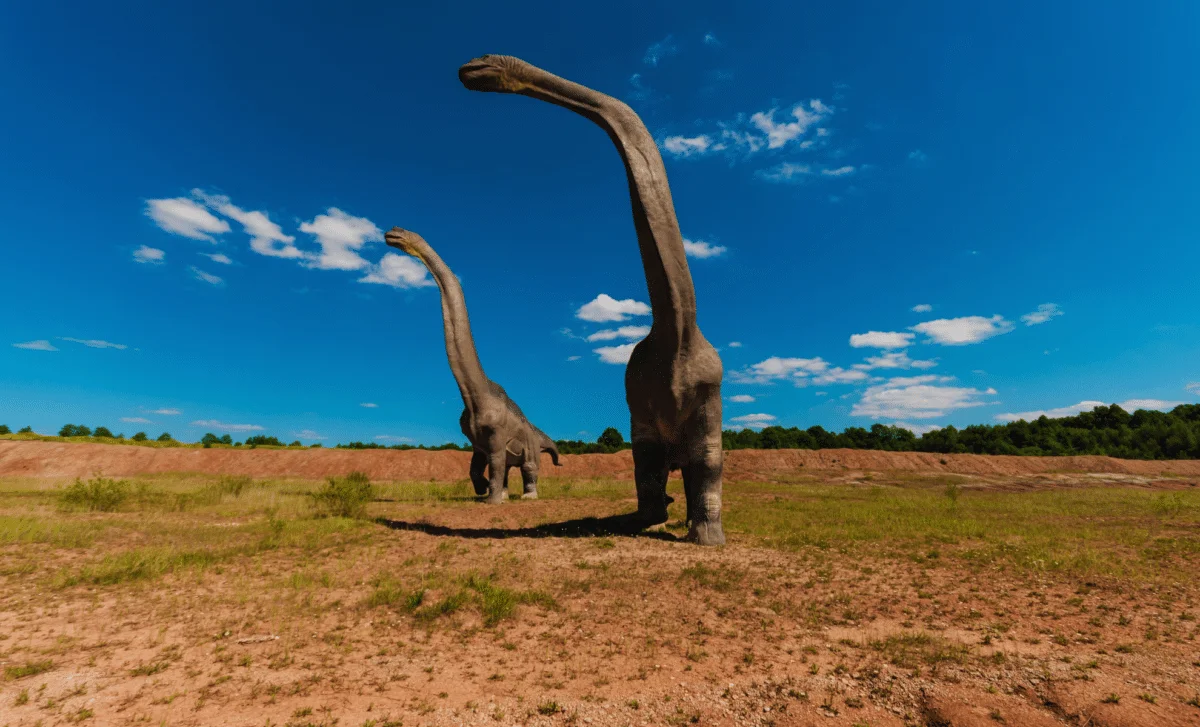
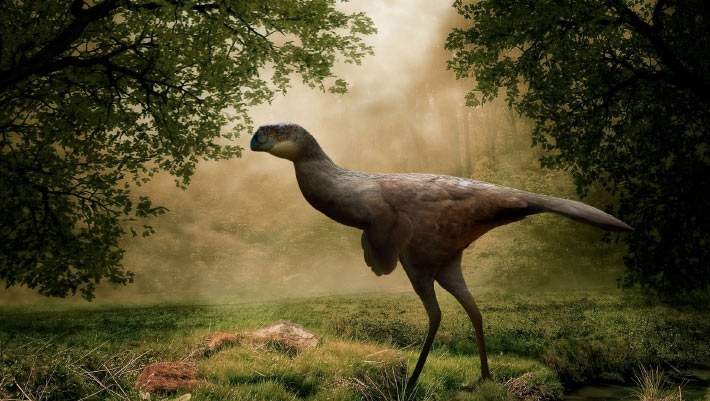
Paleontologists in northeastern Brazil describe a 120-million-year-old sauropod, Dasosaurus tocantinensis, from the Itapecuru Formation. The partial skeleton reveals unique features and suggests the species is closely related to European dinosaurs, implying a migration route from Europe to South America via northern Africa during the Early Cretaceous. This finding challenges views of South America as isolated and expands understanding of Early Cretaceous sauropod diversity and intercontinental connections within Gondwana and Europe.
Gigantic Kimberley Footprints Reframe Early Cretaceous Dinosaurs
science1 month ago

Gigantic Kimberley Footprints Reframe Early Cretaceous Dinosaurs

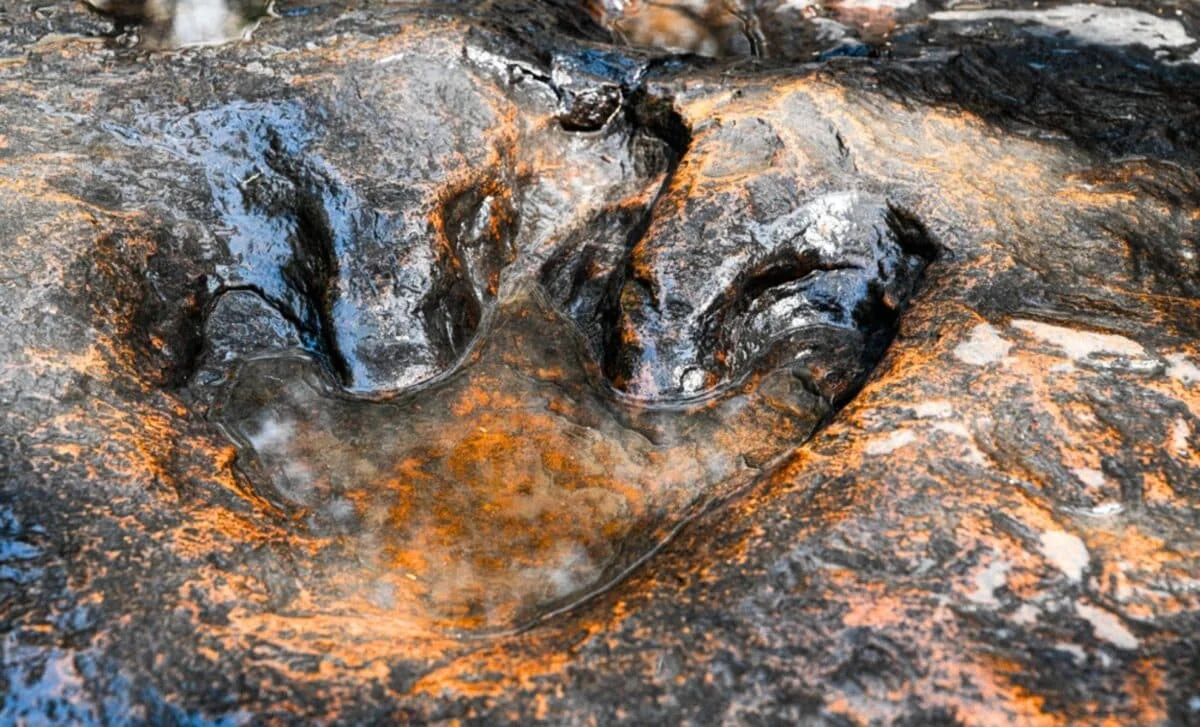
Researchers in Western Australia’s Dampier Peninsula uncovered the largest dinosaur footprints on record, including sauropod tracks up to about 1.75 meters long, from a 130‑million‑year‑old intertidal reef system. The 25‑kilometer study zone yielded about 150 tracks across 21 morphotypes, including new ichnotaxa and the first definitive stegosaur traces in Australia, indicating Late Jurassic lineages persisted into the Early Cretaceous in Gondwana. Indigenous custodians helped block a LNG project, underscoring heritage protection and ongoing stewardship concerns.

New Dinosaur Species Unearthed in China
science1 year ago

New Dinosaur Species Unearthed in China

A new species of oviraptorosaur, named Yuanyanglong bainian, has been discovered in Inner Mongolia, China, dating back to the Early Cretaceous period, around 110 million years ago. This species, identified from two specimens, exhibits unique morphological features distinguishing it from other known oviraptorosaurs. The discovery provides new insights into the diversity and ecology of early-diverging oviraptorosaurs, suggesting potential wading behavior and a gastric mill function similar to Caudipteryx. The findings were published in Cretaceous Research.

"New Ancient Species Discovered from Siberian Skeleton"
science1 year ago

"New Ancient Species Discovered from Siberian Skeleton"

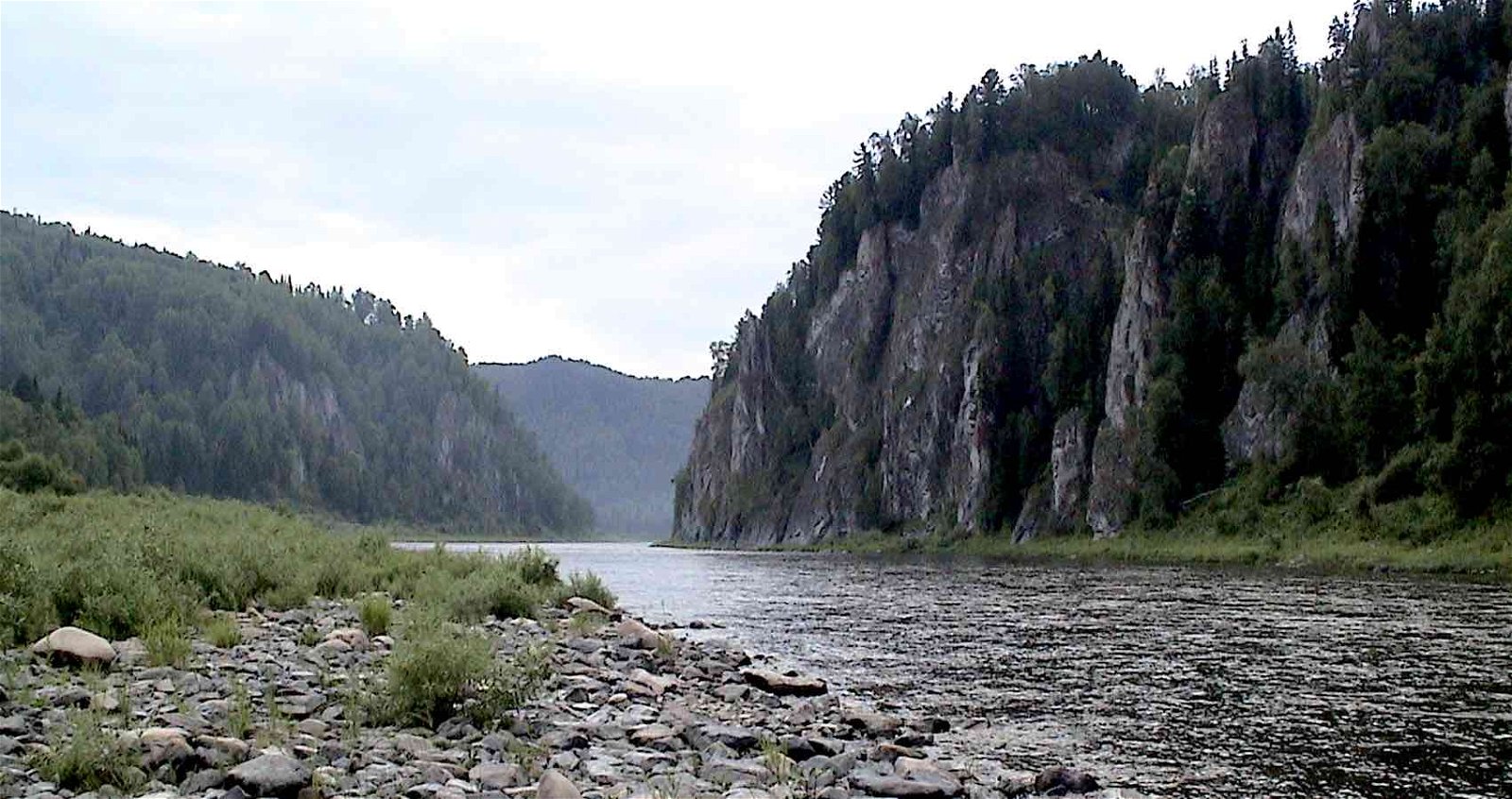
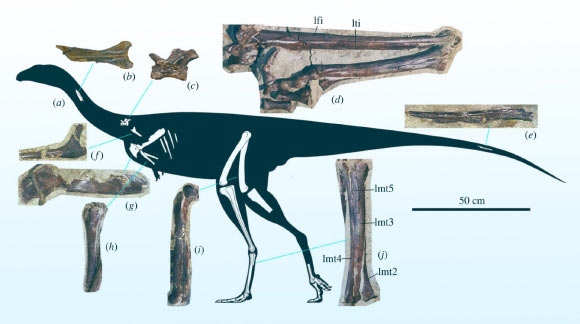
The discovery of a partial skeleton in Western Siberia has revealed a new species of ceratosaur dinosaur, Kiyacursor longipes, from the Early Cretaceous period. This find, detailed in a paper by Alexander O. Averianov and colleagues, provides significant insights into the evolution and ecological dynamics of theropods in Asia, filling a crucial gap in the fossil record and highlighting the diverse ecosystems of prehistoric Siberia.

"New Ceratosaur Species Unearthed by Paleontologists"
science1 year ago

"New Ceratosaur Species Unearthed by Paleontologists"

Paleontologists have discovered a new species of ceratosaur, Kiyacursor longipes, in Siberia, extending the known presence of Ceratosauria in Asia by 40 million years. This small predatory dinosaur, part of the Noasauridae family, lived between 121 and 113 million years ago and had unique hind limb proportions suggesting improved running ability. The discovery, published in the Proceedings of the Royal Society B, highlights an unusual vertebrate assemblage in the region during the Early Cretaceous epoch.

Ancient Bird Tracks Found in Australia Rewrite History
paleontology2 years ago

Ancient Bird Tracks Found in Australia Rewrite History

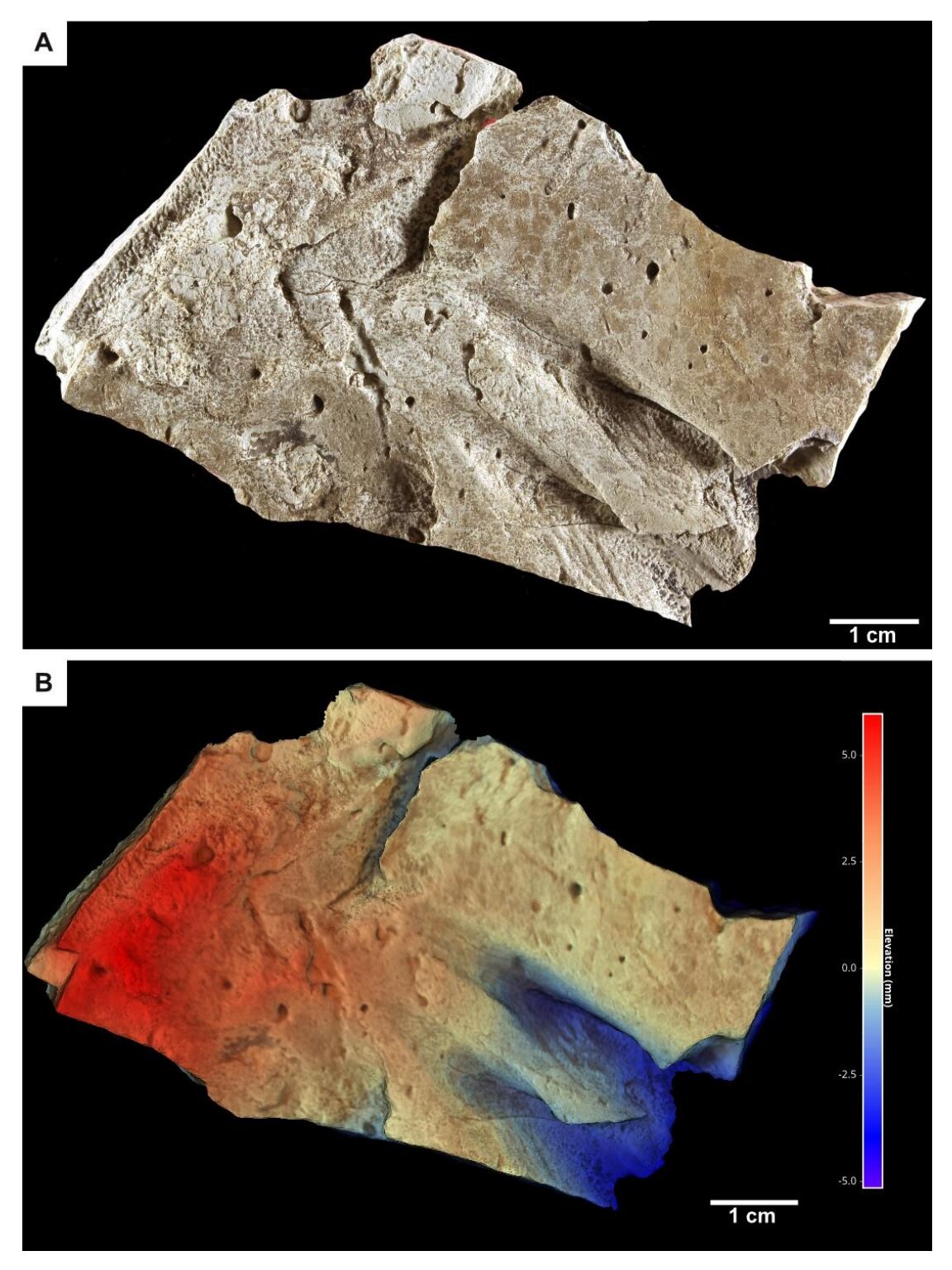
Researchers have discovered the oldest bird footprints ever found in the Southern Hemisphere in Wonthaggi, Australia, dating back to around 120 million years ago. The tracks provide evidence that birds once lived in the southern polar regions of the supercontinent Gondwana. The findings shed light on how early birds dispersed across landmasses and biomes, suggesting that they may have migrated seasonally to and from other environments. The discovery of these tracks may inspire further exploration for evidence of Cretaceous birds in the Southern Hemisphere.

Uncovering Ancient Deep-Sea Vertebrates through Unique Trace Fossils
paleontology2 years ago

Uncovering Ancient Deep-Sea Vertebrates through Unique Trace Fossils

Rare trace fossils discovered in 130-million-year-old rocks provide the earliest evidence of deep-sea fishes, pushing back their colonization of the abyssal plain by 80 million years. These fossils, found in the northwest Apennines, Italy, represent the earliest deep-sea vertebrates and shed light on the colonization of the deep sea by vertebrates. The fossils reveal the activity of fishes on a dinosaur-age sea floor thousands of meters deep, providing insights into the adaptations and behaviors of these pioneers of the abyss. The discovery challenges previous understanding of the factors that triggered the colonization of the deep sea and offers fundamental clues about the beginnings of vertebrate evolution in this habitat.