A UVA study using epigenetic clocks on middle-aged twins found that faster biological aging predicts memory and cognitive decline, with socioeconomic factors amplifying this effect, highlighting the impact of poverty on health and aging.
A UK study of 7,824 children found that socioeconomic hardship in childhood increases the risk of developing eating disorder symptoms in adolescence, challenging the stereotype that such disorders only affect the wealthy and highlighting the need for better recognition and accessible treatment for disadvantaged groups.
A UK study found that bright children from low-income families perform similarly to their wealthier peers until secondary school, after which they experience a sharp decline in attitudes, behavior, mental health, and academic achievement between ages 11 and 14, highlighting the impact of socioeconomic environment on development.
A study finds that individuals from lower socioeconomic backgrounds exhibit greater physiological attunement and signs of comfort during social interactions, regardless of their partner's class, but still prefer same-class interactions, highlighting complex dynamics in cross-class social engagement.
A study published in Social Psychological and Personality Science reveals a universal stereotype across eight countries that associates wealth with trustworthiness, showing that individuals with fewer resources are perceived as less trustworthy. This stereotype persists regardless of the perceiver's own socioeconomic status and highlights the role of socioeconomic background in shaping perceptions, alongside gender and race. The findings suggest that awareness of this bias could help address social trust issues and discrimination linked to socioeconomic status.
A Harvard T.H. Chan School of Public Health study reveals that the average age of first menstrual period (menarche) is decreasing among younger generations in the U.S., particularly among racial minorities and lower-income individuals. The time for menstrual cycles to become regular is also increasing. The study, part of the Apple Women’s Health Study, highlights the influence of factors like childhood obesity, diet, stress, and environmental pollutants on these trends, emphasizing the need for more research on menstrual health.
A study by Harvard T.H. Chan School of Public Health reveals that Black children of low socioeconomic status are starting their periods earlier and experiencing more irregular cycles compared to the average age. This trend, linked to factors like childhood obesity and potential chemical exposure, raises concerns about long-term health issues such as cardiovascular diseases and mental health problems. The study highlights the need for early counseling and individualized health care plans to address these disparities.
A new review connects low socioeconomic status (SES) with significant changes in brain development, behavior, and cognitive outcomes, highlighting the adverse effects of factors common in low SES environments such as poor nutrition, chronic stress, and substandard living conditions. The review underscores the urgent need for targeted interventions to break the cycle of generational poverty and suggests the importance of more research into specific interventions that could mitigate the effects of low SES on brain development.
A study led by Duke University has found a link between living in disadvantaged neighborhoods and an increased risk of dementia. The research, published in Alzheimer's & Dementia, analyzed data from over 1.6 million individuals and found that those in the most disadvantaged areas had a 43% higher risk of developing dementia over 20 years. The study suggests that dementia risk is geographically and socially patterned, emphasizing the need to consider where people live in targeting preventive efforts. Environmental and lifestyle factors, such as air quality and access to green spaces, may play a role in dementia risk.
A study on college students reveals a significant link between social anxiety and celebrity worship, with mobile phone addiction and socioeconomic status playing nuanced roles. The findings suggest that celebrities may serve as emotional refuge for those experiencing social anxiety, with mobile phones mediating the relationship. Individuals from higher socioeconomic backgrounds are less likely to develop mobile phone addiction and intense celebrity worship. The study's cross-sectional design leaves open the question of causality, highlighting the need for future longitudinal research.
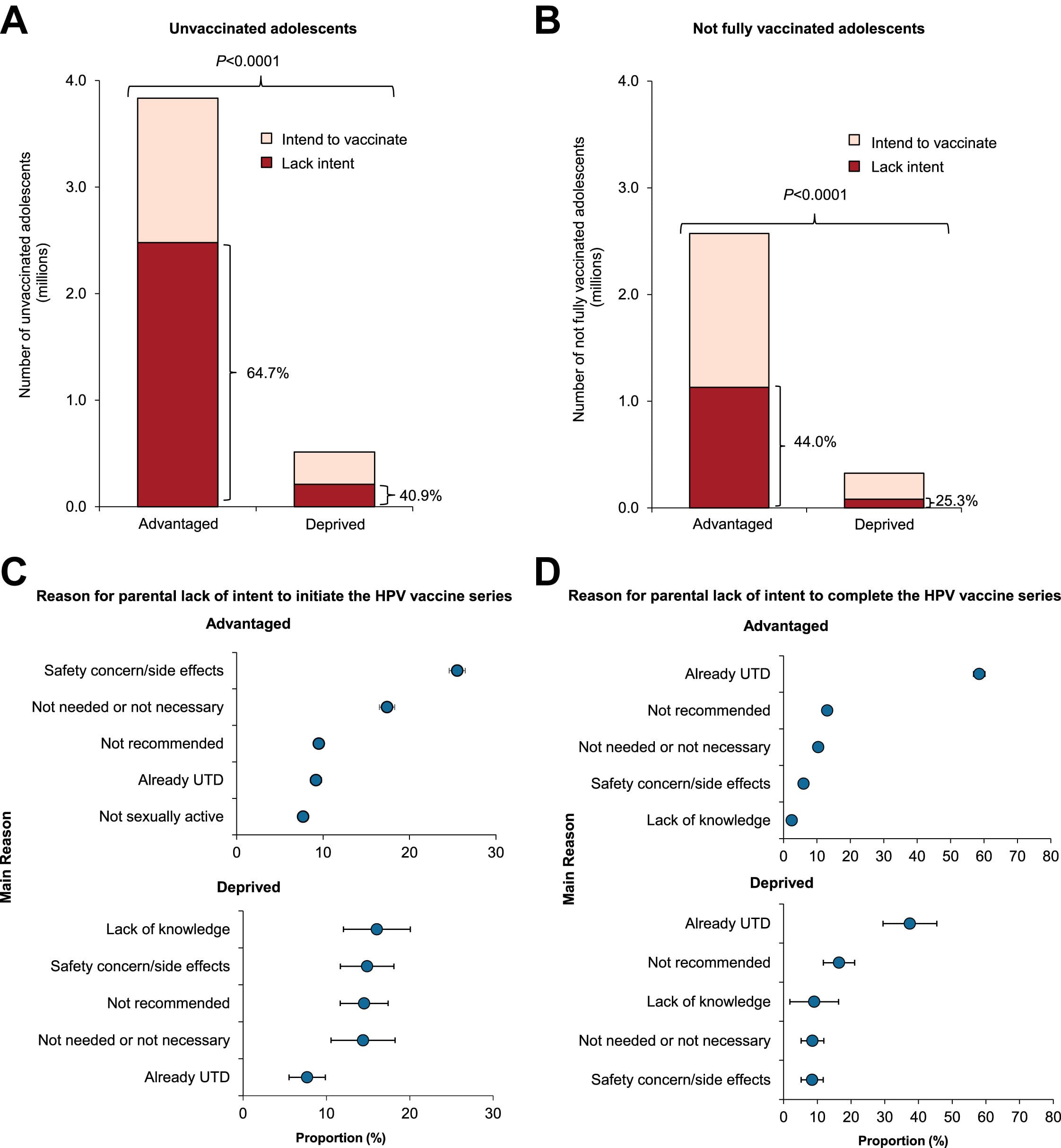
A study found that parents with higher socioeconomic status are less likely to intend to vaccinate their children against HPV compared to parents with lower income or educational attainment. The reasons for lack of intent differed by group, with advantaged parents citing safety concerns and disadvantaged parents citing lack of knowledge about the vaccine or lack of recommendation by a primary care provider. The study highlights the impact of parental vaccination decisions on herd immunity and the need to address vaccine hesitancy in different socioeconomic groups.
A recent observational study involving over 1,000 children under the age of four found that the amount of adult talk a child hears is strongly linked to their own speech development, regardless of gender, socioeconomic status, or exposure to multiple languages. The study, conducted across 12 countries and 43 languages, used wearable recorders to collect over 40,000 hours of recordings and found that for every 100 adult vocalizations heard by a child within an hour, the child produced 27 more vocalizations. This suggests that promoting more adult talk around children may prove beneficial for their language development. However, the study's coarse-grained approach may have overlooked some finer details, and further research is needed to understand the intricacies of language development in children.
A study by MIT neuroscientists found that children from lower socioeconomic status (SES) backgrounds exhibit less activation in the reward-linked striatum during a money-earning game, indicating reduced sensitivity to rewards compared to those from higher SES backgrounds. This reduced reward sensitivity in lower SES children is hypothesized to be an adaptation to their environment, which typically offers fewer consistent rewards. The research underscores the profound impact of socioeconomic factors on brain development and behavior, highlighting the importance of including diverse SES backgrounds in studies to fully understand brain development variations.
A new study challenges assumptions about language development in low-income families by analyzing daylong audio recordings of 1,001 children from diverse backgrounds, revealing that early language comprehension begins around 6-7 months and significant improvements occur around a child’s first birthday. The research aims to broaden the scope of language development to include more diverse populations and understand the mechanisms of language acquisition in children, including those who are deaf or blind. The study refutes the assumption that socio-economic status significantly impacts a child’s language development and emphasizes the importance of adult talk in children’s environments as a predictor of speech production.
A study from Boston University reveals that Black women aged 18 to 65 have the highest risk for suicide, regardless of their socioeconomic status. The research, which analyzed data from 2003-2015, found that even Black women in the highest income bracket had a suicide rate 20% higher than white women. The findings highlight the need for targeted interventions to address racial disparities in health outcomes and incorporate a racial justice lens in suicide prevention strategies. Suicide is the second leading cause of death among individuals aged 10-34 in the U.S.