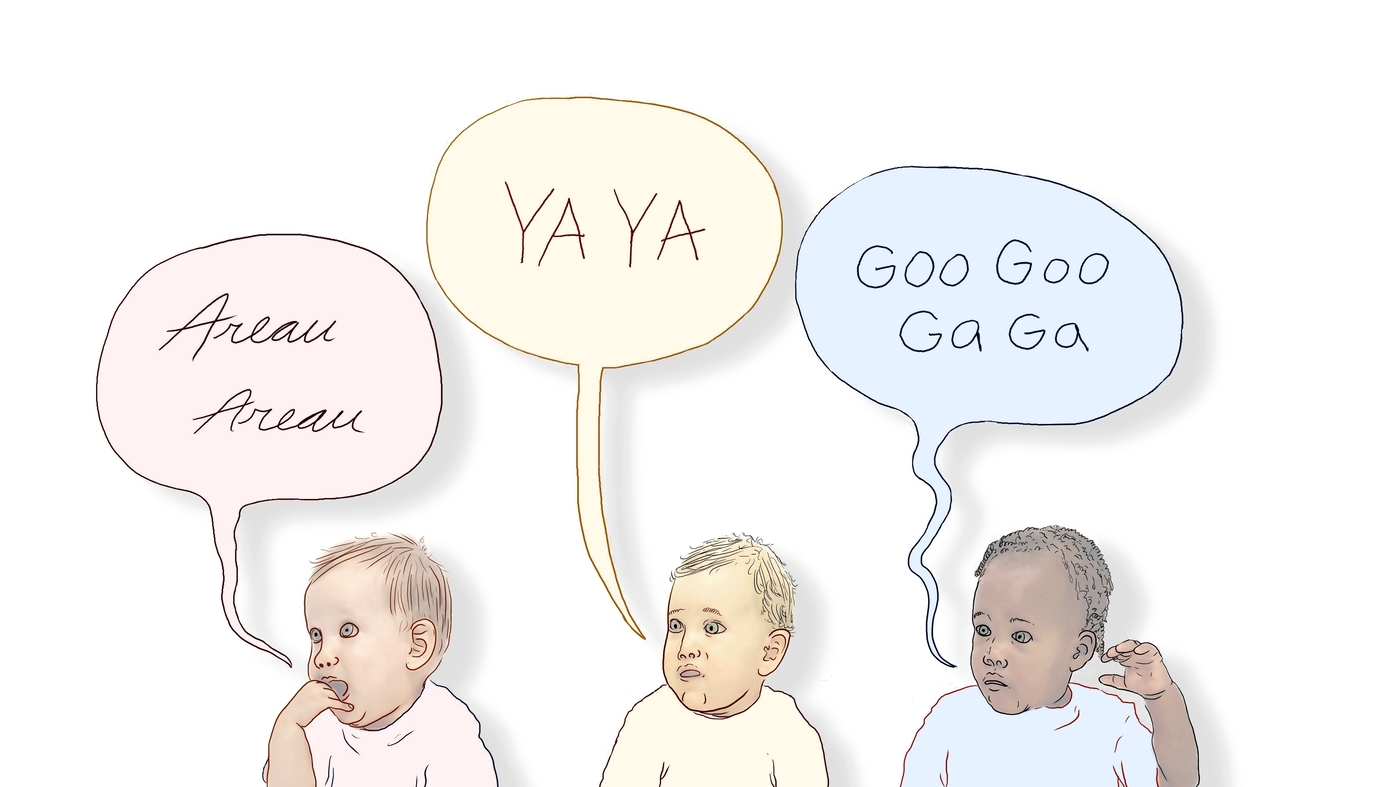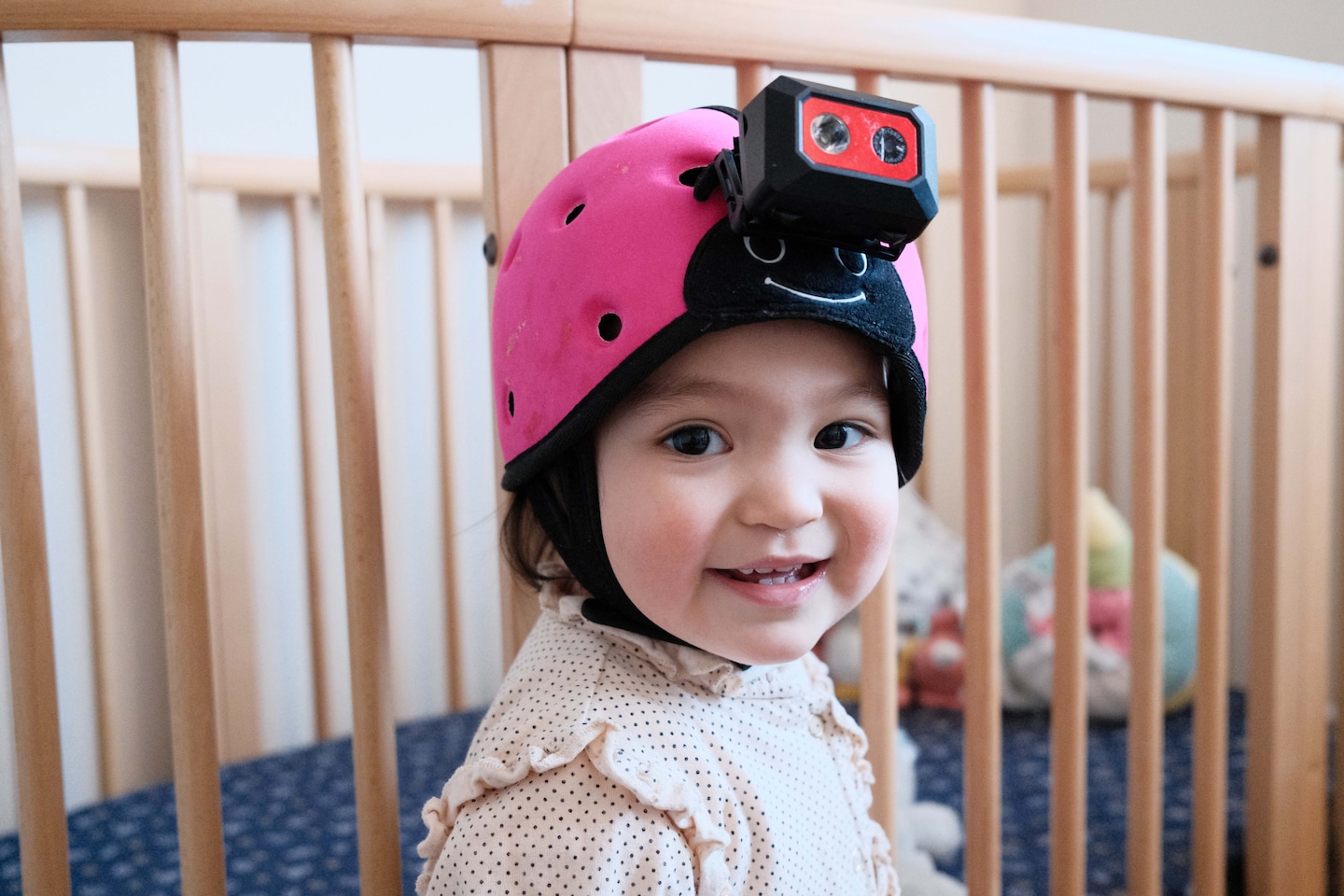
Scientists have used a baby's experiences captured through a headcam to train an AI program to understand language acquisition. The AI, given a fraction of the child's experiences, learned to match words with images, demonstrating that language learning can occur from sensory input. This research is part of a larger effort to develop AI that mimics a baby's learning process and could lead to more intuitive AI teaching methods. However, the AI's abilities still fall short of a child's language learning, and further research is needed to understand how children actually learn language.
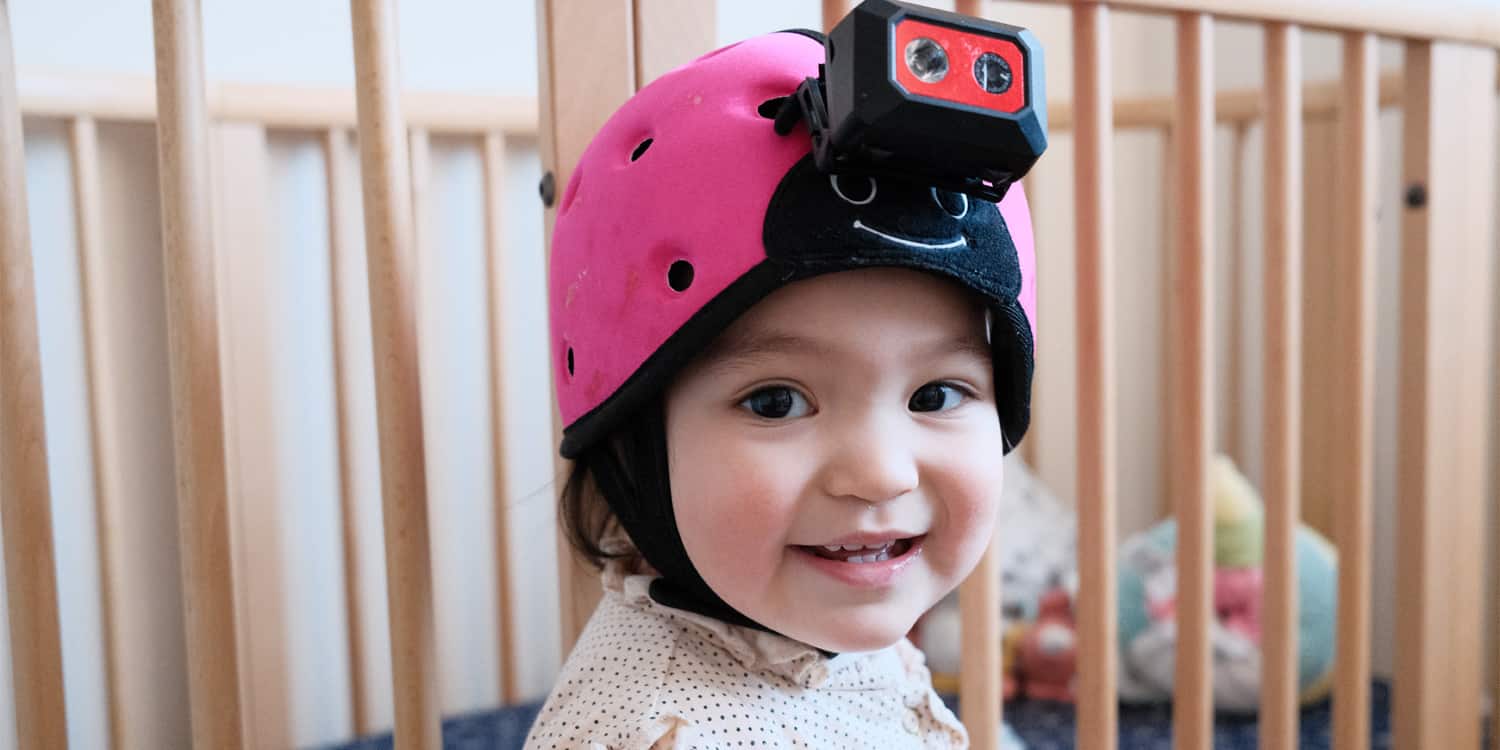
Researchers have developed a machine learning model, named the Child’s View for Contrastive Learning (CVCL), that mimics the way children learn language by associating words with visual objects, using video and audio recordings from a single child's perspective. The model achieved a classification accuracy of 61.6% on a dataset of frames annotated with 22 visual concepts and demonstrated the ability to generalize to novel visual exemplars not seen during training. The study challenges traditional theories about language acquisition and has implications for both cognitive science and the development of AI systems, although it is limited by the data being from a single child's perspective and the model's ability to generalize to a broader range of linguistic and visual contexts.
A new study challenges assumptions about language development in low-income families by analyzing daylong audio recordings of 1,001 children from diverse backgrounds, revealing that early language comprehension begins around 6-7 months and significant improvements occur around a child’s first birthday. The research aims to broaden the scope of language development to include more diverse populations and understand the mechanisms of language acquisition in children, including those who are deaf or blind. The study refutes the assumption that socio-economic status significantly impacts a child’s language development and emphasizes the importance of adult talk in children’s environments as a predictor of speech production.
Researchers have conducted a study to understand how adults make sense of the limited vocabulary of young children. By analyzing thousands of hours of transcribed audio, computational models were created to decode adult interpretations of baby talk. The most successful models relied on context from previous conversations and knowledge of common mispronunciations. This context-based interpretation by adults may provide valuable feedback, aiding babies in language acquisition. The findings suggest that adults' understanding of children's speech could facilitate more effective language learning in young children.
Babies babble with different sounds depending on the language they are exposed to, indicating their ability to imitate the rhythm and intonation of the language they hear. Research shows that babies raised in bilingual households adapt their babbling patterns to match the languages they are exposed to. This ability is attributed to enhanced neuroplasticity, which allows babies to learn and distinguish all sounds and languages. Contrary to the belief that learning multiple languages simultaneously would confuse babies, studies suggest that it actually enhances brain flexibility and maximizes neuroplasticity. The heightened ability to learn language lasts until around 5 years old, with some language superpowers lingering until age 12.
Toddlers as young as 19 months old exhibit natural logical thinking, independent of language knowledge, through a process called exclusion by elimination. This innate reasoning ability allows toddlers to make conclusions about unknown realities by ruling out known impossibilities. The study found no significant differences in logical abilities between bilingual and monolingual toddlers, suggesting that this cognitive skill is universal and not dependent on linguistic experience.
A study conducted by researchers at the Max Planck Institute for Evolutionary Anthropology measured the grammatical complexity of 1,314 languages and examined the influence of social environments on language evolution. Contrary to previous claims, the study found that societies of strangers, characterized by larger populations and more non-native speakers, do not speak less complex languages. The research highlights the importance of using large-scale data and considering factors such as genealogical inheritance and contact when studying the evolution of languages.
A study led by Laia Fibla at Concordia University has examined how language environment and socioeconomic status (SES) impact the development of the brain's white matter tracts during early childhood. The research found that children from families with higher SES scores had more exposure to adult words, and this was positively correlated with higher concentrations of myelin in language-related white matter tracts. The study highlights the importance of early language input in shaping the development of language circuitry in the brain.
Caregiver speech significantly enhances infants’ brain development and long-term language abilities, according to new research that used MRI and audio recordings to demonstrate a clear association between the amount of words infants hear from their caregivers and the development of their brain’s white matter, which facilitates information processing. The study suggests that parental engagement in the form of verbal interaction can be a potent tool in fostering their children’s cognitive development.
Oxytocin, the hormone associated with social bonding, plays a key role in the way young male zebra finches learn song from older males. Blocking the young birds’ oxytocin receptors while they listened to a male biased the birds against that male’s song. The findings provide insights into the neurochemistry of social learning, potentially contributing to our understanding of language acquisition and autism.
A new study challenges the traditional linguistic assumption that children learn language independently of cognitive functions like spatial awareness, working memory, and perception. Researchers from the Norwegian University of Science and Technology have found new links between language development and cognitive skills, including logical reasoning, problem-solving, and sense perception. The study shows that non-verbal tests are also important for cataloguing language difficulties and predicting the severity of language challenges in children. The findings suggest that measuring both verbal and non-verbal cognitive skills is important for early and correct assessment of language difficulties, which can lead to better language development through targeted training and support.