A study by Harvard T.H. Chan School of Public Health found that girls are getting their periods earlier and taking longer to achieve regular menstrual cycles, with significant health implications. The research, which analyzed data from 71,341 women, highlighted that early menarche is linked to increased risks of cardiovascular disease, cancers, and other health issues. The trends are more pronounced among Black, Asian, Hispanic girls, and those from lower socioeconomic backgrounds. Factors such as obesity, environmental pollutants, and psychosocial stress are believed to contribute to these changes, though more research is needed to fully understand the causes.
A new study reveals that American girls are reaching puberty earlier, with significant long-term health risks such as cardiovascular disease, infertility, mood disorders, and cancers. The trend is partly attributed to higher body mass index and environmental factors like hormone-disrupting chemicals and stress. The study also highlights racial and socioeconomic disparities, with girls of color starting menstruation earlier than their white peers. Parents are advised to seek medical evaluation for early puberty signs and promote a healthy diet and lifestyle for their children.
A study by Apple and Harvard reveals that people in the US are starting their menstrual cycles earlier and experiencing more irregularities, which are linked to poor health outcomes such as cardiovascular diseases, cancers, and fertility issues. The mean age of first periods has decreased, and the time to regularity has increased, with childhood obesity and environmental factors like endocrine-disrupting chemicals being potential contributors. The study highlights the need for more awareness and further research.
A Harvard T.H. Chan School of Public Health study reveals that the average age of first menstrual period (menarche) is decreasing among younger generations in the U.S., particularly among racial minorities and lower-income individuals. The time for menstrual cycles to become regular is also increasing. The study, part of the Apple Women’s Health Study, highlights the influence of factors like childhood obesity, diet, stress, and environmental pollutants on these trends, emphasizing the need for more research on menstrual health.
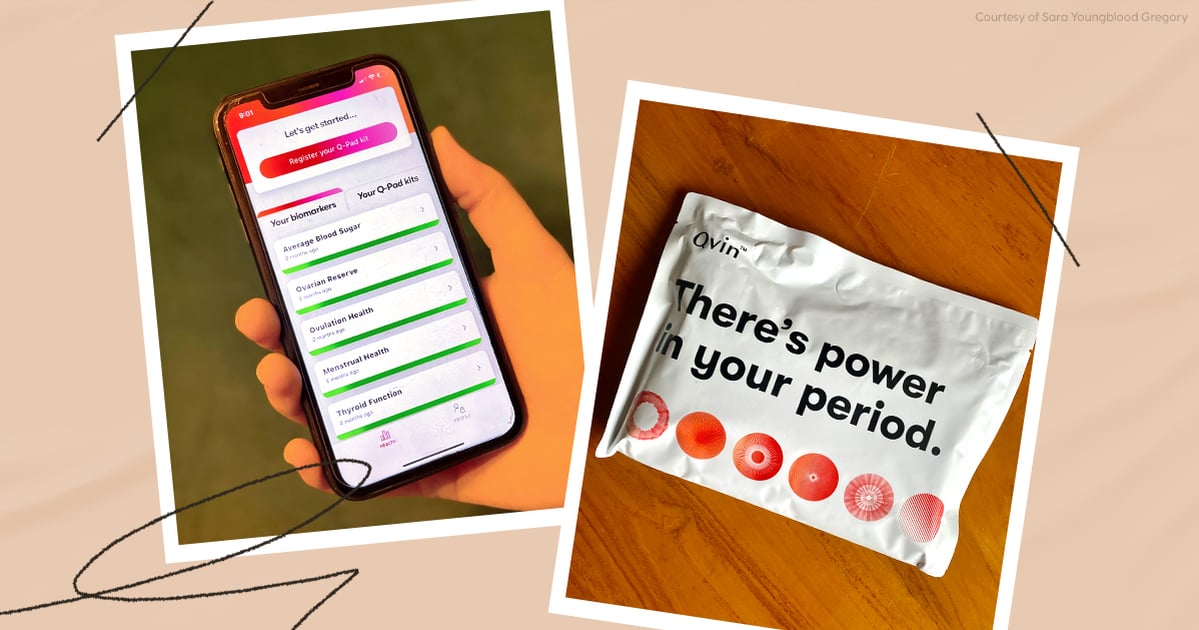
Qvin's Q-Pads are FDA-cleared menstrual pads that can monitor health information using period blood, offering insights into blood sugar levels, thyroid function, fertility hormones, anemia, and inflammation markers. The at-home testing process involves using the pads, sending samples to the lab, and receiving results through an app. While convenient and informative, considerations include timing, comfort with menstrual blood collection, and out-of-pocket costs. The A1C Q-Pad Kit is currently available for purchase, with expanded kits for reproductive and hormonal health in development.
TikTok users are sharing a viral video claiming that a combination of Jell-O, lemon juice, and ibuprofen can delay or stop periods. While ibuprofen can decrease period bleeding and cramping, taking high doses to lighten periods can be dangerous and is not recommended without consulting a doctor. Experts suggest safer and more effective treatments for menstrual suppression, such as birth control pills, the birth control patch, and IUDs. It's important to seek medical advice before attempting to alter menstrual cycles.
Nichole shares her experience with premenstrual dysphoric disorder (PMDD), a severe form of premenstrual syndrome (PMS) that significantly impacted her mental and physical health, leading to a hysterectomy at 22. Many women face a long wait for a diagnosis, and the link between mental and menstrual health needs better understanding. While some, like Nichole, opt for a hysterectomy, others, like Nia, manage PMDD through chemical menopause. It can take an average of 12 years to be diagnosed with PMDD, and seeking help from a GP and tracking symptoms against the menstrual cycle is crucial for identification and management.
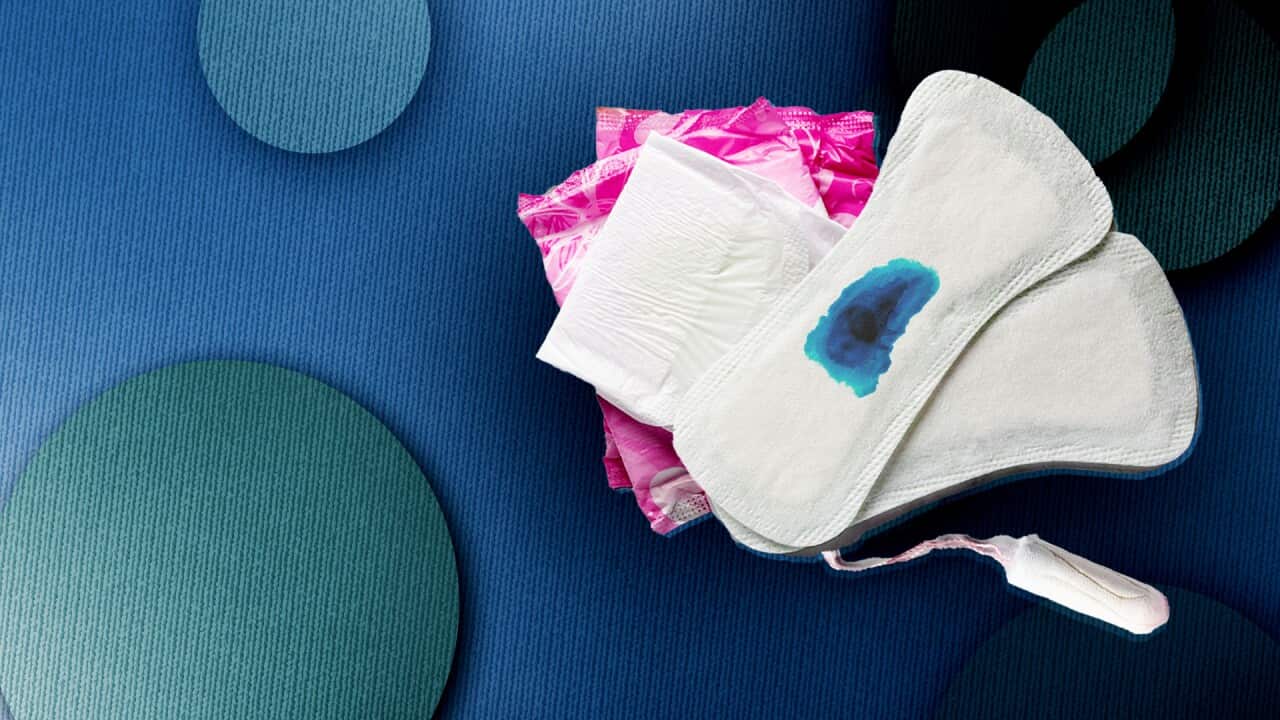
Campaigners are highlighting the need to address the deep-seated stigma and miseducation surrounding menstruation as a study published in BMJ Sexual & Reproductive Health tests period products using actual blood for the first time. The study found that most products are less absorbent than claimed by manufacturers, with menstrual discs potentially being more absorbent for heavy flows than pads or tampons. The findings could help doctors assess underlying health problems and assist individuals in choosing suitable products. However, campaigners stress that there is still a long way to go in tackling stigma and period poverty, emphasizing the need for inclusivity and access to free products, education, and support.
A recent study has examined the absorbency of period products using human blood for the first time, revealing considerable variability in their capacity. Women's health advocates have praised the study, highlighting the lack of adequate research on women's health products. The findings have sparked outrage on social media, with many questioning why it took so long to test menstrual products with human blood. The study also raises concerns about determining heavy bleeding in women and calls for a reassessment of medical conditions affecting women.
Irregular periods can be defined as cycles that are consistently less than 21 days or more than 35 days apart, or periods that vary in duration, heaviness, or pain. While changes in menstrual cycles can be normal and influenced by factors like stress, weight changes, or excessive exercise, they can also indicate underlying health conditions such as thyroid disorders or polycystic ovarian syndrome (PCOS). It's important to consult with a doctor if you suspect your periods are irregular, as they can provide guidance, support, and personalized treatment options based on individual circumstances.