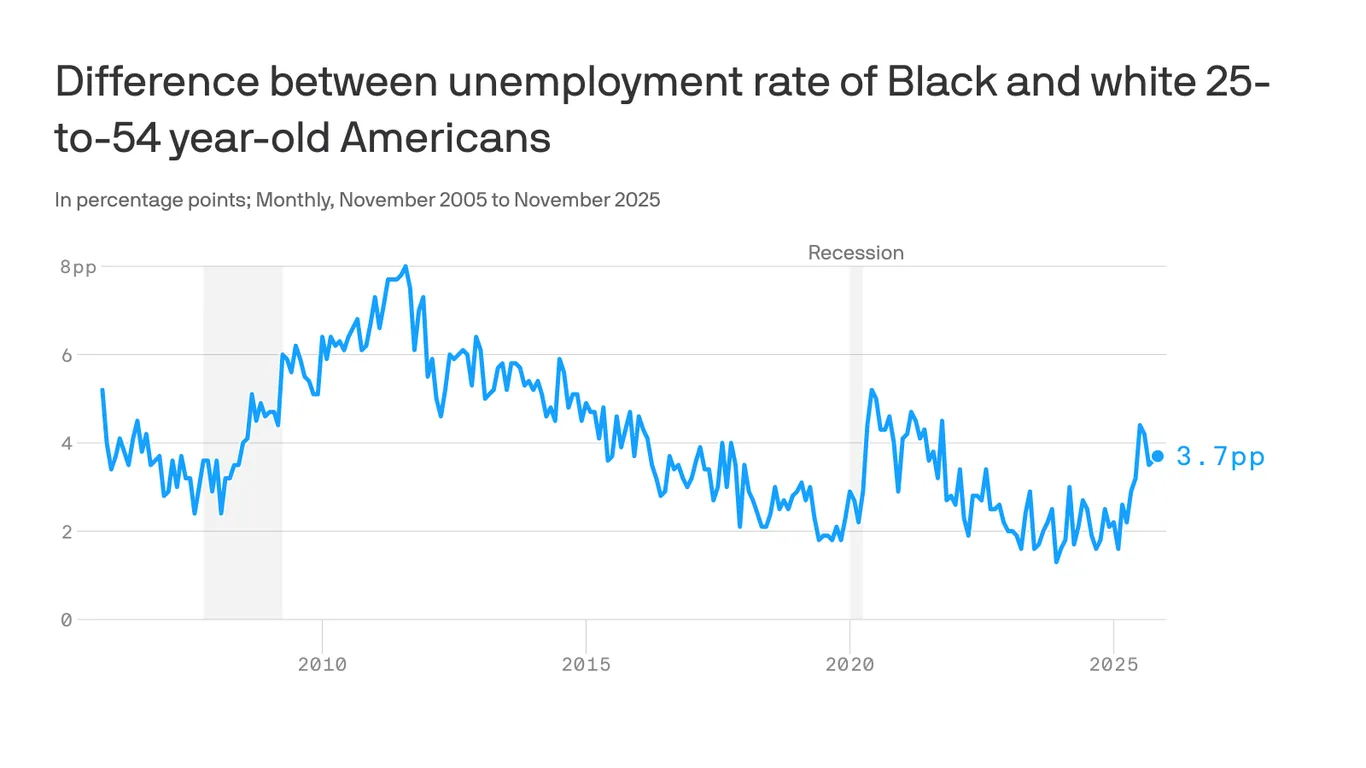
Black Americans are experiencing a worsening in employment conditions, with their unemployment rate rising sharply due to factors like shrinking federal jobs, reversing previous gains where Black-white employment gaps were at record lows, and highlighting ongoing racial disparities in the labor market.
The article discusses the layoffs of journalists of color amid a broader decline in diversity initiatives in the media industry, which some see as linked to the Trump administration's anti-DEI policies. It highlights specific cases at CBS, NBC, and Teen Vogue where people of color were disproportionately affected, raising concerns about racial bias and the future of diversity in journalism. The layoffs are viewed by many as part of a political and corporate effort to diminish diversity efforts, prompting some affected journalists to consider creating their own media outlets.
The US stillbirth rate decreased by 2% in 2024, reaching its lowest in decades but still remaining high, especially among Black and Native Hawaiian mothers. Significant improvements were seen in some states, but experts emphasize the need for continued efforts to reduce stillbirths, which are often linked to medical, environmental, and socioeconomic factors. The NIH has launched a research consortium to better understand and prevent these deaths.
A study from Wake Forest University found that living in disadvantaged neighborhoods with higher social and environmental burdens is associated with biological changes in the brain that increase dementia risk, especially among Black populations, highlighting the impact of social inequities on brain health.
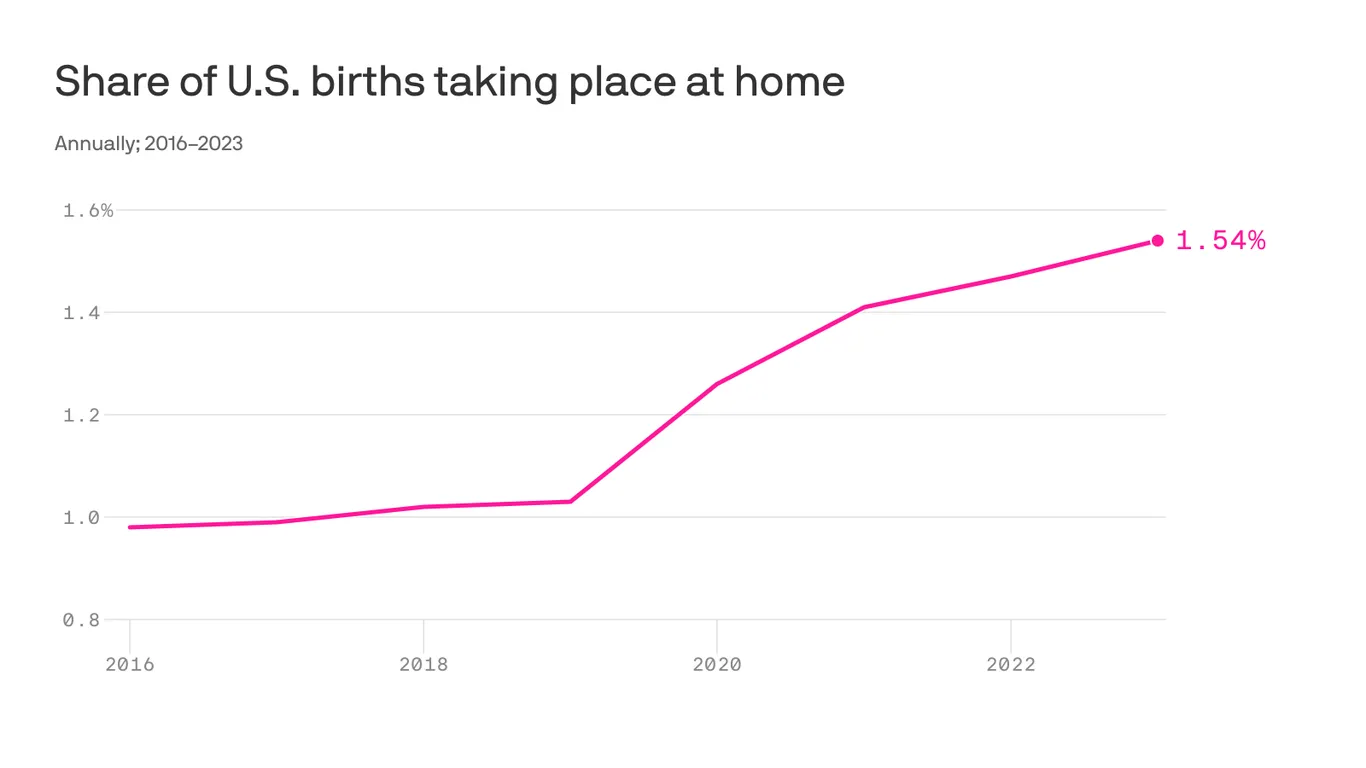
The rise in home births in the U.S. reflects growing distrust in hospitals, especially among Black women due to high maternal mortality rates and historical discrimination, with limited safety data but potential for comparable outcomes in low-risk cases; ongoing hospital closures in underserved areas may further influence this trend.
Newborn circumcision rates in the US have declined from 54% in 2012 to 49% in 2022, with significant drops among White families and regional differences, despite medical organizations' support for the procedure. Factors such as changing cultural attitudes, skepticism towards medicine, and demographic shifts are likely contributing to this trend.
Prostate cancer rates in the US have increased over the past decade, especially in advanced stages, despite reduced PSA screening, with higher mortality rates among Black and Native American men, highlighting the need for tailored screening strategies and further research into environmental and nutritional factors.
A recent study suggests that reduced prostate cancer screening over a decade ago may have led to an increase in advanced-stage diagnoses, with persistent racial disparities showing higher incidence and mortality rates among Black men. The findings highlight the challenge of balancing screening guidelines to prevent both over-treatment and missed diagnoses.
A new study suggests that reduced prostate cancer screening over the past decade may have led to an increase in advanced-stage diagnoses, with persistent racial disparities showing higher incidence and mortality rates among Black men. The findings highlight the ongoing challenge of balancing screening benefits and harms.
A study found that a decline in physical activity about 12 years before a heart disease diagnosis can signal increased risk, with Black populations showing more significant declines, highlighting the importance of early, sustained lifestyle interventions for heart health.
Uterine cancer, the most common gynecological cancer in the U.S., is rising, especially among women over 50, with Black women experiencing higher mortality rates. Risk factors include age, obesity, genetic syndromes like Lynch syndrome, hormone therapy, and certain hair products. Symptoms such as post-menopausal bleeding and pelvic pain should prompt medical evaluation, though no screening test exists. Awareness of risk factors and early signs can aid in timely diagnosis and treatment.
Uterine cancer, the most common gynecological cancer in the U.S., is rising, especially among women over 50, with Black women experiencing higher mortality rates. Risk factors include age, obesity, genetic syndromes like Lynch syndrome, hormone therapy, and certain hair products. Symptoms such as post-menopausal bleeding and pelvic pain should prompt medical evaluation, as there is no screening test for early detection. Awareness of risk factors and symptoms can help women seek timely care and potentially improve outcomes.
Uterine cancer, the most common gynecological cancer, is increasing in prevalence, especially among women over 50, with Black women facing higher mortality rates. Risk factors include age, obesity, genetic syndromes like Lynch syndrome, hormone therapy, and certain lifestyle factors. Symptoms such as post-menopausal bleeding and pelvic pain should prompt medical evaluation, although there is no current screening test. Awareness of risk factors and early signs is crucial for early detection and treatment.
Uterine cancer, the most common gynecological cancer in the U.S., is rising, especially among women over 50, with Black women experiencing higher mortality rates. Risk factors include age, obesity, genetic syndromes like Lynch syndrome, hormone therapy, and certain hair products. Symptoms such as post-menopausal bleeding and pelvic pain should prompt medical evaluation, though no screening test exists. Awareness of risk factors and early signs can help in timely diagnosis and treatment.
A study published in The American Journal of Clinical Nutrition found that higher maternal vitamin D levels during pregnancy are associated with better memory, attention, and problem-solving skills in children aged 7 to 12, especially among Black families, suggesting that vitamin D supplementation could support brain development and reduce racial disparities. The research emphasizes the importance of early pregnancy vitamin D levels and highlights the need for further randomized controlled trials to confirm causality and optimal levels.